Who Was Susan B. Anthony?
Taught in US schools

Key Takeaways
- Susan B. Anthony (1820-1906) was the most recognized leader of the women's suffrage movement, traveling thousands of miles per year giving speeches demanding women's right to vote.
- She was arrested in 1872 for voting illegally in a presidential election and used her trial to publicly argue that the 14th Amendment granted women the right to vote.
- Anthony died in 1906, 14 years before the 19th Amendment (ratified 1920) granted women the right to vote - it is often called the Susan B. Anthony Amendment.
Who Was Susan B. Anthony?
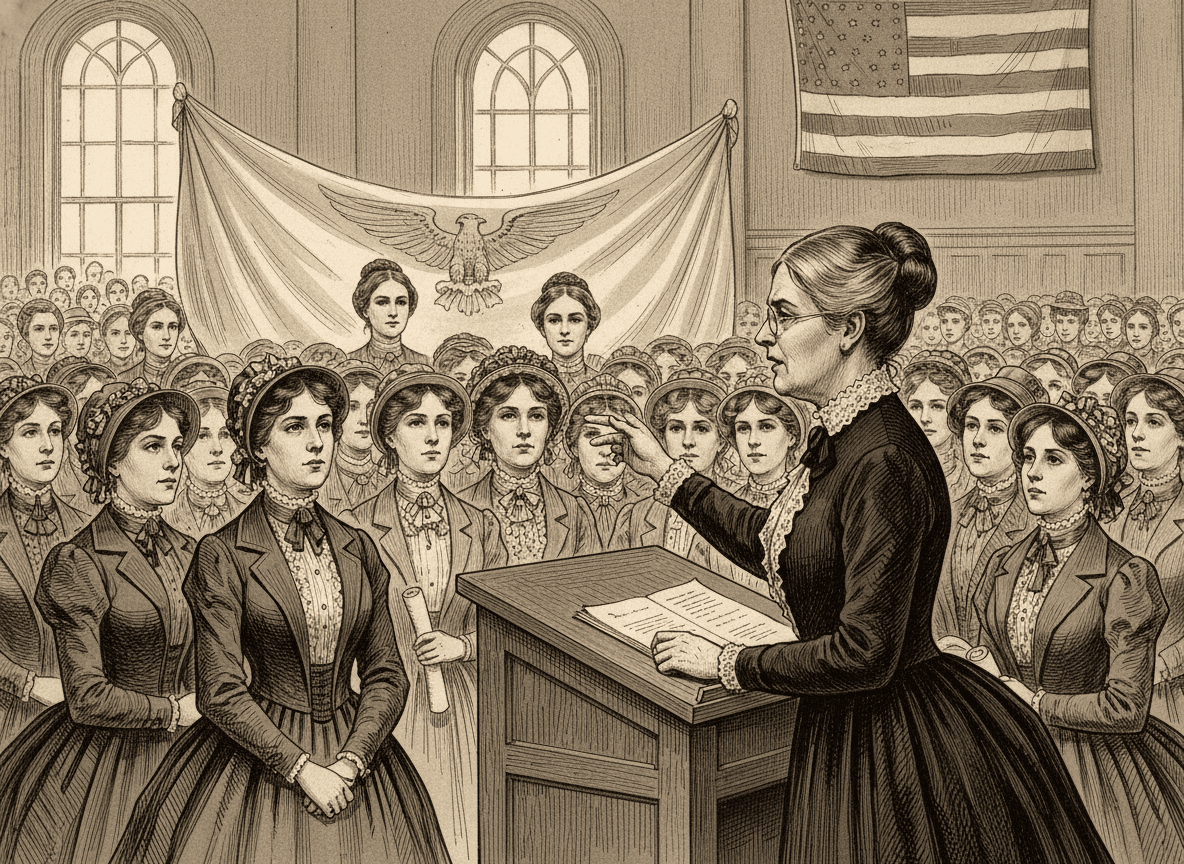
Susan B. Anthony (1820–1906) was an American social reformer and the most visible leader of the women's suffrage movement - the campaign to secure women's right to vote. For more than 50 years, she traveled, organized, petitioned, and lectured relentlessly for equal rights for women, at a time when women had almost no political or legal standing.
She did not live to see her work fully rewarded - she died in 1906, 14 years before the 19th Amendment was ratified in 1920. But the amendment is often called the Susan B. Anthony Amendment in her honor.
Early Life and Activism
Susan Brownell Anthony was born on February 15, 1820, in Adams, Massachusetts, into a Quaker family. Quaker beliefs in the equality of all people shaped her worldview from childhood. Her family were active abolitionists - they hosted meetings at their home and housed freedom seekers using the Underground Railroad.
As a young woman, Anthony worked as a teacher and became involved in the temperance movement (opposition to alcohol). But when she was refused the right to speak at a temperance meeting because she was a woman, she shifted her focus: she would fight for women's rights.
Partnership with Elizabeth Cady Stanton
Anthony's most important partnership was with Elizabeth Cady Stanton, whom she met in 1851. For more than 50 years, they were the strategic core of the women's rights movement:
-
Stanton was the intellectual - she wrote speeches, drafted documents, and developed the theoretical case for women's equality.
-
Anthony was the organizer - she traveled constantly, managed campaigns, and kept the movement politically alive.
Together they co-founded the National Woman Suffrage Association in 1869.
The Arrest: 1872
On November 5, 1872, Anthony led a group of 15 women to vote in the Rochester, New York presidential election. They argued that the 14th Amendment - which guaranteed equal rights to all citizens - already granted women the right to vote.
Two weeks later, Anthony was arrested. At her trial in June 1873, she was not allowed to testify in her own defense and the judge directed a guilty verdict without jury deliberation. She was fined $100.
Anthony told the judge:
"I shall never pay a dollar of your unjust penalty... Resistance to tyranny is obedience to God."
She never paid. The fine was never collected.
Decades of Campaigning
Anthony traveled an estimated 13,000 miles per year giving speeches across the country. She addressed Congress repeatedly, beginning in 1869. She helped draft the 19th Amendment and first proposed it to Congress in 1878 - where it failed annually for the next 41 years.
The 19th Amendment
On August 18, 1920, the 19th Amendment to the U.S. Constitution was ratified:
"The right of citizens of the United States to vote shall not be denied or abridged by the United States or by any State on account of sex."
Anthony had spoken of her hope for this day at the 1906 convention - her last major speech - just weeks before her death on March 13, 1906, at age 86.
Legacy and Recognition
Susan B. Anthony silver dollar coin: 1979
National Women's Hall of Fame: 1973
Postage stamp: 1936 Her childhood home in Rochester, New York is a National Historic Landmark. On Election Day 2016 - when the first woman was nominated for president by a major party - thousands of voters placed their "I Voted" stickers on her grave.
Practice Activities
- Create a timeline of Susan B. Anthony's major life events from birth (1820) to the passage of the 19th Amendment (1920).
- Research the Seneca Falls Convention (1848): Anthony didn't attend, but Stanton did - what was declared there? How did it relate to the Declaration of Independence?
- Read the text of the 19th Amendment - it is just two sentences. Discuss: why did it take 70+ years to pass this?
- Compare Anthony and Douglass: both fought for voting rights but for different groups - how did they support each other's causes?
- Discuss: if you had been denied a right you believed was yours, what strategies would you use to fight for it? Compare to Anthony's tactics.
Frequently Asked Questions
Who was Susan B. Anthony's partner in the suffrage movement?
Susan B. Anthony's closest partner in the women's rights movement was Elizabeth Cady Stanton. Stanton was the primary theorist and writer - she drafted the Declaration of Sentiments at the Seneca Falls Convention in 1848. Anthony was the organizer and activist - she traveled constantly, gave speeches, and managed the logistics of the movement. Together, they co-founded the National Woman Suffrage Association in 1869. They worked together for more than 50 years.
What happened when Susan B. Anthony voted in 1872?
On November 5, 1872, Anthony and 14 other women registered to vote in Rochester, New York, arguing that the 14th Amendment (which granted citizenship and equal rights to all people born in the U.S.) already gave women the right to vote. She voted in the presidential election and was arrested two weeks later. At her trial in 1873, the judge refused to let her testify or allow the jury to deliberate - he directed a guilty verdict and fined her $100. Anthony refused to pay the fine and it was never collected.
Why is the 19th Amendment called the Susan B. Anthony Amendment?
The 19th Amendment, ratified on August 18, 1920, gave women the right to vote - but Anthony had been proposing the exact wording for this amendment since 1878, over 40 years earlier. It was introduced in Congress repeatedly and failed every year until 1919. Because Anthony spent her adult life fighting for exactly this amendment and because her persistence kept it alive in public discourse, it is often called the Susan B. Anthony Amendment. She died 14 years before it was ratified.
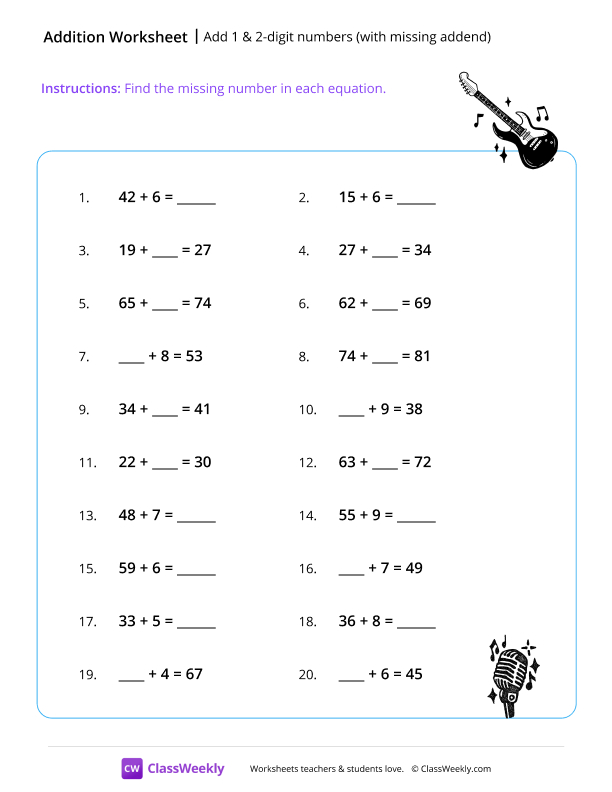
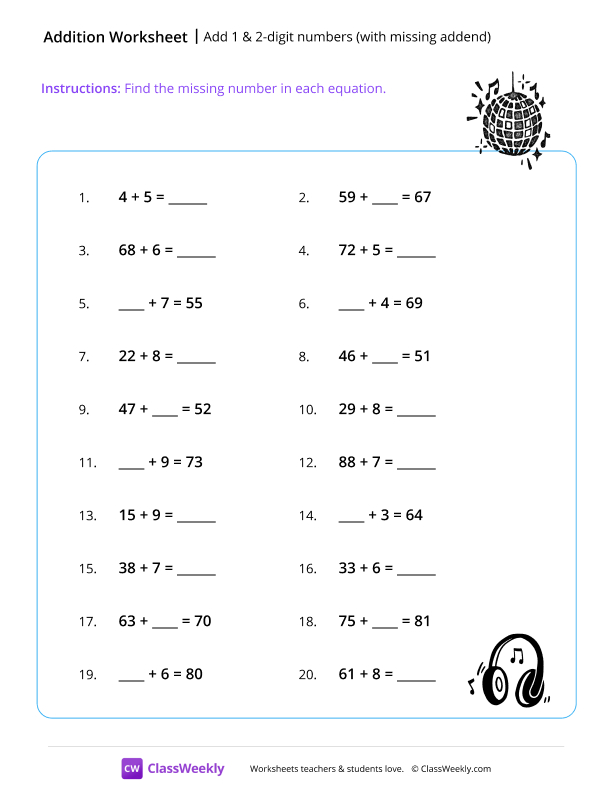
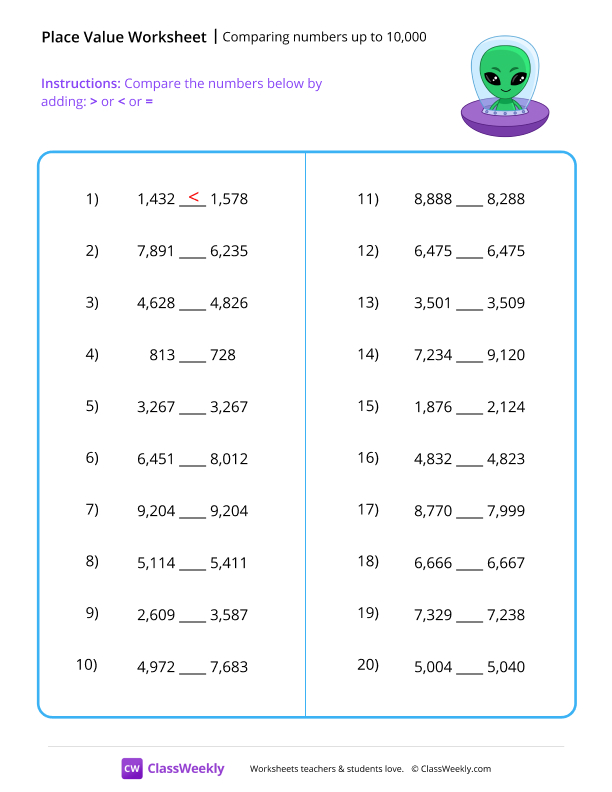
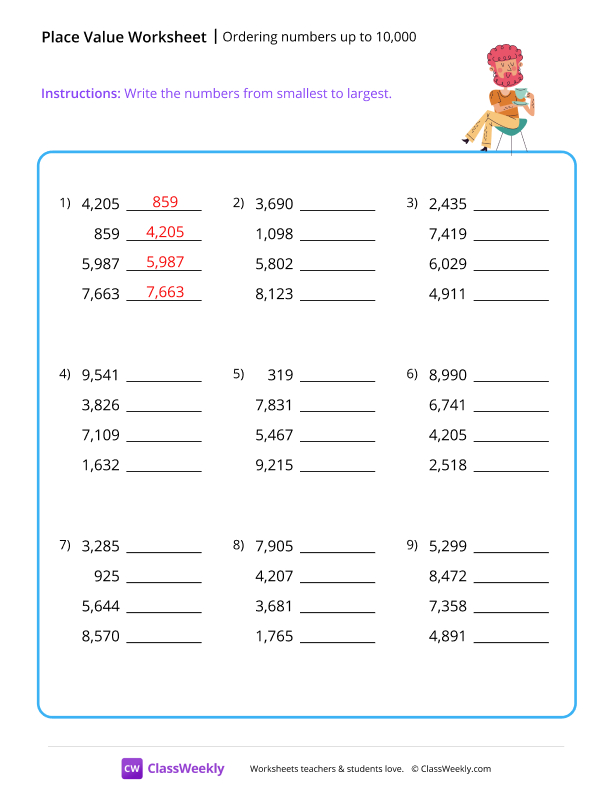
Free Susan B. Anthony Worksheets
Curriculum-aligned printable worksheets for 3rd – 5th Grade. Download free.