What Was the Underground Railroad?
Taught in US schools
Key Takeaways
- The Underground Railroad was not an actual railroad but a secret network of people and hiding places that helped enslaved African Americans escape to freedom, primarily between 1800 and 1865.
- Railroad vocabulary was used in code: 'stations' were safe houses, 'conductors' were guides, 'passengers' or 'cargo' were freedom seekers, and the 'promised land' was Canada.
- Harriet Tubman was the most famous conductor, making 13 missions to rescue approximately 70 enslaved people and later serving as a Union spy during the Civil War.
What Was the Underground Railroad?
The Underground Railroad was a secret network of hiding places, routes, and people that helped enslaved African Americans escape from the South to freedom in the Northern United States and Canada. It was not a real railroad - the name was metaphorical. Its operation was most active from approximately 1800 to 1865, ending with the abolition of slavery after the Civil War.
The Underground Railroad required extraordinary courage from both the freedom seekers and the people who helped them. Those who assisted risked severe punishment; those who escaped risked capture, violence, and re-enslavement.
The Code Language
The Underground Railroad operated in secrecy, and its participants used coded railroad vocabulary to communicate:
Station: A safe house or hiding place
Stationmaster: The owner of a safe house
Conductor: A guide who led freedom seekers on the route
Passenger / Cargo: An enslaved person escaping to freedom
Line: An escape route
Promised Land / Heaven: Canada
Agent: Someone who helped connect freedom seekers to conductors
Who Operated the Underground Railroad?
The network was run by a diverse coalition:
-
Free African Americans - the backbone of the operation, especially in Northern cities
-
Formerly enslaved people - including Harriet Tubman, who returned South 13 times
-
White abolitionists - Quakers, members of the American Anti-Slavery Society, and others
-
Sympathetic strangers - ordinary people who provided food, shelter, or directions
Harriet Tubman: The Most Famous Conductor
Harriet Tubman (c. 1822–1913) is the most celebrated conductor of the Underground Railroad. Born enslaved in Maryland, she escaped in 1849 and then returned south 13 times to guide approximately 70 enslaved people to freedom - including members of her own family.
She reportedly said:
"I never ran my train off the track and I never lost a passenger."
Tubman was never caught. She was known as "Moses" for leading her people to freedom. During the Civil War, she also served as a Union spy and led a military raid in 1863 that freed more than 700 enslaved people - the first woman in U.S. history to lead an armed military operation.
Routes and Challenges
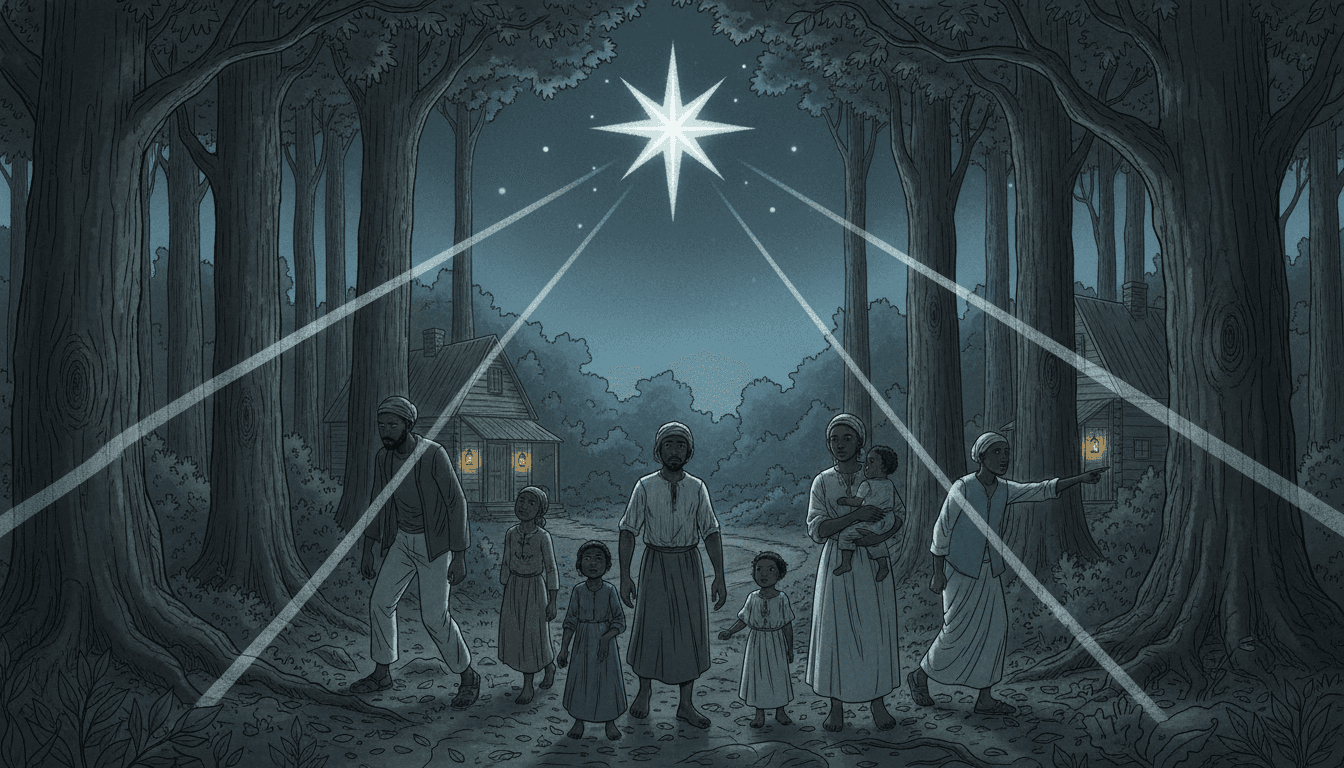
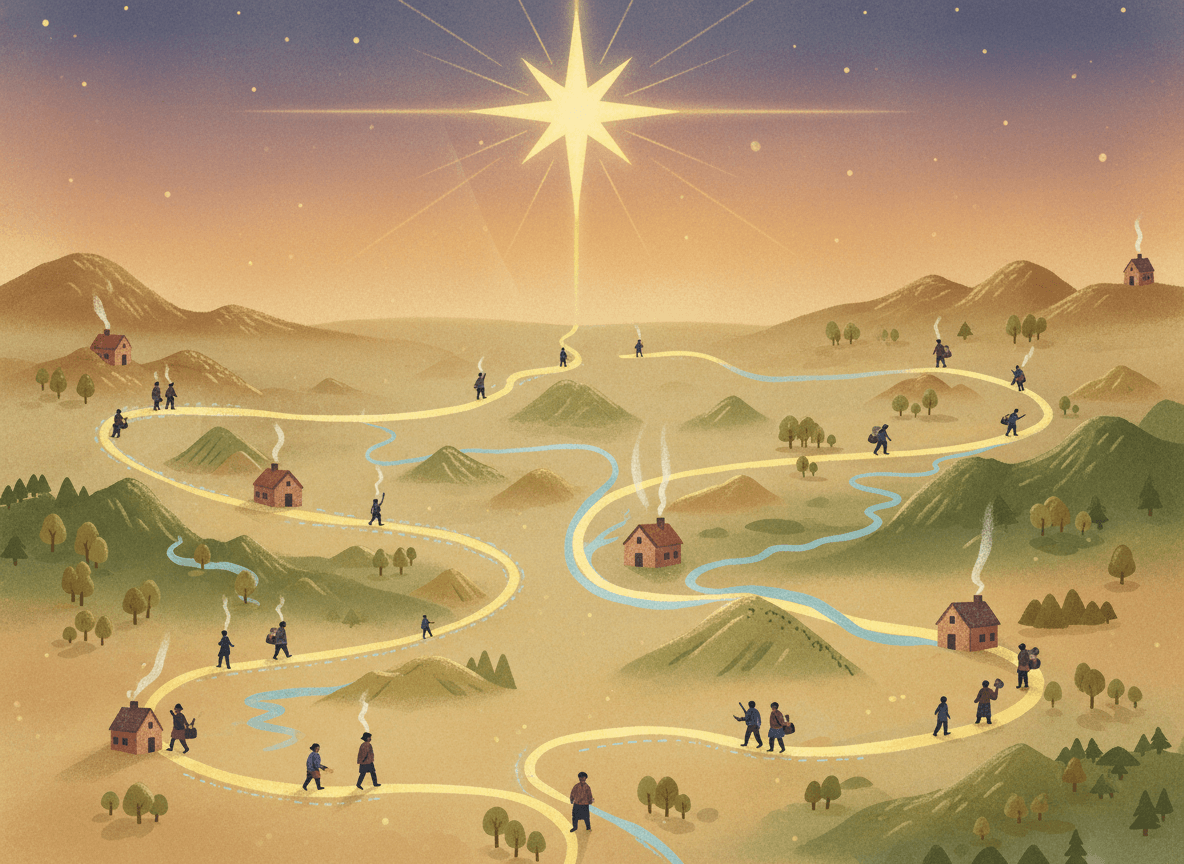
Freedom seekers typically traveled at night, following the North Star for navigation. They traveled in winter when nights were longer and rivers could be crossed on ice. They hid in barns, cellars, attics, and secret rooms.
The journey was dangerous and exhausting:
- Slave catchers and tracking dogs were used to pursue escapees
- The Fugitive Slave Act of 1850 made it illegal to help freedom seekers even in Northern states
- Many freedom seekers continued all the way to Canada to be truly safe
The Freedom Quilts: A Historical Debate
Many students learn that quilts with coded patterns were hung on fences to guide freedom seekers. Historians have found little evidence to support this theory. The real Underground Railroad operated through trusted networks of people, not quilt signals. The quilt code theory, popularized in a 1999 book, is now considered by most historians to be largely mythology, though it has become deeply embedded in popular culture.
Scale of the Underground Railroad
Historians estimate that between 40,000 and 100,000 enslaved people escaped via the Underground Railroad between 1800 and 1865. This was a fraction of the millions enslaved, but each person's freedom was a profound victory.
Practice Activities
- Trace Underground Railroad routes on a map - where did routes begin? Where were major "stations"? Where was the final destination (Canada)?
- Read a first-person account of escaping via the Underground Railroad (many are available as excerpts from WPA slave narratives) - what dangers did they face?
- Research Harriet Tubman's Civil War service - how did she use the same skills she developed as a conductor in her work as a spy?
- Discuss: why were people willing to risk punishment to help enslaved people escape? What motivated them?
- Compare the Underground Railroad to other historical acts of civil disobedience - what do they have in common?
Frequently Asked Questions
Was the Underground Railroad an actual railroad?
No - the Underground Railroad was not a real railroad. It was a metaphorical name for a secret, informal network of people who helped enslaved African Americans escape from slavery. The 'underground' referred to the secrecy of the network, and 'railroad' was part of the coded language used to communicate. Escape routes were called 'lines,' hiding places were 'stations,' helpers were 'conductors,' and freedom seekers were 'passengers.'
Did freedom quilts help enslaved people escape?
The idea that quilts with coded patterns were hung on fences to guide freedom seekers is a popular story, but historians have found little evidence to support it. This theory was popularized in a 1999 book but lacks documented primary sources. Historians believe it may be a combination of oral tradition and later-created mythology. The real Underground Railroad relied on trusted people, word of mouth, and extraordinary courage - not quilt codes.
Where did freedom seekers go?
Freedom seekers traveled north to 'free states' in the Northern U.S. where slavery was illegal. However, after the Fugitive Slave Act of 1850, even reaching a northern state was not safe - escaped enslaved people could be captured and returned south. Many continued to Canada, where they were legally free. Cities like Detroit, Cleveland, Philadelphia, and Boston were important waypoints on northern routes.
Free Underground Railroad Worksheets
Curriculum-aligned printable worksheets for 3rd – 5th Grade. Download free.