What Is Visualization in Reading?
Taught in US schools
Key Takeaways
- Visualization is creating a mental movie or image while reading - using all five senses, not just sight.
- Strong readers naturally visualize; it can be taught explicitly to struggling readers.
- Visualization improves comprehension, engagement, and recall of what was read.
- The author's use of imagery and sensory language is the fuel for visualization.
What Is Visualization in Reading?
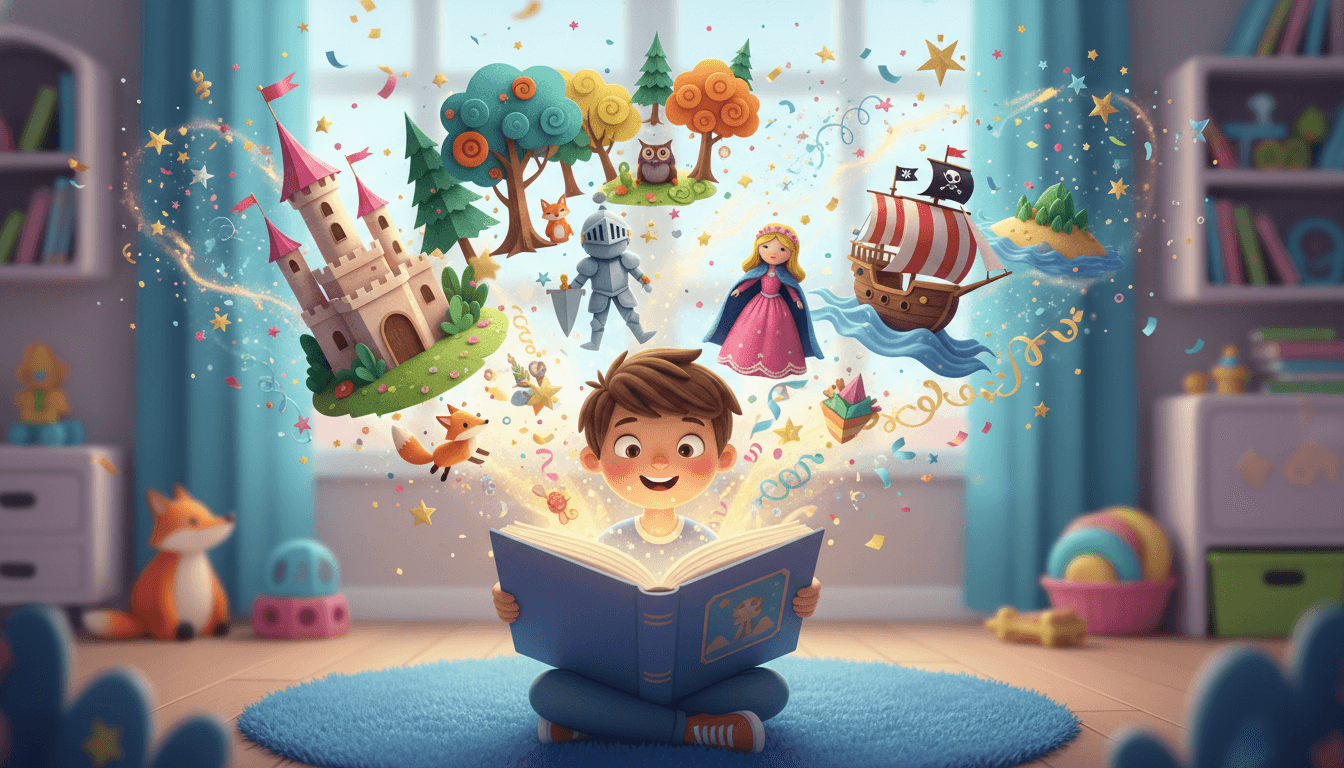
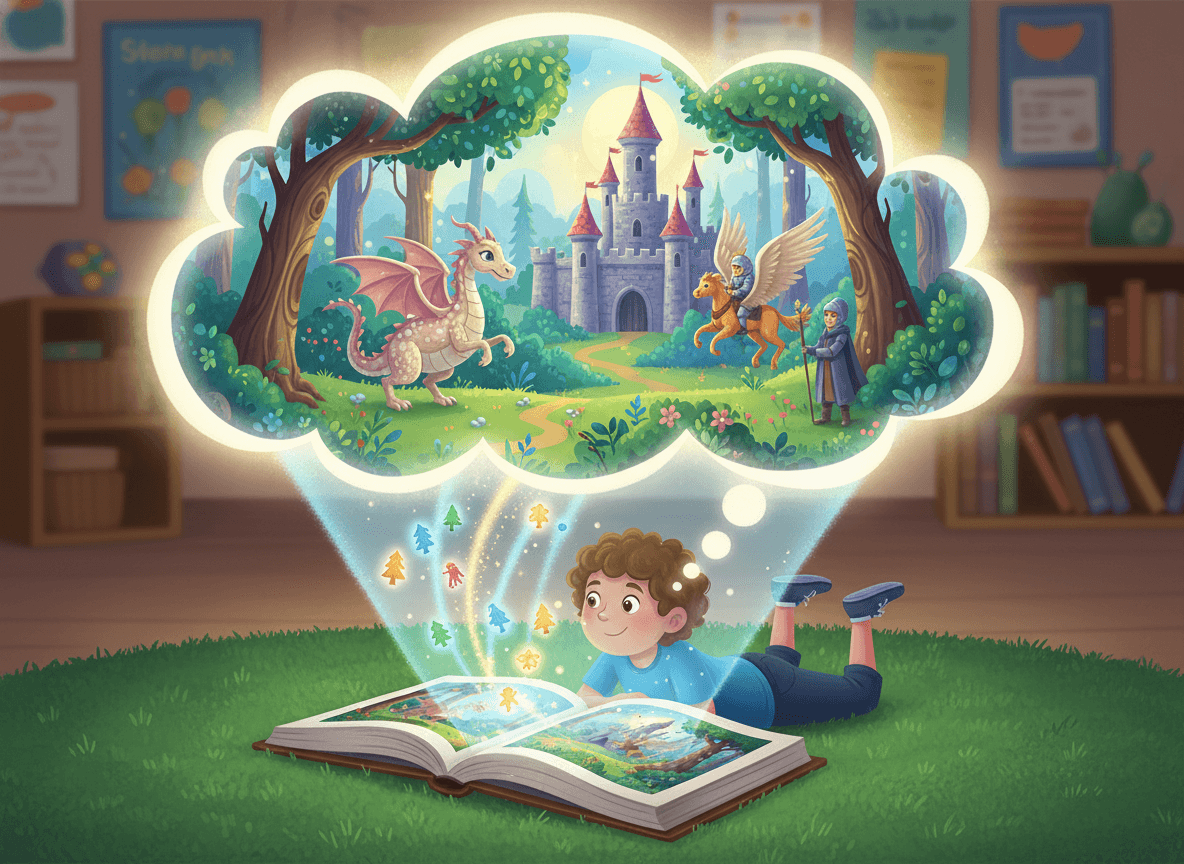
Visualization is a reading comprehension strategy in which the reader creates a mental movie based on the words on the page - seeing the characters' faces, hearing the sounds of the setting, feeling the temperature of the air, smelling what is in the room.
Visualization is not daydreaming. It is active engagement with the specific language of the text. When a text says "the ancient, moss-covered stone wall," a visualizing reader builds an image from those specific words - not any old wall, but that particular one.
Research shows that strong readers naturally visualize while reading. Struggling readers often don't - and explicitly teaching visualization improves their comprehension.
Visualizing with All Five Senses
Visualization is richer than it sounds - it goes far beyond "pictures":
Sight: What do the characters, setting, and objects look like? What colors, shapes, and movements do you see?
Sound: What do you hear in this scene? Are there voices, music, machinery, nature, silence?
Touch/Feel: What physical sensations are present? Temperature, texture, weight, movement?
Smell: What does this place smell like? Books in an old library? Salt air at the ocean? Bread baking?
Taste: Is there eating or drinking in the scene? What do those flavors feel like?
Authors use sensory language intentionally. When you respond to all five senses, you are reading the text as the author intended.
The Connection to Imagery
Imagery is the author's tool; visualization is the reader's response. Authors create imagery by choosing specific, sensory words:
"The kitchen smelled of cinnamon and burnt sugar. Ceramic shards of what had been a mug lay in three pieces on the tile."
The author used olfactory and visual details deliberately. A visualizing reader "enters" that kitchen fully.
How to Teach Visualization
Step 1: Read with eyes closed. Read a vivid passage aloud while students close their eyes and build a mental image.
Step 2: Share and compare. What did students see? How were their images similar and different? What specific words created those images?
Step 3: Draw the visualization. Students sketch what they pictured. Comparing drawings reveals how language creates individual images.
Step 4: Catch yourself. As students read independently, they learn to notice when their visualization gets hazy - a signal that they may have lost comprehension.
Practice Activities
- Read a descriptive paragraph aloud, then have students draw what they visualized - without showing their pictures until everyone has finished. Compare: "What words made you all draw similar things? What varied?"
- Visualization before and after: students read a plain description ("the woman walked into the room") then a vivid one ("the old woman shuffled into the drafty room, clutching her shawl"). Compare their sketches - what difference did the language make?
- "Sensory language" highlighters: students use different colors to highlight words that appeal to each of the five senses in a descriptive passage.
- "Where did my movie stop?" - students identify a point in independent reading where their visualization became vague, then re-read and discuss what they may have missed.
Frequently Asked Questions
What is visualization as a reading strategy?
Visualization is an active reading comprehension strategy in which the reader creates mental images, sounds, smells, tastes, and feelings based on the descriptive language in a text. Rather than just decoding words, the reader builds a mental movie of what is happening. Good readers visualize automatically; struggling readers can be taught to do it explicitly. Visualization makes text more memorable and easier to understand.
How does visualization improve reading comprehension?
When readers visualize, they engage more deeply with the text - they are processing meaning rather than just decoding words. Visualization forces readers to interpret specific language choices (what does 'crumbling' look like? what does 'sizzling' sound like?), which builds comprehension at the word and sentence level. Mental images are also stored in long-term memory more efficiently than abstract words, making visualization a powerful memory tool.
What does it mean to visualize using all five senses?
Most people think of visualization as only visual - pictures in the mind. But strong readers create a full sensory experience: not just what they see but what they hear (the creak of floorboards, the roar of the crowd), what they feel (the cold wind, the rough bark), what they smell (fresh bread, salt air), and what they taste. Authors use all five senses in their writing; readers who respond with all five senses have a richer reading experience.
Free Visualization Worksheets
Curriculum-aligned printable worksheets for Kindergarten – 5th Grade. Download free.
Common Core Standards