What Is the Zone of Proximal Development?
Taught in US schools
Key Takeaways
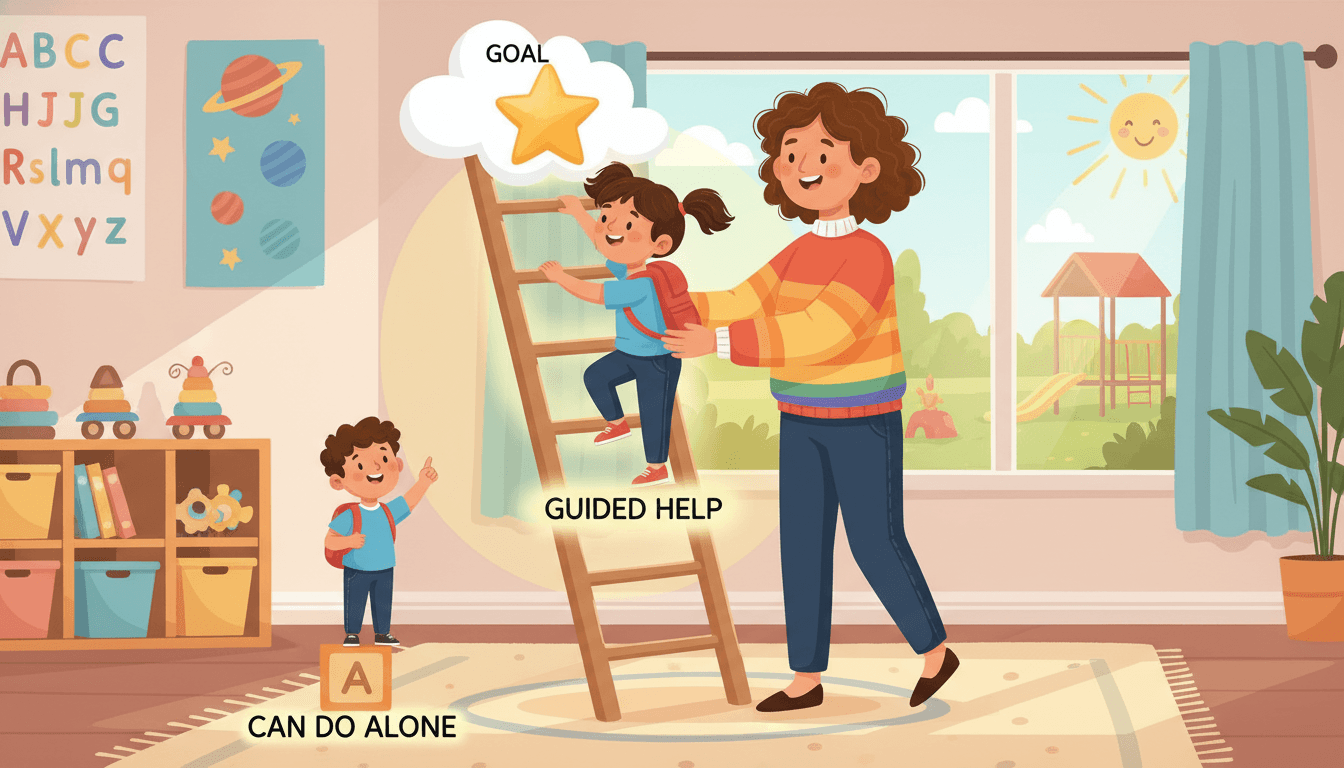
- The ZPD is the gap between what a student can do alone and what they can do with skilled support.
- Teaching in the ZPD - slightly beyond current ability but reachable with help - maximizes learning.
- Vygotsky argued that learning drives development, not the other way around.
- Scaffolding is the support teachers provide to help students work within their ZPD.
What Is the Zone of Proximal Development?
The Zone of Proximal Development (ZPD) is a foundational concept in educational psychology introduced by Soviet psychologist Lev Vygotsky (1896-1934). It describes the gap between what a learner can do independently and what they can achieve with skilled guidance and support.
In Vygotsky's words: "the distance between the actual developmental level as determined by independent problem solving and the level of potential development as determined through problem solving under adult guidance or in collaboration with more capable peers."
The Three Zones of Learning
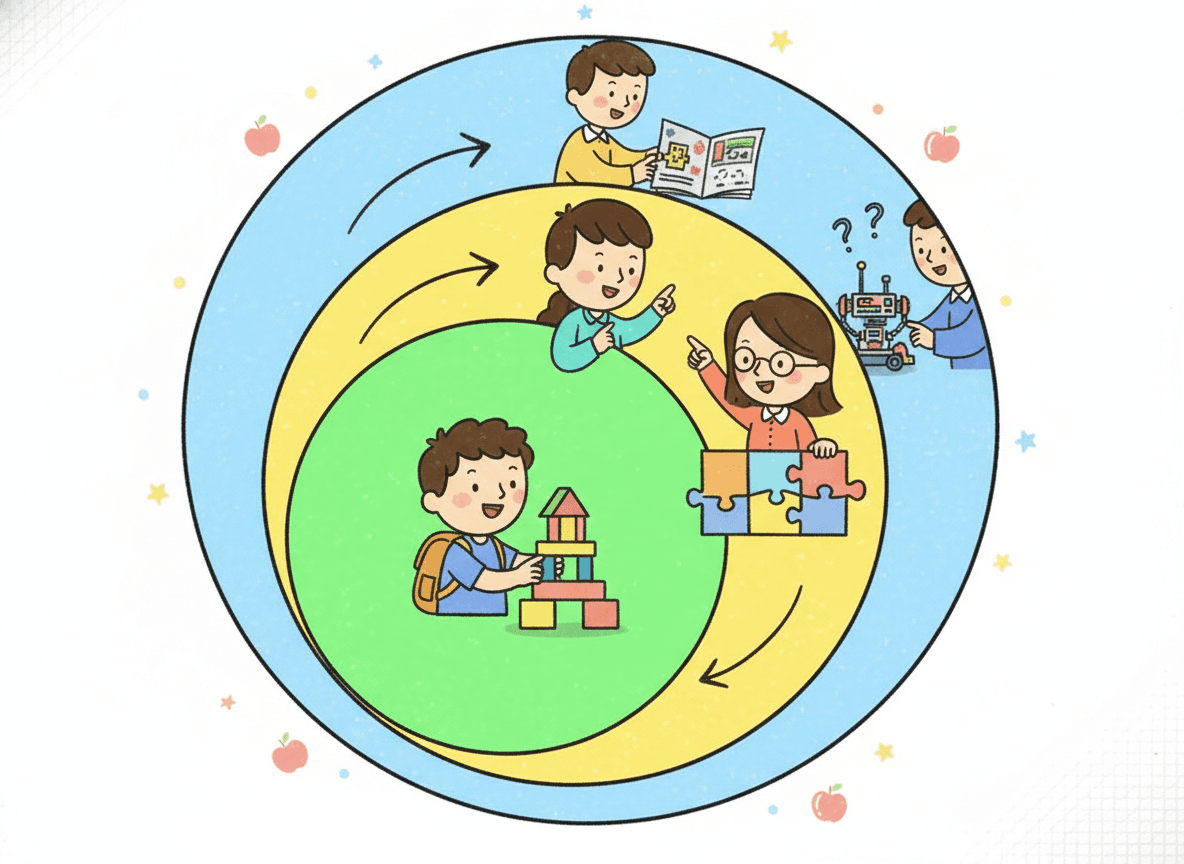
Vygotsky's framework implies three zones:
Zone 1: What students can do independently Tasks already mastered. No support needed. If instruction stays here, there is no growth - only practice of existing skills.
Zone 2: The ZPD - what students can do with support Tasks that are beyond current independent ability but achievable with guidance. This is the sweet spot for instruction. The task is challenging enough to require effort and support, but not so far beyond reach that support can't bridge the gap.
Zone 3: What is currently beyond reach Tasks too advanced even with support. Working here is frustrating and unproductive - the scaffolding has nothing to connect to.
The key insight: the most productive learning happens in Zone 2 - the ZPD. Too easy = no growth. Too hard = frustration. Just right = maximum development.
Vygotsky's Core Claim: Learning Leads Development
Vygotsky made a counterintuitive argument: learning does not wait for development - learning drives development. A child who is not yet independently capable of reading at a higher level can be pulled forward by instruction and support at that level. The experience of working at the edge of capability, with help, is what creates growth.
This challenged the assumption that teachers should wait until a student is "developmentally ready" for harder content - and has shaped modern thinking about high expectations + strong support.
Scaffolding and the ZPD
Scaffolding is the practical mechanism through which ZPD theory becomes classroom practice. Scaffolding includes:
- Think-alouds (modeling the invisible thinking process)
- Graphic organizers (structuring tasks)
- Sentence frames (providing language support)
- Guided reading and conferences (targeted, responsive instruction)
- Strategic questioning (hints and prompts rather than answers)
- Partner work (a peer as the "more capable other")
Crucially, scaffolding is temporary. As students develop independence, scaffolding is gradually removed - a process called "fading."
ZPD in Practice: Examples
Reading: A student who reads independently at level J (instructional level K-L) is placed in a guided reading group at level K. With teacher support - pre-teaching vocabulary, discussion before reading, prompts during reading - the student can access the harder text and develop toward independent reading at level K.
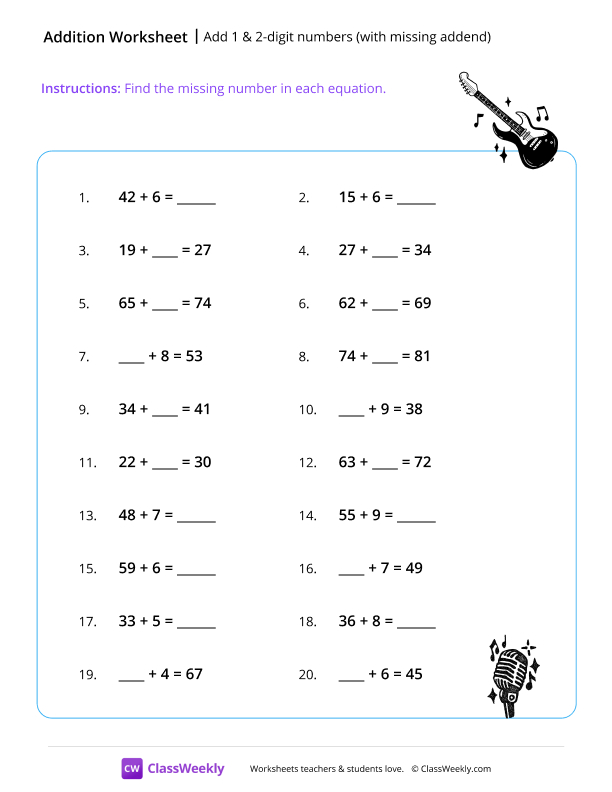
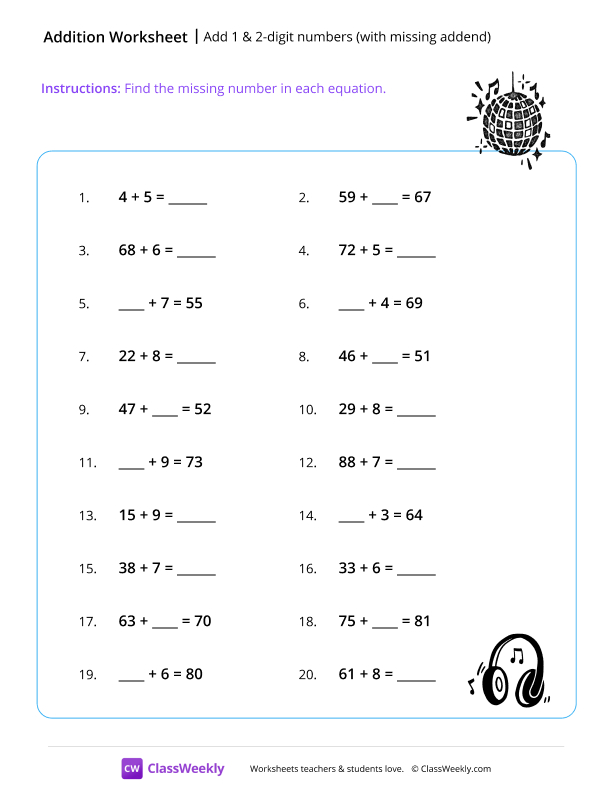
Math: A student who understands addition but is just beginning multiplication receives scaffolding through arrays and manipulatives - connecting new learning to existing understanding until the concept is internalized.
Writing: A student who can write sentences but struggles with paragraphs receives a graphic organizer and a writing conference - enough support to produce a paragraph, building the skill until the organizer is no longer needed.
Practice Activities
- Use assessment data to identify each student's independent level in reading, then target guided reading groups at the instructional level (ZPD).
- In math, try "gradual release" within a lesson: I do, We do, You do together, You do alone. The arc from full support to independence is a ZPD journey in miniature.
- Teach students about the ZPD using age-appropriate language: "We're going to try something that's a little hard - and that's the point. Hard things with help is how we get smarter."
- Offer challenge tasks during independent work that are slightly beyond what students can do alone - with the option to ask for a "hint card" (scaffolding) rather than giving up.
Frequently Asked Questions
What is the Zone of Proximal Development?
The Zone of Proximal Development (ZPD), introduced by Soviet psychologist Lev Vygotsky in the 1930s, is the space between what a learner can do independently (their current level) and what they can do with the guidance of a more capable person (their potential level). Vygotsky argued that the most productive learning happens in this zone - tasks that are challenging enough to require support, but not so difficult that support doesn't help.
How is the ZPD related to scaffolding?
Scaffolding is the instructional support teachers (or more capable peers) provide to help students work within their ZPD. Just as construction scaffolding is temporary - removed when the building is complete - instructional scaffolding is gradually removed as the learner becomes more capable. The goal of scaffolding is not to do the work for the student, but to provide just enough support so they can almost do it themselves.
How do teachers use the ZPD in practice?
Teachers use the ZPD by: assessing where each student currently is (their independent level), identifying what is just beyond that (their potential with support), and designing instruction that bridges the gap. In reading, guided reading groups target the ZPD - texts that are instructional level (challenging but not frustrating). In math, teachers provide manipulatives and think-alouds as scaffolding before removing those supports as students master concepts.
Free Zone of Proximal Development Worksheets
Curriculum-aligned printable worksheets for Kindergarten – 5th Grade. Download free.