What Is Active Voice and Passive Voice?
Taught in US schools
Key Takeaways
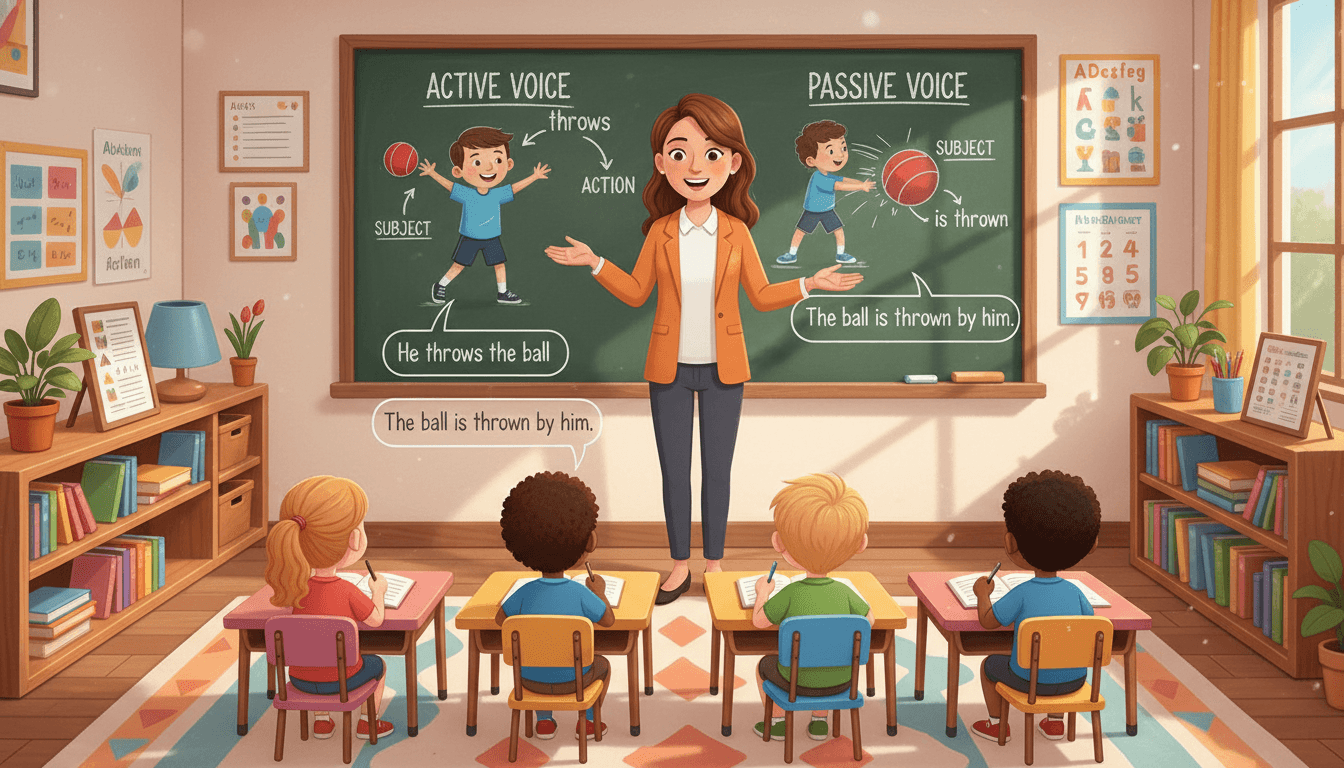
- In active voice, the subject does the action: 'The dog chased the ball.'
- In passive voice, the subject receives the action: 'The ball was chased by the dog.'
- Active voice is usually clearer, stronger, and preferred in most writing.
- Passive voice has a place - when the doer is unknown, unimportant, or intentionally hidden.
What Is Active Voice?
In active voice, the subject of the sentence performs the action expressed by the verb.
Active: The cat knocked over the vase.
The subject (the cat) is doing the knocking. The sentence moves forward: who did it → what they did → what was affected.
Active voice is the default in most English writing. It's direct, clear, and usually shorter.
What Is Passive Voice?
In passive voice, the subject receives the action rather than performing it. Passive sentences typically use a form of to be (was, were, is, are, been) plus a past participle.
Passive: The vase was knocked over by the cat.
The subject (the vase) didn't do anything - it was acted upon. The agent (the cat) often moves to the end or disappears entirely:
Passive (no agent): The vase was knocked over.
How to Spot and Fix Passive Voice
Clues that a sentence is passive:
- Contains "was," "were," "is being," "has been," or "will be" + a past participle
- The real doer of the action comes after "by" - or is missing entirely
To convert passive → active:
- Find the real doer (even if hidden)
- Make the doer the subject
- Rewrite the verb in active form
The homework was completed by the students.: The students completed the homework.
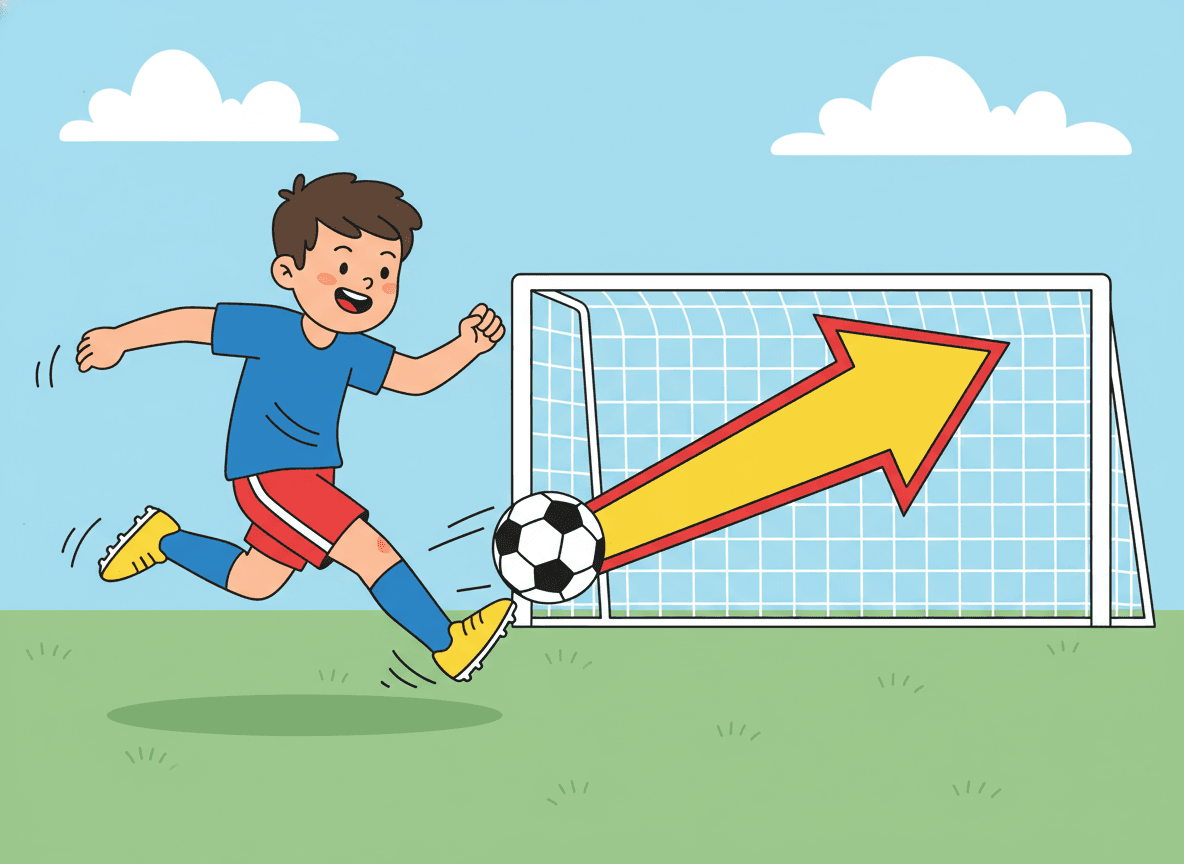
The ball was kicked by Jaylen.: Jaylen kicked the ball.
Mistakes were made.: We made mistakes.
When Passive Voice Is the Right Choice
Passive voice isn't always wrong. Use it when:
- The doer is unknown: "The treasure was buried centuries ago."
- The doer is obvious or unimportant: "The suspect was arrested."
- You want to emphasize the receiver: "The award was given to the youngest student in school history."
- In science writing: "The solution was heated to 100°C."
Practice Activities
- Give students 5 passive sentences and ask them to rewrite each in active voice.
- Play "Who did it?" - students read a passive sentence and identify the hidden doer.
- Have students scan a paragraph from their own writing and highlight any passive constructions, then decide: fix it or keep it?
- Write two versions of the same event (active and passive) and discuss which version feels stronger and why.
Frequently Asked Questions
What is active voice?
Active voice is when the subject of a sentence performs the action. Example: 'Maria wrote the report.' Maria is the subject and she is doing the writing. Active voice is direct, clear, and energetic.
What is passive voice?
Passive voice is when the subject of a sentence receives the action instead of performing it. Example: 'The report was written by Maria.' The report is now the subject, but it isn't doing anything - it's being acted upon. Passive voice often uses a form of 'to be' plus a past participle.
When should students use passive voice?
Passive voice is appropriate when the doer of the action is unknown ('The window was broken'), unimportant ('The rules were established in 1990'), or when you want to emphasize the receiver of the action rather than the performer. Science writing often uses passive voice intentionally.
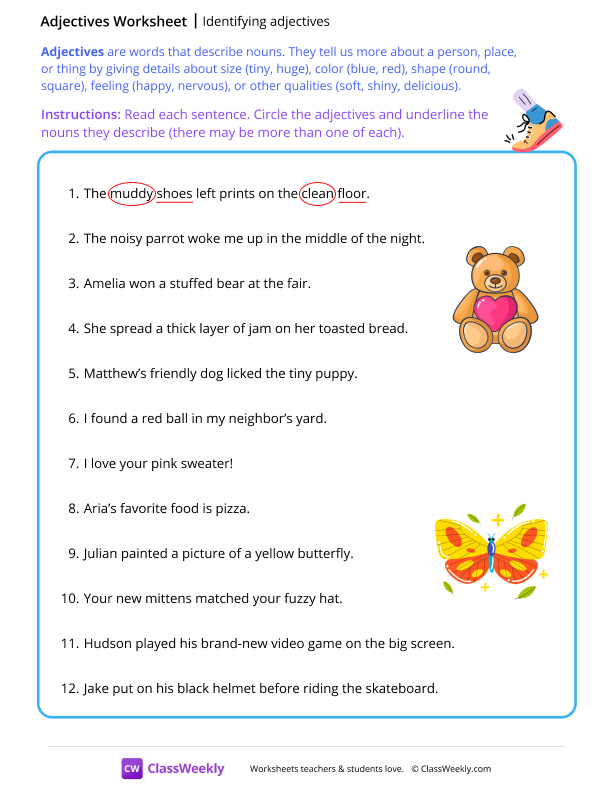
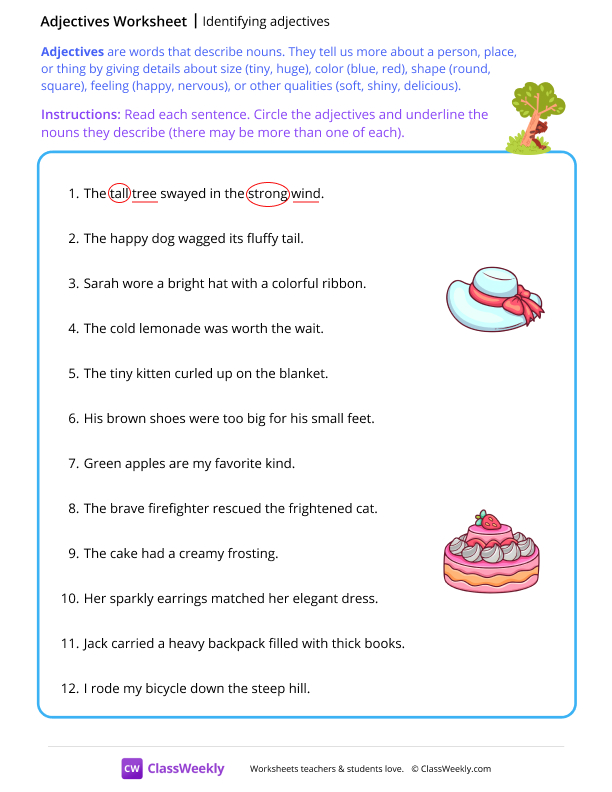
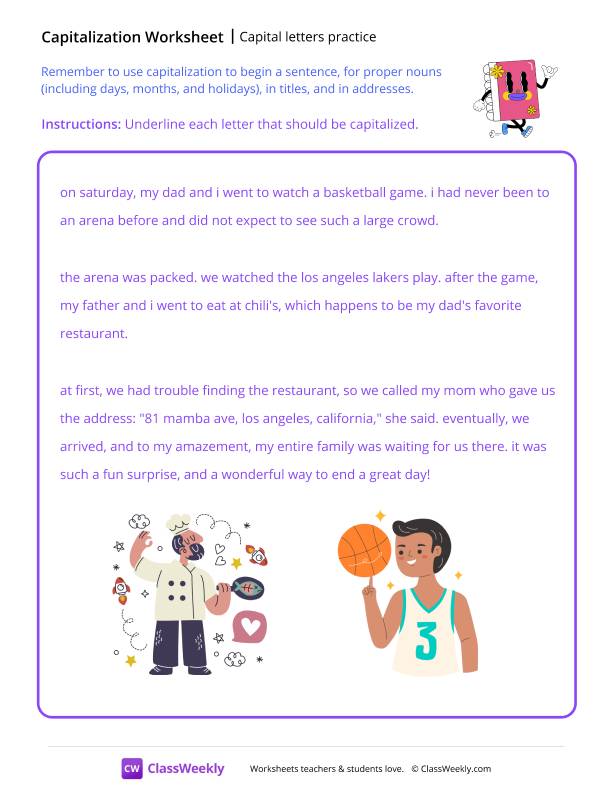
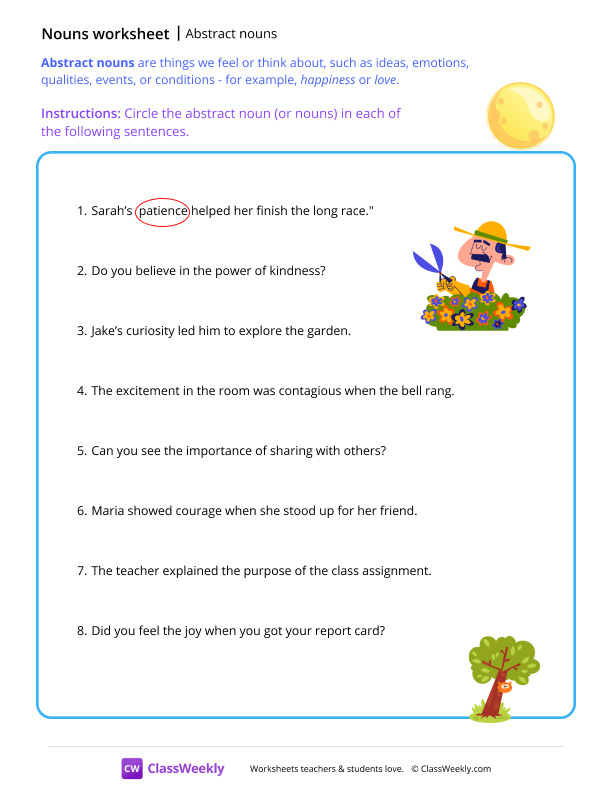
Free Active Voice and Passive Voice Worksheets
Curriculum-aligned printable worksheets for 3rd – 5th Grade. Download free.