What Is an Allusion?
Taught in US schools
Key Takeaways
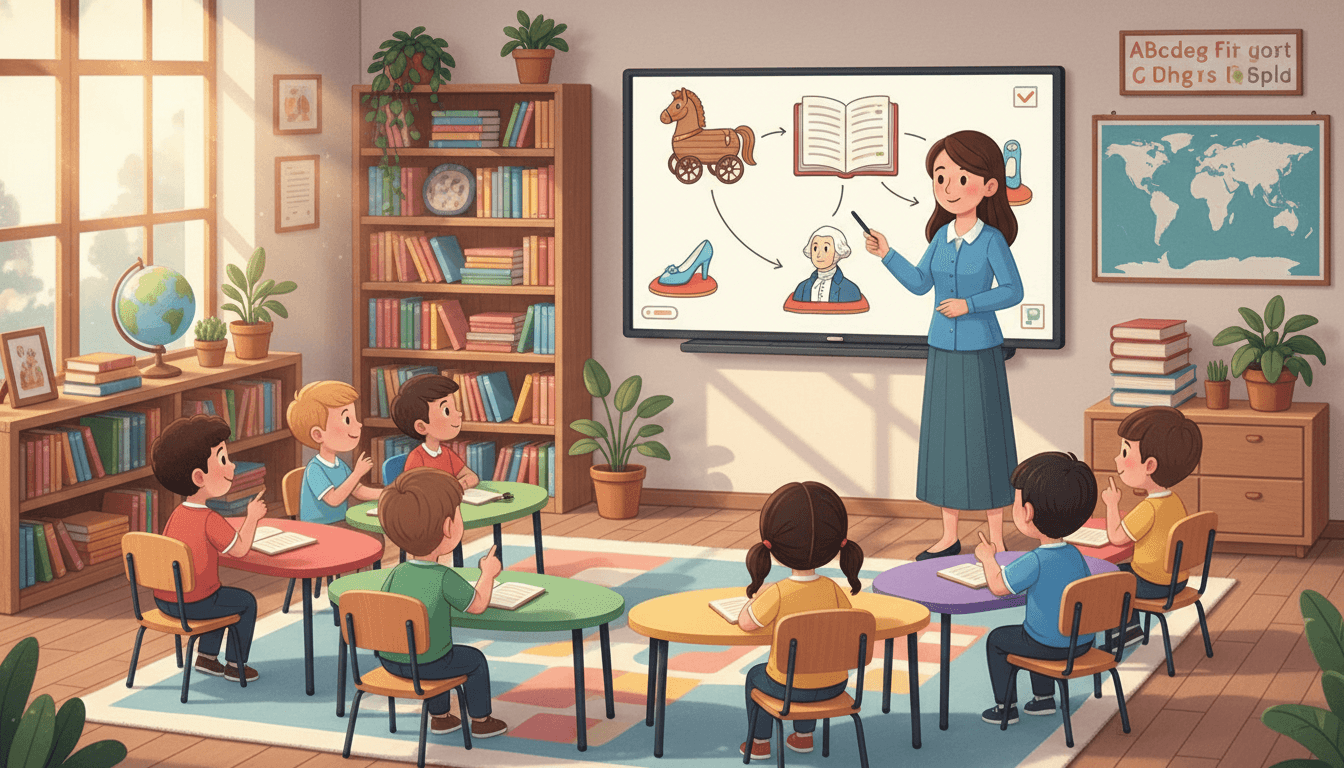
- An allusion is a brief, indirect reference to something the reader is expected to recognize.
- Allusions can reference history, mythology, the Bible, other literature, or pop culture.
- Understanding allusions requires background knowledge - the more you read, the more allusions you catch.
- Writers use allusions to add meaning, depth, or humor without spelling everything out.
What Is an Allusion?
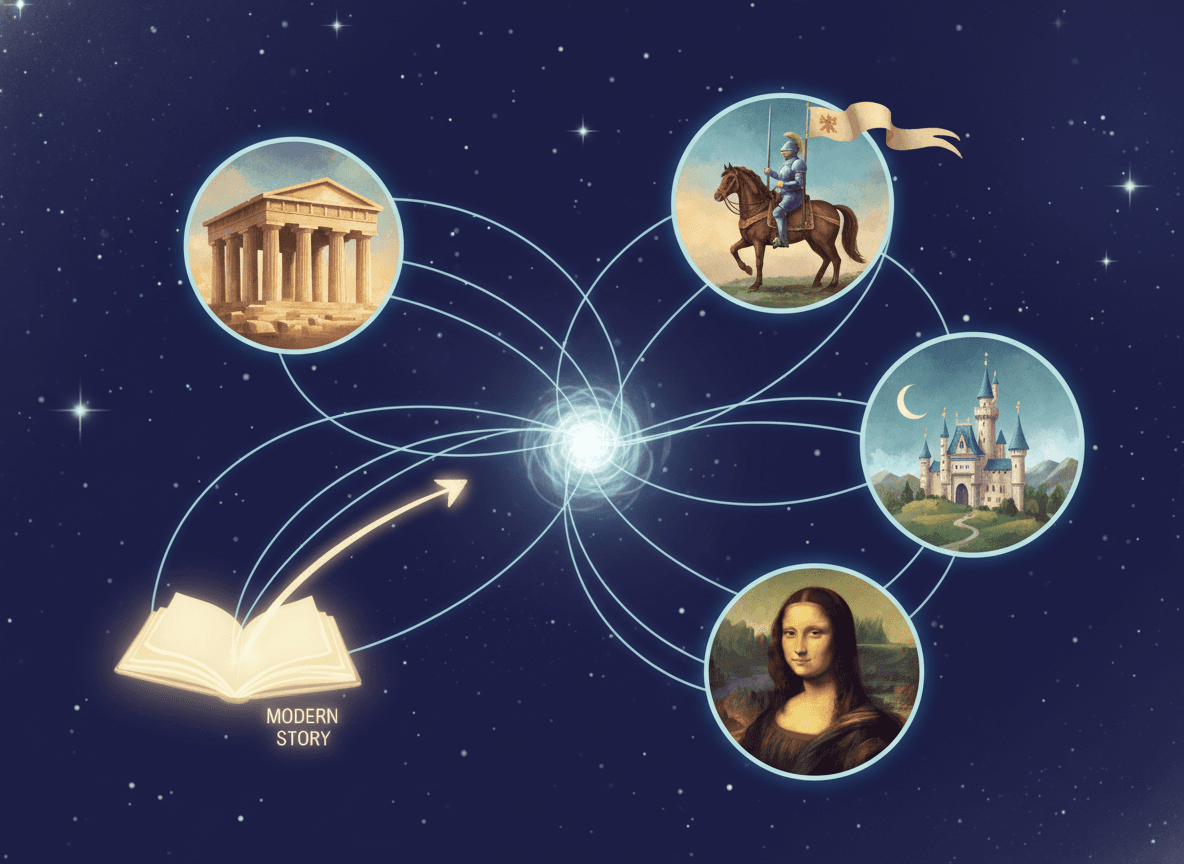
An allusion is an indirect reference to a well-known person, place, event, story, or idea. The writer does not explain the reference in full - they simply mention it and trust that readers will recognize it and bring their own knowledge to the text.
Allusions work like shortcuts. Instead of describing someone as "a person of legendary intelligence who transformed how we understand the universe," a writer might simply say, "He was the Einstein of his generation." One word does the work of many.
Types of Allusions
Biblical allusions - References to stories or figures from the Bible.
"This classroom has become a Garden of Eden for troublemakers."
Mythological allusions - References to Greek, Roman, or other myths.
"Her singing voice was so beautiful it was almost a siren song - impossible to resist."
Historical allusions - References to historical events or figures.
"The long wait felt like crossing the Sahara on foot."
Literary allusions - References to other books, poems, or stories.
"He was the class bully - a real Captain Hook."
Pop culture allusions - References to movies, music, sports, or media.
"Finding that missing sock was like searching for the Holy Grail." (also mythological)
Why Writers Use Allusions
Allusions compress meaning. They allow a single phrase to carry layers of association - emotion, history, character, theme - that would take paragraphs to explain directly.
They also create a sense of connection between writer and reader. When a reader catches an allusion, they feel a small spark of recognition - a "got it" moment that deepens engagement with the text.
For students, allusions are a reminder that reading widely pays off. The more stories, history, and cultural knowledge a reader brings, the richer every new text becomes.
Practice Activities
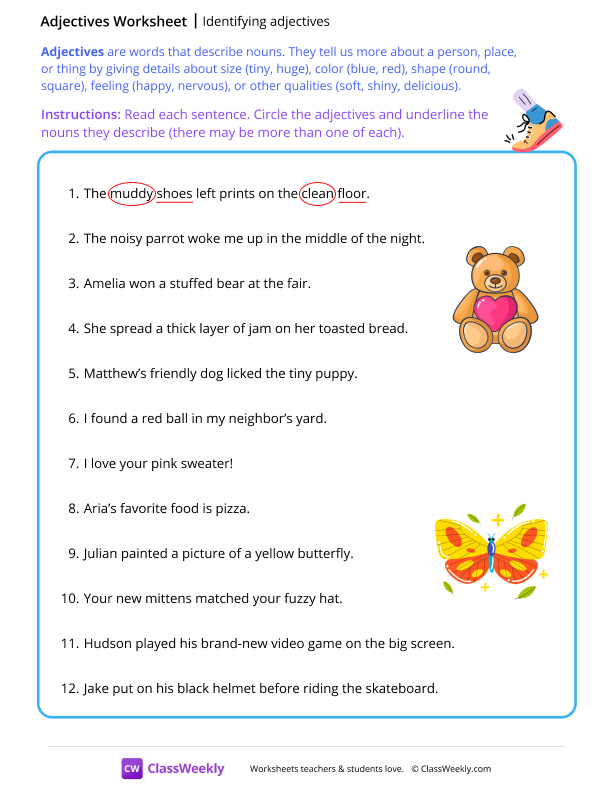
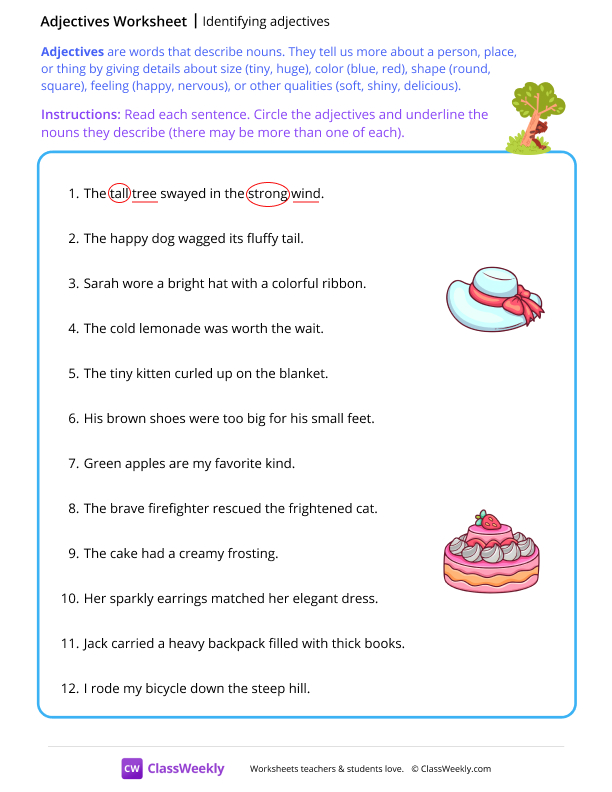
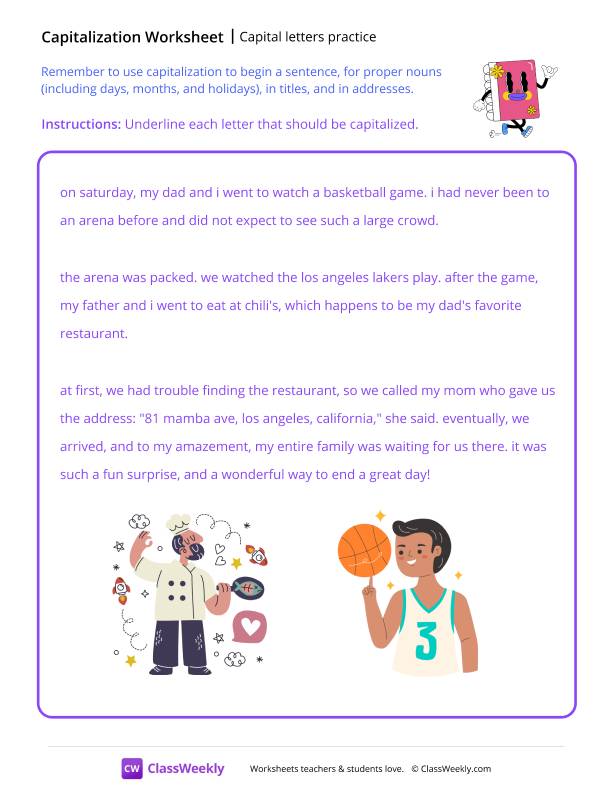
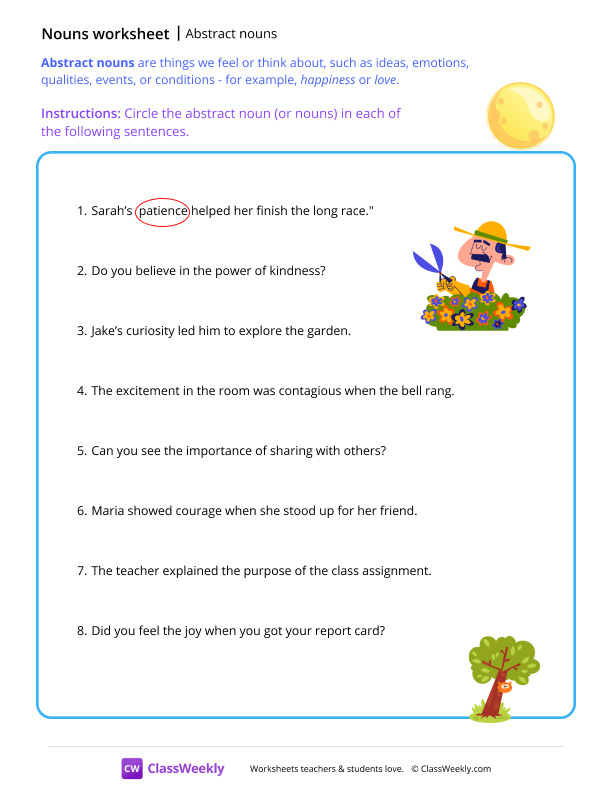
- Give students a list of common allusions ("Pandora's box," "a wolf in sheep's clothing," "David vs. Goliath") and ask them to match each to its source.
- Read a picture book or poem and identify any allusions together as a class. Discuss: what does the allusion add to the meaning?
- Have students write a sentence using a character from a book they've read as an allusion. ("She faced her fear like Hermione facing a troll.")
- Create an "allusion wall" where students post allusions they spot in books, articles, or everyday speech throughout the year.
Frequently Asked Questions
What is an allusion in literature?
An allusion is when a writer briefly references something well-known - a historical event, a famous person, a myth, another book - without explaining it in full. The reference adds meaning because readers bring their own knowledge to it. For example, calling someone 'a real Einstein' alludes to Albert Einstein's famous intelligence.
What is the difference between an allusion and a reference?
A reference is direct and explicit - the writer names and explains what they are talking about. An allusion is indirect - the writer drops a hint and trusts the reader to recognize it. Allusions work because of shared cultural knowledge.
What are examples of allusions kids would recognize?
Calling something 'your Achilles heel' (Greek myth), saying a messy room looks 'like a tornado hit it' (cultural reference), or a book character being described as 'the Cinderella of her family' are all allusions. Pop culture allusions - to Disney films, well-known books, or famous athletes - appear frequently in modern children's literature.
Free Allusion Worksheets
Curriculum-aligned printable worksheets for 3rd – 5th Grade. Download free.
Common Core Standards