What Is Argumentative Writing?
Taught in US schools

Key Takeaways
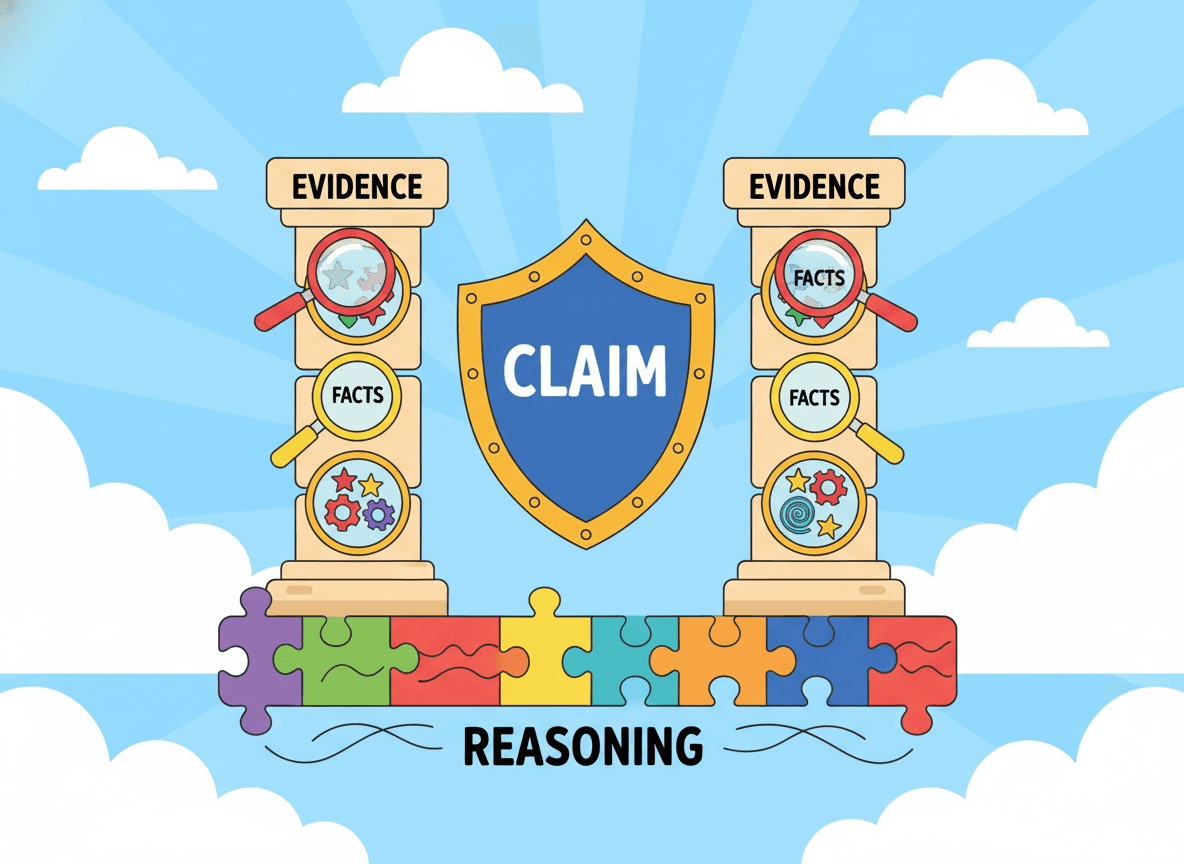
- Argumentative writing makes a claim and backs it with evidence and reasoning.
- It acknowledges counterarguments and refutes them - a key distinction from opinion writing.
- Evidence comes from facts, data, expert sources, and examples - not feelings.
- The structure: introduction + claim, evidence + reasoning, counterargument + rebuttal, conclusion.
What Is Argumentative Writing?
Argumentative writing is a type of nonfiction writing in which the writer takes a clear position on a debatable topic and supports that position with evidence, reasoning, and logical structure.
Unlike a personal essay or opinion piece, an argumentative piece does not rely on emotions or personal preferences. It asks: What does the evidence say? What do credible sources support? What does the other side believe, and why is my argument stronger?
Argumentative vs. Persuasive Writing
These two types of writing are often confused because both aim to convince the reader. Here's the key difference:
Primary tool: Evidence + logic
Acknowledges other side?: Yes - required
Tone: Formal, objective
Sources cited?: Yes At grades 4–5, students move from opinion writing ("I think…") toward evidence-based argument ("According to…, the data shows…").
Structure of an Argumentative Essay
1. Introduction + Claim Open with context about the topic, then state your claim (also called a thesis). The claim should be debatable - not a statement of fact.
- Weak: "Dogs are animals." (not debatable)
- Strong: "Schools should allow students to keep classroom pets because it improves responsibility and reduces stress."
2. Evidence + Reasoning Each body paragraph presents one piece of evidence and explains how it supports your claim. Evidence can come from:
- Facts and statistics
- Expert opinions
- Research studies
- Real-world examples
Don't just present evidence - explain the so what. "This shows that…" or "This matters because…"
3. Counterargument + Rebuttal Acknowledge what someone who disagrees might say. Then explain why the evidence for your position is stronger. This is what elevates argumentative writing above simple opinion writing.
"Some people believe that classroom pets are a distraction. However, studies show that structured animal care activities actually improve student focus and reduce anxiety in high-stress environments."
4. Conclusion Restate your claim in new words and leave the reader with a final thought - a call to action, a broader implication, or a memorable closing statement.
Practice Activities
- Give students two articles presenting opposite sides of an issue (school uniforms, longer recess, etc.) and have them write a three-paragraph argument using evidence from the texts.
- Practice writing rebuttals: give students a counterargument and ask them to write a response using "While it is true that… the evidence shows…"
- Use a graphic organizer: claim → 2-3 pieces of evidence → counterargument → rebuttal → conclusion.
- Debate first, write second - a brief verbal debate helps students find and test their evidence before committing to paper.
Frequently Asked Questions
What is argumentative writing?
Argumentative writing is a type of writing where the author takes a clear position on a debatable issue and supports it with evidence, logical reasoning, and acknowledgment of opposing views. It is grounded in facts and sources, not feelings. Example prompt: 'Should schools require students to wear uniforms? Write an argument using evidence to support your position.'
What is the difference between argumentative and persuasive writing?
Both try to change the reader's mind, but they use different tools. Persuasive writing can use emotional appeals, personal stories, and rhetoric. Argumentative writing relies primarily on evidence, logic, and reasoning. Argumentative writing also requires addressing counterarguments - acknowledging what the other side believes and explaining why your evidence is stronger.
What grade level is argumentative writing introduced?
The Common Core standards introduce opinion writing in grades K-3 and transition to formal argumentative writing in grades 4-5, where students are expected to use evidence, acknowledge counterarguments, and maintain a formal style.
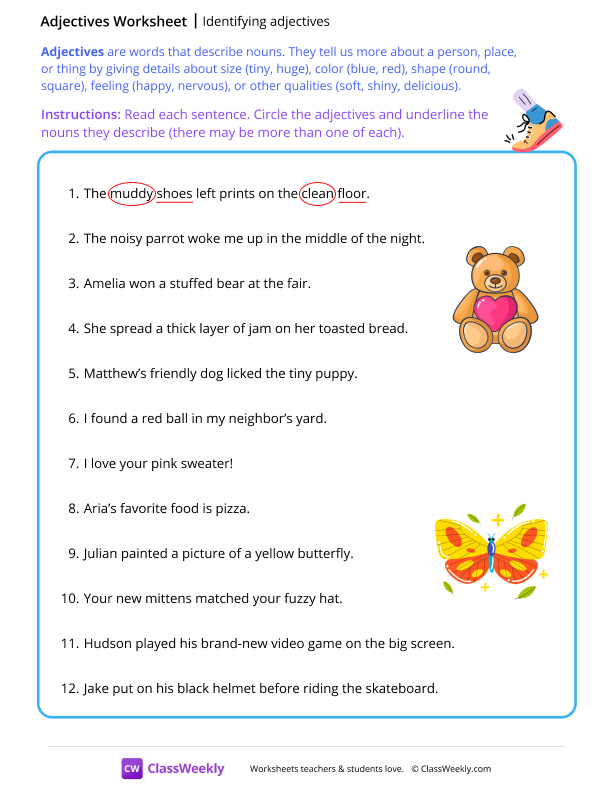
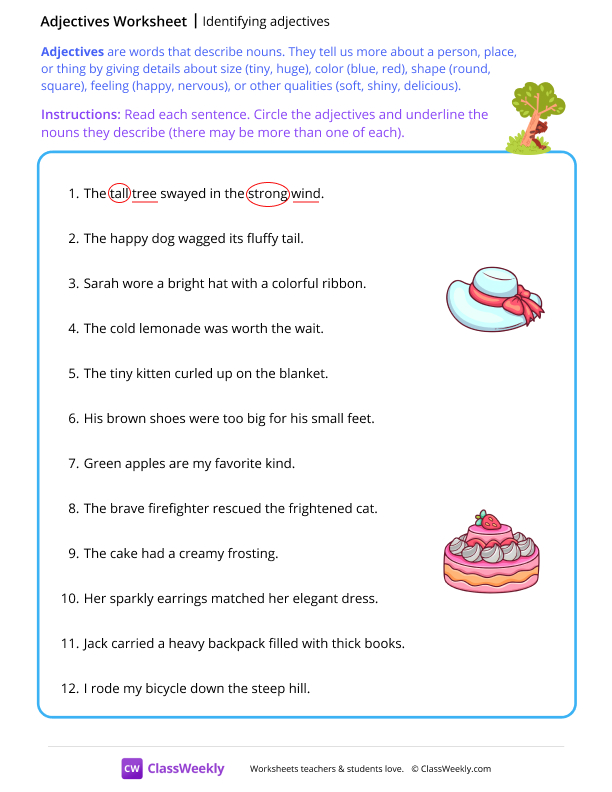
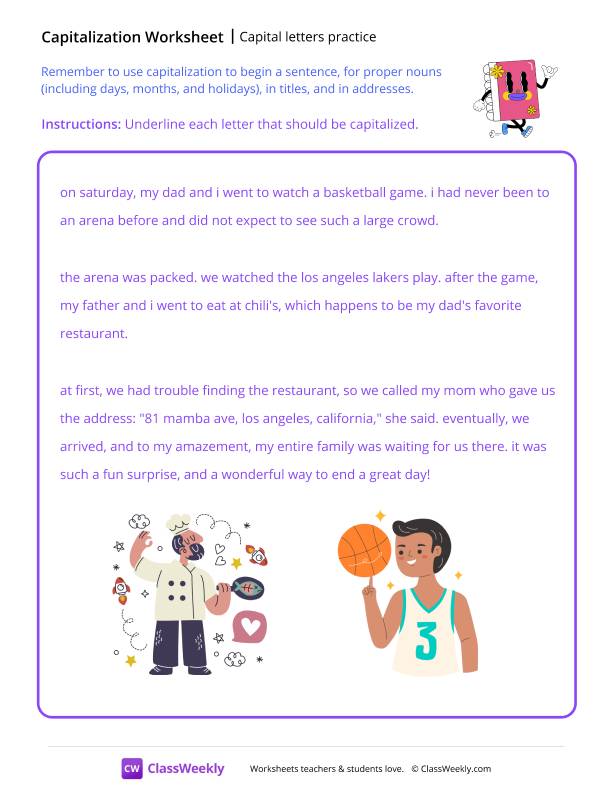
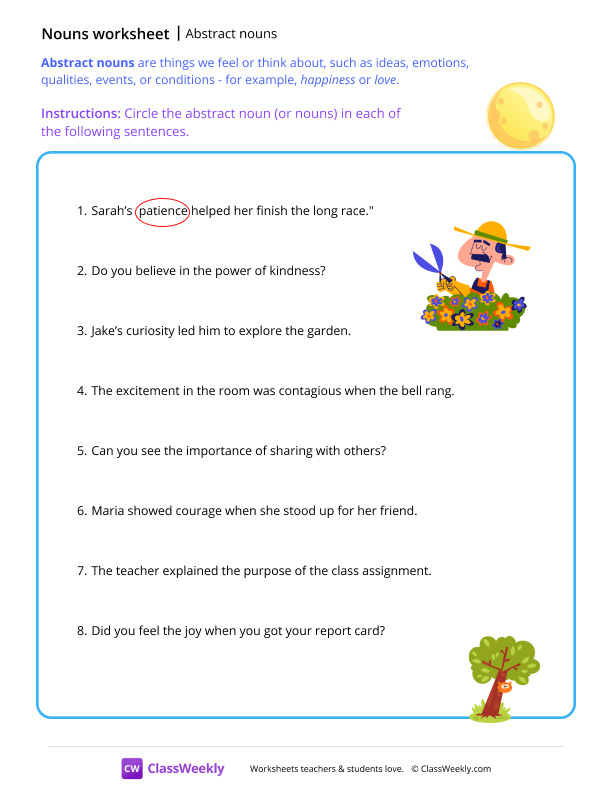
Free Argumentative Writing Worksheets
Curriculum-aligned printable worksheets for 4th – 5th Grade. Download free.