What Is Brainstorming in Writing?
Taught in US schools
Key Takeaways
- Brainstorming is the first step of the writing process - generating ideas freely before drafting.
- During brainstorming, quantity matters more than quality - no idea should be dismissed yet.
- Common brainstorming strategies include listing, webbing, free writing, and the 5 W's.
- Brainstorming prevents writer's block and gives students raw material to select from when drafting.
What Is Brainstorming?
Brainstorming is a prewriting strategy for generating ideas quickly and freely, without judgment or editing. The goal during brainstorming is quantity over quality - capturing as many possibilities as possible, then selecting and refining the best ideas later.
Brainstorming is the first stage of the writing process (prewriting) and is one of the most important tools for helping students overcome writer's block, discover unexpected ideas, and approach writing with confidence.
Common Brainstorming Strategies
Listing: Rapid-fire list of ideas, one after another.
- Topic: "things that make me happy"
- sunshine, my dog, Friday afternoon, pizza, finishing a good book, the smell of rain...
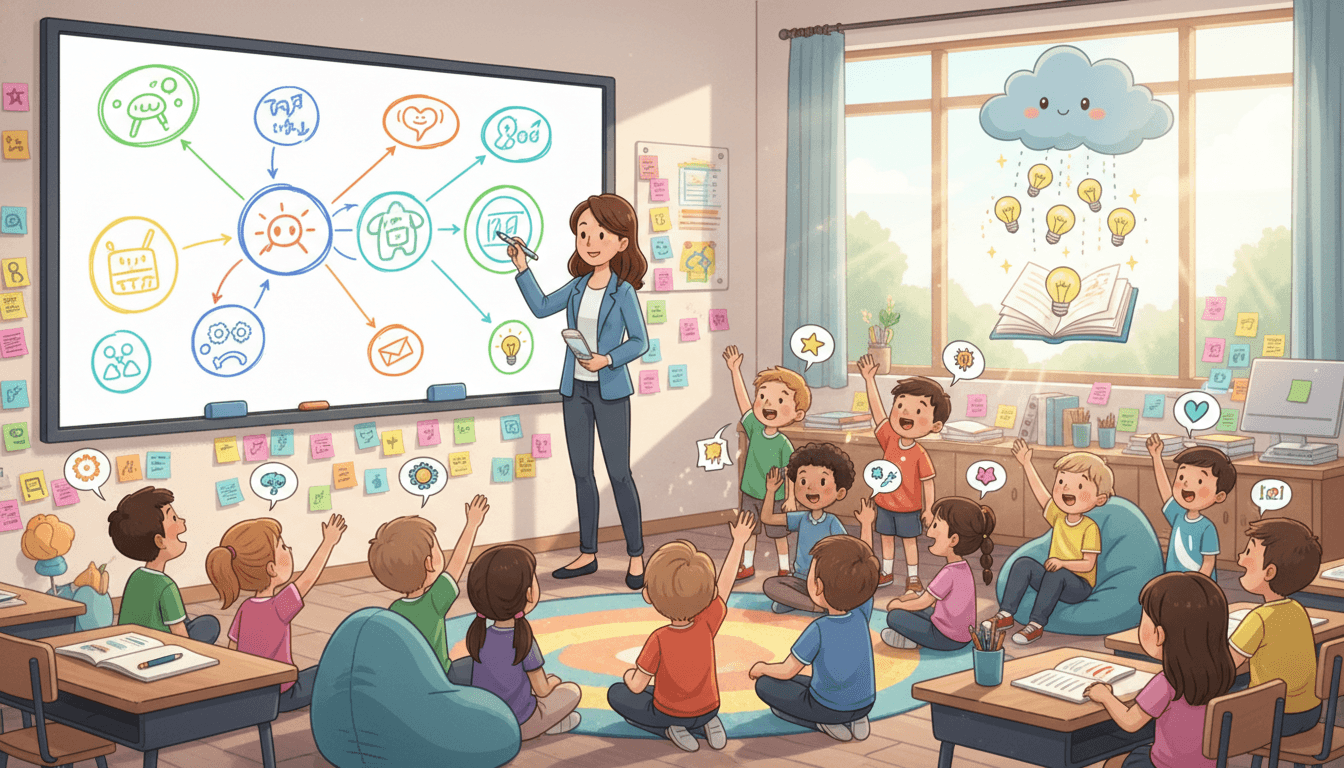
Webbing / Mind Map: Central idea in the middle; related ideas in bubbles connected by lines. Sub-ideas branch from those. Great for showing relationships between ideas.
Free Writing: Write continuously for 2–5 minutes without stopping, without worrying about grammar or spelling. The goal is to keep the pen moving.
5 W's + H: Who? What? When? Where? Why? How? - Used to explore a topic from multiple angles, especially for informational writing.
Drawing: Sketch ideas, characters, or scenes before writing about them. Works especially well for visual or narrative writers.
Turn and Talk: Discuss ideas with a partner verbally before writing them down. Talking often surfaces ideas that writing doesn't.
Brainstorming in the Writing Process
Prewriting: Brainstorm → Choose → Plan → Organize
Drafting: Write using the plan
Revising: Improve content, structure, ideas
Editing: Fix grammar, spelling, mechanics
Publishing: Share the final piece Brainstorming belongs entirely in the prewriting stage - attempting to brainstorm and draft simultaneously typically leads to frustration and shallow ideas.
What Grade Do Kids Learn Brainstorming?
2nd grade (W.2.5): Students plan before writing with guidance and support.
3rd grade (W.3.5): Students plan, revise, and edit writing with support.
4th–5th grade (W.4.5, W.5.5): Students develop and strengthen writing by planning, revising, editing, and rewriting; use prewriting strategies independently.
Common Misconceptions
The first idea is always the best idea: Students often write the first thing that comes to mind without exploring further. Brainstorming teaches that the most interesting ideas often come after the obvious ones.
Brainstorming means talking: While talking is useful, brainstorming in writing means generating ideas on paper. Written brainstorming is visible, revisable, and shareable - important advantages.
You have to use everything you brainstorm: Brainstorming is generative, not committal. Students choose the best ideas from their list - a full brainstorm with only a few ideas selected is a success.
Practice Activities
-
Timed listing: Set a timer for 2 minutes; students list as many ideas as possible for a given topic. Count the ideas; celebrate the largest lists.
-
Web creation: Model creating a mind map for a class topic; students create their own for an assigned prompt.
-
Idea ranking: After brainstorming 10 ideas, students circle their top 3 and explain why.
-
Free-write sharing: Students share one surprising or unexpected idea that came up during their free write.
-
Class brainstorm anchor chart: Whole-class brainstorm on a shared topic before individual writing.

Frequently Asked Questions
What is brainstorming in writing?
Brainstorming is a prewriting strategy for generating ideas before you start drafting. The goal is to write down as many thoughts as possible - freely, quickly, without judging or editing. You might end up with 20 ideas and use only 3, but the process of generating freely often produces unexpected and valuable directions that careful thinking alone would miss.
What are common brainstorming strategies for students?
Common strategies: (1) Listing - writing ideas one after another quickly. (2) Webbing/Mind map - central idea in the middle, related ideas branching out. (3) Free writing - writing non-stop for 2-5 minutes without lifting the pencil, not worrying about grammar. (4) The 5 W's - Who? What? When? Where? Why? to explore a topic from multiple angles. (5) Drawing - some students sketch ideas before writing them.
When does brainstorming happen in the writing process?
Brainstorming is the first stage of the writing process, part of 'prewriting.' The writing process stages are: Prewriting (brainstorm, plan, organize) → Drafting → Revising → Editing → Publishing. Brainstorming happens before any drafting begins. It's the idea-generation phase that feeds all subsequent stages.
Can brainstorming happen in groups?
Absolutely. Group brainstorming (sharing ideas with a partner or small group before writing independently) is a powerful strategy. Hearing others' ideas sparks new thoughts. However, students should transition to individual writing after group brainstorming, since each student develops their own piece. Group brainstorming is idea-generation, not co-authoring.
How does brainstorming help students with writer's block?
Writer's block often comes from trying to generate and edit ideas simultaneously. Brainstorming separates these processes: generate first (messy, fast, uncritical), then select and refine. When students have a full list of ideas in front of them, drafting feels less like starting from zero and more like choosing from an existing menu.
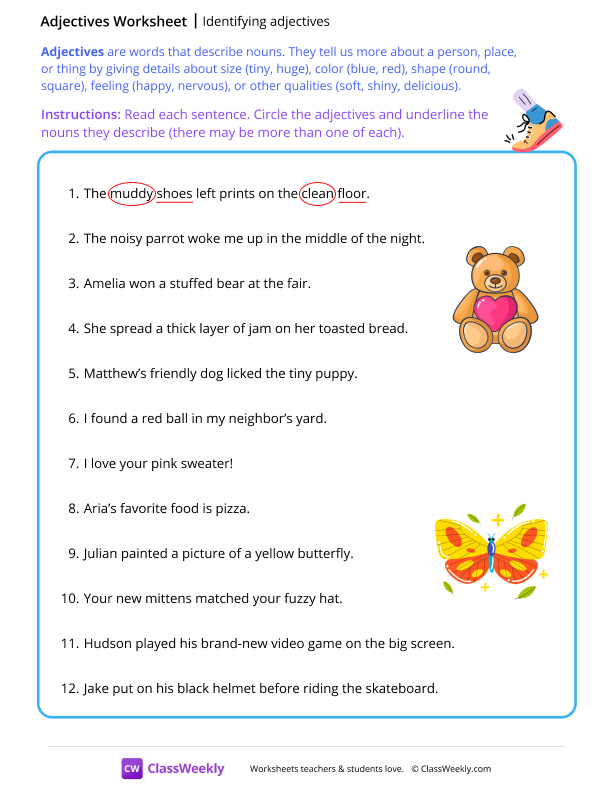
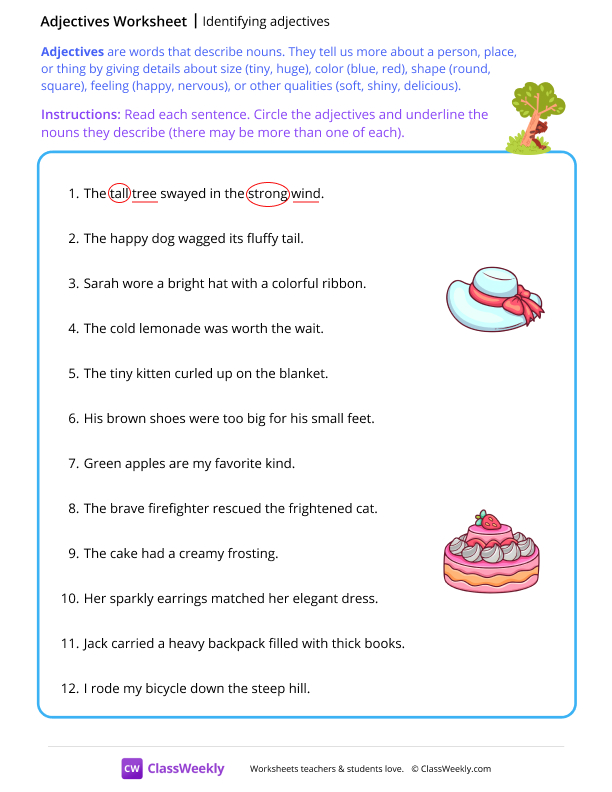
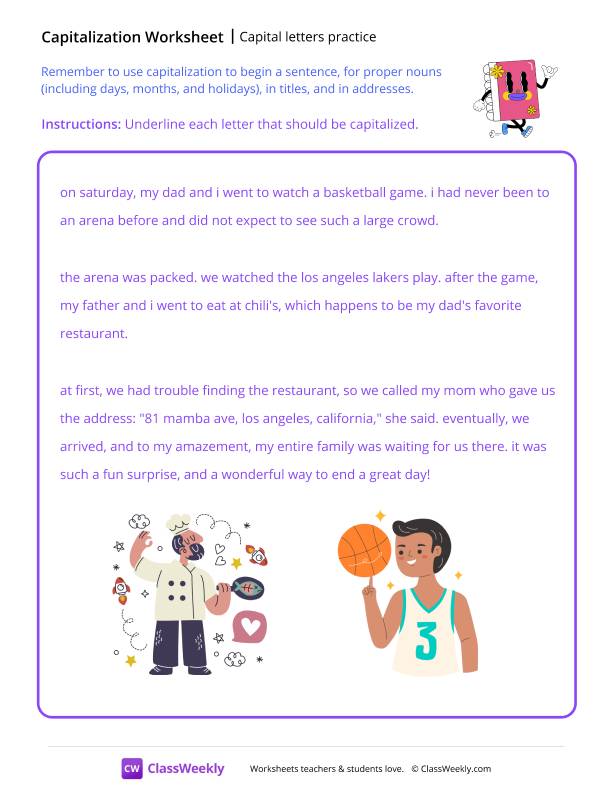
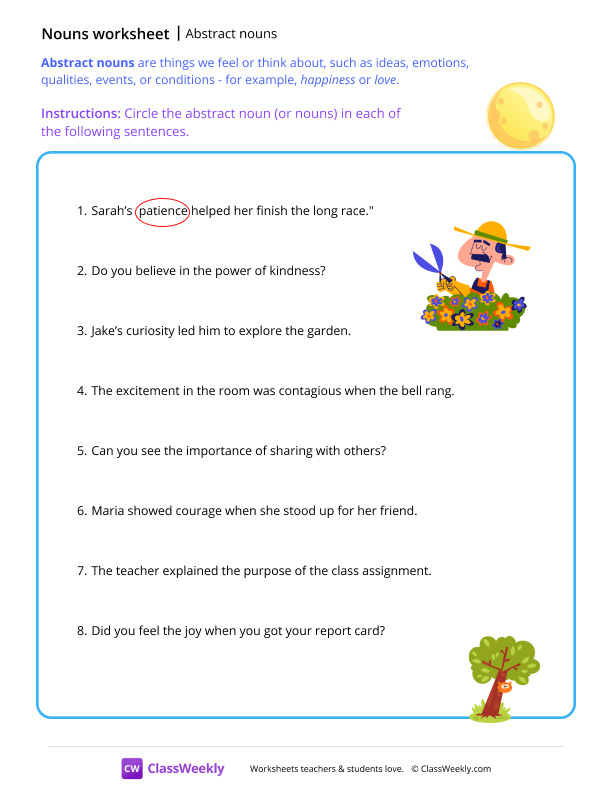
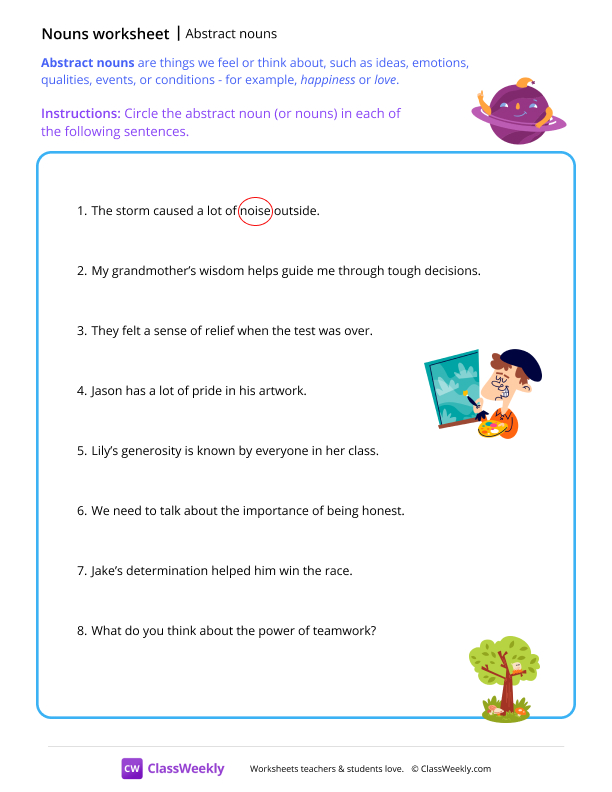
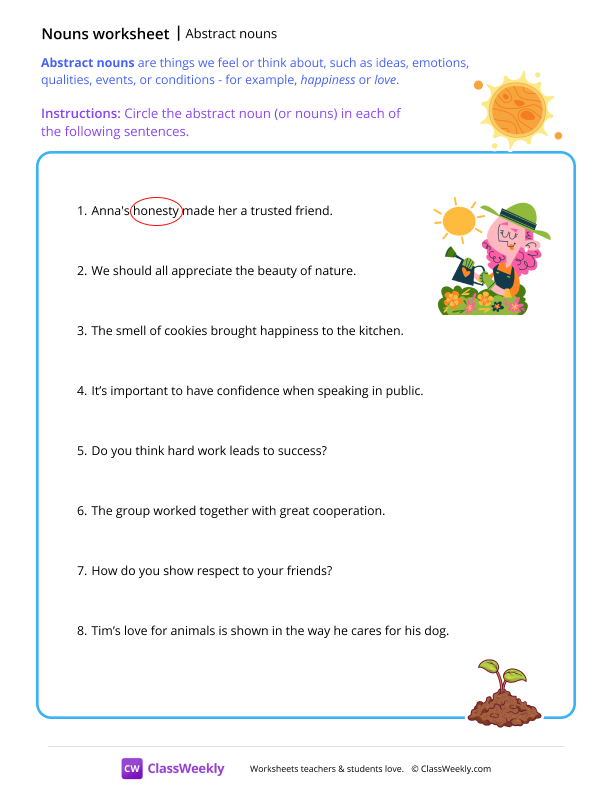
Free Brainstorming Worksheets
Curriculum-aligned printable worksheets for 2nd – 5th Grade. Download free.