What Is Creative Writing?
Taught in US schools
Key Takeaways
- Creative writing is writing that expresses imagination, personal voice, and original ideas.
- It includes fiction, poetry, personal narrative, scripts, and more.
- Creative writing develops voice, word choice, and a love of writing that transfers to all other forms.
- Students need regular low-stakes opportunities to write freely - not every piece needs to be polished.
What Is Creative Writing?
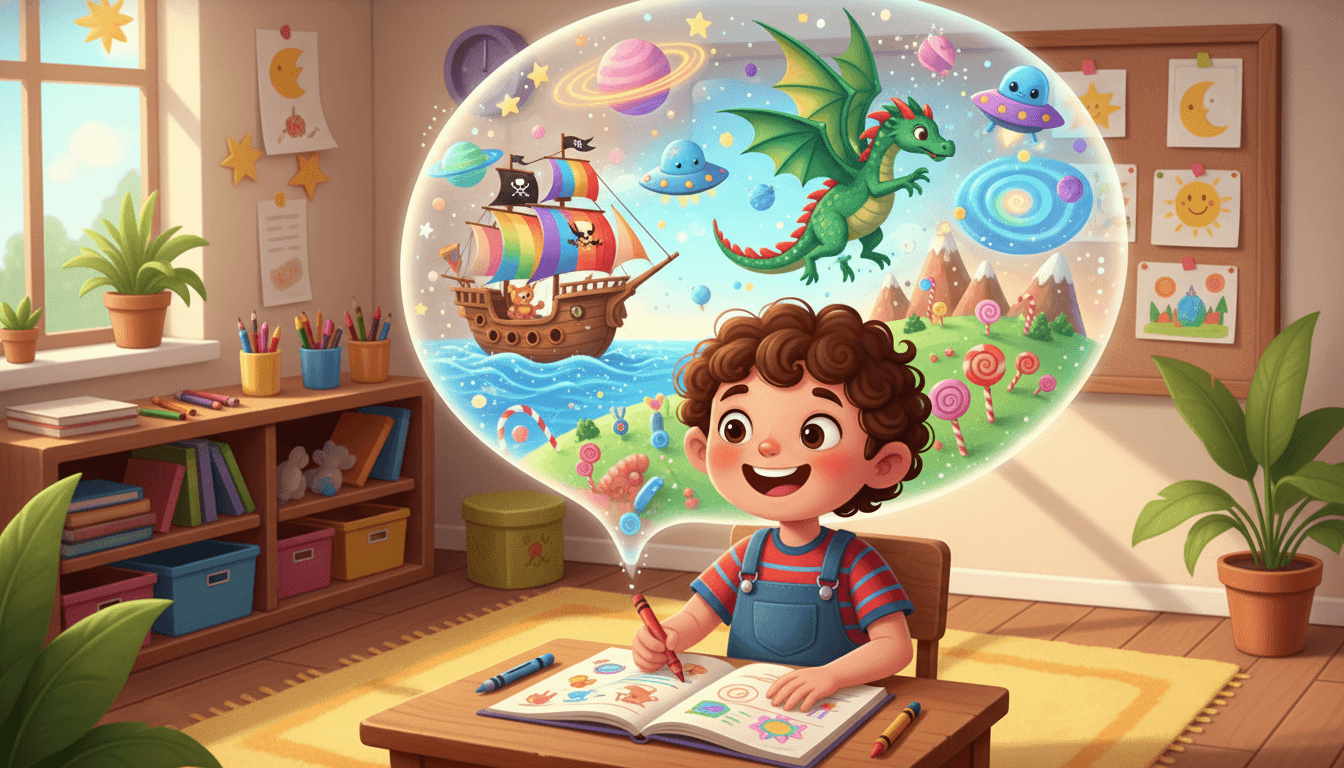
Creative writing is any form of writing driven by imagination, personal voice, and artistic intent rather than by the need to inform or persuade. It's writing where the writer has creative control: what to say, how to say it, and what form to use.
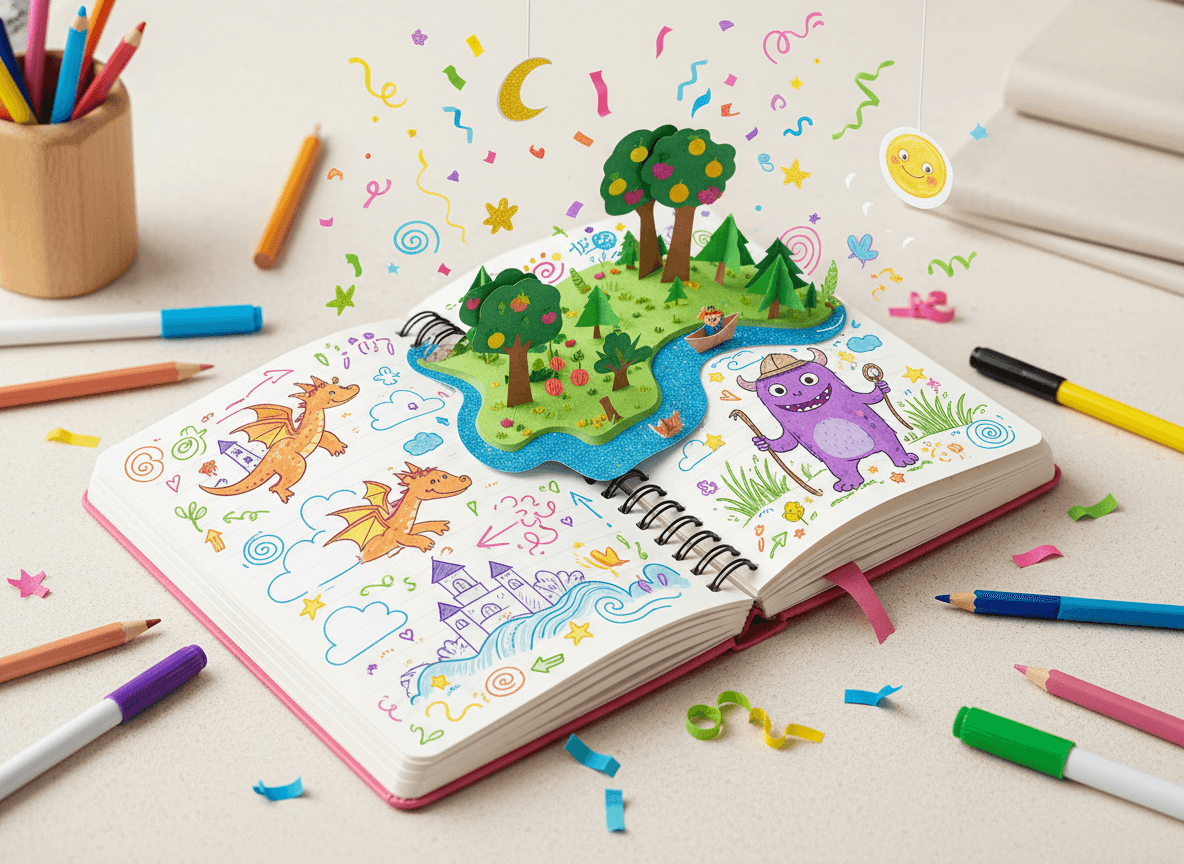
Creative writing is the broadest writing category - it includes fiction stories, poetry, personal narratives, scripts, and creative nonfiction. What unifies these forms is that the writer brings originality and craft to the work, not just content.
Types of Creative Writing
Fiction - invented stories with characters, plot, and setting. Includes short stories, fairy tales, fantasy, realistic fiction, and historical fiction.
Poetry - language arranged for sound, rhythm, and imagery. Includes free verse, haiku, limericks, narrative poetry, and concrete poetry.
Personal Narrative - true stories from the writer's own life, told with literary techniques. The "I" is the central character.
Drama / Scripts - writing meant to be performed, with dialogue, stage directions, and character actions.
Creative Nonfiction - real events and facts told with the craft and techniques of fiction - vivid scenes, character development, and narrative structure.
Why Creative Writing Matters in School
Creative writing is not a luxury. It develops:
-
Voice - students learn to express themselves distinctively, which strengthens all writing
-
Word choice - the search for the perfect word in poetry pays dividends in academic writing
-
Stamina - students who love writing write more, and volume is the best predictor of growth
-
Empathy - writing from another perspective, or giving voice to a character different from oneself, builds perspective-taking
-
Risk-taking - creative writing teaches students that first drafts are supposed to be imperfect
Craft Moves to Teach
-
Strong leads - begin in the middle of action or with a surprising detail
-
Show, don't tell - describe what can be seen, heard, or felt rather than naming emotions directly
-
Dialogue - give characters voices; use dialogue to reveal character and advance plot
-
Specific details - not "a dog" but "a small, mud-covered beagle with one torn ear"
-
Varied sentence structure - mix short punchy sentences with longer flowing ones for rhythm
Practice Activities
- Free-write Fridays: 10 minutes of ungraded, unprompted writing - students choose their topic and form.
- "Story starter" slips: each student draws a random opening sentence from a hat and writes for 15 minutes.
- Read a poem aloud, then have students write their own poem using the same structure but their own words and images.
- Hold a "publishing celebration" where students share a polished piece - the real audience transforms the purpose of revision.
Frequently Asked Questions
What is creative writing for kids?
Creative writing for kids includes any writing where the student uses imagination and personal voice: stories they invent, poems they craft, narratives from their own life, scripts for imaginary plays, or even creative nonfiction. The defining characteristic is that the student has creative control - what to say, how to say it, and what kind of piece to make.
What are the different types of creative writing?
Major types of creative writing include: fiction (short stories, chapter books, fairy tales, fantasy), poetry (free verse, haiku, narrative poetry, limericks), personal narrative (memoir, personal essays), scripts and drama, and creative nonfiction (true stories told with literary techniques). In elementary school, all these forms are explored in age-appropriate ways.
How do you teach creative writing in elementary school?
Effective approaches include: regular free-write time (low pressure, no grade), mentor texts that show strong craft moves, explicit mini-lessons on specific techniques (strong leads, show-don't-tell, dialogue), writing workshop with teacher conferences, and sharing celebrations that create authentic audience and purpose. The key is volume - students improve through writing a lot, not through overanalyzing a little.
Free Creative Writing Worksheets
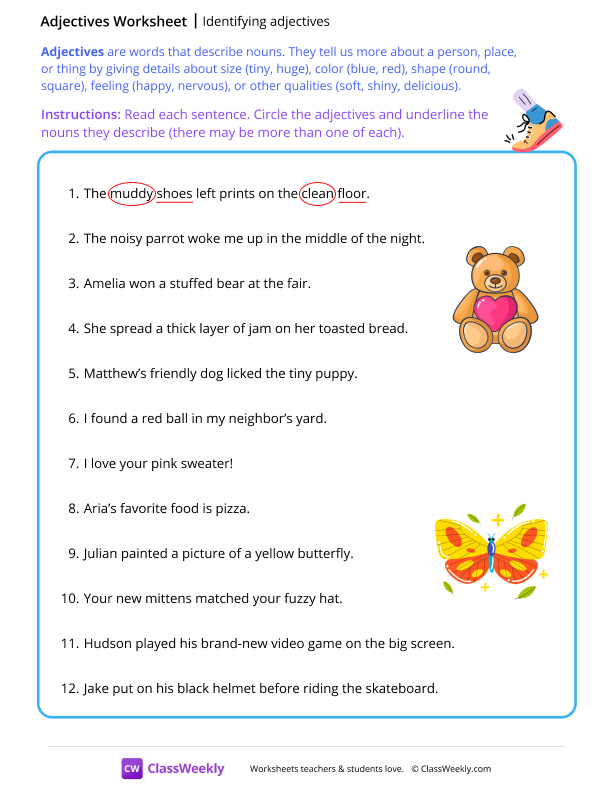
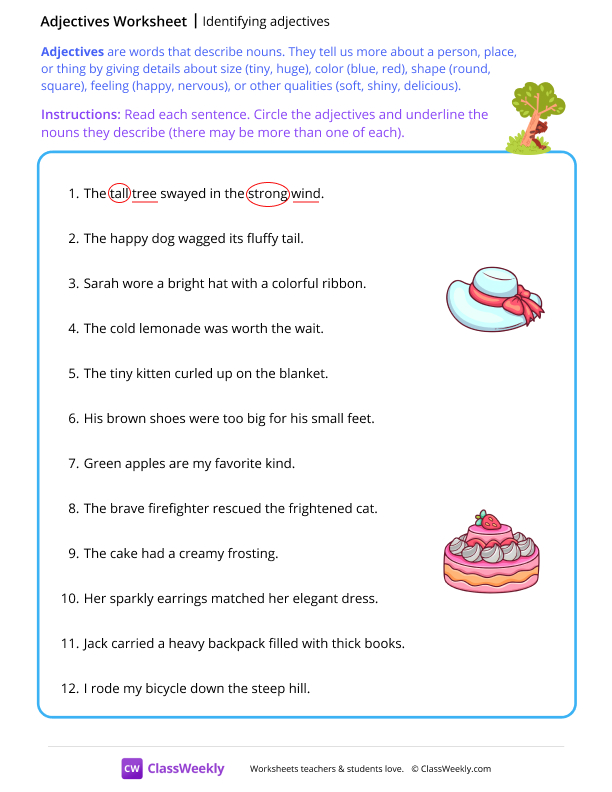
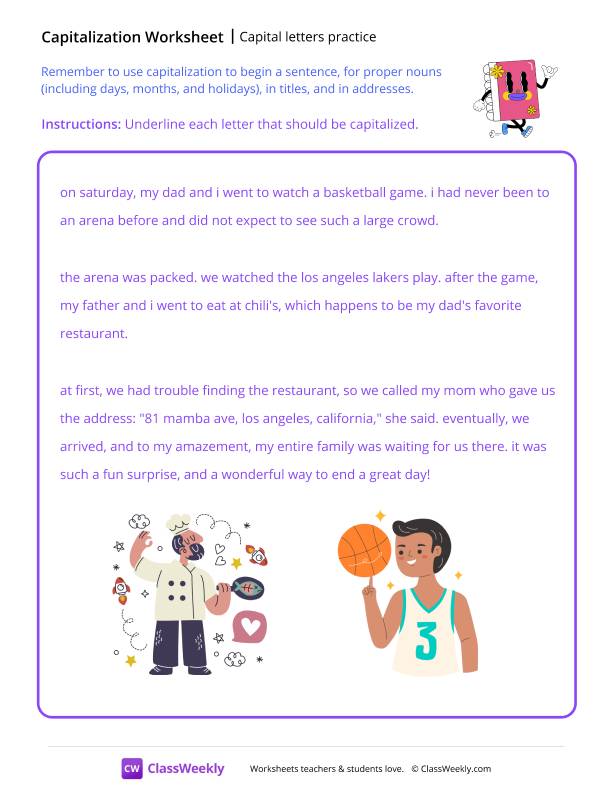
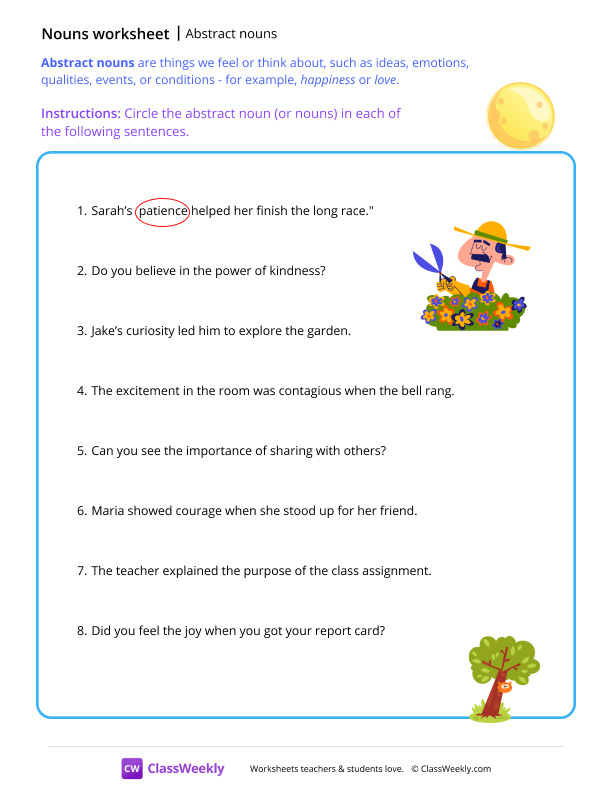
Curriculum-aligned printable worksheets for Kindergarten – 5th Grade. Download free.