What Is Poetry Writing?
Taught in US schools
Key Takeaways
- Poetry writing involves choosing forms (haiku, free verse, limerick, acrostic) and devices (rhyme, rhythm, imagery) intentionally.
- Every word in a poem is a choice - poetry writing demands precision and conciseness.
- Students write better poems when they read lots of poems first and study how poets craft their work.
- Free verse gives students freedom to express ideas without the pressure of forced rhyme.
What Is Poetry Writing?
Poetry writing is the craft of composing poems - using poetic forms, devices, and carefully chosen language to express ideas, observations, and emotions. Unlike prose, poetry demands precision: every word is a choice, every line break is intentional, and space on the page is meaningful.
Poetry writing in elementary school helps students develop voice, expand vocabulary, and learn to express complex feelings through the power of condensed language.
The Poetry Writing Process
1. Read → Observe → Choose → Draft → Revise → Share
-
Read: Immerse in poems before writing. Notice what other poets do.
-
Observe: Notice the world closely. Specific sensory details are the raw material of poetry.
-
Choose: Select a form and a focus. What do you most want to say?
-
Draft: Write without stopping - let the poem come out messy.
-
Revise: Cut what's unnecessary, strengthen weak words, refine line breaks.
-
Share: Poetry lives in being heard aloud.
Poetic Forms for Elementary Students
Haiku: 3 lines (5-7-5 syllables). Japanese form focused on a natural moment.
Free verse: No required rhyme or meter. Most flexible form. Encourages authentic expression.
Acrostic: Spell a word with the first letter of each line. Each line expands on the topic.
Limerick: 5-line humorous poem (AABBA rhyme, with longer lines 1/2/5 and shorter 3/4).
Cinquain: 5-line poem (2-4-6-8-2 syllables OR 1-2-3-4-1 words).
Concrete/Shape poem: Words arranged in the shape of the poem's subject.
I Am poem: A structured template ("I am [two special characteristics]. I wonder [something I'm curious about]..." and so on).
Found poem: Words or phrases taken from another text (a newspaper, a book) and rearranged into a poem.
Revising Poetry
Poetry revision is especially focused on:
-
Line breaks: Where does a line end? How does the break change the emphasis?
-
Word choice: Is there a more precise, surprising, or musical word?
-
Cutting: What can be removed? Every word should earn its place.
-
Sound: Read aloud - does it have the rhythm and music you intended?
What Grade Do Kids Write Poetry?
2nd grade (W.2.3): Students write creative pieces with details and emerging structure.
3rd grade (W.3.3): Students write narratives and creative pieces with rich detail and structure.
4th–5th grade (W.4.3, W.5.3): Students use narrative techniques (description, dialogue, pacing) that also apply to poetry; write for a range of purposes including creative expression.
Common Misconceptions
Good poems must rhyme: Forced rhyme weakens poetry more often than it strengthens it. Free verse allows more honest, specific, and vivid expression.
Short poems are easier: Haiku and other short forms are often harder than longer free verse - the compression demands extreme precision.
Poetry writing is a separate unit: Poetry writing benefits all writing. The precision, imagery, and word consciousness developed in poetry units transfer to narrative and informational writing.
Practice Activities
-
Imitation poems: Choose a published poem and imitate its structure with original content.
-
Image collection: Walk around school listing 10 specific sensory details; choose 3 to build into a poem.
-
Line break exploration: Take a free-verse draft and experiment with different line breaks, reading each aloud.
-
Word replacement: Choose 5 words in a draft and replace each with something more specific or surprising.
-
Poetry café: Students perform their poems at a class "café" with an audience of peers or parents.
Frequently Asked Questions
How do you start writing a poem?
Starting strategies: (1) Observe something closely (a spider, a rainstorm, a feeling) and list specific sensory details about it. (2) Choose a poetic form and follow its structure. (3) Begin with a strong image or an unexpected comparison. (4) Imitate a poem you love - borrow the structure and fill it with your own content. (5) Start with the feeling you want to convey and work backward to the images that produce that feeling.
Does poetry have to rhyme?
No. Free verse poems have no required rhyme or meter, and many of the most celebrated poems in English are written in free verse. Forcing rhyme often leads to awkward word choices that undermine the poem's meaning. Students who feel liberated from rhyme often write more honest, vivid poetry. However, rhyme is a powerful device when used naturally - the goal is intentional choice, not avoidance.
What makes a poem good?
Strong poems are specific rather than vague, use precise and surprising words, create vivid images that engage the senses, say something true about experience or observation, and make every word earn its place. A good poem leaves the reader with something - an image, a feeling, a question, or a new way of seeing. It doesn't have to be long, complicated, or rhyming.
What poetic forms are appropriate for elementary school?
Accessible forms: Haiku (5-7-5 syllables, focused on a moment in nature), Acrostic (first letters of each line spell a word), Limerick (5-line humorous AABBA form), Free verse (no required rhyme or meter), Cinquain (5-line syllable or word count), Concrete/shape poem (words arranged in the poem's subject shape), I Am poem (structured fill-in template), and Found poem (words taken from another text and rearranged).
How does reading poetry improve poetry writing?
Reading widely as a poet reveals what's possible - new forms, unexpected images, surprising word combinations, and structures you'd never have invented alone. This is why poetry units begin with reading and discussing published poems before students write. Imitating poems you love is one of the oldest and most effective techniques for developing as a poet.
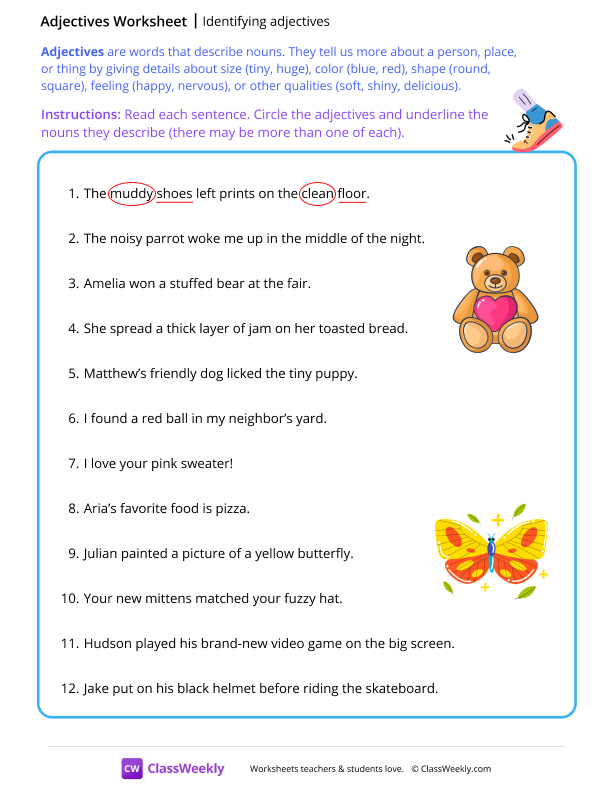
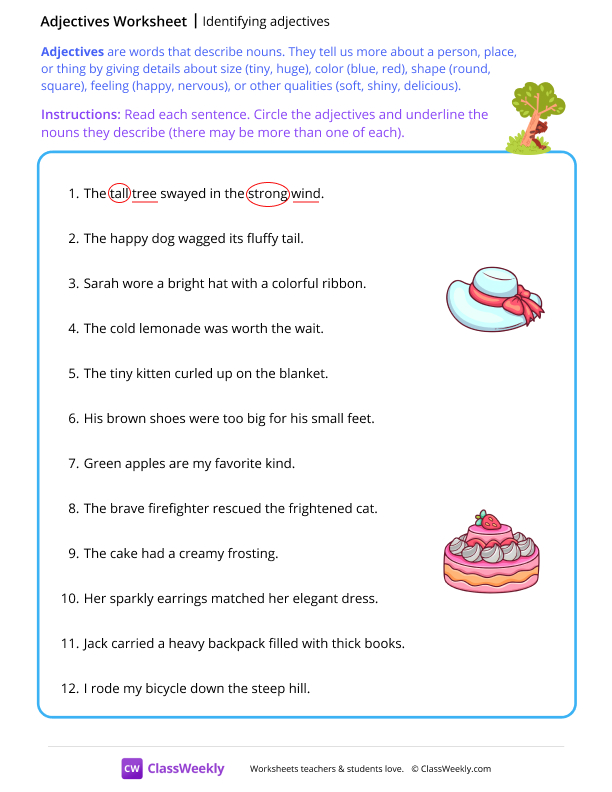
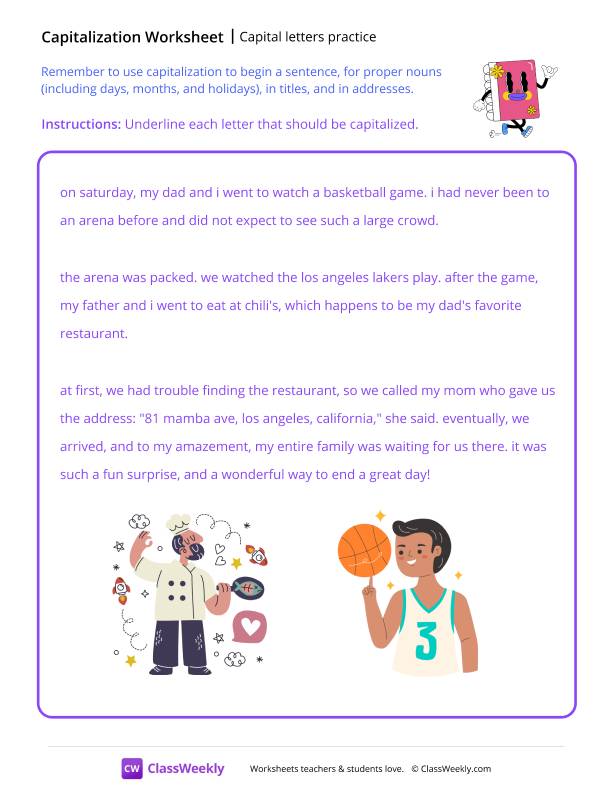
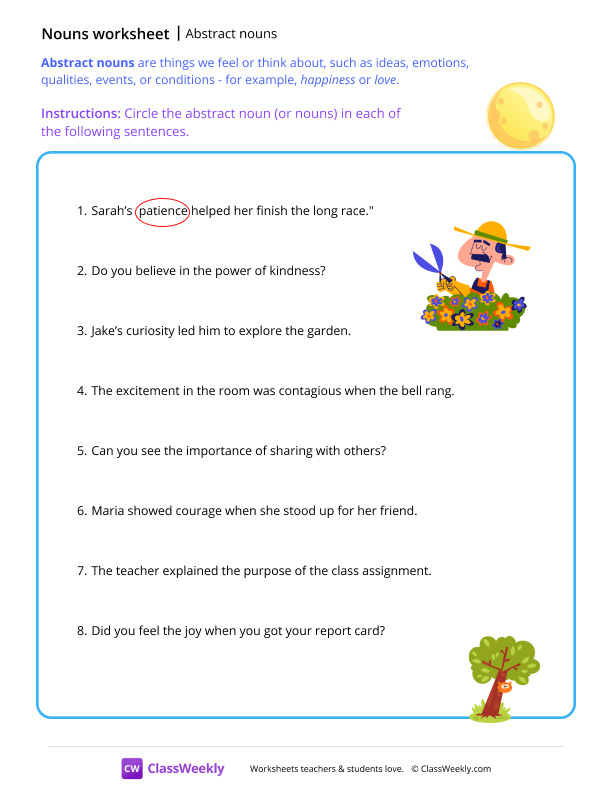
Free Poetry Writing Worksheets
Curriculum-aligned printable worksheets for 2nd – 5th Grade. Download free.