What Is a Personal Narrative?
Taught in US schools
Key Takeaways
- A personal narrative is a true story from the writer's own life, written with literary craft.
- It uses first-person narration (I), specific details, dialogue, and reflection.
- The best personal narratives focus on a small moment - not a long sequence of events.
- Reflection is what separates a personal narrative from a simple retelling.
What Is a Personal Narrative?
A personal narrative is a true story from the writer's own life, written in the first person. It uses the craft of literary storytelling - vivid details, dialogue, internal thoughts, and reflection - to transform a real experience into a meaningful, engaging piece of writing.
Unlike a journal entry or a simple retelling of events, a personal narrative is crafted. The writer chooses what to include and what to leave out, how to pace the story, which details to zoom in on, and how to help the reader understand what the experience meant.
The Power of Small Moments
One of the most important lessons in personal narrative writing: small moments make the best stories. Students often want to write about an entire vacation or their whole year. But the most powerful narratives zoom in on a single scene - a moment that lasted minutes, not weeks.
Weak topic: "My trip to Washington, D.C." Strong topic: "The moment I got lost at the Air and Space Museum and the stranger who helped me find my family."
A small moment can be explored in depth. A large event can only be summarized.
Elements of a Strong Personal Narrative
Engaging opening - Start in the middle of the action, not at the beginning of the day. "I heard the crack before I saw the water rushing in."
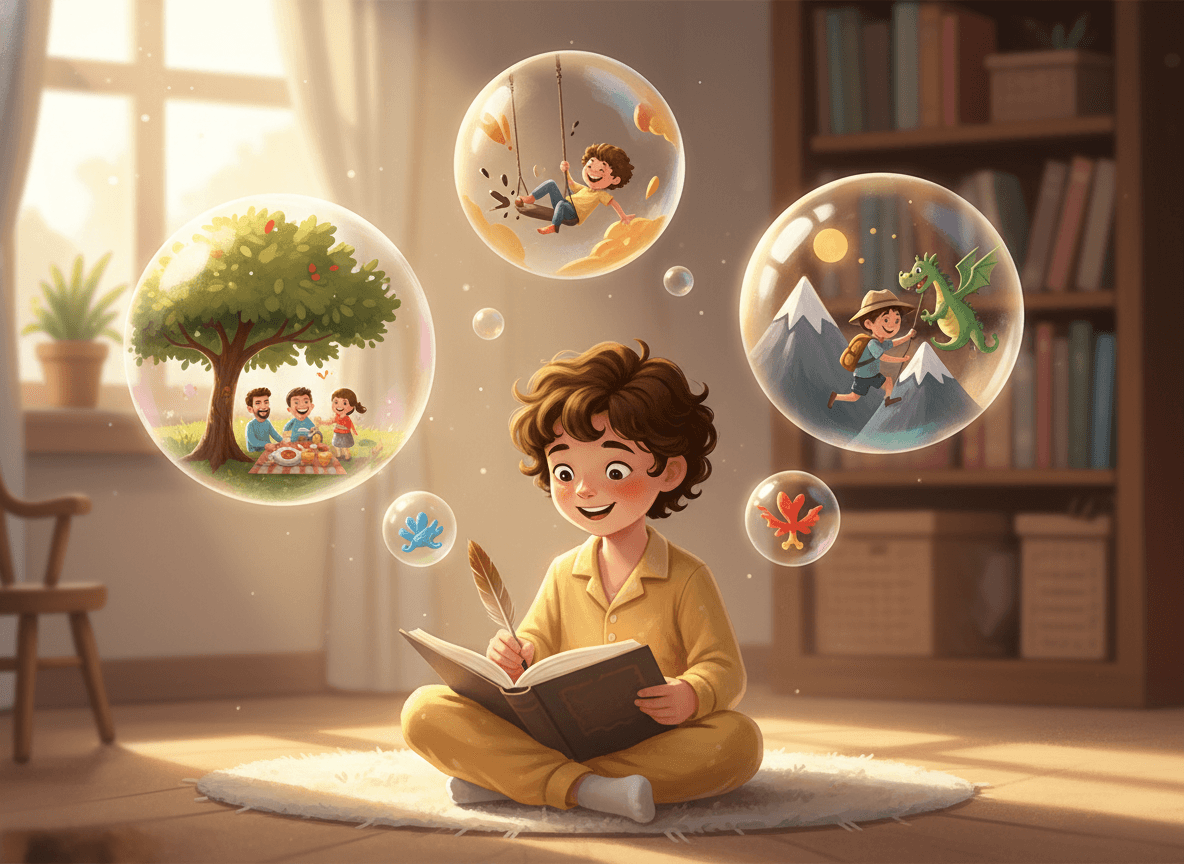
Specific sensory details - Not "it was hot" but "the asphalt burned through my sneakers and the air smelled like exhaust and hot dogs."
Dialogue - Let characters speak. Dialogue slows the story down in the best way - it puts the reader in the scene.
Internal thoughts - What were you thinking? What were you feeling? This is what separates narrative from report.
Pacing - Slow down the most important moment. Speed up the less important parts.
Reflection - At the end, or woven throughout: what does this experience mean to you? What did you learn or realize?
The Revision Focus: Show, Don't Tell
Personal narrative is the ideal genre for teaching "show, don't tell" - replacing vague emotion words with specific, sensory scenes.
Tell: "I was nervous." Show: "My hands wouldn't stop shaking, and I had to read my notes three times just to remember the first line."
Practice Activities
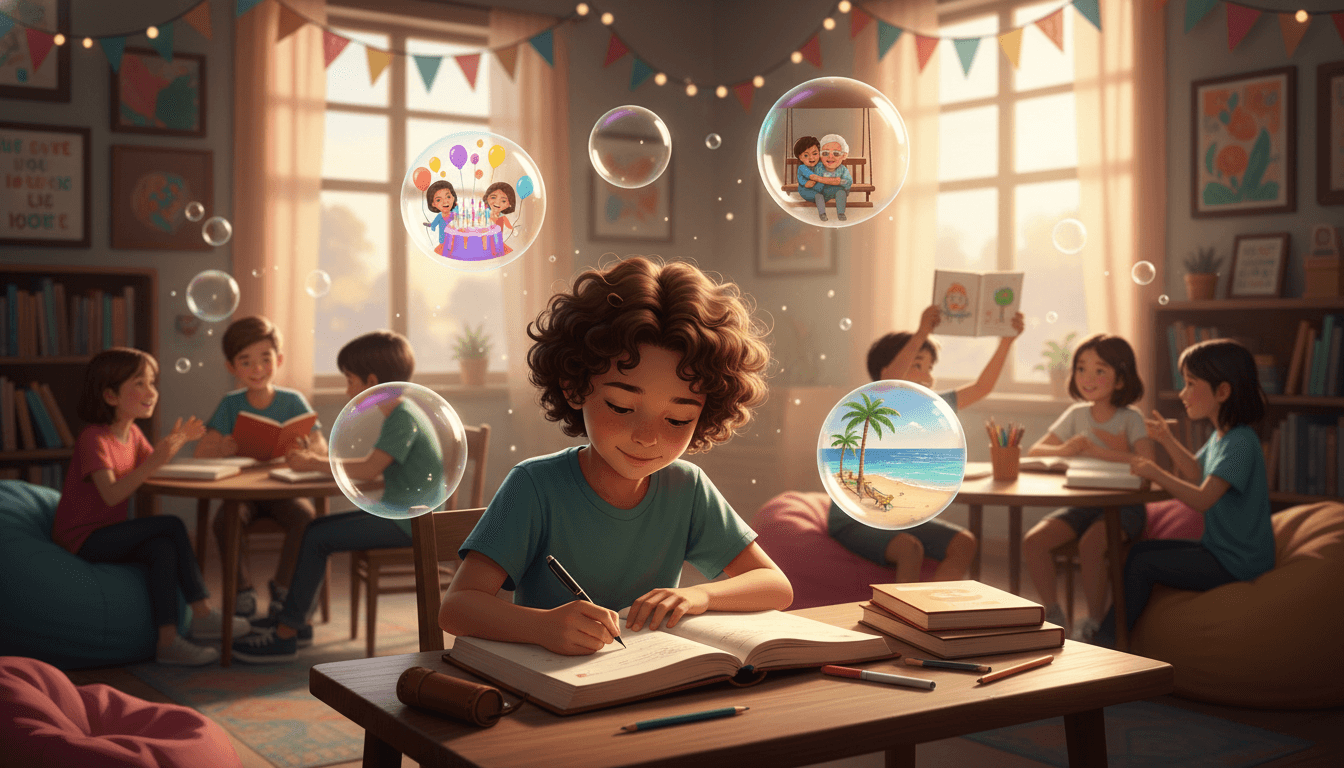
- "Heart map" - students draw a heart and fill it with people, places, experiences, and memories that matter to them. These become personal narrative topics.
- Small moment speed drafts: give students 15 minutes to write about one small moment without stopping. Use it for revision practice.
- Mentor text analysis: read Roller Coaster by Marla Frazee, Saturdays and Teacakes by Lester Laminack, or Those Shoes by Maribeth Boelts. What craft moves does the author make?
- Revision for sensory detail: students choose one sentence from their draft and rewrite it to include sight, sound, or feeling.
Frequently Asked Questions
What is a personal narrative?
A personal narrative is a true story written in the first person about an experience from the writer's own life. It uses literary techniques to bring the experience alive - vivid sensory details, dialogue, internal thoughts, and reflection on what the experience meant. A personal narrative is more than a retelling of events: it explores meaning and reveals the writer's perspective and growth.
What is the difference between a personal narrative and a memoir?
A personal narrative focuses on a single experience or memory. A memoir is a longer form that covers a more significant period of life, exploring themes across multiple experiences. Think of a personal narrative as a zoom-in and a memoir as a wide-angle lens. In elementary school, students write personal narratives; memoir is typically a middle or high school genre.
What should a personal narrative include?
A strong personal narrative includes: (1) a hook or engaging opening that drops the reader into the action; (2) a clear sequence of events with beginning, middle, and end; (3) specific sensory details (what did you see, hear, smell, feel?); (4) internal thinking (what were you feeling and thinking during the experience?); (5) dialogue (what was said?); and (6) a reflection at the end (what does this experience mean? What did you learn or realize?).
Free Personal Narrative Worksheets
Curriculum-aligned printable worksheets for Kindergarten – 5th Grade. Download free.