What Is Dialogue in Writing?
Taught in US schools
Key Takeaways
- Dialogue is written conversation between story characters, enclosed in quotation marks.
- Each new speaker starts a new paragraph - a formatting rule students must learn.
- Dialogue reveals character, moves the plot forward, and makes stories feel alive and immediate.
- Said and asked are acceptable dialogue tags, but precise verbs (whispered, announced, demanded) create stronger writing.
What Is Dialogue?
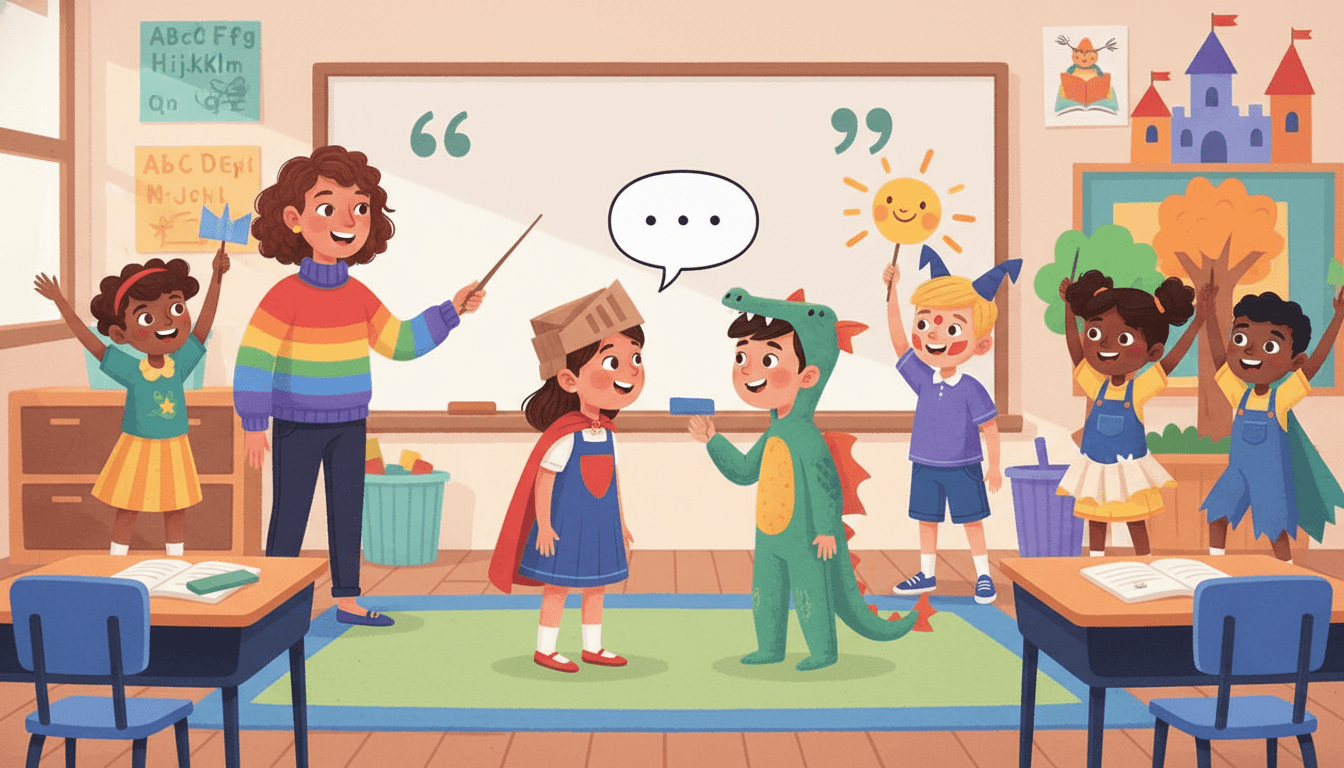
Dialogue is the written conversation between characters in a story. It is enclosed in quotation marks and accompanied by dialogue tags that identify who is speaking.
Dialogue is one of the most powerful tools in narrative writing - it makes stories feel real, immediate, and alive. It reveals character personality, creates tension, and advances plot in ways that narration alone cannot.
Basic Dialogue Formatting Rules
- Enclose spoken words in quotation marks: "Watch out!" she cried.
- Put punctuation inside the closing quotation marks: "Are you ready?" / "Let's go." / "Stop!"
- Capitalize the first word of the dialogue: He said, "This is dangerous."
- New speaker = new paragraph: Every time the speaker changes, start a new paragraph.
- Dialogue tag placement:
- Tag before: She said, "This is not what I expected."
- Tag after: "This is not what I expected," she said.
- Tag interrupted: "This is not," she said, "what I expected."
Types of Dialogue Tags
Neutral (invisible): said, asked, replied - reader attention stays on the words, not the tag.
Expressive: whispered, demanded, announced, argued, pleaded, shouted, muttered - add information but use sparingly.
Avoid: Tags that describe impossible simultaneous actions: "Come here," she laughed. (You can't literally say words while laughing.)
What Dialogue Does in a Story
Reveals character: "I don't need anyone's help," she said flatly.
Creates conflict: "You promised!" "I never said that."
Moves the plot: "There's something in the water. Look."
Provides information: "The ceremony starts at noon. If we're late, it's over."
Sets tone: Formal dialogue vs. casual dialogue creates very different atmospheres.
What Grade Do Kids Learn Dialogue?
3rd grade (W.3.3b, L.3.2c): Students learn basic dialogue punctuation and begin using dialogue in narratives.
4th grade (W.4.3b, L.4.2b): Students use dialogue to show responses of characters to situations; punctuate dialogue correctly.
5th grade (W.5.3b): Students use dialogue to develop characters, pace narrative, and show character response to conflict.
Common Misconceptions
Every dialogue tag must be exciting: "Said" is not boring - it is invisible and professional. Overusing dramatic tags ("he exclaimed excitedly") actually makes writing feel juvenile and overwrought.
You can put dialogue tags anywhere: Tags must make grammatical sense. "This is great," she excited. ("excited" cannot be a dialogue tag.) Only verbs of speaking and related actions work as dialogue tags.
New speaker doesn't need a new paragraph: This formatting rule is non-negotiable in published writing. Mixing speakers in a paragraph confuses readers about who said what.
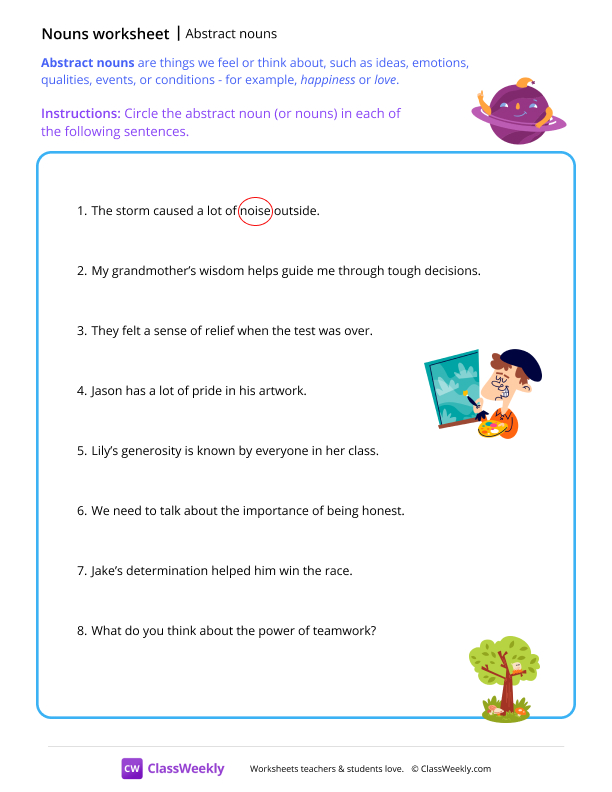
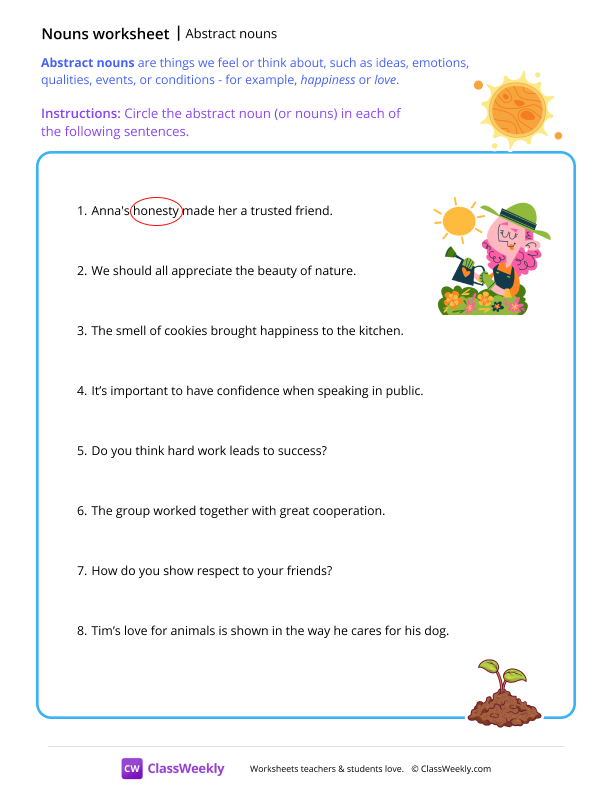
Practice Activities
-
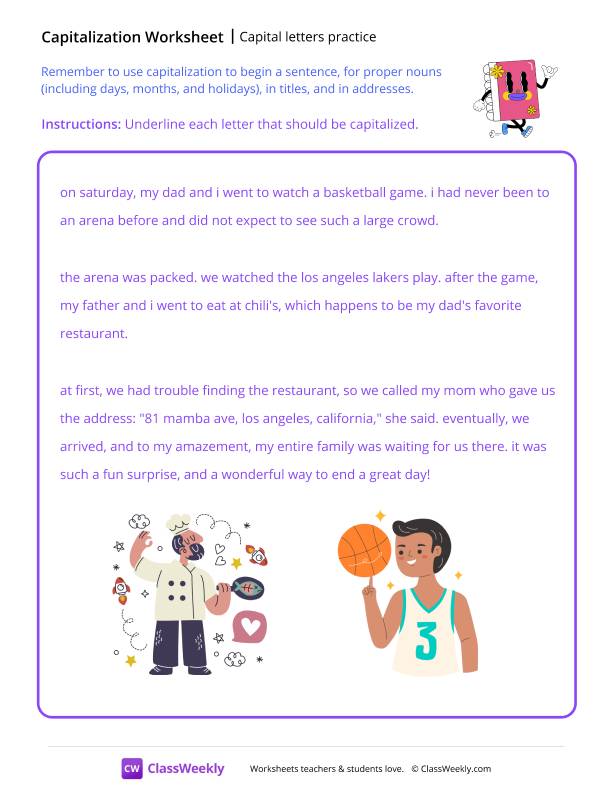
Punctuation fix: Give dialogue with all punctuation removed; students add it correctly.
-
Tag replacement: Replace every "said" in a passage with a more precise tag where appropriate.
-
Scene in dialogue: Students write a brief scene using ONLY dialogue (no narration), practicing formatting.
-
Character voice: Write the same sentence as three different characters would say it, showing distinct personality.
-
Full scene with narration and dialogue: Write a 10-sentence passage alternating between narration and dialogue.
Frequently Asked Questions
What is dialogue in writing?
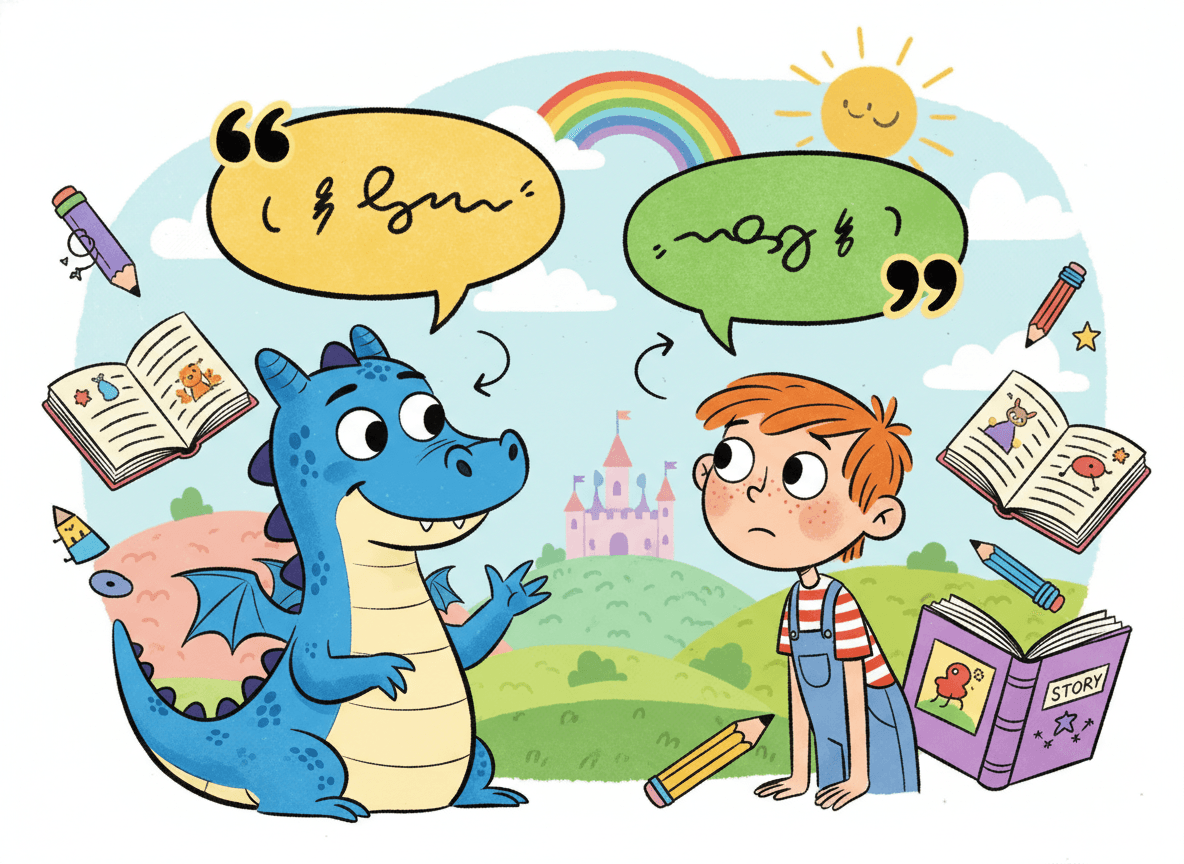
Dialogue is the written form of characters speaking to each other (or to themselves) in a story. It is enclosed in quotation marks and is one of the most powerful tools in narrative writing - it reveals character personality, advances the plot, creates tension, and gives stories a sense of real, lived experience.
How do you punctuate dialogue correctly?
Rules: (1) Enclose spoken words in quotation marks. (2) Put punctuation (period, comma, question mark, exclamation point) inside the closing quotation marks. (3) Capitalize the first word of dialogue. (4) If a dialogue tag (he said, she asked) comes before the dialogue, use a comma: He said, 'Watch out!' If the tag comes after, use a comma (or ? or !) inside the quotes: 'Watch out!' he yelled.
What are dialogue tags and how should students use them?
Dialogue tags are the phrases that identify who is speaking: 'she said,' 'he asked,' 'they whispered.' 'Said' is the most neutral and often preferred because it is invisible - readers don't notice it and focus on the words. More expressive tags (whispered, announced, demanded, argued) add information but should be used sparingly. Avoid tags like 'he laughed' or 'she smiled' since you can't technically speak while laughing or smiling.
How does dialogue reveal character?
What characters say - and how they say it - reveals their personality, mood, values, education, and relationships. A character who speaks in short, clipped sentences feels different from one who uses elaborate language. A character who says 'I ain't going' speaks differently from one who says 'I prefer not to attend.' Dialogue gives each character a distinct voice.
When should writers use dialogue vs. narration?
Dialogue is most effective for: key moments of conflict or decision, scenes where character voice is important, exchanges that carry plot-critical information, and moments that need to feel immediate and vivid. Narration is better for: passing time quickly ('Three weeks later...'), providing backstory, describing setting, and summarizing events that don't need to be shown in real time.
Free Dialogue Worksheets
Curriculum-aligned printable worksheets for 3rd – 5th Grade. Download free.