What Is a Friendly Letter?
Taught in US schools
Key Takeaways
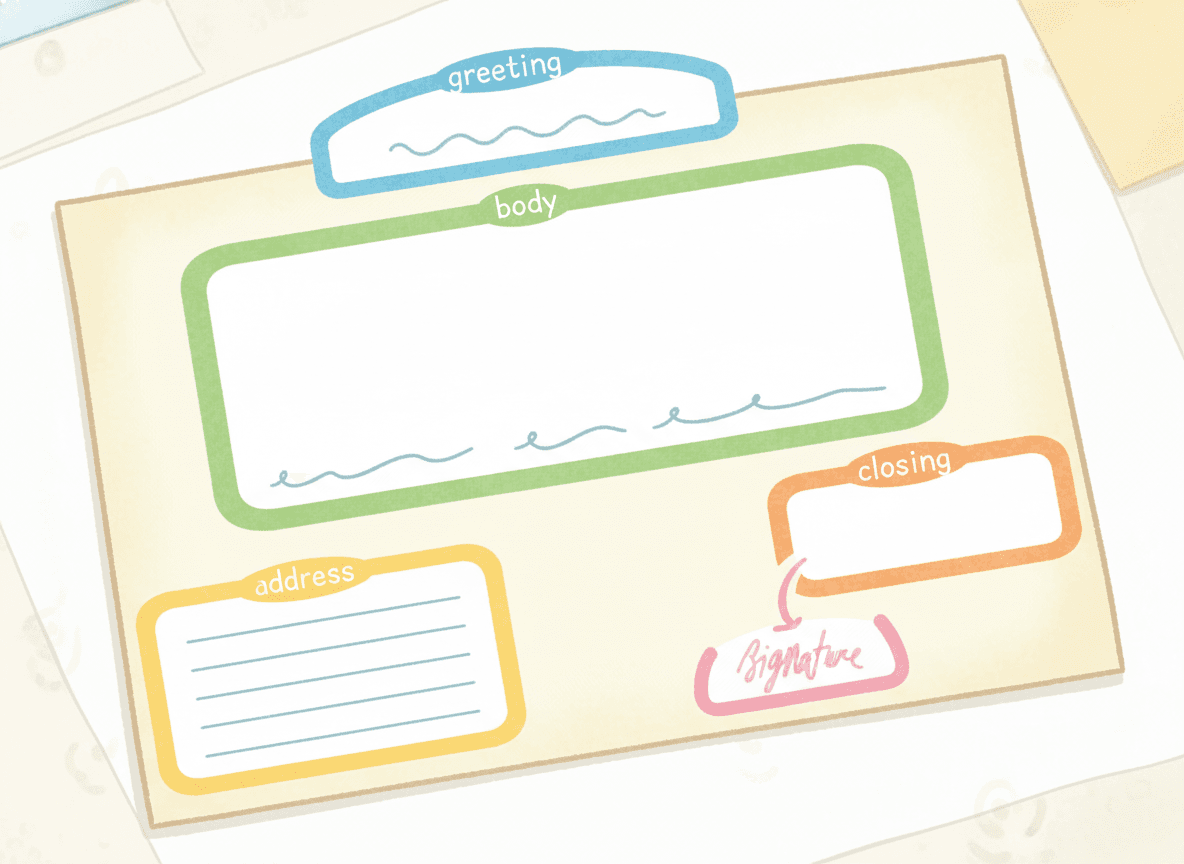
- A friendly letter has five parts: date, greeting, body, closing, and signature.
- The tone is informal and personal - written to someone the writer knows.
- Friendly letters teach real-world writing conventions and authentic communication.
- The greeting uses a comma after the name; the closing is followed by a comma.
What Is a Friendly Letter?
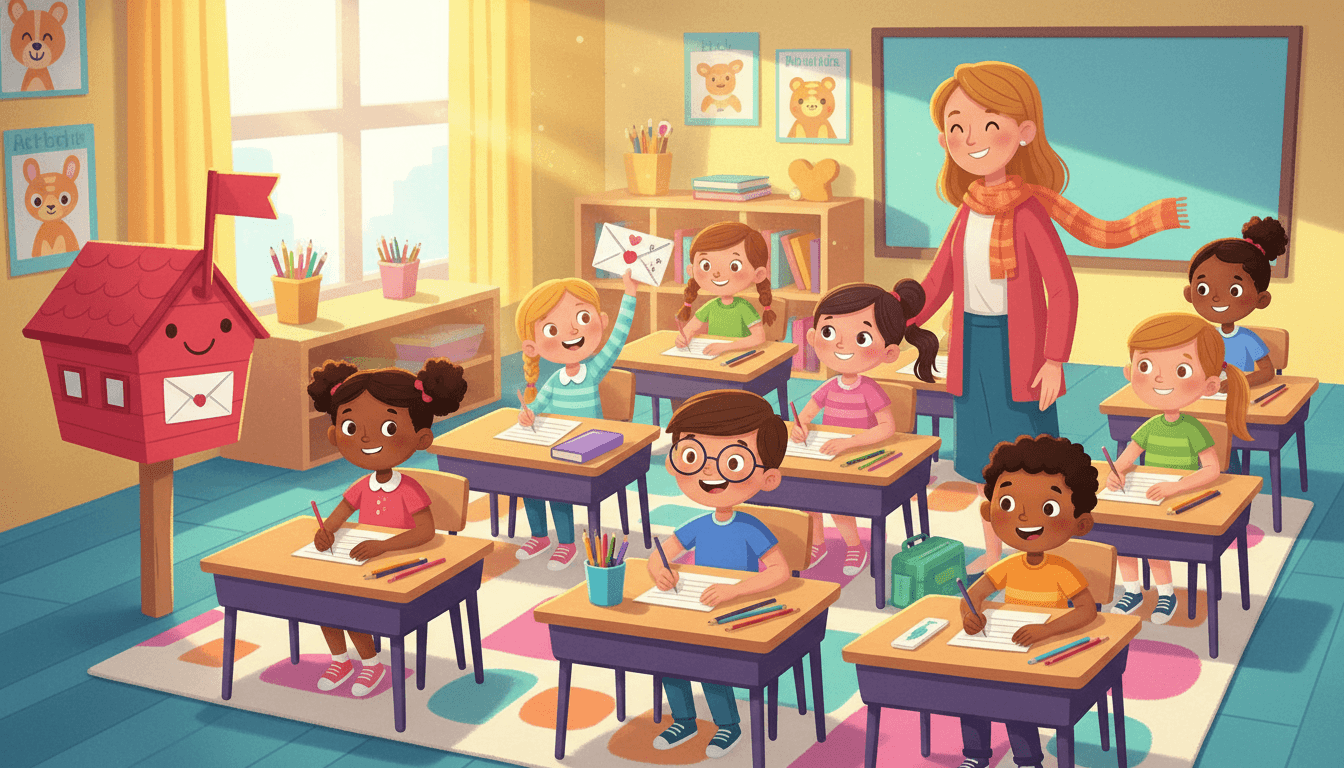
A friendly letter is an informal, personal letter written to someone the writer knows - a friend, family member, classmate, or pen pal. It's conversational, warm, and personal in tone.
Friendly letters teach students the conventions of written correspondence: how to address a reader directly, how to organize personal communication, and how to follow standard formatting rules that signal respect and clarity.
The Five Parts of a Friendly Letter
1. Date Written in the upper right (or left) corner. Tells the reader when the letter was written.
June 6, 2026
2. Greeting Addresses the reader by name. Always uses a comma after the name.
Dear Grandma, Dear Marcus,
3. Body The main message of the letter - what you want to say. Can be one paragraph or several. Should include news, questions, stories, or responses to what the other person wrote.
4. Closing A friendly sign-off before the signature. The first word is capitalized; a comma follows.
Your friend, With love, Sincerely, Talk soon,
5. Signature The writer's name, written below the closing.
How to Write a Good Letter Body
The body is where most students struggle - they often write very short, vague letters ("How are you? I am fine. I like pizza.").
Teach students to:
-
Ask questions - "What have you been doing this summer? Did you get to travel?"
-
Share specific stories - not just "I had fun" but "We went to the beach and I found a crab under a rock."
-
React and connect - respond to something the other person said or wrote.
-
Show personality - humor, curiosity, and warmth make letters memorable.
Punctuation Reminders
- Comma after the greeting: "Dear Sofia**,**"
- Comma after the closing: "Your friend**,**"
- Indent the first line of each paragraph
- Date in the upper corner
Practice Activities
- Start a class pen pal exchange with another class - even within the same school. Real audiences transform the quality of student writing.
- Write a friendly letter to a book character: "Dear Charlotte, I was so sad when I reached the end of the story..."
- Model a think-aloud while writing a letter on the board, narrating decisions about what to include and how to phrase things.
- Use a "letter anatomy" activity - give students a completed letter and have them label all five parts.
Frequently Asked Questions
What are the five parts of a friendly letter?
The five parts of a friendly letter are: (1) Date - when the letter was written, placed in the upper right or left corner; (2) Greeting - 'Dear [Name],' with a comma after the name; (3) Body - the main message of the letter, written in one or more paragraphs; (4) Closing - a friendly sign-off like 'Your friend,' or 'Sincerely,' followed by a comma; (5) Signature - the writer's name written below the closing.
What is the difference between a friendly letter and a business letter?
A friendly letter is informal - written to a friend, family member, or pen pal. It uses casual language, a comma after the greeting and closing, and a conversational tone. A business letter is formal - written to someone the writer doesn't know personally, like a company or official. Business letters use a colon after the greeting and formal, professional language.
What should you write in the body of a friendly letter?
The body is where you share your news, thoughts, questions, or stories. Good friendly letter bodies include: asking questions about the recipient's life, sharing something that happened recently, describing your feelings or reactions, giving a compliment or saying thank you, and showing genuine interest in the person you're writing to. Just like a good conversation - you're not just talking about yourself.
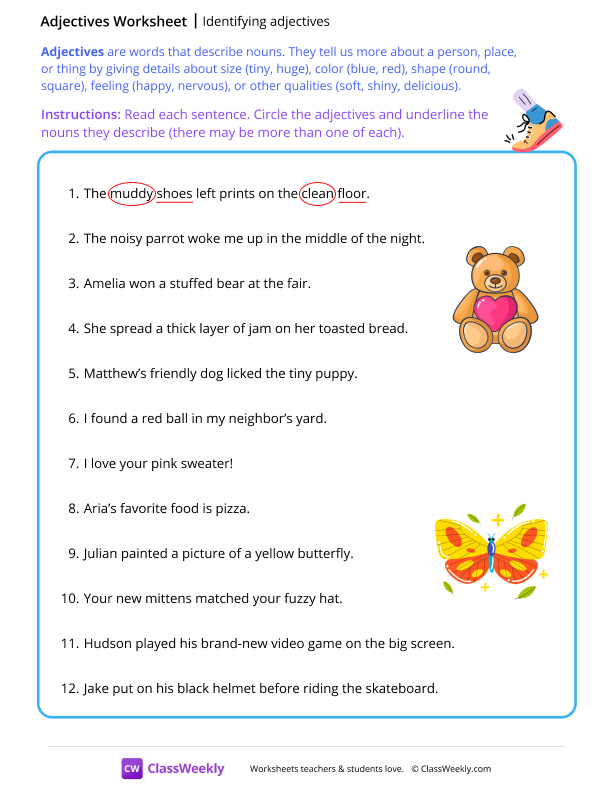
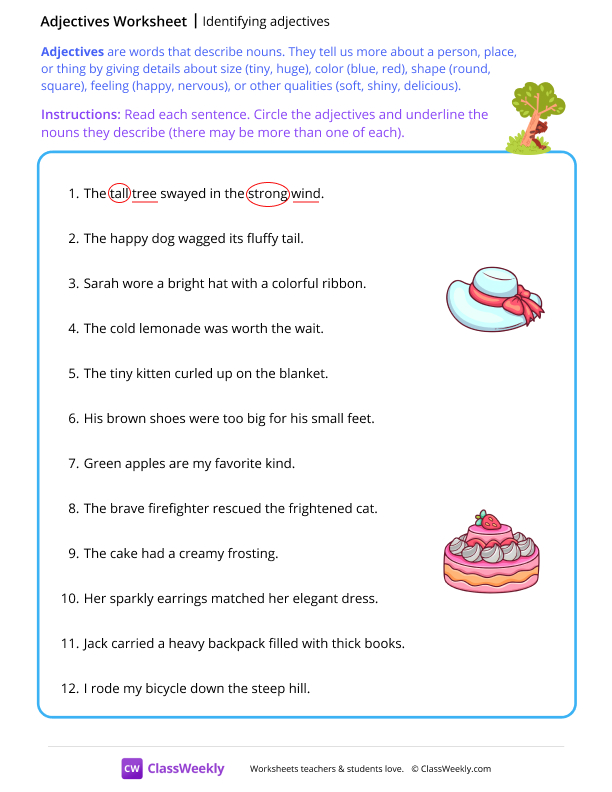
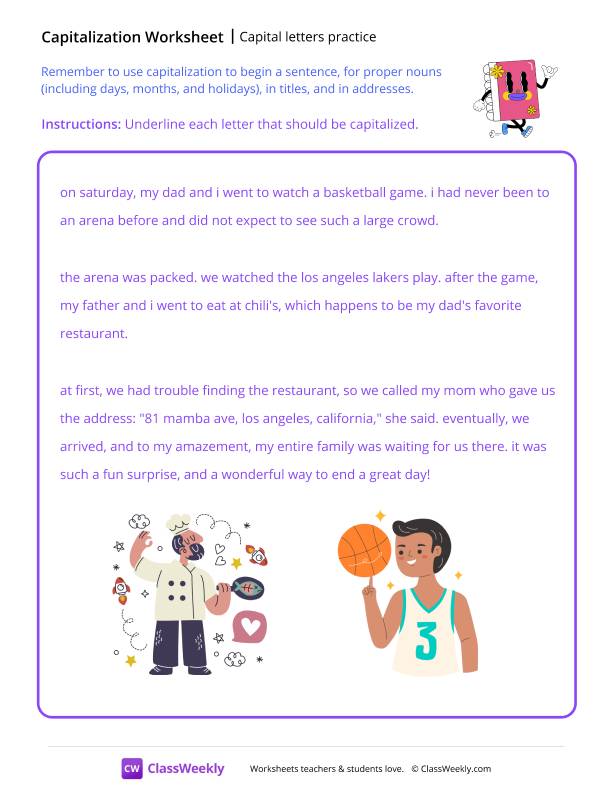
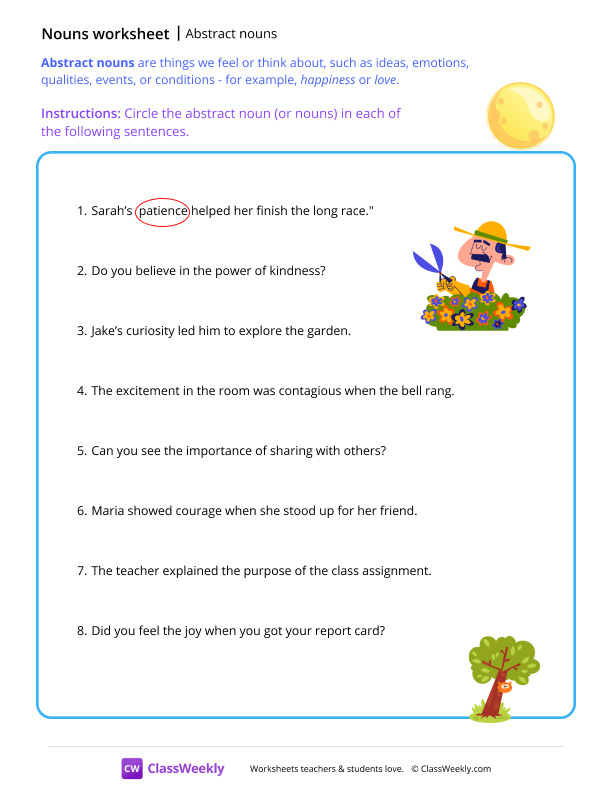
Free Friendly Letter Worksheets
Curriculum-aligned printable worksheets for 2nd – 4th Grade. Download free.