What Is an Idiom?
Taught in US schools

Key Takeaways
- An idiom is a phrase whose meaning is different from its literal words.
- Idioms are culturally specific - they vary by language, region, and time period.
- Context clues usually help readers figure out what an idiom means.
- English has tens of thousands of idioms - fluent speakers use them constantly without noticing.
What Is an Idiom?
An idiom is a phrase or expression whose meaning cannot be understood from the literal meanings of the individual words. The phrase as a whole has a meaning that is fixed by culture and use - not by what the words literally say.
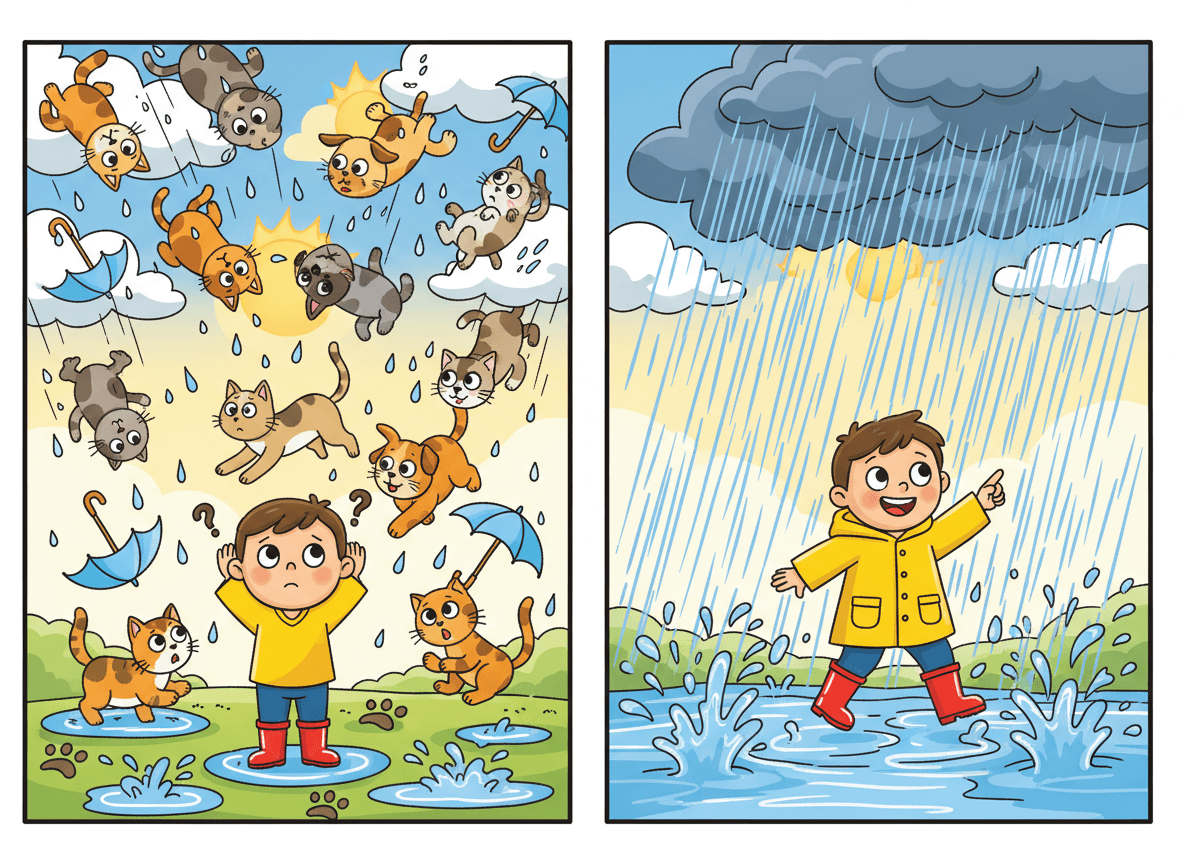
"Break a leg!" doesn't mean anyone's leg is in danger - it means "good luck." "Hit the books" doesn't involve hitting anything - it means to study. "It's raining cats and dogs" is not a weather event involving pets - it means it's raining very hard.
Why English Has So Many Idioms
English has tens of thousands of idioms - possibly more than any other language. They develop over centuries from:
-
Historical events ("bite the bullet" - soldiers in battle who had to endure surgery without anesthesia)
-
Old tools and trades ("rule of thumb" - measuring with the thumb)
-
Colloquial shorthand - common expressions that stuck
Native English speakers use idioms constantly and barely notice them. For readers, writers, and especially English language learners, idioms are a rich and challenging area of vocabulary.
How to Figure Out an Idiom's Meaning
When students encounter an unknown idiom, they can use context clues:
- What is happening in the text around the idiom?
- What would make sense here if the idiom means something different from what it literally says?
- What emotion or situation does the context suggest?
"I know this test will be a piece of cake," Mia said confidently. Context clue: Mia is confident → the idiom probably means something easy.
Common Categories of Idioms
About difficulty: a piece of cake (easy), hit a wall (stuck), uphill battle (difficult)
About secrets: let the cat out of the bag, spill the beans, keep it under your hat
About success/failure: on the ball, drop the ball, hit it out of the park
About time: once in a blue moon (rarely), in the nick of time, kill time
About feelings: under the weather (sick), on cloud nine (very happy), down in the dumps (sad)
Practice Activities
- "Idiom illustrations" - students draw the literal meaning of an idiom, then write its real meaning beside it. The humor of the literal image makes the idiom memorable.
- Idiom of the week: introduce one idiom on Monday, use it throughout the week, and challenge students to use it naturally in conversation.
- Context clue challenge: give students an idiom in a sentence and ask them to guess the meaning from context before looking it up.
- Create an "Idiom Dictionary" - students illustrate and define idioms they encounter throughout the year.
Frequently Asked Questions
What is an idiom?
An idiom is a phrase or expression whose overall meaning cannot be deduced from the literal meanings of its individual words. For example, 'kick the bucket' does not mean physically kicking a bucket - it means to die. 'Bite the bullet' does not mean putting a bullet in your mouth - it means to endure a difficult situation bravely. The meaning of an idiom is fixed and must be learned as a unit.
What are common idioms for kids?
Common idioms students encounter include: 'break a leg' (good luck), 'hit the books' (study), 'it's raining cats and dogs' (raining very hard), 'piece of cake' (very easy), 'under the weather' (feeling sick), 'let the cat out of the bag' (reveal a secret), 'on the ball' (paying attention), 'once in a blue moon' (rarely), 'spill the beans' (tell a secret), and 'bite off more than you can chew' (take on too much).
Why are idioms hard for English language learners?
Idioms are culturally embedded - they develop over time within a specific language community and don't translate directly. An English language learner who hears 'kick the bucket' for the first time will have no way to determine its meaning from the words alone. They must be taught idioms explicitly or encounter them in context with enough surrounding text to guess the meaning.
Free Idiom Worksheets
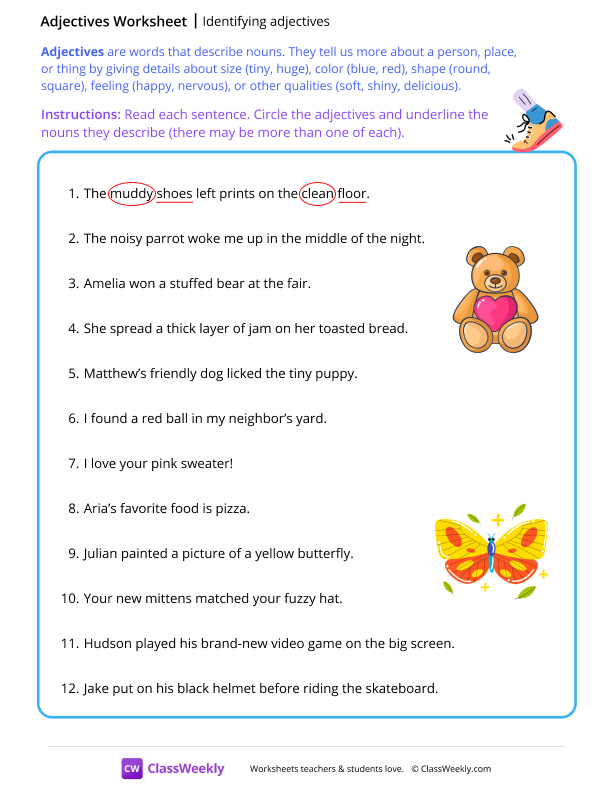
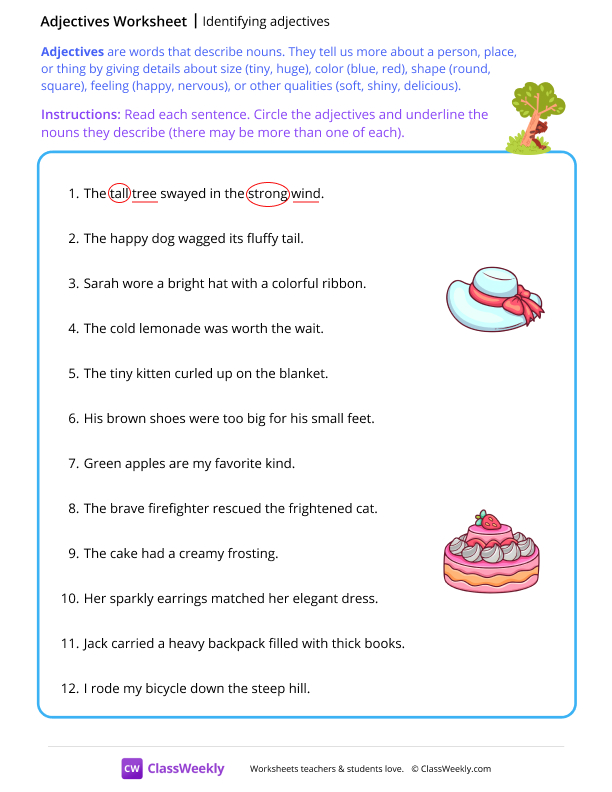
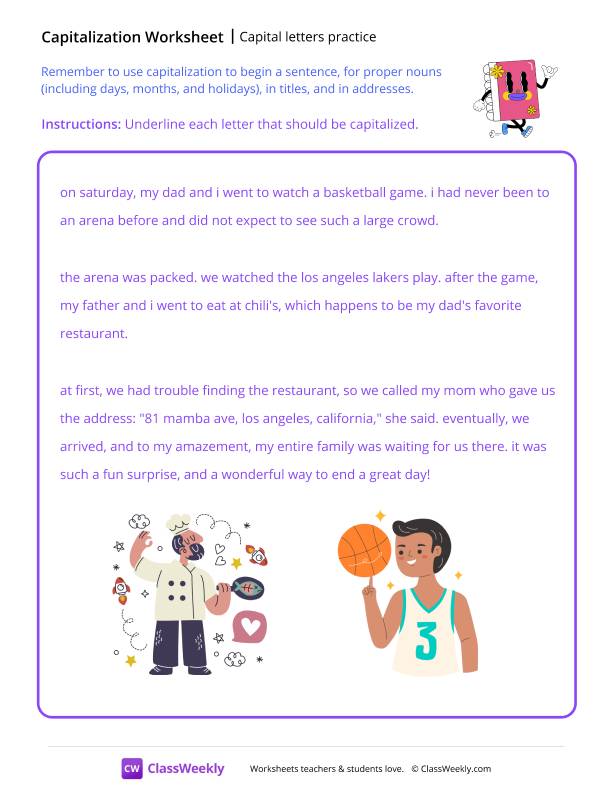
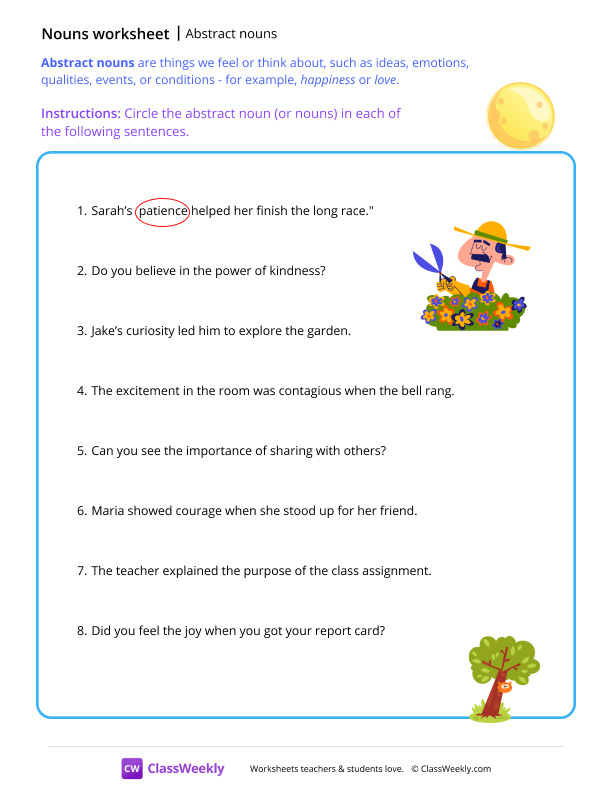
Curriculum-aligned printable worksheets for 2nd – 5th Grade. Download free.