What Is Kinesthetic Learning?
Taught in US schools
Key Takeaways
- Kinesthetic learning involves understanding through physical movement and hands-on activity.
- It is one of the most natural learning modes for young children.
- Movement-based learning benefits ALL students - not just those labeled 'kinesthetic learners.'
- The strict VAK/VARK learning styles model (Visual, Auditory, Kinesthetic) lacks strong research support, but hands-on learning has well-documented benefits.
What Is Kinesthetic Learning?
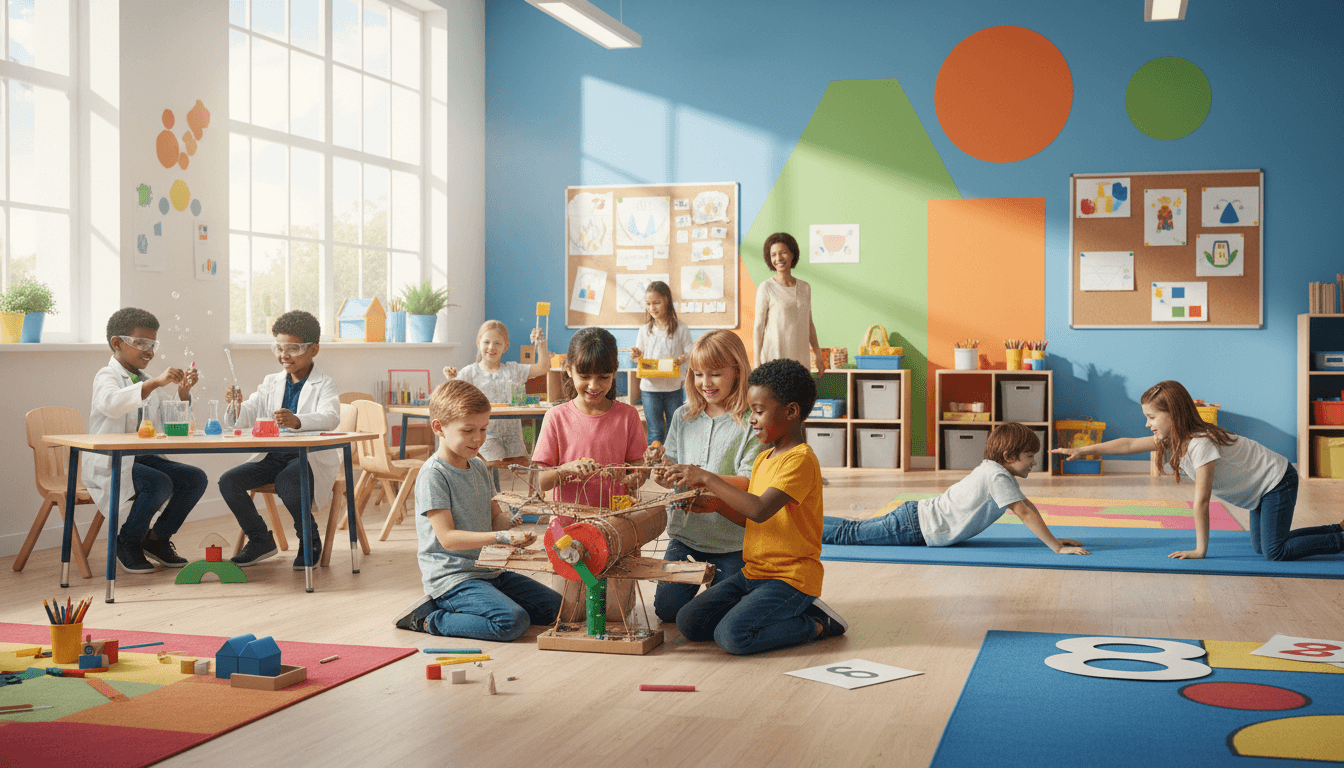
Kinesthetic learning (also called tactile learning) is learning through physical movement and hands-on experience. Students who engage kinesthetically understand and remember content best when they can move, touch, build, or do something with the material - not just hear or see it.
Young children are naturally kinesthetic. Before formal schooling begins, nearly all learning happens through touching, moving, building, and exploring. When classrooms honor this instinct, learning is more engaged and more memorable.
The Learning Styles Debate
You've probably heard of the VAK or VARK model: Visual, Auditory, (Reading/Writing), Kinesthetic. The idea is that students have preferred learning styles and should be taught accordingly.
Here's the important nuance: the strict version of learning styles theory - that you should identify each student's style and teach only to that mode - lacks strong research support. Studies have not shown that matching instruction to "learning style" improves outcomes.
However, hands-on and movement-based learning benefits most students, not just those labeled "kinesthetic." Physical engagement:
- Reduces passive sitting time, which improves attention
- Creates procedural memory (muscle memory) that supports retention
- Increases engagement and motivation
- Benefits students who struggle with abstract instruction - which includes most young learners
Kinesthetic Strategies for the Classroom
Math:
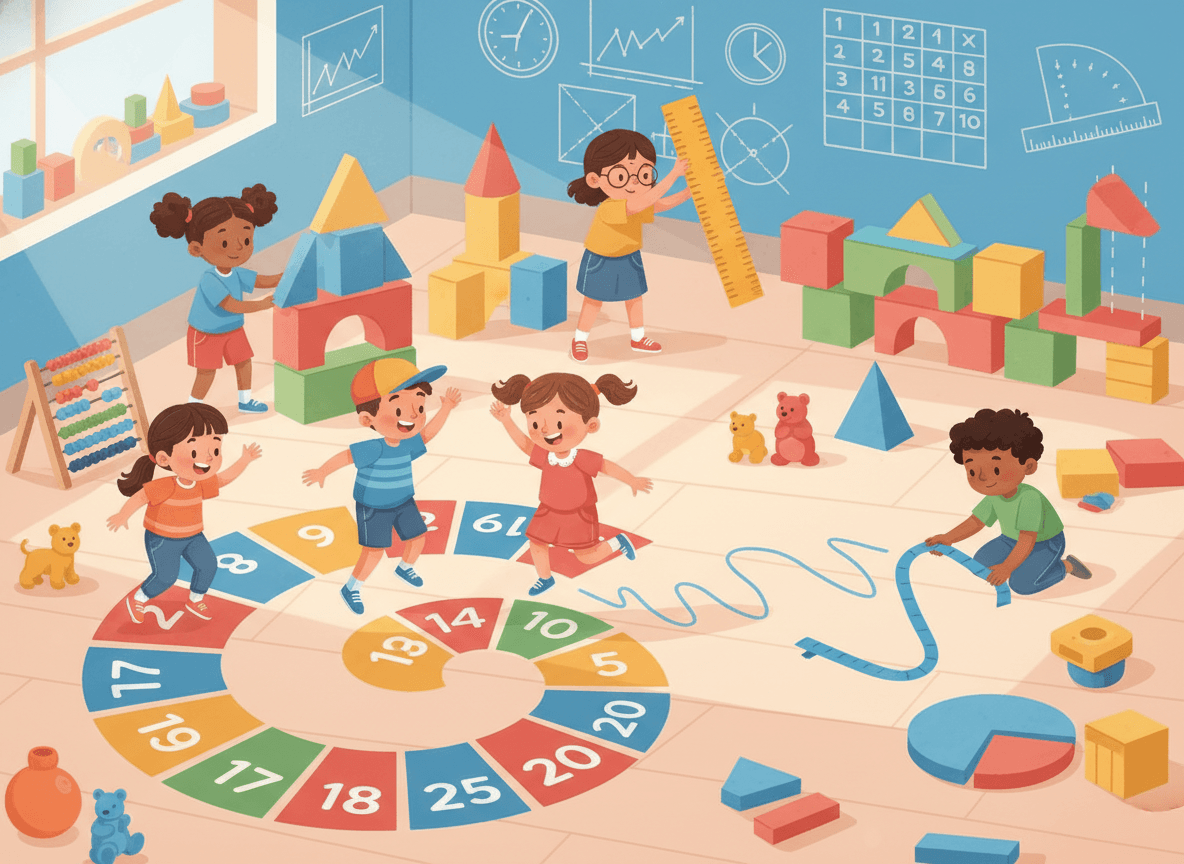
- Use manipulatives (base-ten blocks, fraction bars, counters, geometric solids)
- Students physically act out word problems
- Measurement activities with rulers, balance scales, measuring cups
Literacy:
- Write letters in sand or shaving cream (multisensory phonics)
- Act out vocabulary words
- Use letter tiles or magnetic letters to build and manipulate words
Science:
- Conduct hands-on experiments
- Build models (ecosystems, cell structures, simple machines)
- Simulate processes physically (acting out the water cycle, the solar system)
Social Studies:
- Map activities where students physically move to locations
- Simulation activities (trading goods, running a classroom economy)
- Building timelines with physical cards that students arrange
Movement breaks with content:
- Spelling bee where students hop to each letter
- Math facts using ball-tossing
- Yoga poses that reinforce vocabulary (shape like an angle, stretch like a plant growing)
Practice Activities
- Use manipulatives for any new math concept - physical experience with fractions before symbolic notation.
- Have students create a physical model or diorama of a concept they've been studying (a biome, a community, a historical site).
- Role-play a historical event or social scenario - being the character is more memorable than reading about them.
- "Brain breaks" with academic content: students stand up for True (thumbs up), sit down for False - rapid-fire review with movement.
Frequently Asked Questions
What is kinesthetic learning?
Kinesthetic learning is learning through physical activity, movement, and direct experience. Kinesthetic learners understand and retain information best when they can move, touch, build, or physically engage with the material - rather than simply hearing or seeing it. Examples: acting out a historical event, using manipulatives for math, building a model, performing an experiment, or dancing a vocabulary word.
Is the learning styles theory scientifically proven?
The strict VAK/VARK model (Visual, Auditory, Reading/Writing, Kinesthetic) - which says students have fixed learning style preferences that should dictate how they are taught - lacks strong scientific support. Research has not shown that matching instruction to a student's 'preferred learning style' improves outcomes. However, what IS well-supported is that hands-on, movement-based learning improves memory and engagement for most students - regardless of their supposed learning style.
How can teachers incorporate kinesthetic learning in any lesson?
Teachers can add kinesthetic elements to almost any lesson: have students use manipulatives or physical objects; include movement breaks with academic content (spell words by moving to letters on the floor); use acting out, role play, or tableau; let students build models or dioramas; use interactive games and sorting activities; and design labs, experiments, or hands-on investigations.
Free Kinesthetic Learning Worksheets
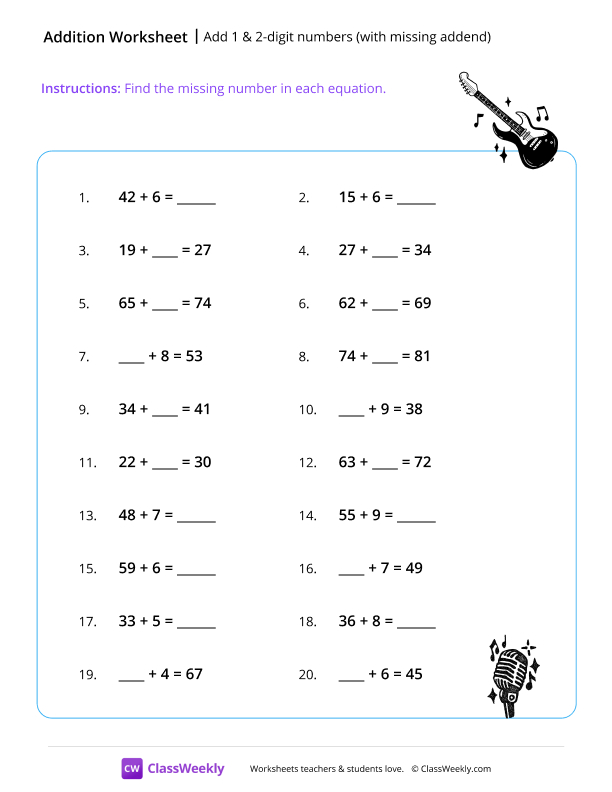
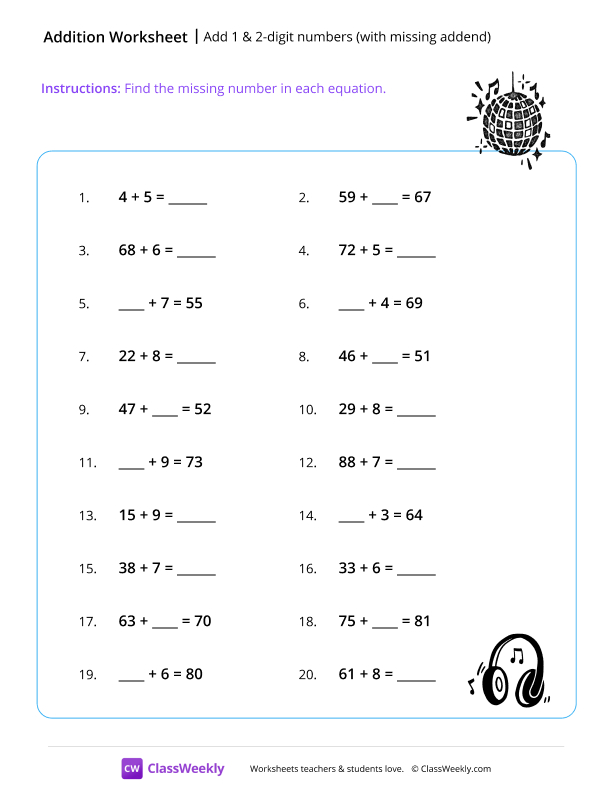
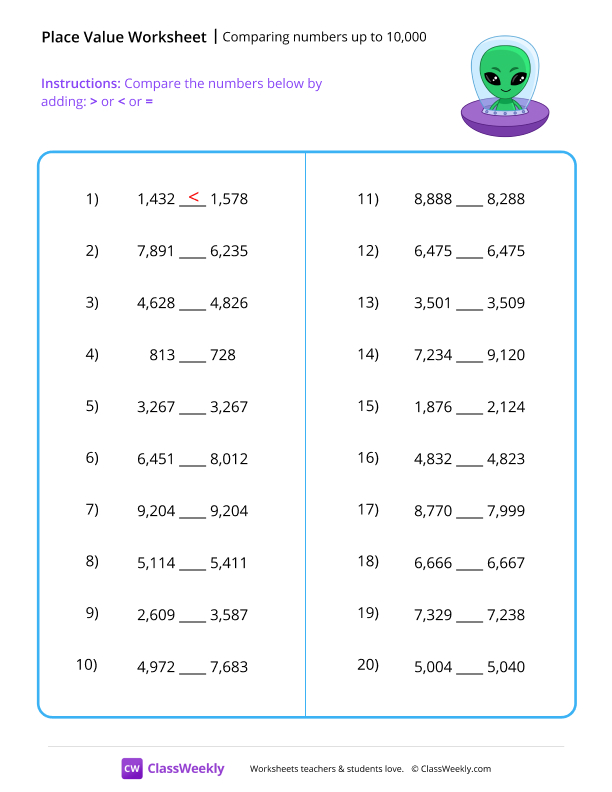
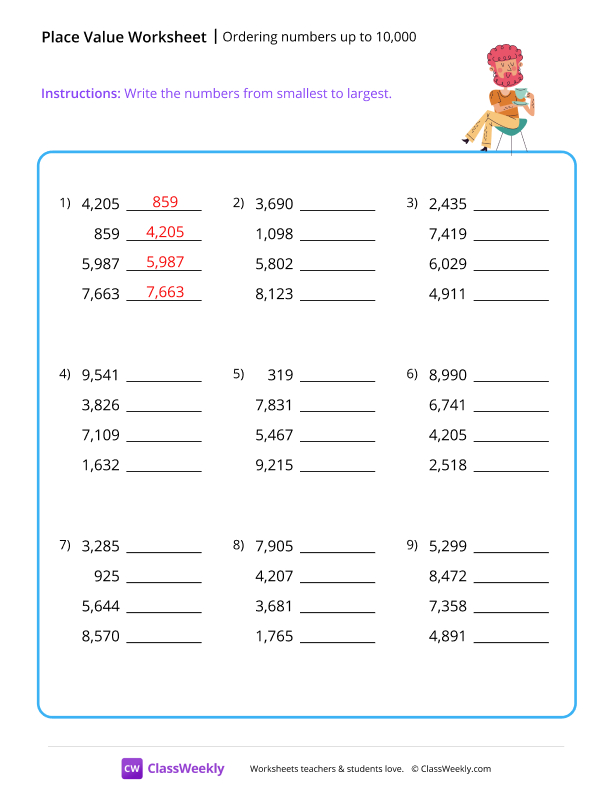
Curriculum-aligned printable worksheets for Kindergarten – 5th Grade. Download free.