What Is Math Fluency?
Taught in US schools

Key Takeaways
- Math fluency means being accurate, efficient, AND flexible - not just fast.
- Fluency with basic facts frees up working memory for complex problem-solving.
- Fluency is built through understanding first, then practice - not rote memorization divorced from meaning.
- Timed tests alone do not build fluency - and can cause math anxiety.
What Is Math Fluency?
Math fluency is the ability to solve mathematical problems accurately, efficiently, and flexibly. It is not just about being fast - fluency means knowing your facts well enough that you can access them automatically, leaving working memory free for more complex thinking.
The National Council of Teachers of Mathematics (NCTM) describes procedural fluency as one of five essential strands of mathematical proficiency. Fluency without understanding, or understanding without fluency, both limit a student's mathematical development.
The Three Components of Fluency
Accuracy - Getting the right answer. Always the foundation. No speed matters without accuracy.
Efficiency - Using a minimal number of steps. A student who counts on fingers for 8+7 is accurate but not yet efficient. A student who knows 8+7=15 automatically is efficient.
Flexibility - Knowing multiple strategies and choosing the best one for the situation. A flexible thinker who needs 98+47 might add 100+47=147, then subtract 2 to get 145 - faster than the standard algorithm.
Fluency Progression by Grade
K: Add/subtract within 5
1: Add/subtract within 10
2: Add/subtract within 20 (with automaticity of single-digit sums)
3: Multiply/divide within 100
4: Add/subtract multi-digit whole numbers using standard algorithm
5: Multiply multi-digit whole numbers; divide by 1- and 2-digit divisors
Building Fluency the Right Way
Step 1: Build understanding. Before students memorize 6×7=42, they should understand what multiplication means - equal groups, arrays, repeated addition. Understanding creates the mental framework that makes facts meaningful and memorable.
Step 2: Develop strategies. Teach thinking strategies: doubles, near-doubles, making ten, properties of multiplication. Students who have strategies have a way in when their memory fails.
Step 3: Build automaticity through practice. Once understanding is solid, practice builds the automatic recall that defines fluency. Practice should be distributed (short and daily), low-stakes, and game-based where possible.
The Problem with Timed Tests
Research suggests that timed tests, while common, can be counterproductive - they create math anxiety in many students, and anxiety impairs the working memory needed for retrieval. Students who struggle under time pressure may know their facts well in low-pressure contexts but perform poorly when timed.
More effective fluency practice: number talks, math games, partner quizzes, and spaced repetition with a focus on understanding why facts are true.
Practice Activities
-
Number talks: 10-minute whole-class mental math discussions where students share and compare strategies.
-
Math games: War with multiplication facts, Salute!, Around the World - games create fluency practice that feels fun.
-
Fluency sprints: short (1-2 minute) low-stakes fact practice, tracked against the student's own previous score (not compared to peers).
-
Strategy sorts: students sort a set of math facts by the strategy they would use to solve them - making ten, doubles, count-on, just know it.

Frequently Asked Questions
What is math fluency?
Math fluency is the ability to solve mathematical problems accurately (correctly), efficiently (with minimal steps and effort), and flexibly (using different strategies as needed). The National Council of Teachers of Mathematics (NCTM) defines procedural fluency as one of the five strands of mathematical proficiency. Fluency goes beyond fast recall - it includes knowing when and how to apply procedures appropriately.
Is math fluency just memorizing times tables?
No. Math fluency includes automaticity with basic facts, but it is much broader. A fluent student can: recall basic facts automatically, apply procedures correctly and efficiently, choose the best strategy for a given problem, and explain their reasoning. Rote memorization without understanding can produce students who recall facts but struggle to apply them in novel situations. Understanding comes first; automaticity follows.
How do you build math fluency without timed tests?
Research-supported alternatives to timed tests include: number talks (mental math discussions), games that require quick fact recall (math card games, dice games), spaced practice (short daily practice rather than long weekly practice), strategy-based instruction (teaching students multiple strategies and when to use them), and building on patterns and relationships (3x4=12, so 4x3=12, 30x4=120). The goal is automatic retrieval through deep understanding, not anxiety-producing drills.
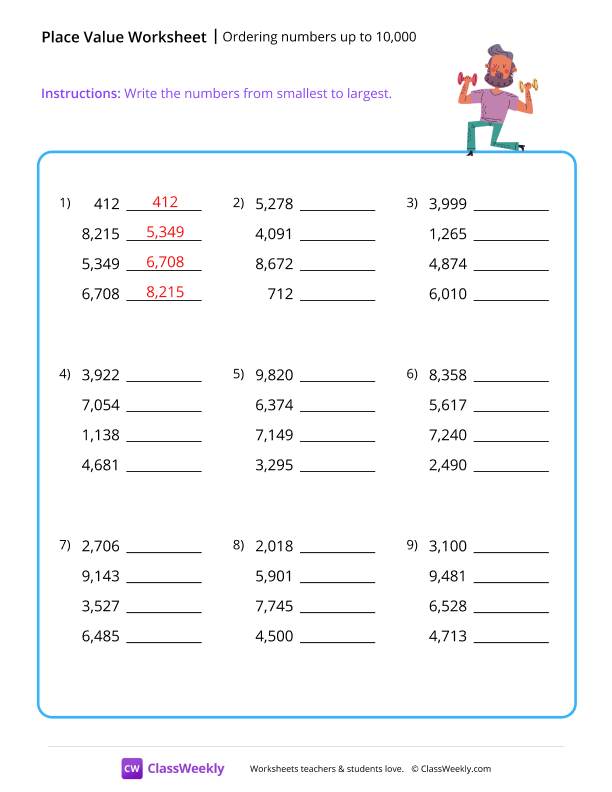
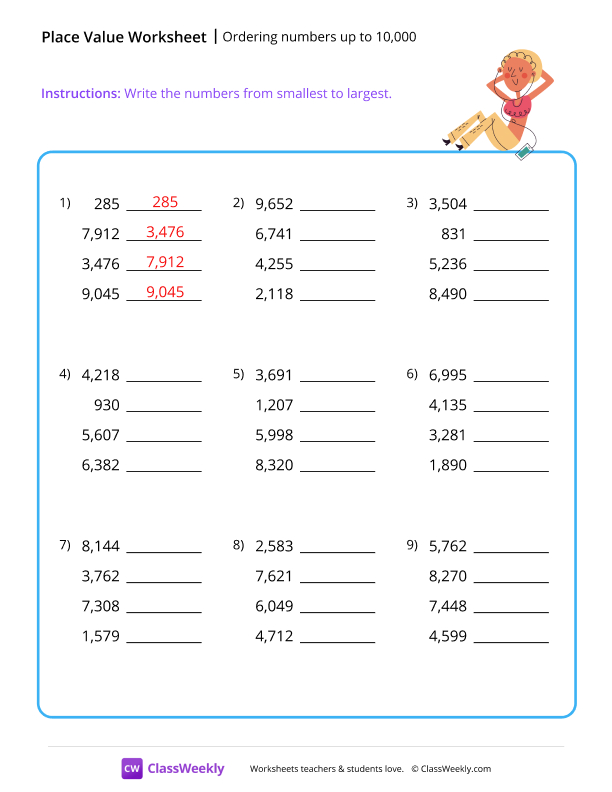
Free Math Fluency Worksheets
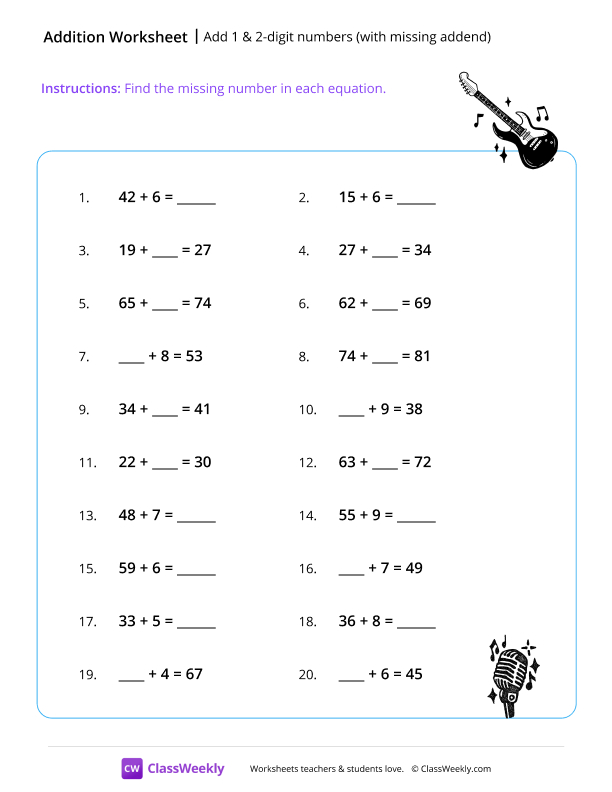
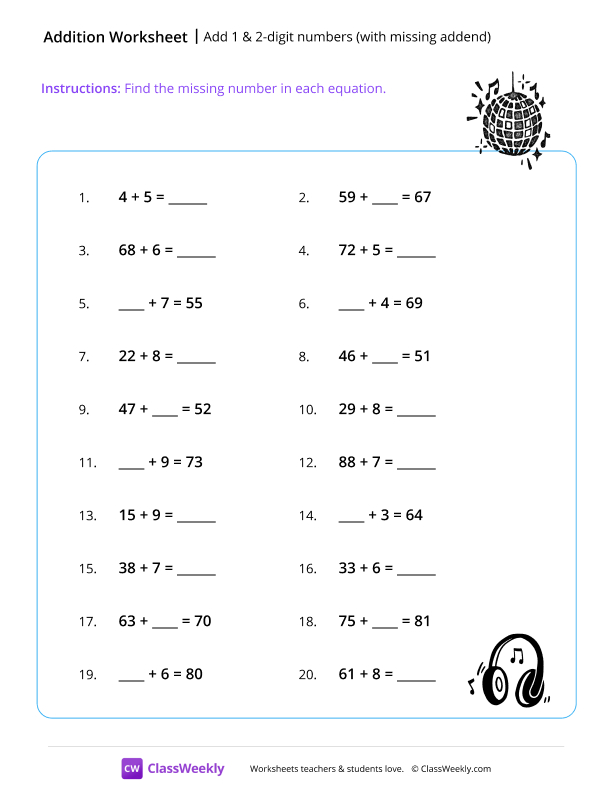
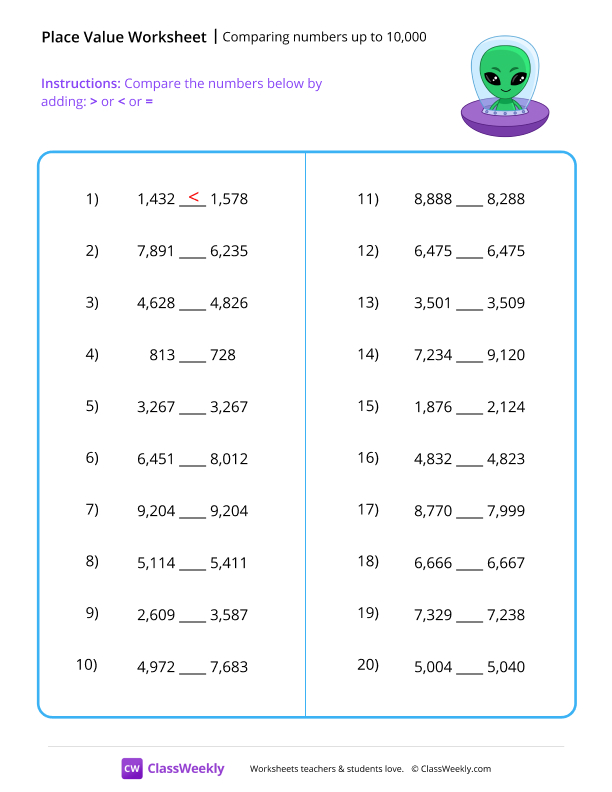
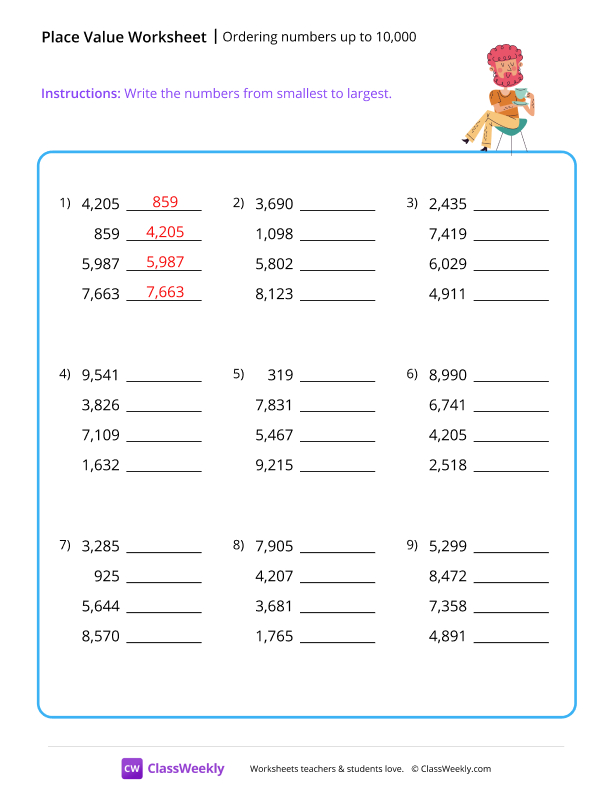
Curriculum-aligned printable worksheets for Kindergarten – 5th Grade. Download free.