What Are Quotation Marks?
Taught in US schools
Key Takeaways
- Quotation marks go around the exact words a person says - called direct speech or dialogue.
- Commas and end punctuation go INSIDE the closing quotation mark in American English.
- Each new speaker's dialogue starts on a new line.
- Quotation marks also show titles of short works (poems, articles, songs).
What Are Quotation Marks?
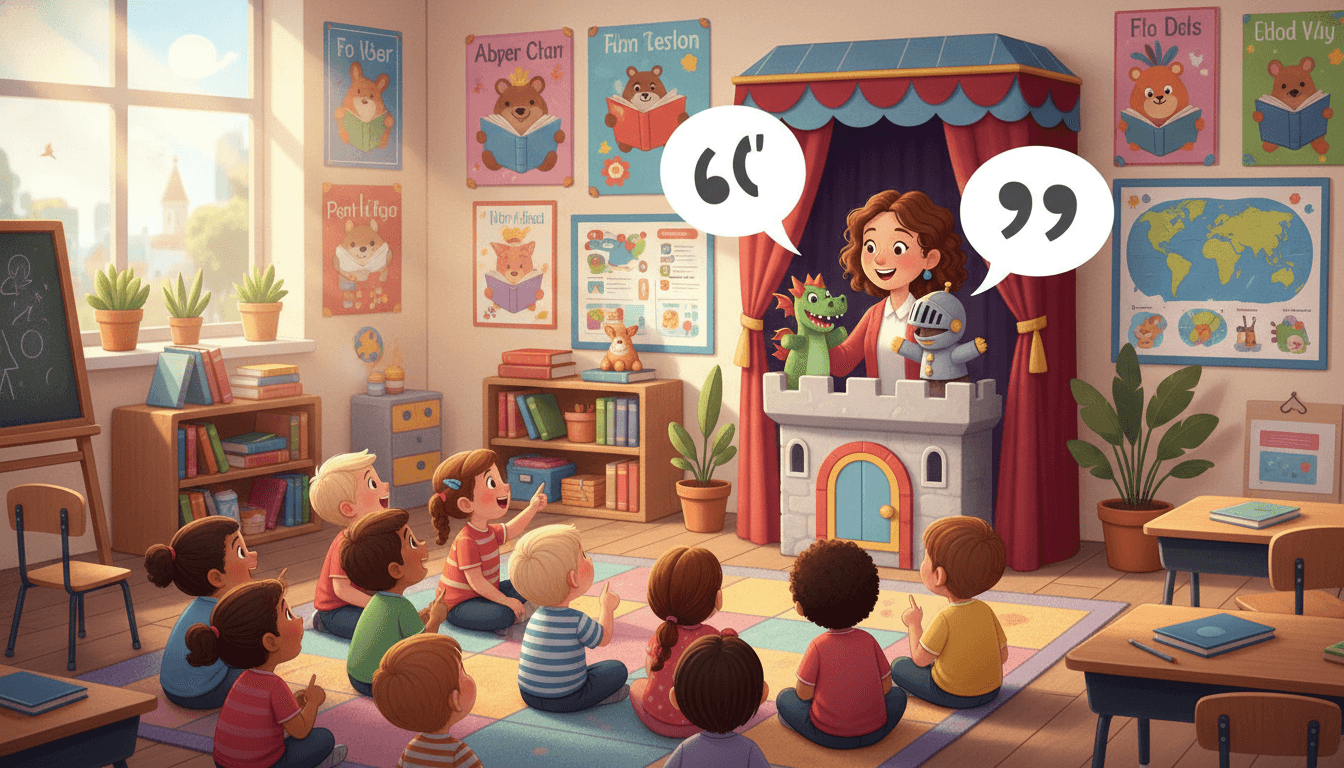
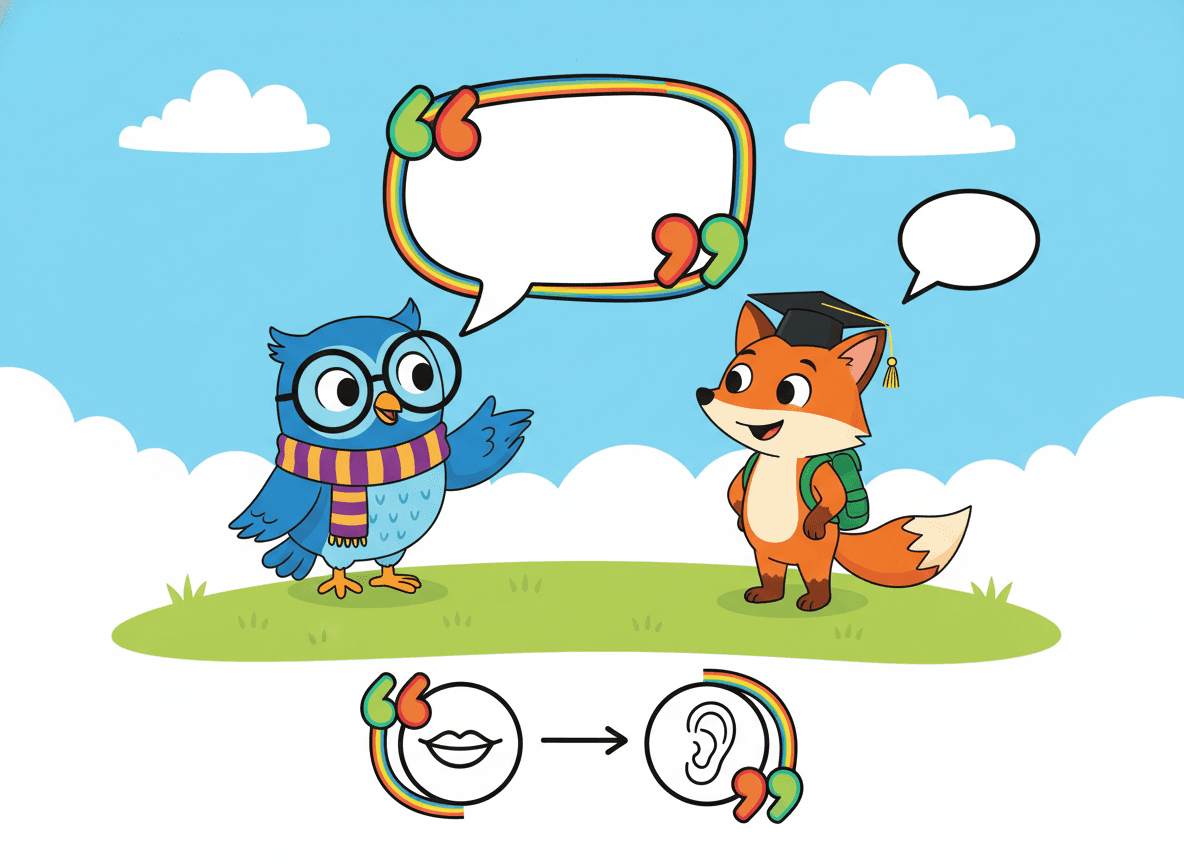
Quotation marks ( " " ) are punctuation marks that go around the exact words a person says, known as direct speech or dialogue. They signal to the reader: these are the speaker's precise words.
Quotation marks have a second use: indicating the titles of short works like poems, songs, short stories, chapters, and articles.
Using Quotation Marks for Dialogue
When writing dialogue in fiction or nonfiction:
- Put quotation marks around the exact words spoken (not a summary)
- The first word inside the quotation marks is capitalized
- Use a dialogue tag (said, asked, whispered, shouted) to identify the speaker
- Punctuation (comma, period, question mark, exclamation mark) goes inside the closing quotation mark
Examples:
"I found the key," Sofia said.
"Where did you find it?" Marcus asked.
"It was hidden under the mat!" she replied.
Marcus whispered, "We should try it on the door."
Punctuation Inside vs. Outside
In American English, commas and periods always go inside the closing quotation marks:
- ✅ "Let's go," he said.
- ❌ "Let's go", he said.
Question marks and exclamation marks go inside when they are part of the quote:
- ✅ "Are you ready?" she asked.
- ✅ He yelled, "Watch out!"
Dialogue Formatting Rules
One speaker per paragraph. Every time the speaker changes, begin a new line:
"Do you want to come?" Aiden asked. "I'm not sure," Mia replied. "It will be fun," he promised.
Without new lines for each speaker, dialogue becomes a confusing tangle.
Dialogue without a tag - sometimes a speech act verb isn't needed:
"I don't know the answer." ← just the spoken words, period inside the quote
Quotation Marks for Titles
Short works get quotation marks; long works get italics or underlining:
Quotation marks: "The Road Not Taken" (poem), "Twinkle Twinkle Little Star" (song), "The Gift of the Magi" (short story), Chapter 3: "The Forest" (chapter title)
Italics/underline: Charlotte's Web (novel), National Geographic (magazine), Frozen (film)
Practice Activities
- Give students a paragraph of dialogue written with no quotation marks or punctuation. Students add all missing punctuation.
- "Fix the formatting" - show dialogue where multiple speakers are on the same line. Students rewrite correctly with new lines.
- Students write a short conversation between two characters (3-4 exchanges) and a partner checks for correct quotation mark use.
- Read a page of dialogue from a novel and identify all the rules being used: quotation marks, new speakers, varied dialogue tags.
Frequently Asked Questions
What are quotation marks used for?
Quotation marks ("") have two main uses in elementary writing: (1) to indicate direct speech or dialogue - the exact words someone said; and (2) to indicate the titles of short works like poems, songs, short stories, and articles. When writing fiction, quotation marks signal to the reader that they are reading the character's actual words, not a summary of what they said.
How do you punctuate dialogue correctly?
The basic rules: (1) Put quotation marks around the exact words spoken. (2) Start the spoken words with a capital letter. (3) Put the comma, period, question mark, or exclamation mark INSIDE the closing quotation mark. (4) Use a dialogue tag (he said, she whispered) separated by a comma. Example: 'I found the treasure,' Maya announced. Or: 'Did you check under the map?' he asked.
When do you start a new line for dialogue?
Every time a different person speaks, start a new paragraph (new line with indent or space). This is an absolute rule in narrative writing - it signals to the reader that a new speaker has taken the floor. Without new lines for each speaker, dialogue becomes confusing and hard to follow. This is often one of the most important formatting lessons to teach when students begin writing dialogue.
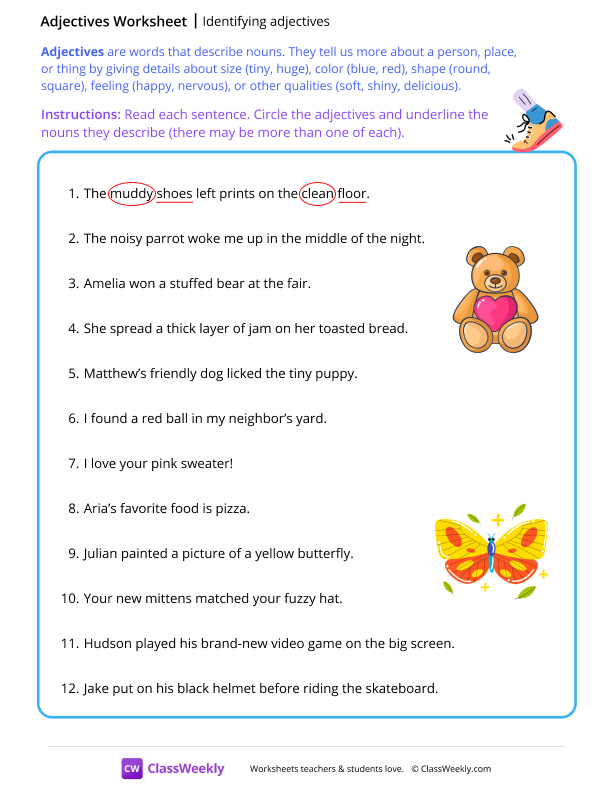
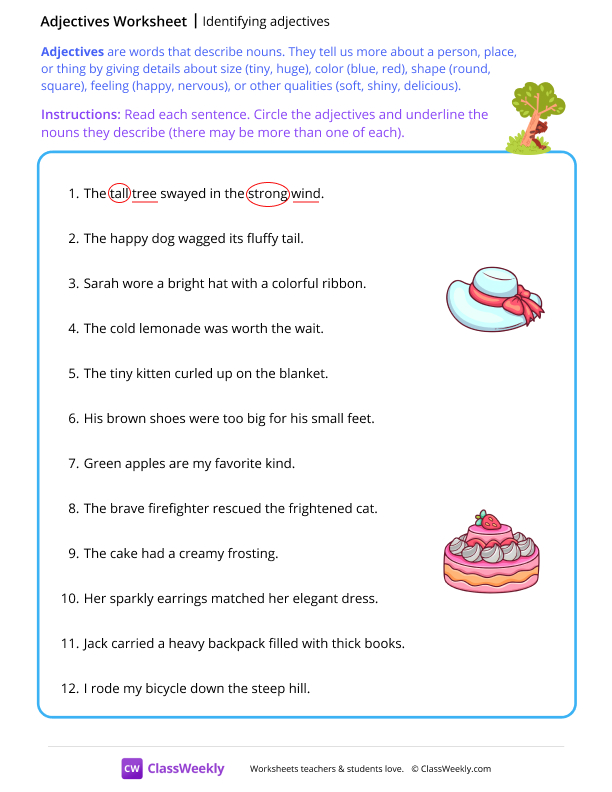
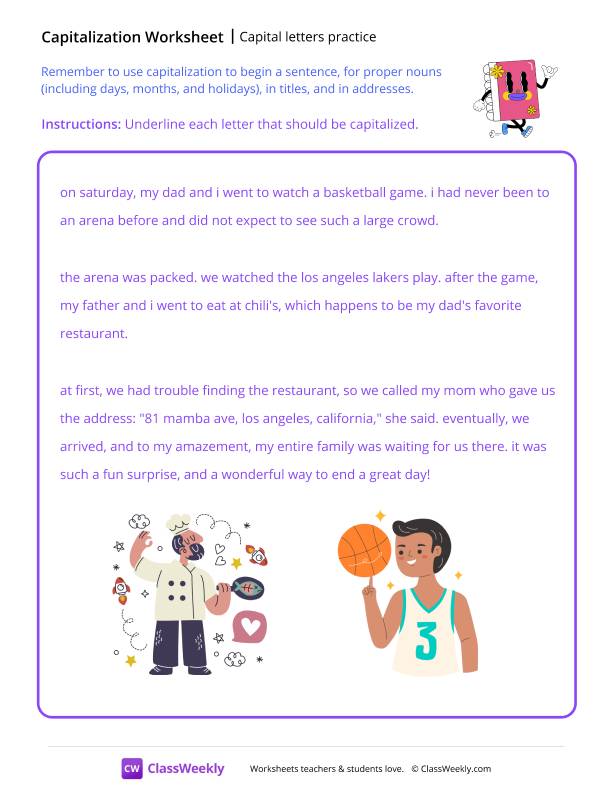
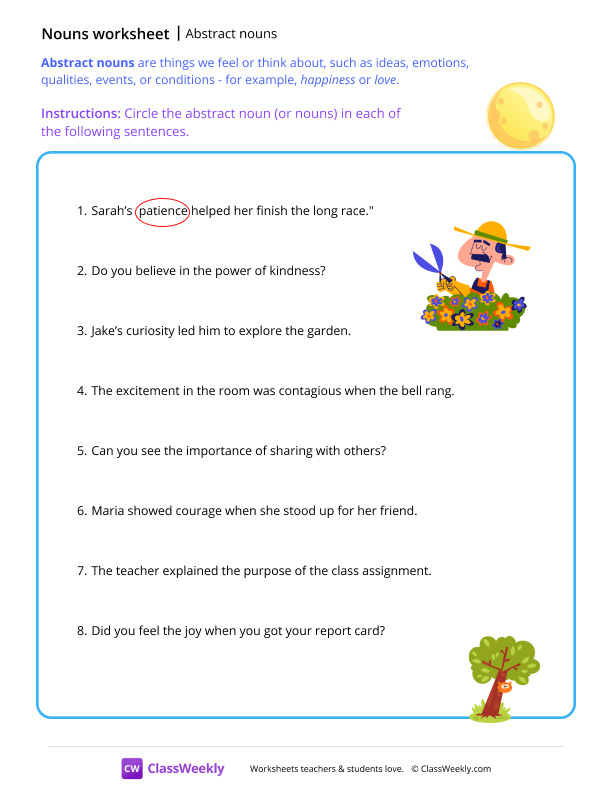
Free Quotation Marks Worksheets
Curriculum-aligned printable worksheets for 2nd – 5th Grade. Download free.