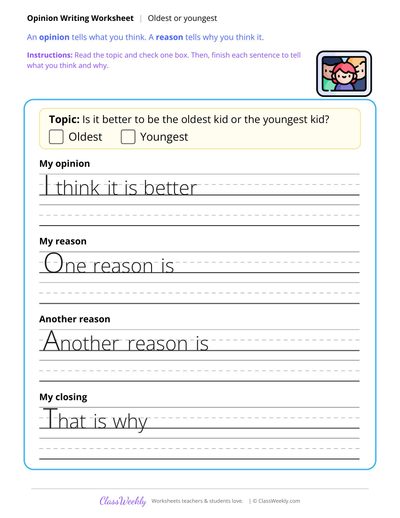
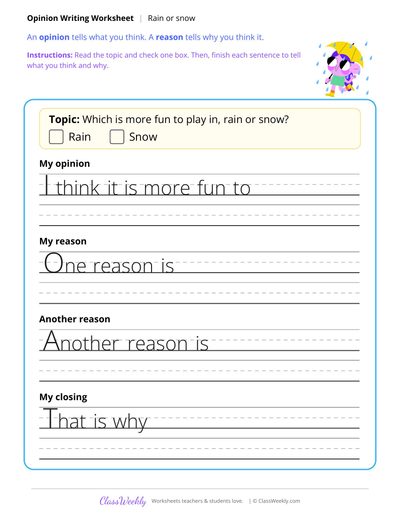
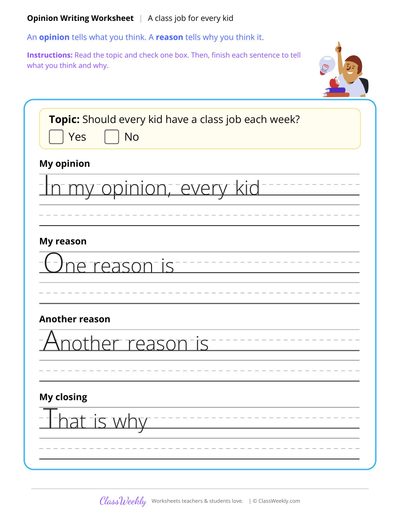
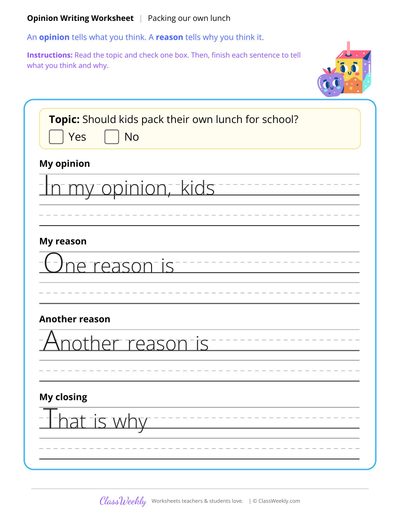
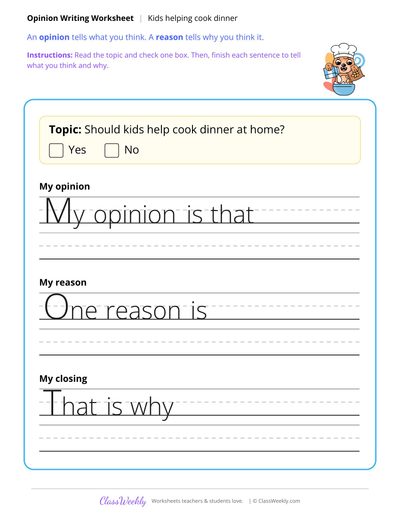
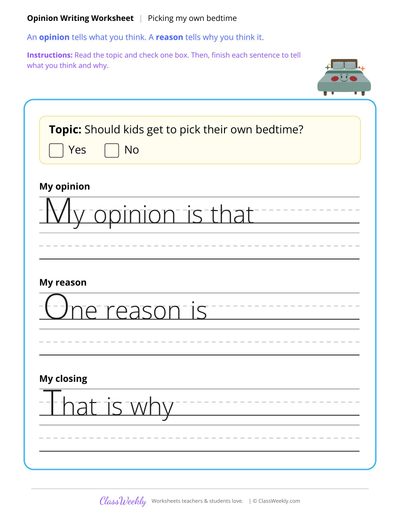
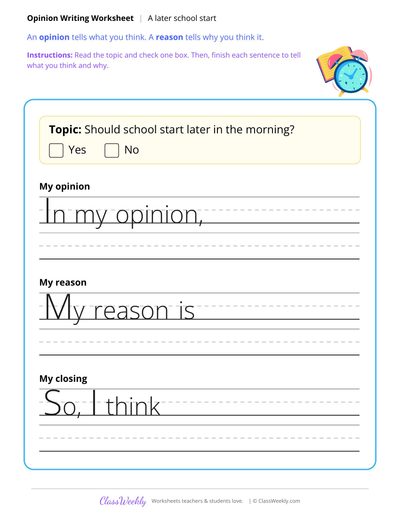
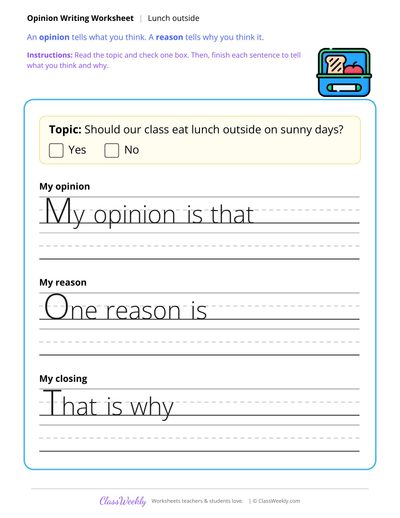
Explore all of our 2nd grade writing prompts worksheets, covering sentence writing prompts, letter writing prompts, write and draw prompts, picture writing prompts, and more.
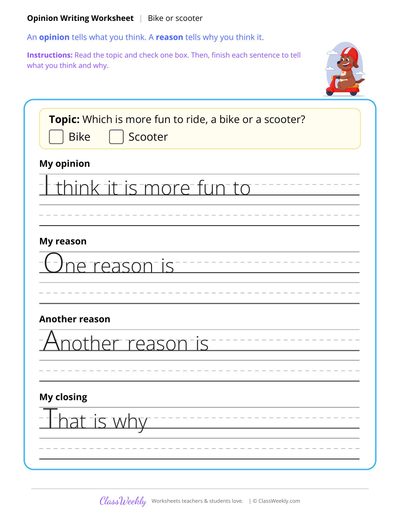
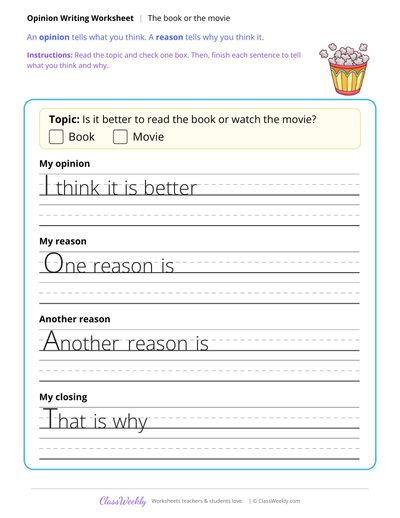
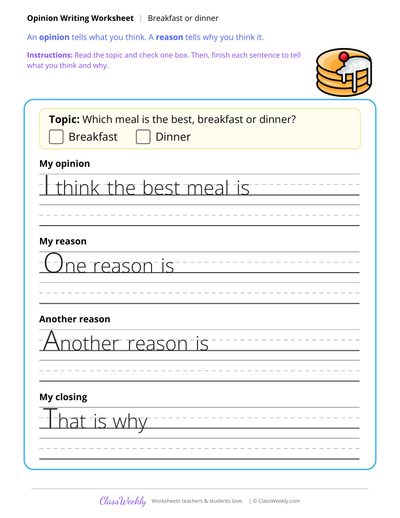
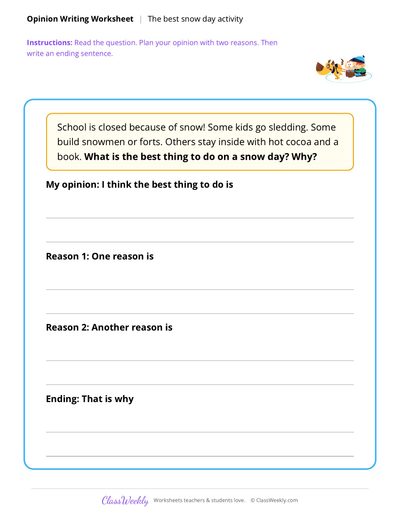
Writing prompts are short questions, pictures, or sentence starters that give second graders a topic to write about. They remove the blank-page barrier so students can focus on forming sentences and paragraphs. Common grade-2 prompts include picture prompts, sentence starters, letter writing, and choose-a-topic prompts.
Prompts give reluctant writers a clear starting point and build writing stamina through regular practice. They let students apply grammar skills like capitalization, punctuation, and complete sentences in real writing (CCSS W.2.1, W.2.2, and W.2.3). Frequent prompt writing also helps children develop their own voice and ideas.
Effective grade-2 prompts include picture prompts (write about what is happening), sentence-finishing prompts, letter writing prompts, and open subject prompts where the child picks a topic. Mixing narrative, opinion, and informative prompts ensures students practice each type of writing the standards expect.
Read the prompt together and let your child talk through their ideas before writing. Encourage a title, then a short paragraph with a beginning, middle, and end. Remind them to use capital letters and end punctuation, and to reread their work so the writing makes sense.
Narrative prompts for 2nd grade ask for a story with a beginning, middle and end: a dragon at the library, a dog who wants to fly, the day my shadow ran away or a map to hidden treasure. The story planners here have the child plan the characters, the problem and how it ends before they draft (CCSS W.2.3).
For most grade-2 prompts, a title plus a short paragraph of about four to six sentences is a strong response. The aim is complete, organized writing rather than length. As the year progresses, students can be encouraged to add more detail and stretch to two paragraphs.
Choose prompts about topics your child loves and let them draw a picture first to spark ideas. Accept invented spelling during first drafts so ideas flow, then revise together. Keeping writing time short and positive, and celebrating finished pieces, builds confidence that turns reluctant writers into willing ones.
Ten of the 105 sheets do, mostly the older one-page writing pages. The story starters, opinion, how-to, informative, journal, seasonal and letter pages, the story writing planners, reflective sheets and all about me pages have no key, since each child writes their own story or tells about their own life.
What is ClassWeekly?
ClassWeekly offers free worksheets and printable learning resources for kids, from preschool up. All worksheets are aligned to Common Core, NGSS, and C3 Framework standards and designed by educators. We also have free online learning games for thousands of skills, and kids' answers turn into a progress report for the grown-up. Start a free 30-day trial to download the worksheets.