Preschool · Math · K.CC.B.5, K.CC.A.3, K.CC.B.4
Numbers Lesson Plan for Preschool
A hands-on numbers session for ages 3 to 5. Fifteen minutes on the carpet, ten at the table, and no expectation that anyone writes independently. 33 printable pages to work through together.
Approximately 32 minutes
Learning objective
- Recognize and point to numbers when an adult names it
- Talk about numbers using the right word, in a phrase or short sentence
- Join in a hands-on numbers activity alongside an adult
Materials
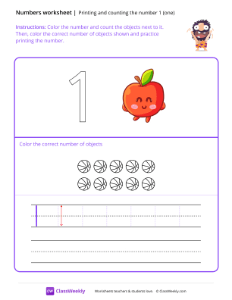
- Count and Print (set of 10, 1 to 10)
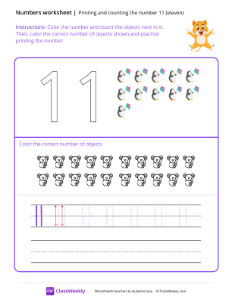
- Count and Print (set of 10, 11 to 20)
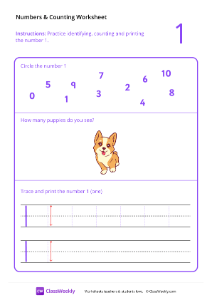
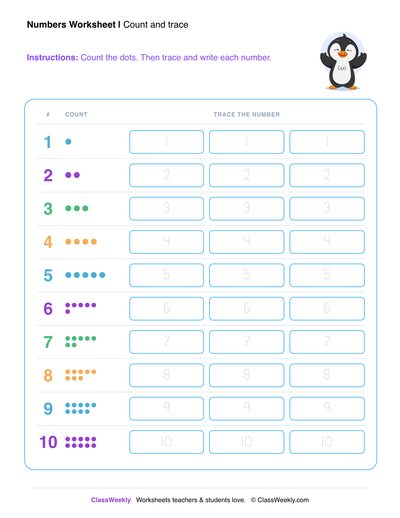
- Counting and Tracing Numbers (set of 10, 1 to 10)
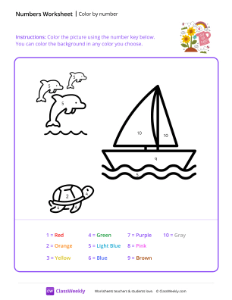
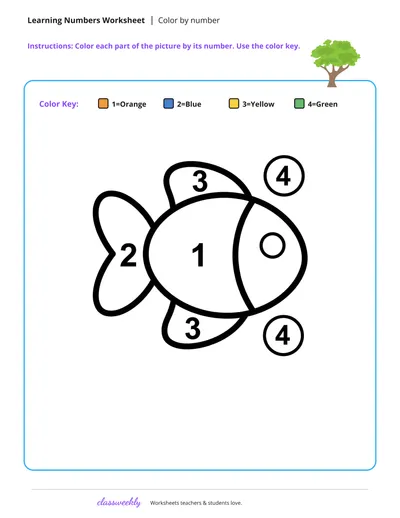
- Color by Number (Boat)
- Count and trace
- Color by number
- Pencils, and whiteboard space for the modeled examples
Lesson steps
1. Circle time introduction (5 min)
Gather everyone on the carpet and show numbers with a real object they can hold. Pass it around. At this age the idea has to be touched before it can be talked about, so resist naming it until every child has had it in their hands.
2. Sing it or move it (5 min)
Turn numbers into a song, a clap, or a movement. Three-and four-year-olds hold rhythm far longer than they hold instructions, and this is the part they will still remember next week.
3. Show me together (8 min)
Work with the whole group using objects, not pencils. Ask individual children to come up and show numbers while the others watch. Keep every turn short so nobody is waiting.
4. Table time (10 min)
Move to the table for "Count and Print". Sit with them. Expect to hold hands, re-explain, and finish some of it together. The page is a shared activity at this age, not independent work.
5. Tidy up and tell (4 min)
While tidying, ask each child to tell you one thing about numbers. A single word is a complete answer. You are checking for the vocabulary, not the explanation.
Check for understanding
Watch, do not test. During table time note which children can point to numbers when you name it, which can name it themselves, and which are still copying a neighbor. That is the whole assessment at this age.
Differentiation
Extra support. A child who is not joining in: sit them beside you and do it hand-over-hand. At three and four, watching an adult do it twice is a legitimate way to take part. Do not withhold the activity until they can do it alone.
Extension. A child who is ahead: ask them to find numbers somewhere else in the room, then show a friend. Explaining it to another child is the stretch at this age, not harder work on the page.
Skills covered in this lesson
Learning numbers · Tracing numbers · Printing numbers · Counting numbers 1-10 · Numbers 1-10 · Numbers Words · Writing Number Words · Count and Trace · Sequence 1 to 10 · Order 1 to 10 · Sequence Counts · Color By Number