

A New School Year Checklist for Grade-Level Teams
Resource decisions made teacher by teacher, rather than as a team, tend to produce exactly what you'd expect: three different worksheet sources, no shared vocabulary between classrooms, and a lot of duplicated effort finding materials everyone secretly needed anyway. Here's how to plan resources as a grade-level team instead.
Why Grade-Level Teams Should Plan Resources Together, Not Teacher by Teacher
When each teacher on a grade-level team sources their own materials independently, students moving between classes for intervention or enrichment often hit inconsistent formats and vocabulary, and teachers lose the ability to easily compare notes on what's working. Planning resources as a team, even loosely, means every classroom on the grade is pulling from the same well, which makes collaboration and consistency much easier by default.
Free Back-to-School Worksheets


Free Kindergarten Letter Worksheets


Free 2nd Grade Sentence Worksheets


Auditing Gaps from Last Year as a Team
Before deciding on anything new, the most useful first step is an honest team conversation about where last year's materials fell short: which skills didn't have enough practice available, which topics required teachers to build materials from scratch, and where the team ended up using three different sources for the same subject because no single one covered everything.
A Worked Example: What This Looks Like for a Team of Five
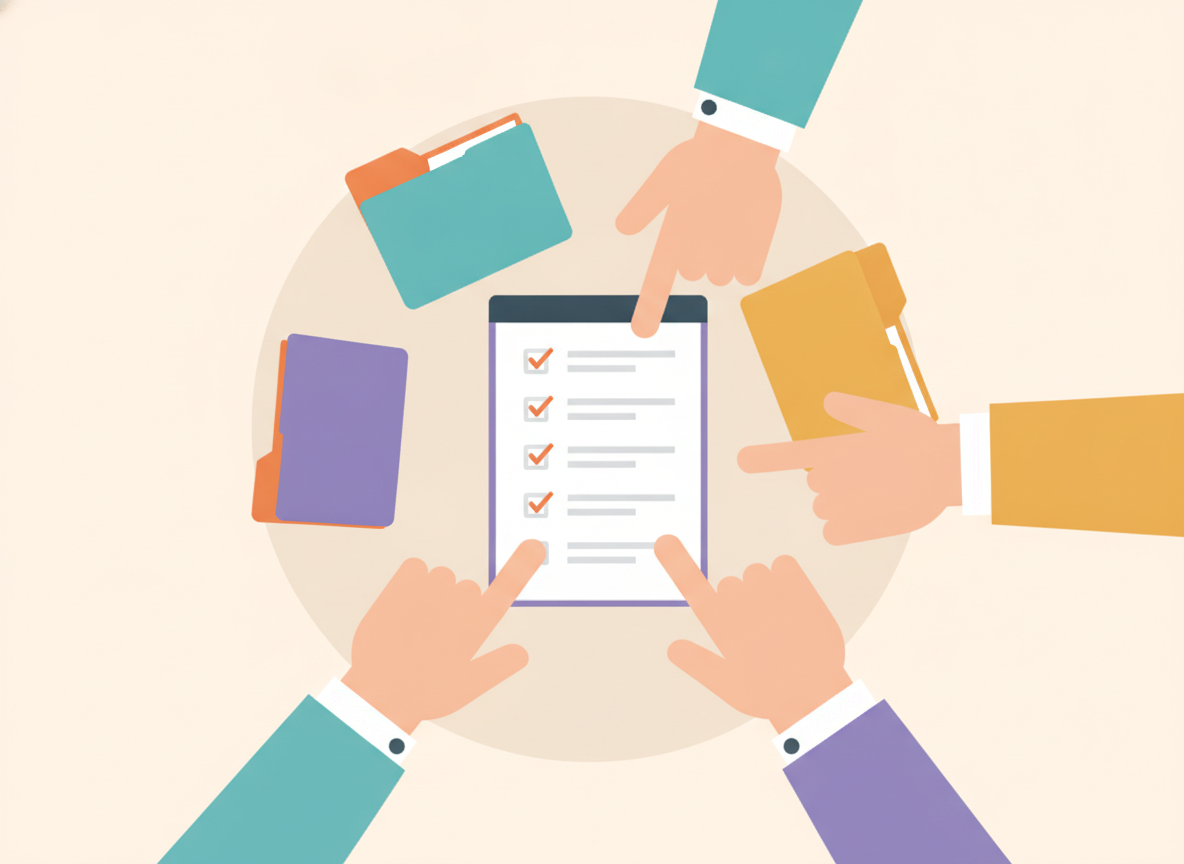
Say a 4th grade team of five teachers sits down for 45 minutes before the first pre-service day. Going subject by subject, they name what didn't work last year: math intervention materials that only covered half the standards they needed, a grammar resource two teachers liked and three didn't, and a reading comprehension set nobody quite remembers choosing, it just sort of accumulated over a couple of years. That's a completely normal audit result. The point isn't to arrive at a perfect answer in one meeting. It's to get the gaps named out loud, in front of the whole team, instead of each teacher quietly patching around them solo for another year.
This also matters for new teachers who join a grade-level team mid-year or the following fall. A first-year teacher stepping into a classroom is better served walking into a team that already has a shared, standardized set of materials than one where they need to reverse-engineer four different personal preferences before they can plan a single lesson. Consistency benefits the newest person on the team as much as it benefits the students moving between classrooms.
Standardizing on a Shared Resource Library Across the Grade
Once the gaps are named, standardizing on one shared resource library across the team removes a lot of the friction an audit usually surfaces. A School Site License covers the full K-5 library across Math, Reading, and Grammar & Writing under one flat annual price for the whole staff, which means every teacher on a grade-level team pulls from the same source without needing separate individual accounts or reimbursement requests.
When to Loop In Your Principal or Curriculum Director
A grade-level team can standardize on a shared resource informally, without needing sign-off for every decision. But there's a point where it's worth looping in a principal or curriculum director: when the cost crosses whatever threshold your school treats as a real purchase, when the resource would extend beyond just this one grade level, or when the team wants budget covered centrally rather than out of individual classroom funds. Bringing a concrete, already-discussed request, this is what we need, this is what it costs, this is why, tends to move faster through approval than a vague request to look into some options.
Building In a Mid-Year Check-In
A resource plan made at the start of the year rarely needs zero adjustment by January. Skills that seemed well covered in August sometimes turn out thin once the team is actually teaching them, and new gaps show up that nobody could have predicted in a pre-service meeting. Building a short mid-year check-in into the team's existing planning time, even 15 minutes at a regularly scheduled meeting, gives the team a natural point to ask the same questions again: is anything still missing, is everyone still using what we agreed on, has anything changed. Waiting until next August to revisit the plan means living with a known gap for most of a school year.
A Checklist for Your First Team Planning Meeting
Bring this short list to your first planning meeting of the year:
- What subjects or skills did the team struggle to find good materials for last year?
- Are we currently using more than one source for the same subject, and could we consolidate?
- Does everyone on the team have access to the same materials, or does access vary by who paid for what?
- Who's responsible for flagging a resource gap during the year, and where do those requests go?
This pairs naturally with a broader guide for grade-level team leads on what to check before recommending a new vendor to the rest of the team, worth reading together if your team is evaluating options for the first time.
Ready to standardize your grade-level team on one shared library? Get Started to see pricing by school size, or request a quote if you're coordinating across multiple grade teams.

Adi Ackerman
Head Teacher
Adi is the Head Teacher at ClassWeekly, with years of experience teaching elementary students. She designs our curriculum-aligned worksheets and writes practical guides for teachers and parents.
Keep Reading
Ready to download? Try ClassWeekly free for 30 days.
Unlimited worksheets for PreK through 5th grade. Cancel anytime.