Which one does not belong? Part one
Written by Adi Ackerman, Head Teacher
"Which one does not belong? Part one" is written for Kindergarten (Ages 5-6). If your little one is a year younger but already steady on sorting, the page still works. You may just need to read the instructions out loud. And if they are older and which one does not belong? part one never quite stuck, this is a short review rather than busywork.
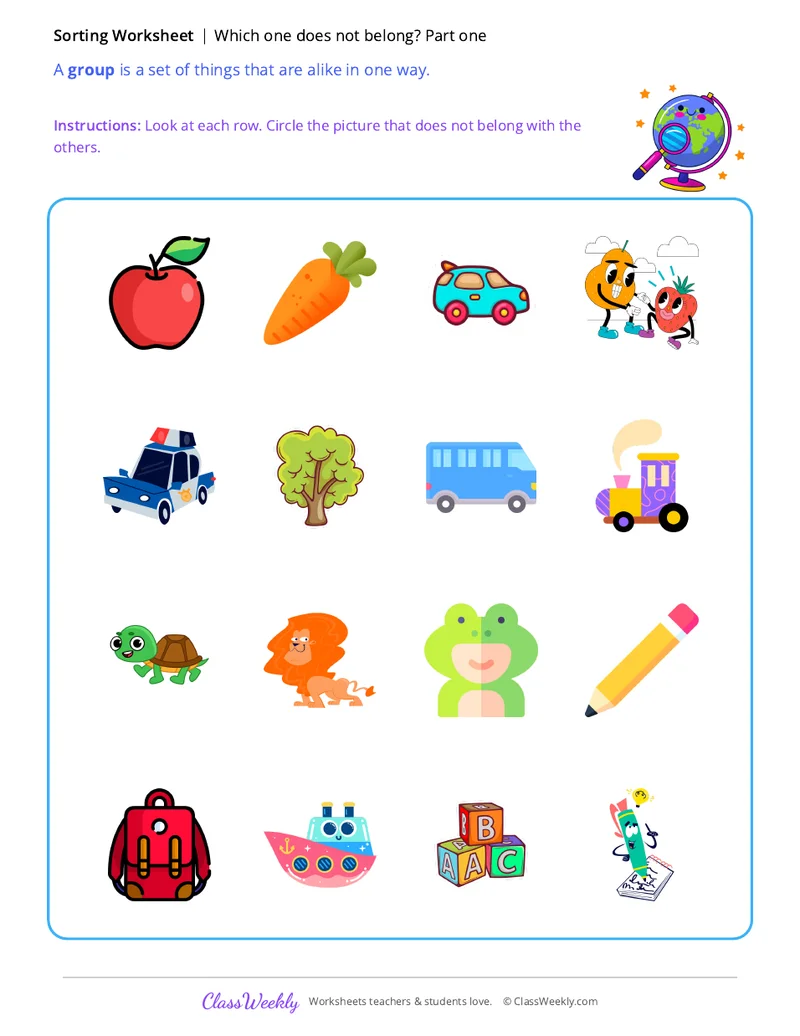
Circle pictures to practice Which one does not belong? Part one. A free kindergarten social studies worksheet from ClassWeekly. Part of our which one does not belong? part one sorting collection. Aligned to C3 Framework standards.
How do I use this worksheet?
Start with a question students can talk about right away: "What do you already know about which one does not belong? part one?" or a picture on the board to look at together. Then let students work through it with your modeling first (do the first item together on the board), then try the rest with a partner, keeping a map, calendar, or word bank in view if the activity uses one. When you review, ask students what surprised them or what they'd like to find out next. These which one does not belong? part one worksheets work well as a class discussion starter, an independent center activity, or a take-home page to talk about with family.
What students will practice
- Students will describe which one does not belong? part one using vocabulary and examples appropriate for their grade level.
- Students will connect what they observe or a picture read aloud with them about which one does not belong? part one to what they already know.
- Students will use what they learn about which one does not belong? part one to answer questions and explain their thinking.
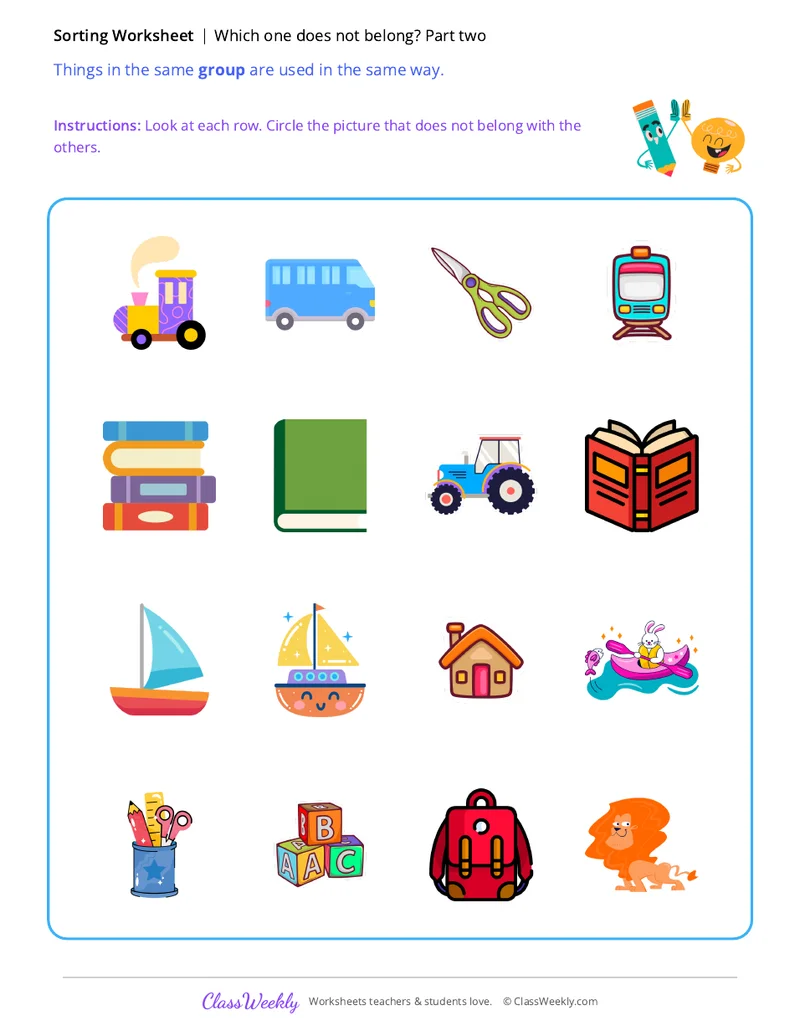
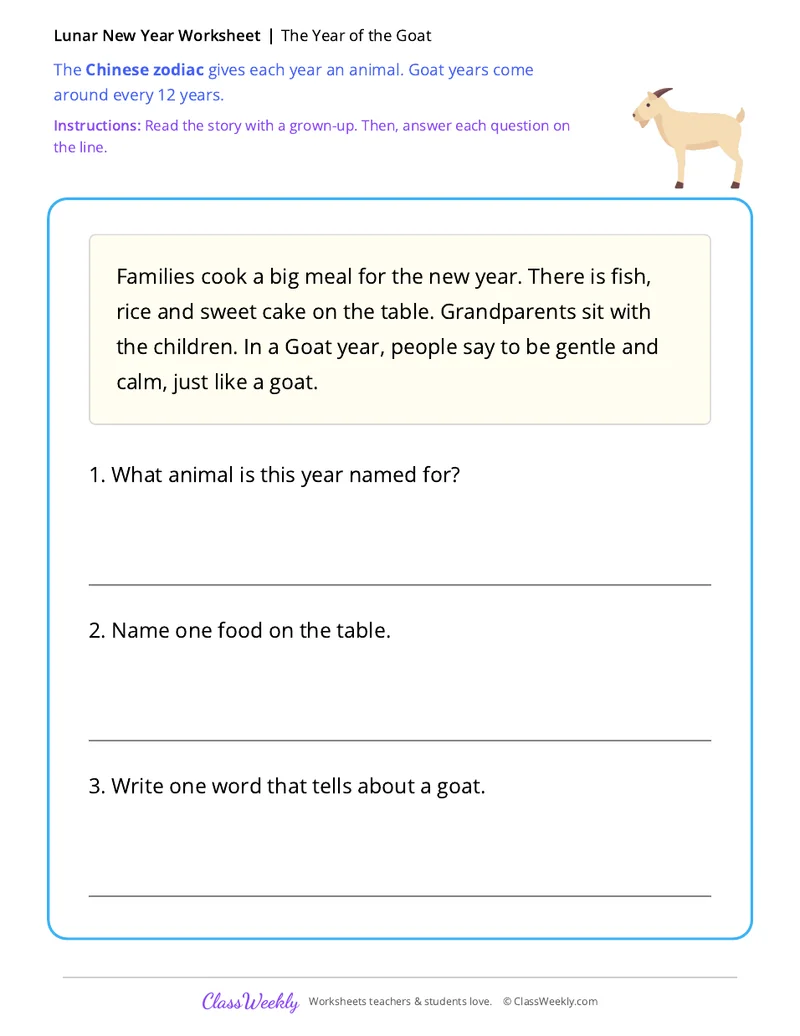
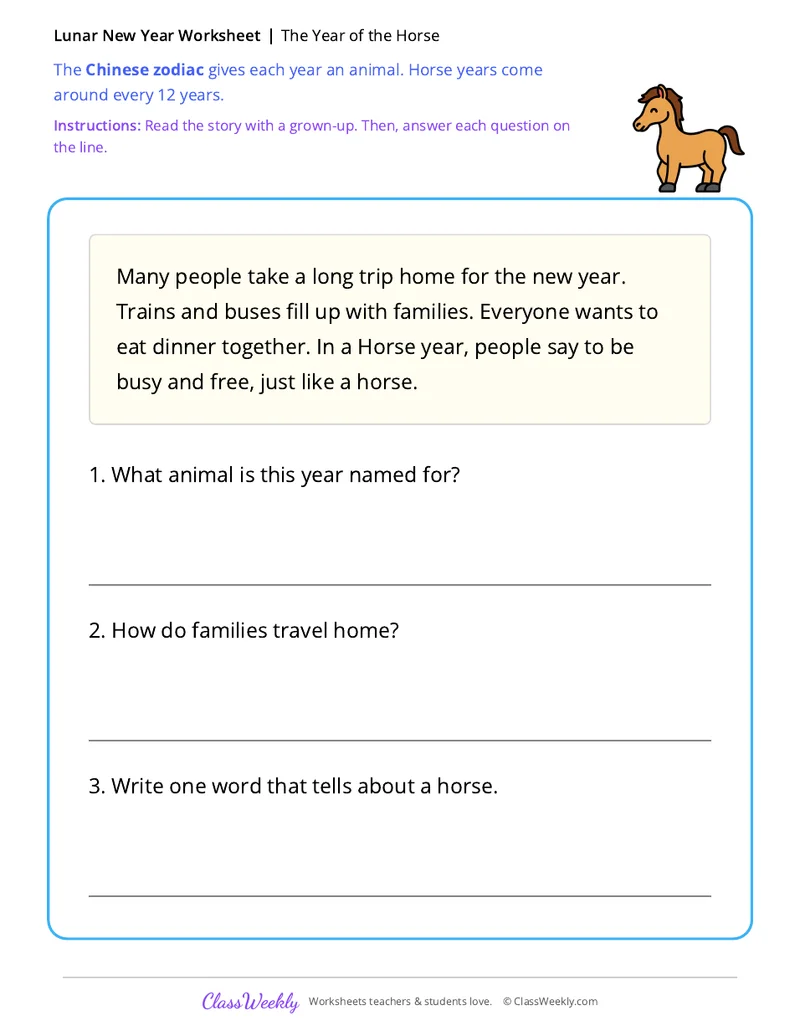
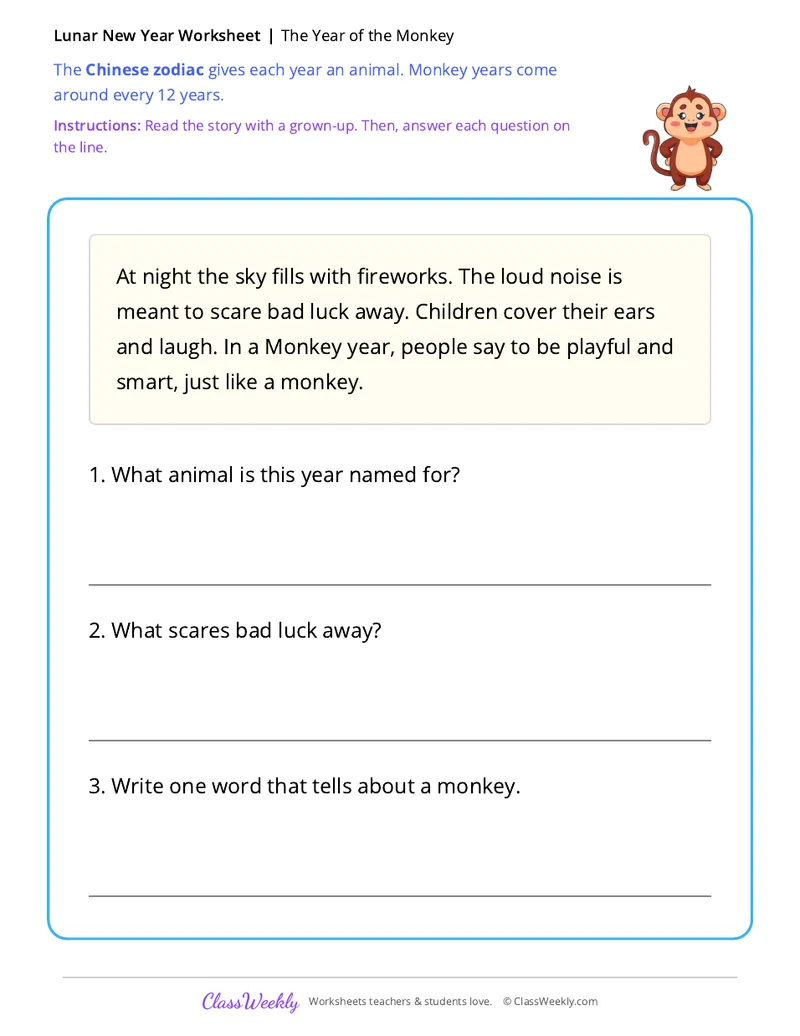
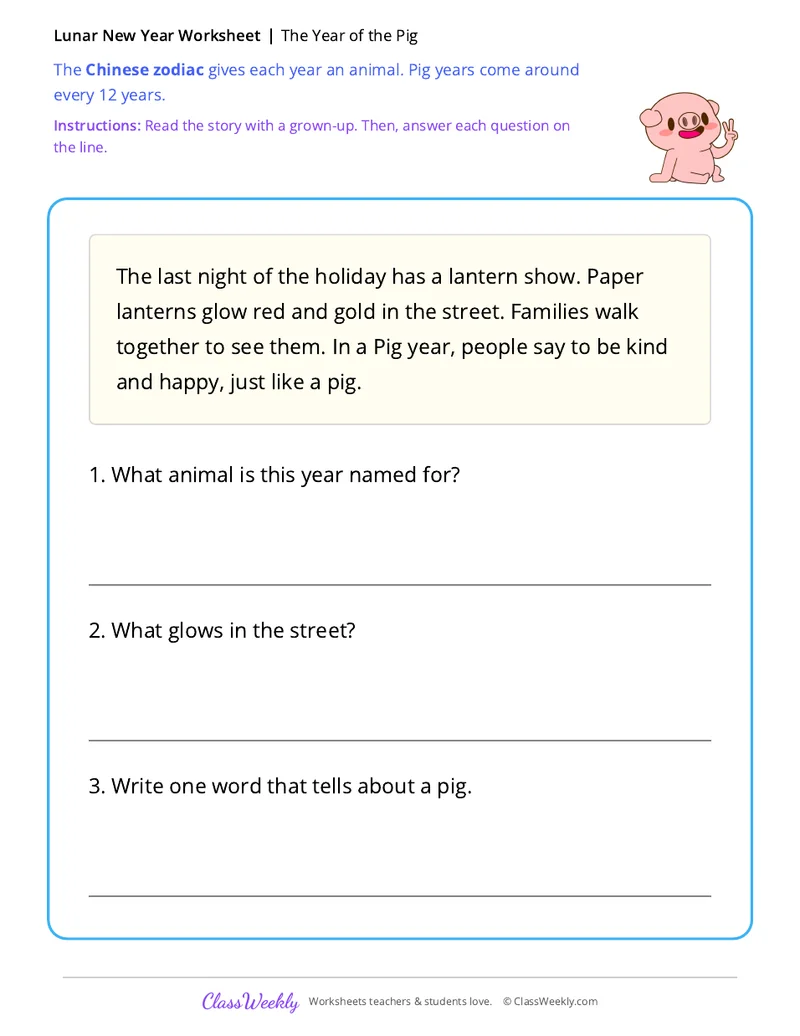
Curriculum Links
Find this in the curriculum
Browse the grade, subject, and topic this belongs to.
FAQ
How do I use this which one does not belong? part one worksheet?
⌄
Start with a question students can talk about right away: "What do you already know about which one does not belong? part one?" or a picture on the board to look at together. Then let students work through it with your modeling first (do the first item together on the board), then try the rest with a partner, keeping a map, calendar, or word bank in view if the activity uses one. When you review, ask students what surprised them or what they'd like to find out next. These which one does not belong? part one worksheets work well as a class discussion starter, an independent center activity, or a take-home page to talk about with family.
What does this worksheet teach?
⌄
These which one does not belong? part one worksheets for Kindergarten give students a first hands-on look at one of the big ideas in sorting. Students label, sort, match, and answer questions that connect which one does not belong? part one to the wider world beyond their own classroom. Each page keeps the vocabulary concrete and the reading light, so the social studies content stays the focus rather than the reading level. Working through which one does not belong? part one on paper gives Kindergarten students a shared reference point for class discussion and a keepsake for what they noticed.
Can I use this which one does not belong? part one worksheet for homeschool or classroom?
⌄
Yes, both. We made it for Kindergarten sorting, and the page works the same whether it lands on a kitchen table or a center rotation. At home, most families go through it together and talk the answers out loud, and that talking is where most of the learning happens with which one does not belong? part one. In class it runs well as independent work while you pull a small group. Print one copy or thirty, whichever the day needs.
What does sorting by which one does not belong? part one teach?
⌄
Sorting by which one does not belong? part one means grouping things that share that attribute. Sorting is the beginning of classifying, which underpins data work later.
Is sorting really math?
⌄
Yes. Deciding what makes things alike, applying that rule consistently, and explaining it are the same moves used later with graphs, tables and categories. It is also where children first practice holding a rule in mind while working.
My child sorts by a different rule than the one intended. Is that wrong?
⌄
Not if the rule is applied consistently and they can say what it is. Sorting by color when the page expects which one does not belong? part one is still valid mathematical thinking. Ask them to explain, then ask whether they can find another way to sort the same set.
What does a 'which one does not belong' worksheet teach?
⌄
A 'which one does not belong' worksheet shows a row of four pictures, three that share something in common and one that does not, and asks the student to circle the odd one out, practicing classification and reasoning skills that support every other sorting activity in this pack, from goods and services to wants and needs. This general sorting and classification skill does not map to a specific C3 Framework indicator on its own, since it is a thinking skill rather than a social studies content area, but it is the underlying ability that makes the content-specific sorting worksheets elsewhere in this pack possible.
Why is sorting and classification considered a foundational social studies skill?
⌄
Nearly every social studies concept a kindergartner learns, wants versus needs, goods versus services, land versus water versus air transportation, past versus present, ultimately requires the same underlying skill: looking at a set of items and correctly grouping them based on a shared property. A 'which one does not belong' worksheet isolates and practices that skill directly, without the added cognitive load of also learning new social studies vocabulary at the same time, which is why it functions well as a warm-up or supplement to the content-specific sorting worksheets elsewhere in this pack.
How should a teacher use the two 'which one does not belong' worksheets?
⌄
Both worksheets in this set use the same four-picture-per-row format with different image sets, so they work well used a few weeks apart, as a quick check that students retain the sorting skill, rather than back to back. Because the task requires the student to identify what the three matching pictures have in common before spotting the outlier, having students explain their reasoning out loud, not just circle an answer, gets more value out of the worksheet than treating it as a purely independent, silent activity. Pairing this worksheet with a content-specific sorting worksheet in the same week, wants and needs or goods and services, reinforces the general skill and its applied version together.
Ratings & Reviews
No reviews yet. Be the first to share what you think.
Reviews are for ClassWeekly members.
Make a Request
Spotted something to fix, or want a worksheet we don't have yet? Tell us and we'll make it.
Worksheet Details
| Grade | Kindergarten |
| Subject | Social Studies |
| Topic | Sorting |
| Pages | 1 page |
| Difficulty | Medium |
What is ClassWeekly?
ClassWeekly offers free worksheets and printable learning resources for kids in preschool to grade 5. All worksheets are aligned to Common Core, NGSS, and C3 Framework standards and designed by educators. Become a member to access the full library and download unlimited PDFs.