Comparing fractions (same denominators)
Written by Adi Ackerman, Head Teacher
"Comparing fractions (same denominators)" is written for 2nd Grade (Ages 7-8), and it covers Common Core 3.NF.A.3. If your little one is a year younger but already steady on fractions, the page still works. You may just need to read the instructions out loud. And if they are older and comparing fractions never quite stuck, this is a short review rather than busywork.
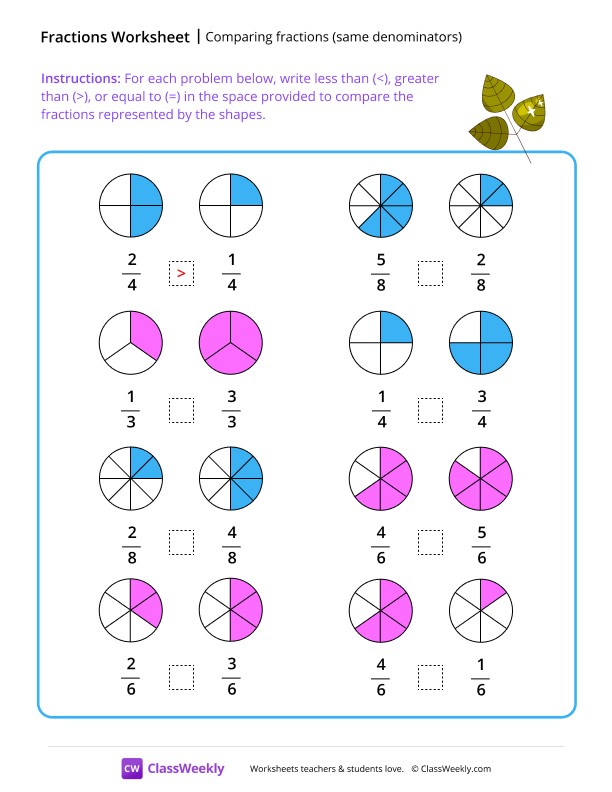
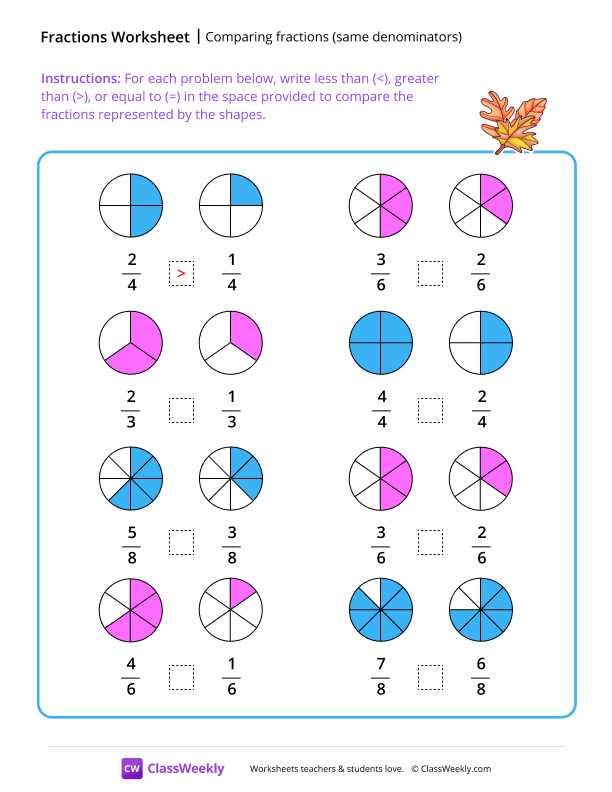
2 pages in this set
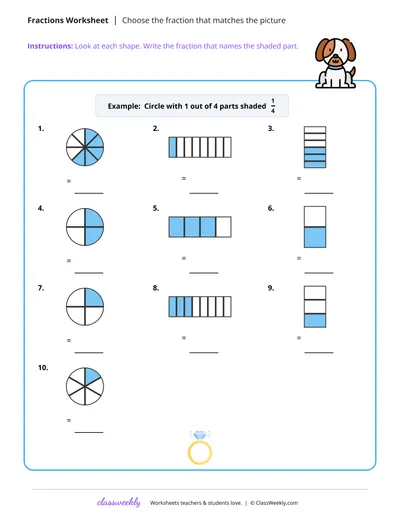
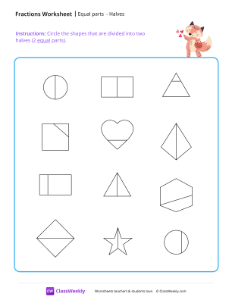
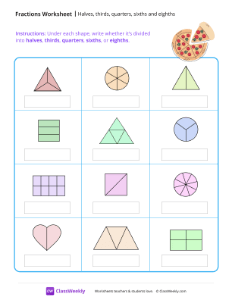
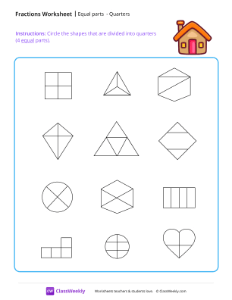
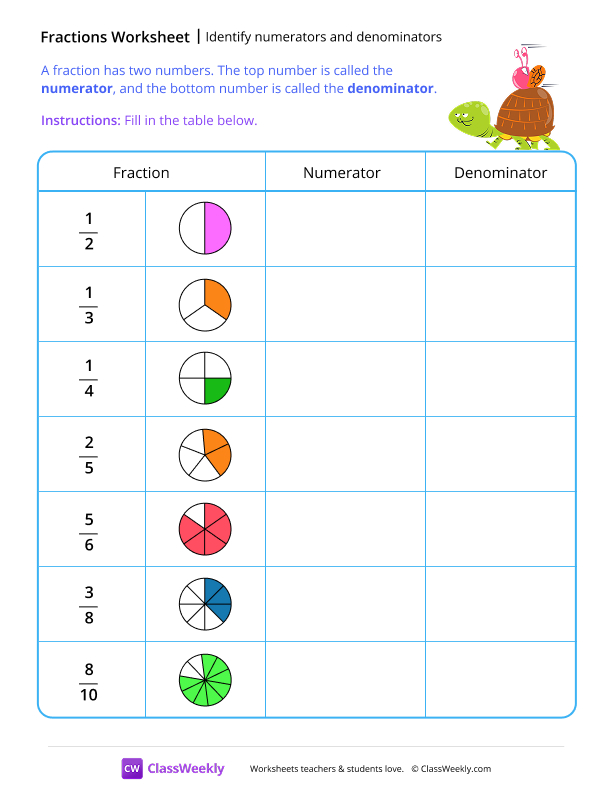
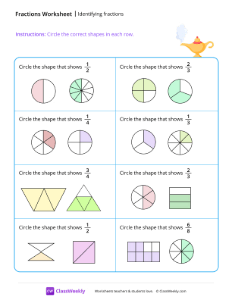
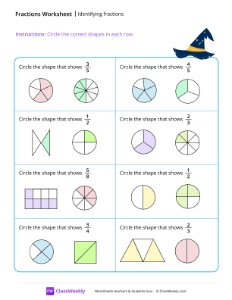
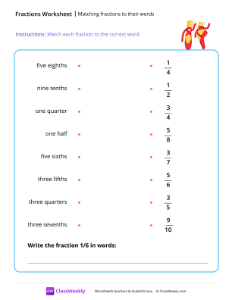
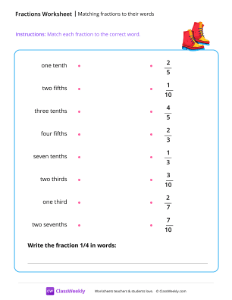
Free printable comparing fractions (same denominators) (leaves) worksheet for 3rd grade students. Part of our comparing fractions collection. Aligned to Common Core standards.
How do I use this worksheet?
Before handing out the worksheet, briefly introduce the concept with a short oral warm-up or a visual model on the board. Let students work through it independently after a quick group example, checking in with a partner if they get stuck, encouraging them to talk through their thinking: "What strategy are you using? How do you know that is right?" After completing the worksheet, review any missed problems together and discuss the reasoning rather than just the answer. For extra support, let students use manipulatives or draw pictures alongside the written problems. These comparing fractions worksheets work well as daily practice, homework, or a focused review activity.
What students will practice
- Students will recognize and apply comparing fractions concepts using number lines and place-value models.
- Students will solve problems involving comparing fractions with increasing accuracy and confidence.
- Students will connect comparing fractions skills to real-world situations and explain their reasoning clearly.
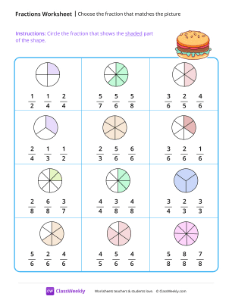
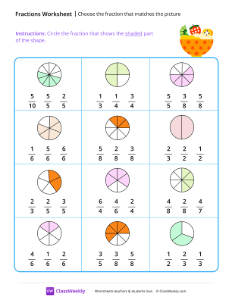
Curriculum Links
Common Core State Standards
Number and Operations-Fractions · 2nd Grade
Standard: Explain equivalence of fractions in special cases, and compare fractions by reasoning about their size.
View all 3.NF.A.3 worksheets →Find this in the curriculum
Browse the grade, subject, and topic this belongs to.
FAQ
How do I use this comparing fractions worksheet?
⌄
Before handing out the worksheet, briefly introduce the concept with a short oral warm-up or a visual model on the board. Let students work through it independently after a quick group example, checking in with a partner if they get stuck, encouraging them to talk through their thinking: "What strategy are you using? How do you know that is right?" After completing the worksheet, review any missed problems together and discuss the reasoning rather than just the answer. For extra support, let students use manipulatives or draw pictures alongside the written problems. These comparing fractions worksheets work well as daily practice, homework, or a focused review activity.
What does this worksheet teach?
⌄
These comparing fractions worksheets for 2nd grade give students the structured, hands-on practice they need to build confidence and fluency. Students work through a range of problem formats, from visual models and diagrams to written equations and word problems, so they encounter comparing fractions from every angle. Each worksheet is designed to build on prior knowledge while introducing the level of challenge appropriate for 2nd grade. Practicing comparing fractions at this stage strengthens the mathematical foundations that support more advanced concepts in later grades.
Can I use this comparing fractions worksheet for homeschool or classroom?
⌄
Yes, both. We made it for 2nd Grade fractions, and the page works the same whether it lands on a kitchen table or a center rotation. At home, most families go through it together and talk the answers out loud, and that talking is where most of the learning happens with comparing fractions. In class it runs well as independent work while you pull a small group. Print one copy or thirty, whichever the day needs.
What comparison strategies do 2nd graders use when comparing fractions?
⌄
Students use same-denominator reasoning, same-numerator reasoning, benchmark fractions like one-half, and visual bar or area models to compare fractions.
Why is mixed fraction comparison practice important?
⌄
Mixed practice forces students to select and apply the right strategy for each problem, building flexible thinking rather than mechanical rule application.
How do comparing fractions worksheets prepare students for 3rd grade?
⌄
Strong comparison skills in 2nd grade directly support the 3rd grade standards that require students to compare fractions formally using number lines and equivalent fraction reasoning.
What fraction skills should second graders have?
⌄
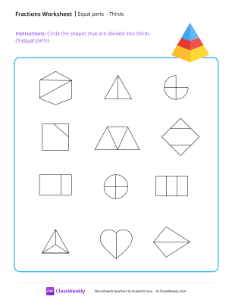
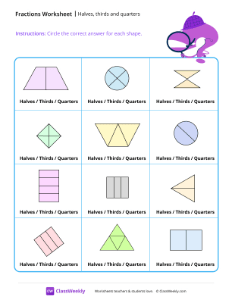
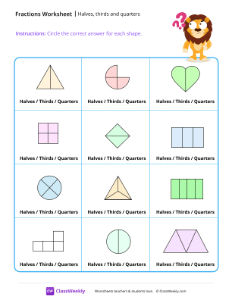
Second graders should partition circles and rectangles into two, three, and four equal shares, describe the shares using the words halves, thirds, and fourths (or quarters), and recognize that equal shares of identical wholes do not need to have the same shape (CCSS 2.G.A.3). They extend the first-grade understanding by adding thirds and by recognizing that partitioning the same shape into more parts creates smaller parts. Students should describe a whole as two halves, three thirds, or four fourths. Worksheets that ask children to divide shapes into equal parts, identify the fraction name of each part, and compare the size of halves versus thirds versus fourths build this foundational understanding that prepares students for formal fraction work in third grade.
How do you teach thirds to second graders?
⌄
Start with real objects: divide a piece of clay or a strip of paper into three equal pieces. Emphasize that each piece must be the same size. Show circles divided into three equal sections and rectangles divided into three equal rows or columns. Compare thirds to halves: fold one paper in half and another in thirds, and ask which pieces are bigger. This helps children understand that more parts means smaller parts. Worksheets that show shapes divided correctly and incorrectly into thirds and ask students to identify which shows equal parts develop critical thinking. Use the vocabulary consistently: "each part is one third" and "three thirds make a whole" to build the language foundation for fraction notation in third grade.
Why do second graders learn fractions with shapes instead of numbers?
⌄
Second graders learn fractions through shape partitioning because visual and hands-on experiences build the conceptual understanding that fraction notation alone cannot provide. When a child divides a circle into four equal parts, they can see and touch what one fourth looks like. This concrete experience prevents common misconceptions, such as thinking 1/3 is less than 1/4 because 3 is less than 4. The shape-based approach also teaches that fractions represent equal parts of a whole, which is the most important fraction concept. Worksheets with shapes to partition and color give children repeated practice with this visual model. By the time students encounter fraction notation in third grade, they have a strong mental picture of what fractions represent.
Ratings & Reviews
No reviews yet. Be the first to share what you think.
Reviews are for ClassWeekly members.
Make a Request
Spotted something to fix, or want a worksheet we don't have yet? Tell us and we'll make it.
Learn More
What is ClassWeekly?
ClassWeekly offers free worksheets and printable learning resources for kids in preschool to grade 5. All worksheets are aligned to Common Core, NGSS, and C3 Framework standards and designed by educators. Become a member to access the full library and download unlimited PDFs.