Disease, land and law
Written by Adi Ackerman, Head Teacher
"Disease, land and law - Effects of First Fleet Contact on First Nations Australians" is written for 4th Grade (Ages 9-10), and it covers Common Core RI.4.1. If your little one is a year younger but already steady on reading comprehension, the page still works. You may just need to read the instructions out loud. And if they are older and disease, land and law never quite stuck, this is a short review rather than busywork.
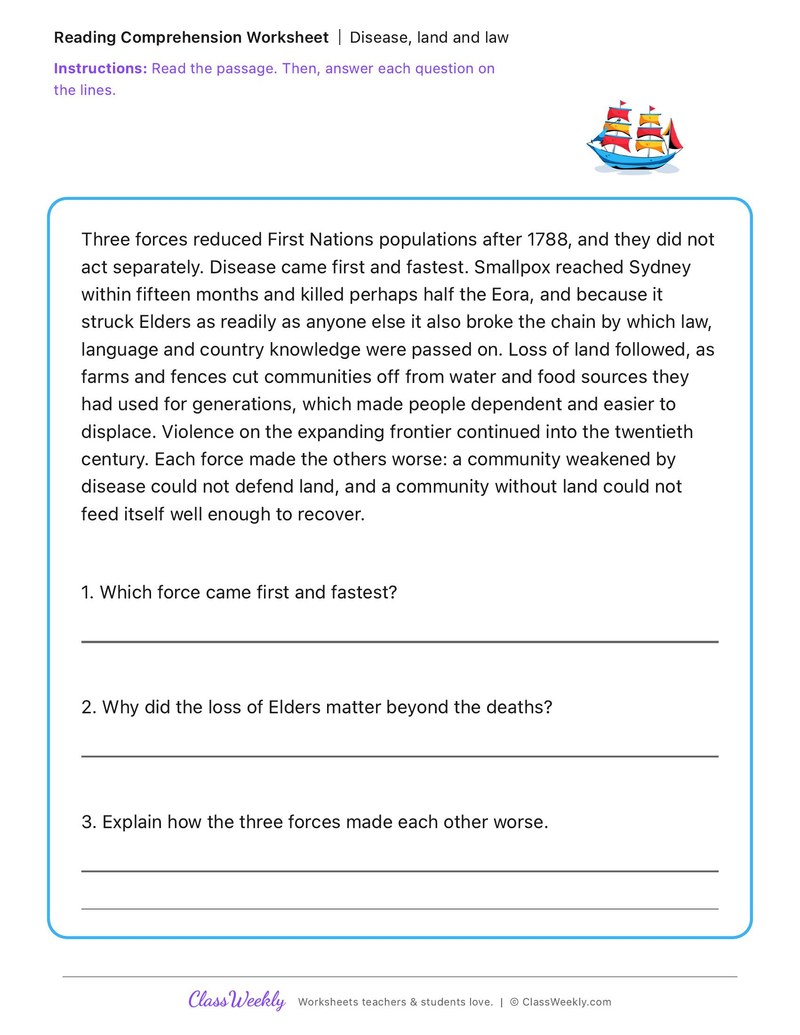
Free printable disease, land and law (effects of first fleet contact on first nations australians) worksheet for 4th grade students. Part of our disease, land and law reading comprehension collection. Aligned to Common Core standards.
How do I use this worksheet?
Begin with a shared reading or oral warm-up that highlights disease, land and law so students hear and see the skill in context before practicing it independently. Have students work through it independently, since students at this age benefit more from productive struggle than from being walked through each step, especially for phonics-based tasks where saying an answer aloud first helps. After completing the worksheet, use one or two examples from the page to start a discussion: "Where else have you seen this in your reading?" These disease, land and law worksheets are ideal for use during small group reading time, as independent center work, or as a homework activity.
What students will practice
- Students will identify and apply disease, land and law knowledge to decode and comprehend grade-level text.
- Students will recognize patterns and rules related to disease, land and law in spoken and written language.
- Students will build fluency and confidence with disease, land and law through independent reading and discussion.
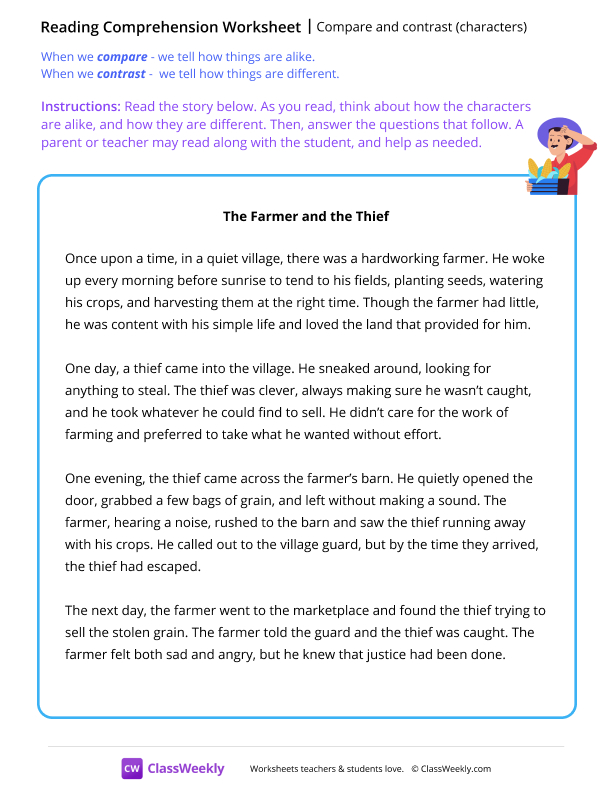
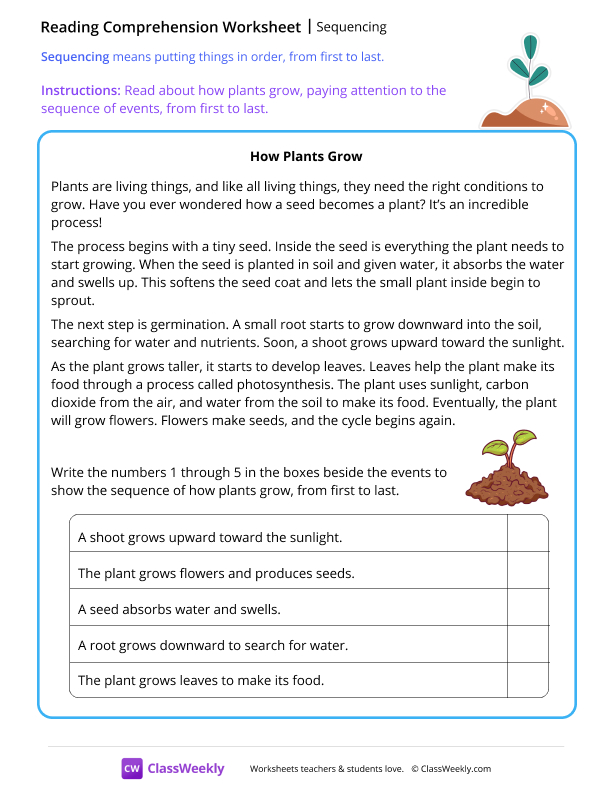
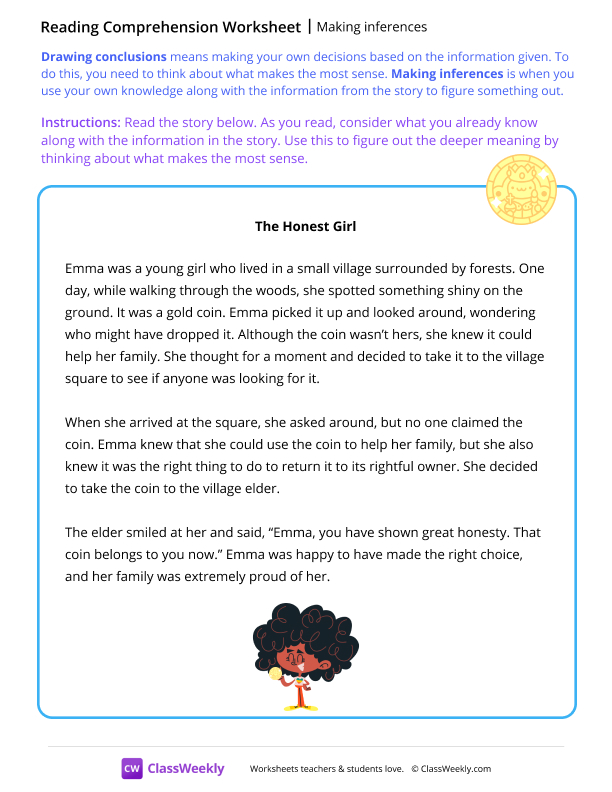


Curriculum Links
Common Core State Standards
Reading · 4th Grade
Find this in the curriculum
Browse the grade, subject, and topic this belongs to.
FAQ
How do I use this disease, land and law worksheet?
⌄
Begin with a shared reading or oral warm-up that highlights disease, land and law so students hear and see the skill in context before practicing it independently. Have students work through it independently, since students at this age benefit more from productive struggle than from being walked through each step, especially for phonics-based tasks where saying an answer aloud first helps. After completing the worksheet, use one or two examples from the page to start a discussion: "Where else have you seen this in your reading?" These disease, land and law worksheets are ideal for use during small group reading time, as independent center work, or as a homework activity.
What does this worksheet teach?
⌄
These disease, land and law worksheets for 4th grade give students focused practice with one of the key skills in early literacy. Students read, identify, and respond to disease, land and law through a variety of activities designed for their grade level. Our reading comprehension worksheets build both decoding skills and reading comprehension, helping students connect what they practice on paper to the books they read every day. Regular practice with disease, land and law strengthens the reading skills that 4th grade students need to become confident, independent readers.
Can I use this disease, land and law worksheet for homeschool or classroom?
⌄
Yes, both. We made it for 4th Grade reading comprehension, and the page works the same whether it lands on a kitchen table or a center rotation. At home, most families go through it together and talk the answers out loud, and that talking is where most of the learning happens with disease, land and law. In class it runs well as independent work while you pull a small group. Print one copy or thirty, whichever the day needs.
What reading comprehension skills are expected in fourth grade?
⌄
Fourth graders should determine main idea and key details in informational text (CCSS RI.4.2), analyze how an author uses reasons and evidence to support points (RI.4.8), explain events and their connections in historical or scientific texts (RI.4.3), and compare/contrast firsthand and secondhand accounts of the same event (RI.4.6). For literary texts, they analyze theme, character development, and point of view.
How do you help a fourth grader who struggles with comprehension?
⌄
First identify the breakdown point: decoding difficulty, limited vocabulary, lack of background knowledge, or weak inference skills. If decoding is fluent but comprehension is weak, focus on explicitly teaching comprehension strategies: visualizing, making connections, questioning, and inferring. Regular practice with short passages followed by targeted questions - not just long chapter books - builds the specific skills being tested.
How do I prepare my fourth grader for reading comprehension tests?
⌄
Practice close reading: read a passage, annotate key ideas, then answer text-dependent questions using evidence from the passage. Fourth graders should practice citing textual evidence (According to the passage…, The author states…). Timed practice with reading passages similar in complexity and length to the actual test builds stamina and familiarity. Worksheets that combine passage reading with multi-question sets replicate test conditions effectively.
Ratings & Reviews
No reviews yet. Be the first to share what you think.
Reviews are for ClassWeekly members.
Make a Request
Spotted something to fix, or want a worksheet we don't have yet? Tell us and we'll make it.
Worksheet Details
| Grade | 4th Grade |
| Subject | Reading |
| Topic | Reading Comprehension |
| Standard | RI.4.1 |
| Pages | 1 page |
| Difficulty | Medium |
Learn More
What is ClassWeekly?
ClassWeekly offers free worksheets and printable learning resources for kids in preschool to grade 5. All worksheets are aligned to Common Core, NGSS, and C3 Framework standards and designed by educators. Become a member to access the full library and download unlimited PDFs.