Living or nonliving
Written by Adi Ackerman, Head Teacher
"Living or nonliving" is written for Preschool (Ages 3-5). Children who are new to this can work with a grown-up beside them, and the instructions are meant to be read aloud. Older children who need more practice with living and nonliving can use it as a short review.
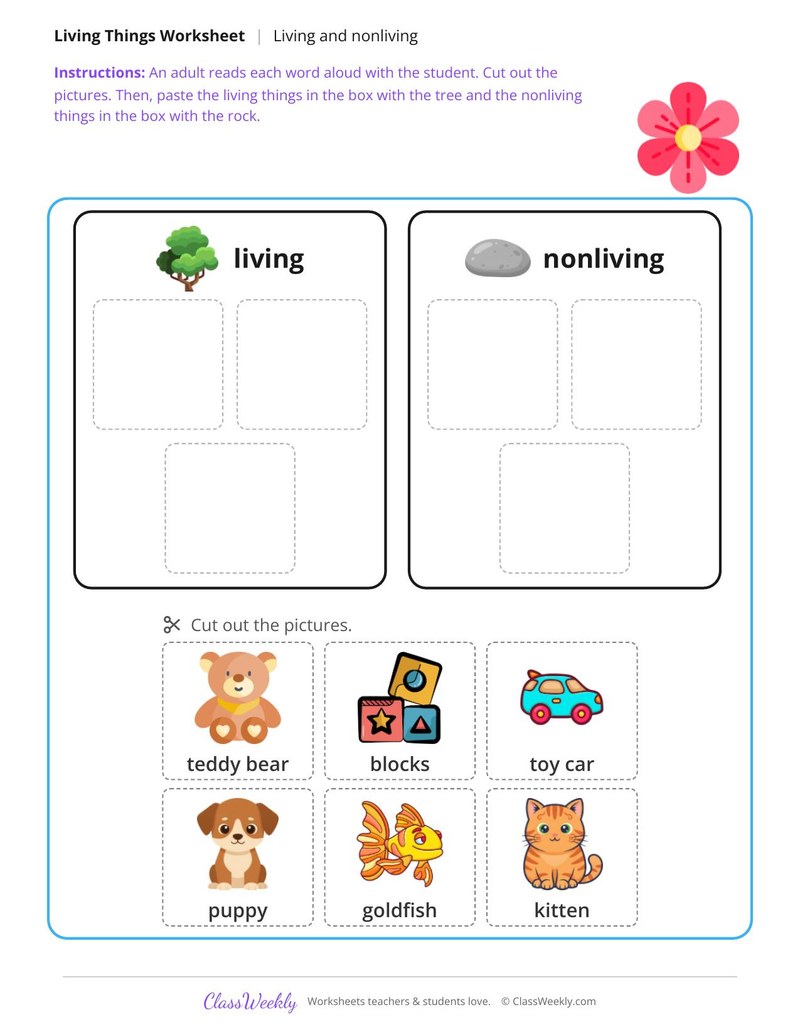
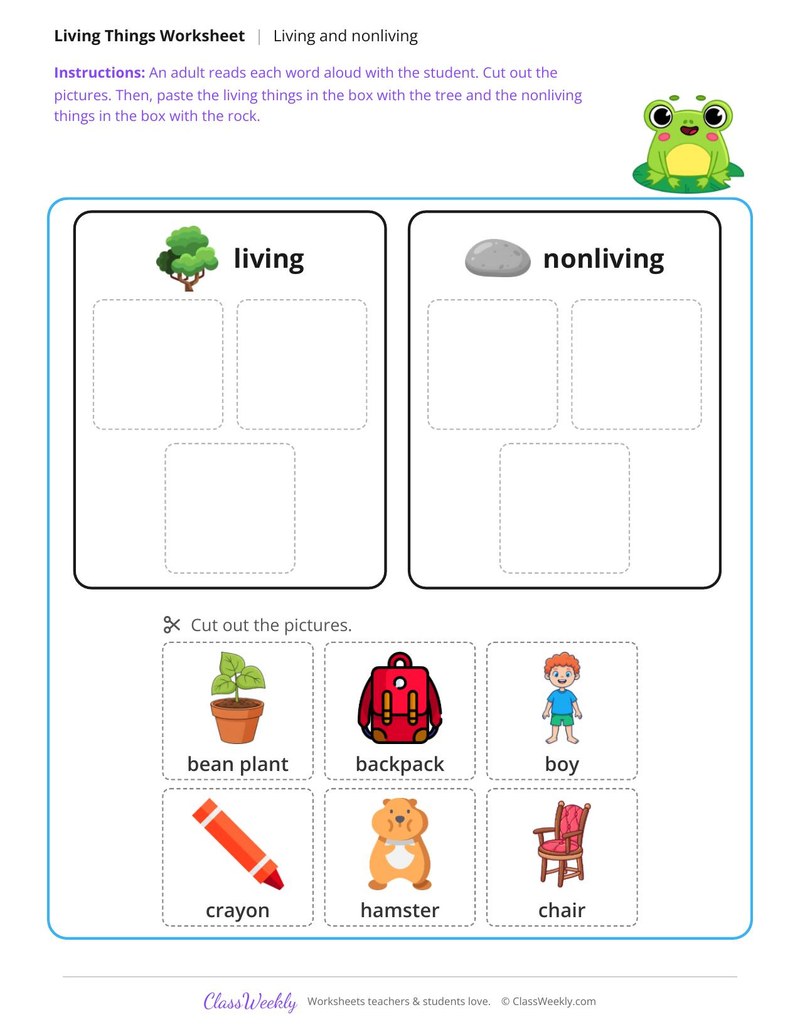
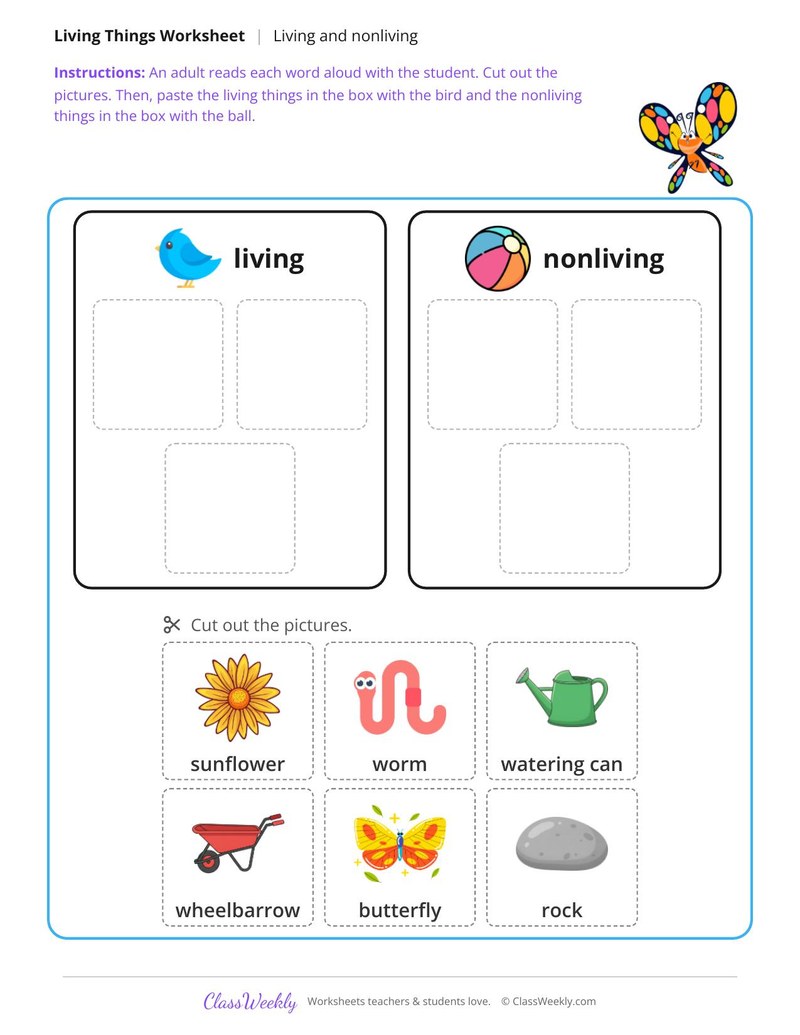
3 pages in this set
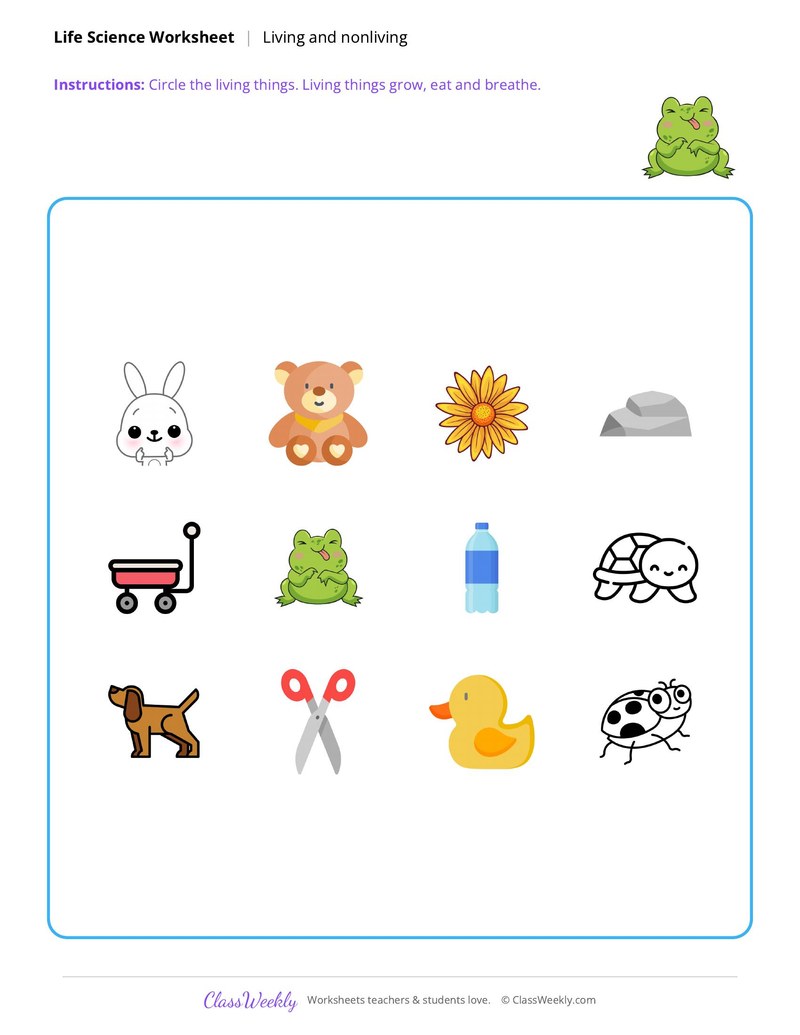
Tell living things from nonliving things: circle what is alive in the park, at the beach and in the kitchen, sort toys and pets, and ask does it grow and does it eat. Part of our living and nonliving collection.
How do I use this worksheet?
Ask does it grow, does it eat? for each picture before the child answers. A grown-up reads the directions aloud, and the child circles, sorts, colors or draws.
What students will practice
- Students will tell living things from nonliving things.
- Students will use clues like growing and eating to decide if something is alive.
- Students will sort pictures into living and nonliving groups.
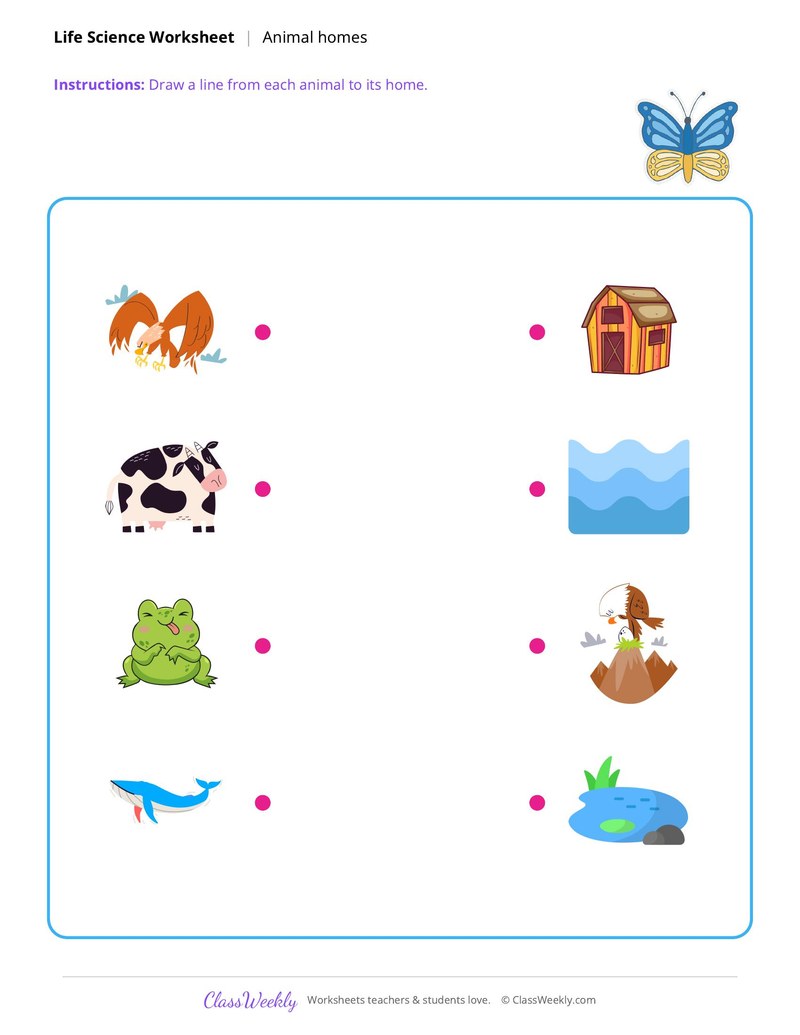
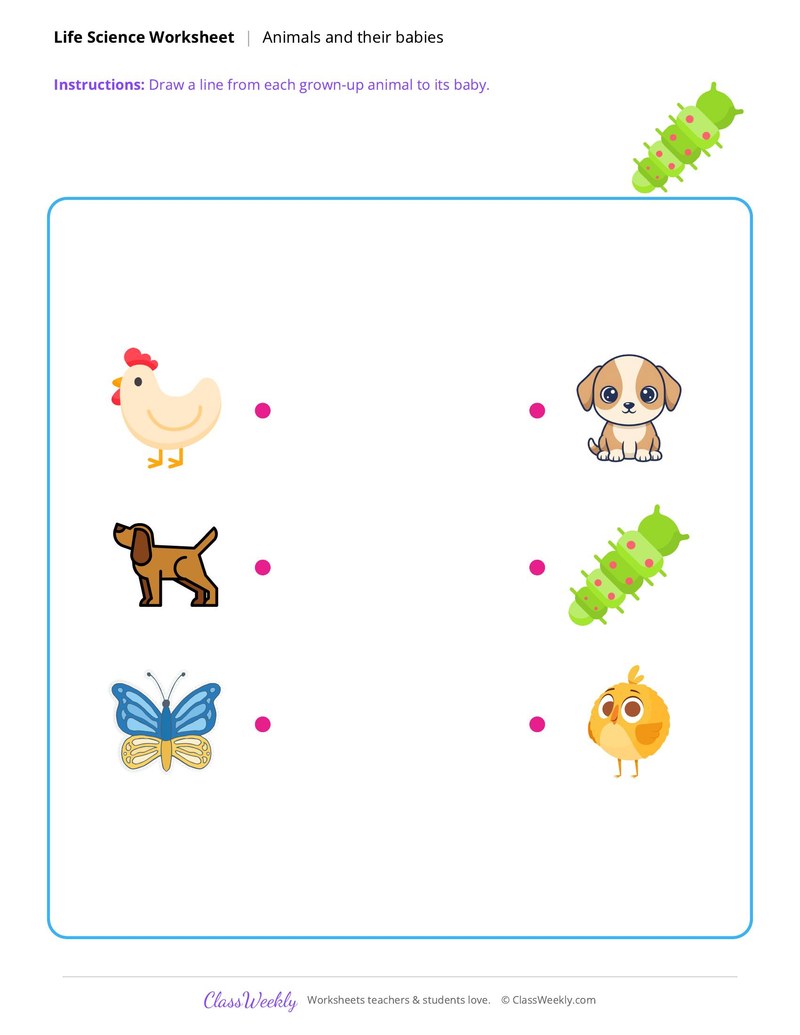
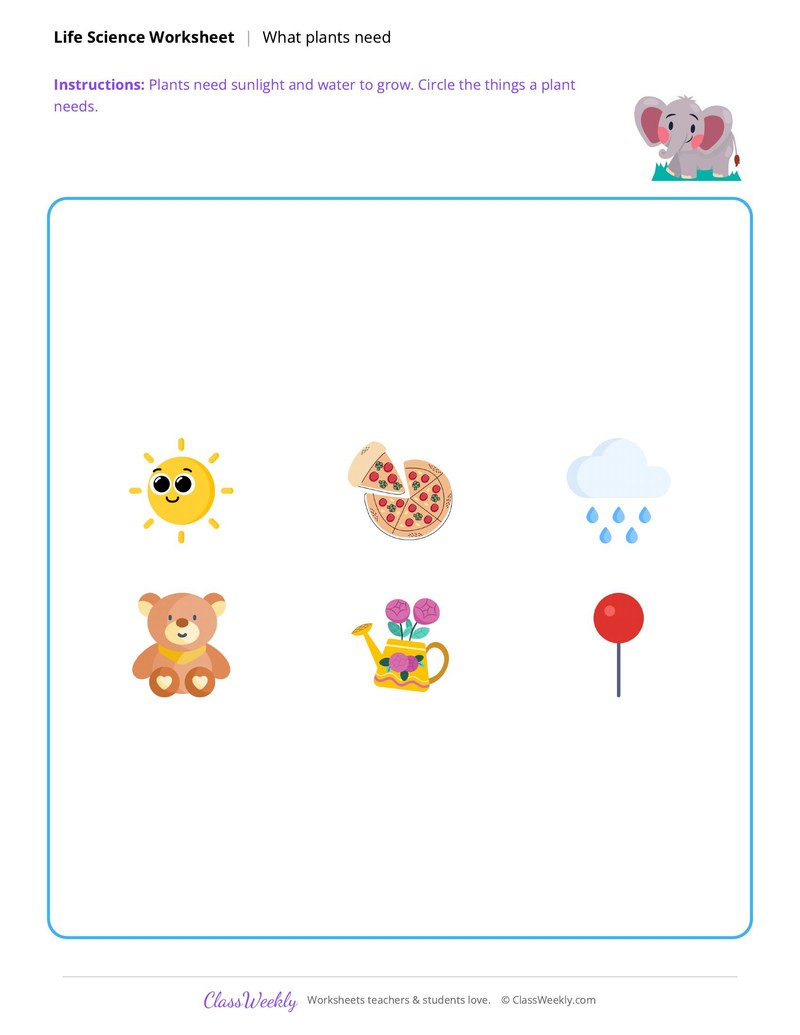
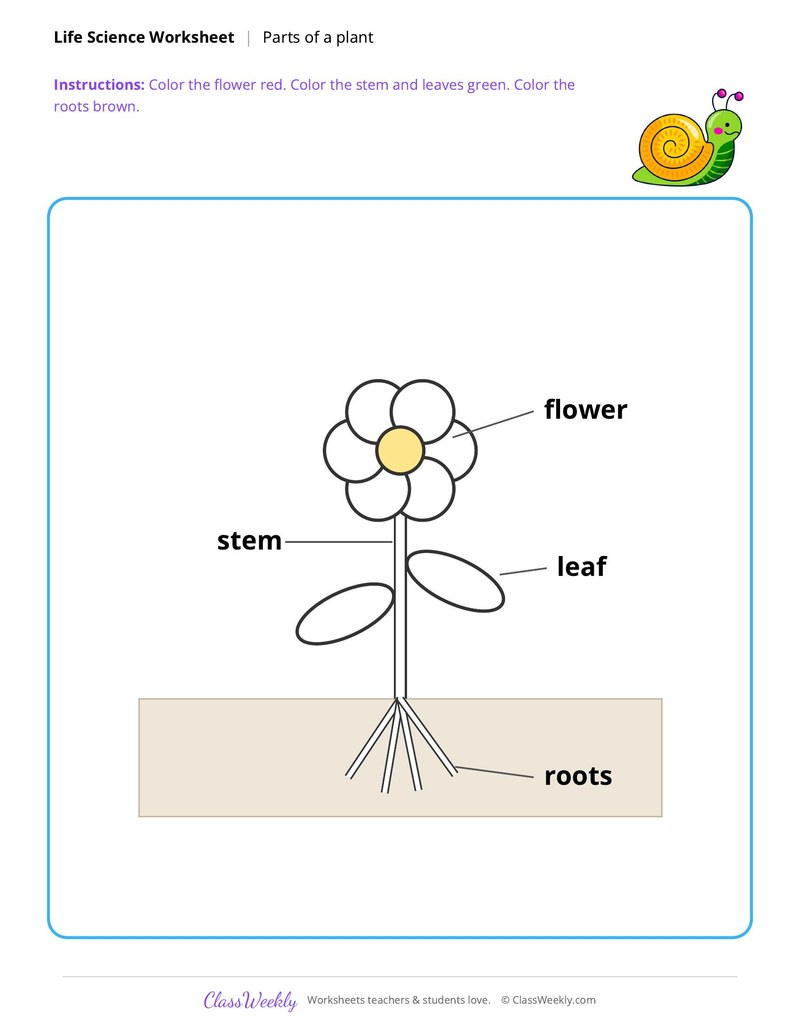
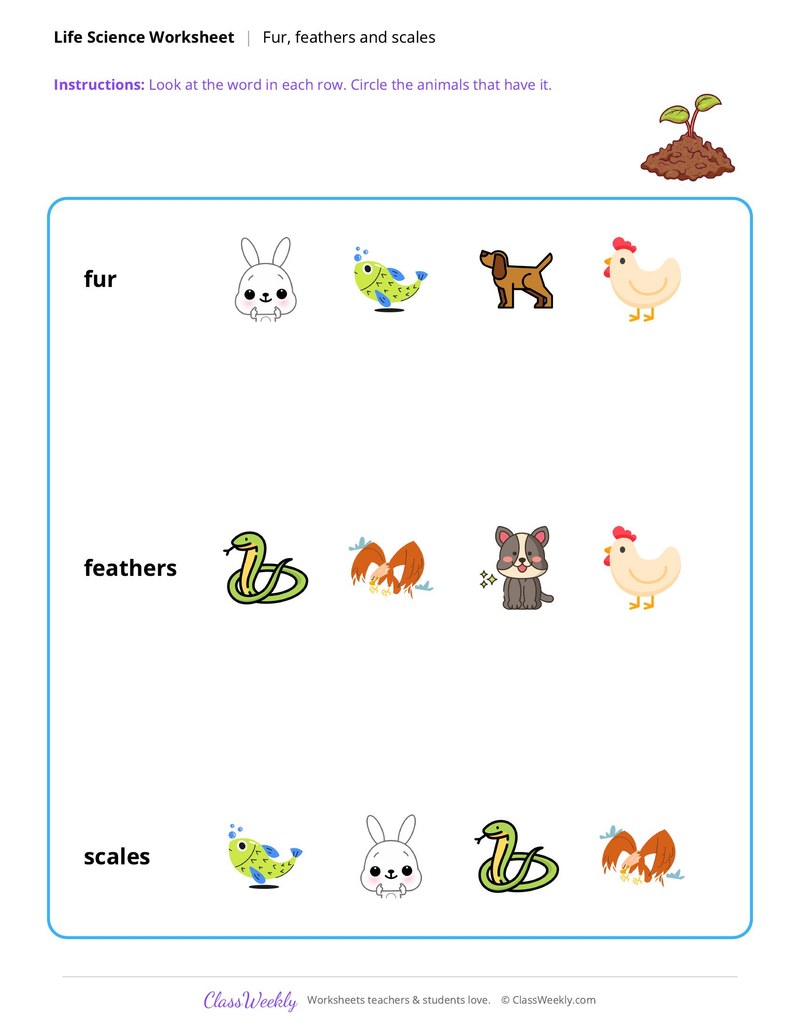
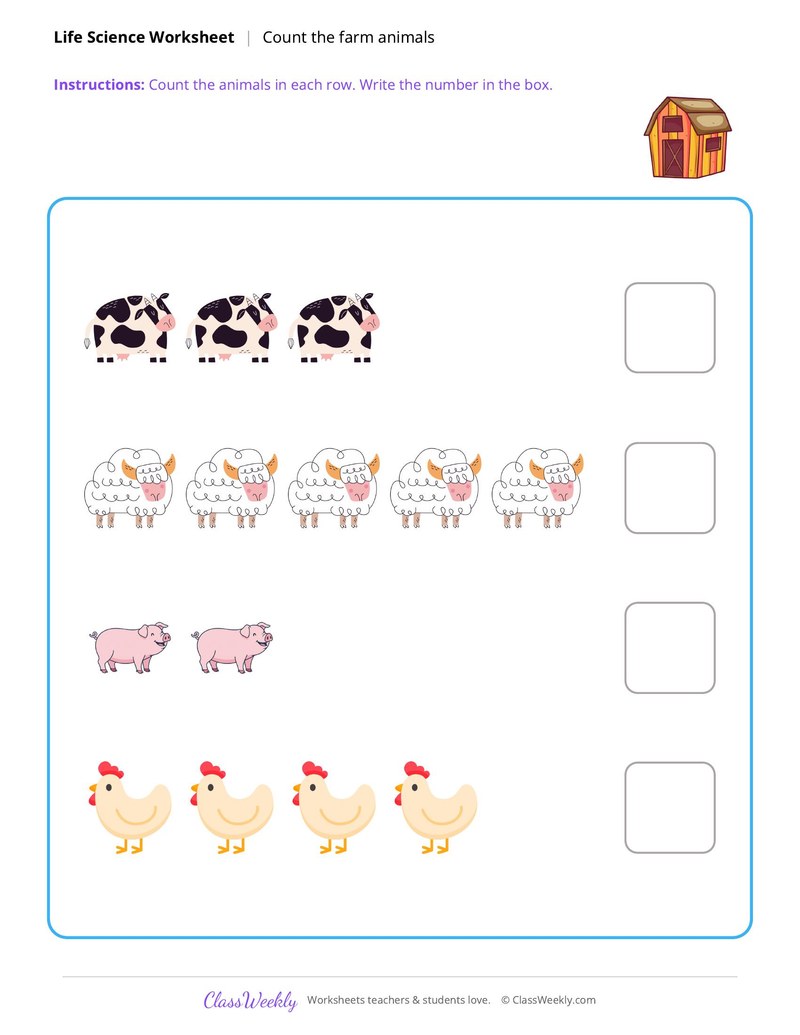
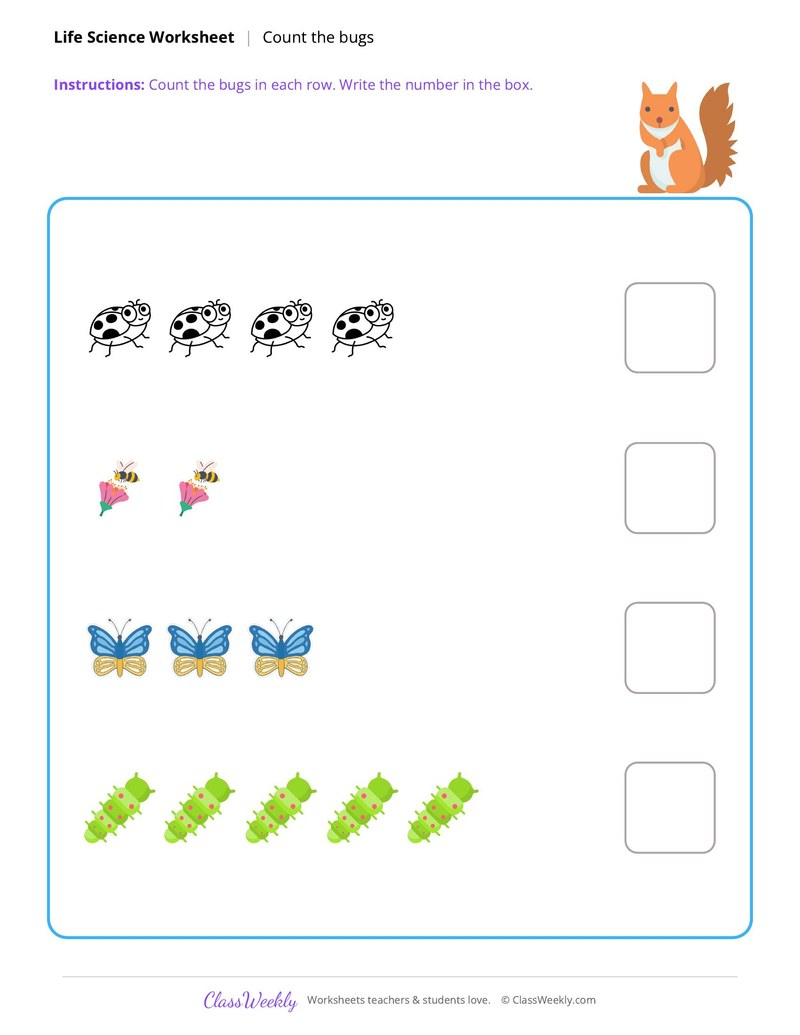
Curriculum Links
Find this in the curriculum
Browse the grade, subject, and topic this belongs to.
FAQ
How do I use this living and nonliving worksheet?
⌄
Ask does it grow, does it eat? for each picture before the child answers. A grown-up reads the directions aloud, and the child circles, sorts, colors or draws.
What does this worksheet teach?
⌄
The "Living or nonliving" set has 3 pages in one PDF. Toys and pets: the living pictures are the puppy, kitten and goldfish, and the nonliving pictures are the teddy bear, toy car and blocks. In the garden: the living pictures are the worm, sunflower and butterfly, and the nonliving pictures are the watering can, rock and wheelbarrow. In the classroom: the living pictures are the hamster, boy and bean plant, and the nonliving pictures are the crayon, chair and backpack. The set practices telling living things from nonliving things. Every page has an answer key.
Can I use this living and nonliving worksheet for homeschool or classroom?
⌄
Yes, both. We made it for Preschool living things, and the page works the same whether it lands on a kitchen table or a center rotation. At home, most families go through it together and talk the answers out loud, and that talking is where most of the learning happens with living and nonliving. In class it runs well as independent work while you pull a small group. Print one copy or thirty, whichever the day needs.
How many Preschool living and nonliving worksheets are there?
⌄
14 printable worksheets, all free to preview. Downloads are included with a ClassWeekly free trial, and every page prints on standard 8.5 x 11 paper.
What age are living and nonliving worksheets for?
⌄
These are written for preschool children, roughly ages 3-5. Start with the first few pages, use the free preview to judge the fit, and come back to harder ones as your child gets steadier.
Does my child need to know how to write for these living and nonliving worksheets?
⌄
No. Most pages ask children to circle, trace, match, color, or cut and paste, and a few ask for a single number. A grown-up can read the instructions aloud, so children do not need to read yet.
Ratings & Reviews
No reviews yet. Be the first to share what you think.
Reviews are for ClassWeekly members.
Make a Request
Spotted something to fix, or want a worksheet we don't have yet? Tell us and we'll make it.
Worksheet Details
| Grade | Preschool |
| Subject | Science |
| Topic | Living Things |
| Pages | 1 page |
| Difficulty | Medium |
| Answer key | Included |
Learn More
What is ClassWeekly?
ClassWeekly offers free worksheets and printable learning resources for kids in preschool to grade 5. Preschool worksheets build early math, reading, writing, science, and social studies skills for ages 3-5 and are designed by educators. Become a member to access the full library and download unlimited PDFs.