Something I Learned This Week Reflective Writing
Written by Adi Ackerman, Head Teacher
"Something I Learned This Week Reflective Writing" is written for 1st Grade (Ages 6-7), and it covers Common Core W.1.8. If your little one is a year younger but already steady on writing prompts, the page still works. You may just need to read the instructions out loud. And if they are older and reflective writing never quite stuck, this is a short review rather than busywork.
2 pages in this set
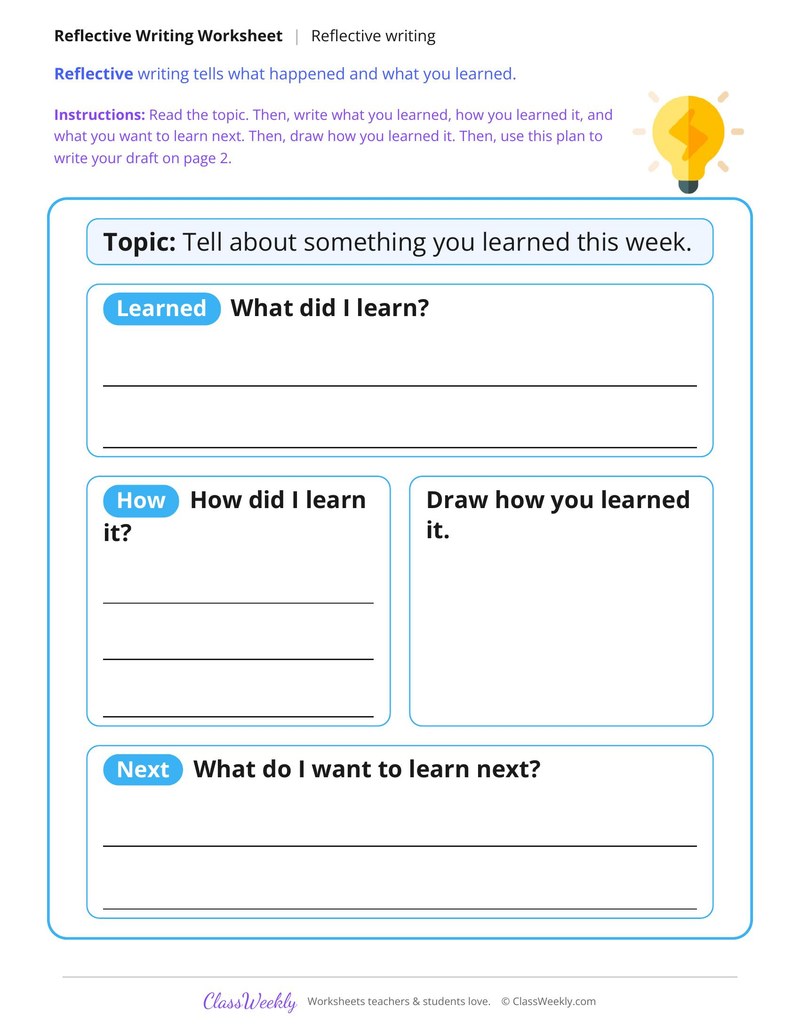
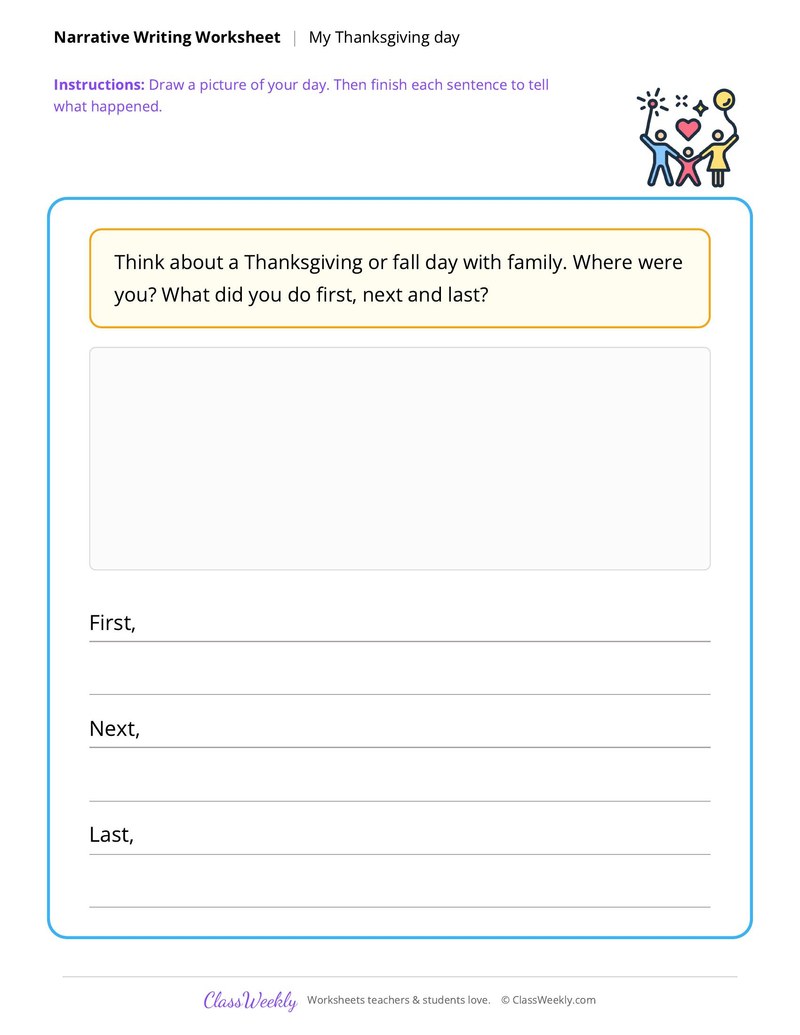
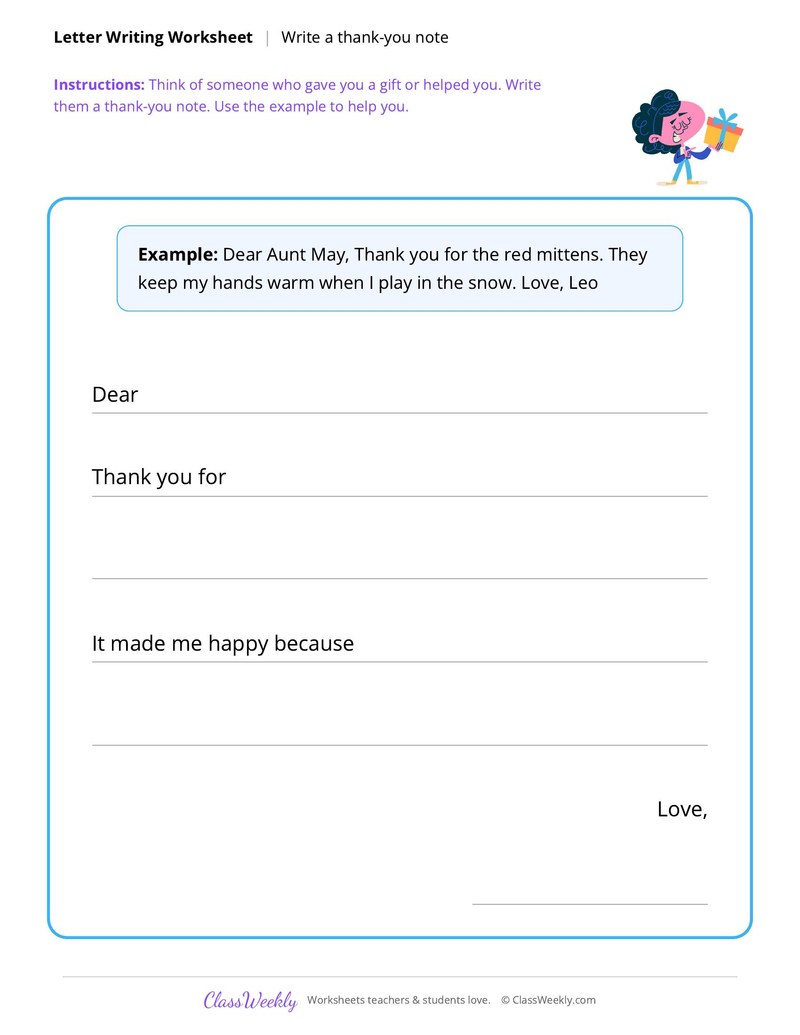
1st grade writing worksheet: plan a reflection on something you learned this week, how you learned it and what is next, draw it, then write it. Part of our reflective writing collection. Aligned to Common Core standards.
How do I use this worksheet?
Talk through the memory together before your child writes, and ask how they felt at each part. Have them circle or write a feeling word on page one, then use it in a sentence on page two.
What students will practice
- Students will recall a personal experience and plan it in boxes.
- Students will name a feeling and give a reason for it.
- Students will write three or four sentences about the experience.


Curriculum Links
Common Core State Standards
Grammar & Writing · 1st Grade
Find this in the curriculum
Browse the grade, subject, and topic this belongs to.
FAQ
How do I use this reflective writing worksheet?
⌄
Talk through the memory together before your child writes, and ask how they felt at each part. Have them circle or write a feeling word on page one, then use it in a sentence on page two.
What does this worksheet teach?
⌄
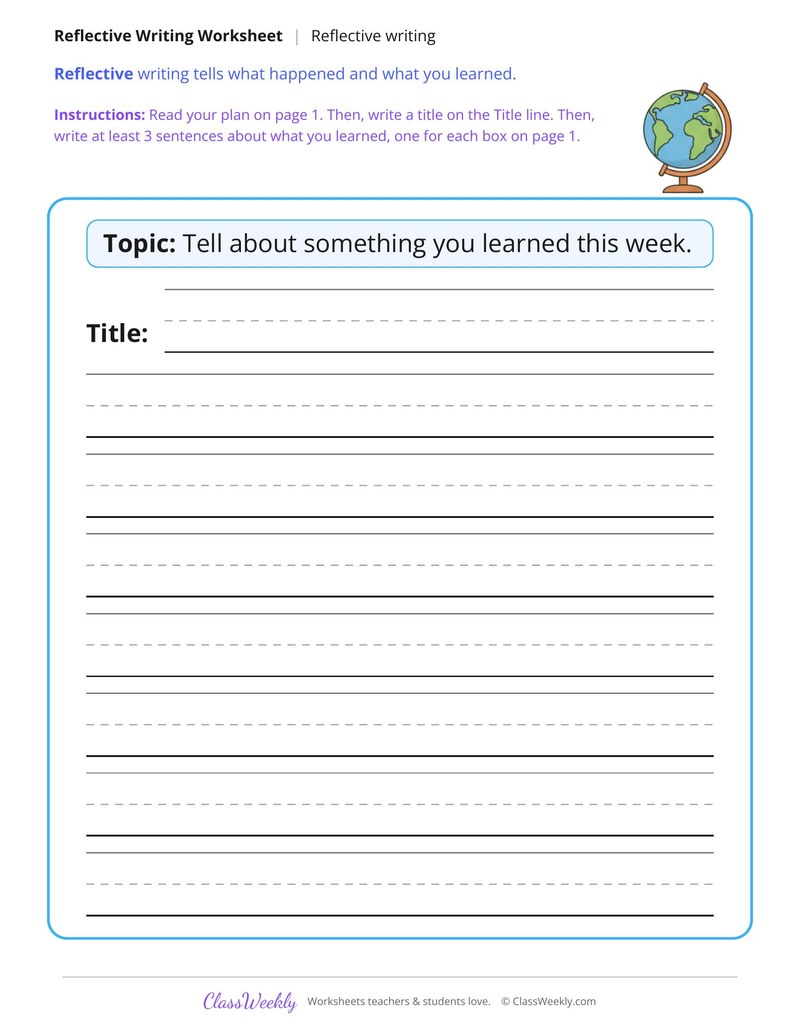
Plan a reflection on something you learned this week, how you learned it and what is next, draw it, then write it. Reflective writing tells what happened and what you learned. The directions on the page read: Read the topic. Then, write what you learned, how you learned it, and what you want to learn next. Then, draw how you learned it. Then, use this plan to write your draft on page 2. On page 2: Read your plan on page 1. Then, write a title on the Title line. Then, write at least 3 sentences about what you learned, one for each box on page 1.
Can I use this reflective writing worksheet for homeschool or classroom?
⌄
Yes, both. We made it for 1st Grade writing prompts, and the page works the same whether it lands on a kitchen table or a center rotation. At home, most families go through it together and talk the answers out loud, and that talking is where most of the learning happens with reflective writing. In class it runs well as independent work while you pull a small group. Print one copy or thirty, whichever the day needs.
What is reflective writing for 1st graders?
⌄
Reflective writing tells about something that happened to you and what you think or feel about it. A 1st grader might write about a time they felt proud and why. It builds the habit of looking back and learning from experiences.
How do feeling words help?
⌄
Many children know how they felt but not the word for it. Several sheets give feeling words to circle, so your child can name the feeling first and then explain it in a sentence.
How can I help my child remember what happened?
⌄
Talk about it first. Ask who was there, what happened first and how it ended. The planning boxes on page one follow the same order, so the talk turns into a plan.
Is there an answer key?
⌄
No. Each child writes about their own life, so answers will differ. Look for complete sentences that tell what happened and how your child felt.
What are good writing prompts for first graders?
⌄
The best first grade prompts are concrete and personal: write about your family, a favorite animal, or your best day. Sentence starters, draw-and-write pages, and simple letter templates give reluctant writers a place to begin (CCSS W.1.1, W.1.3, W.1.8).
How do writing prompts help a first grader learn to write?
⌄
Prompts remove the blank-page fear and let children focus on putting ideas into sentences. Draw-and-write prompts use a picture to spark language, letter-writing templates teach real-world format, and open prompts build stamina. Regular short prompts grow both confidence and sentence skills.
How long should a first grader's writing be?
⌄
Early in first grade, one or two complete sentences is plenty. By spring, many first graders write three to five sentences on a single topic. Focus on complete thoughts, capital letters, and end punctuation rather than length. These prompt worksheets give room to grow at each stage.
Ratings & Reviews
No reviews yet. Be the first to share what you think.
Reviews are for ClassWeekly members.
Make a Request
Spotted something to fix, or want a worksheet we don't have yet? Tell us and we'll make it.
Worksheet Details
| Grade | 1st Grade |
| Subject | Grammar & Writing |
| Topic | Writing Prompts |
| Standard | W.1.8 |
| Pages | 2 pages |
| Difficulty | Medium |
Learn More
What is ClassWeekly?
ClassWeekly offers free worksheets and printable learning resources for kids in preschool to grade 5. All worksheets are aligned to Common Core, NGSS, and C3 Framework standards and designed by educators. Become a member to access the full library and download unlimited PDFs.