Living and Working Across Time 2026
Taught in US schools

Key Takeaways
- Living and Working Across Time builds classroom community and gives students a meaningful moment to celebrate their progress
- Creative activities for Grade 1–Grade 5 make this event both joyful and academically enriching
- Use games, collaborative projects, and reflection activities to make this milestone count
- In the classroom, Living and Working Across Time connects to: How groups historically met needs - food, shelter, clothing, technology, trade
What’s Taught
How groups historically met needs - food, shelter, clothing, technology, trade
The Story Behind Living and Working Across Time
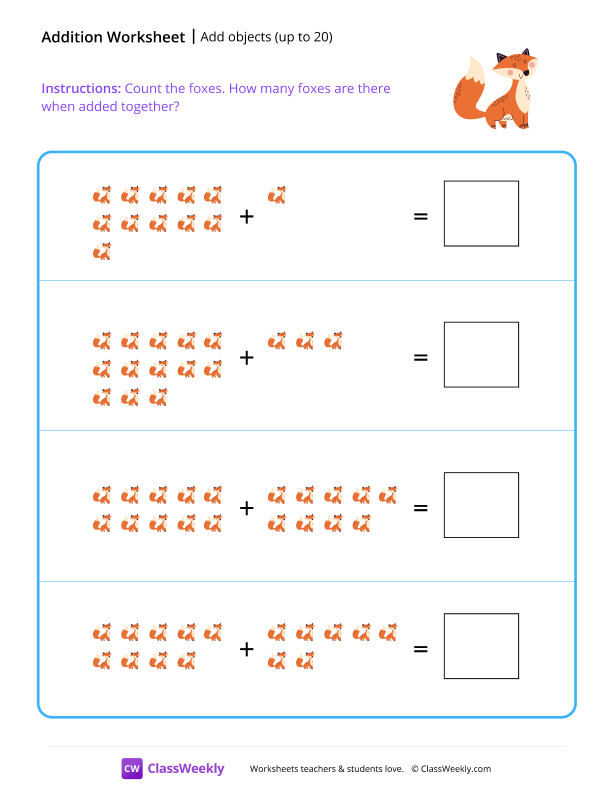
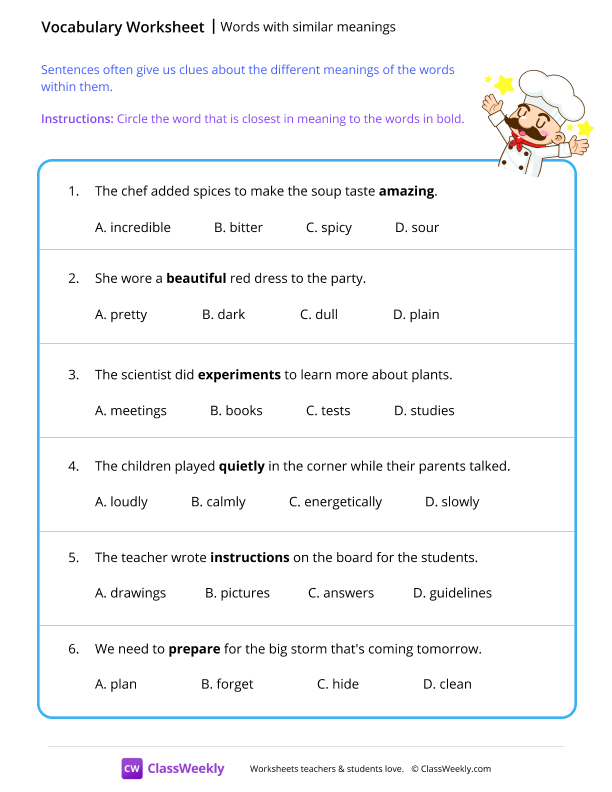
Living and Working Across Time emerged as an educational tradition that celebrates milestones in student learning. Discover how people have historically met their needs for food, shelter, clothing, and trade with worksheets comparing tools and technology across time. Schools across the country have adopted this observance as a way to mark meaningful moments in the school year calendar.
The tradition has grown organically, often starting with a single classroom celebration and spreading school-wide as teachers recognized its power to build motivation and community.
Today, Living and Working Across Time is observed by millions of students from PreK through Grade 5, creating a shared cultural touchstone that connects classrooms across the country.
Why Living and Working Across Time Deserves Its Place in the School Year
Classroom milestones build culture. When you take time to mark Living and Working Across Time with your students, you reinforce that learning is worth celebrating, and that the community you've built together matters.
Milestone events create natural moments for metacognition: what have we learned, how have we grown, and what are we still curious about? These conversations develop executive function, self-awareness, and growth mindset alongside content knowledge.
For students in Grade 1–Grade 5, being seen and celebrated is more than a nice moment. It's a motivational anchor that carries them through harder stretches of the year.
How to Teach Living and Working Across Time by Grade Level
1st Grade
First graders are ready for simple explanations and structured discussion. Anchor Living and Working Across Time with a shared read-aloud, then use sentence frames ("I notice… I wonder… This makes me think…") to guide responses. Drawing and labeling lets emergent writers participate fully.
2nd Grade
Second graders thrive with short informational texts paired with graphic organizers. For Living and Working Across Time, have students identify the main idea and two supporting details, then share with a partner. A class anchor chart captures key vocabulary and builds shared knowledge.
3rd Grade
Third graders can tackle research tasks connected to Living and Working Across Time. Set up a "learning station" with two or three curated sources. Students take notes, discuss findings in small groups, and synthesize information into a paragraph or poster. Introduce multiple perspectives where relevant.
4th Grade
Fourth graders are ready to explore complexity. For Living and Working Across Time, use a structured discussion protocol, Socratic seminar, four corners, or philosophical chairs, to examine different viewpoints. Assign a short written reflection that asks students to take and defend a position.
5th Grade
Fifth graders can engage with primary sources, data, and big-picture thinking around Living and Working Across Time. Assign an essay, multimedia presentation, or debate that asks: why does this matter? What are the different perspectives? What would you do? These questions build the critical thinking that defines college and career readiness.
Living and Working Across Time Classroom Activities
Growth Portfolio Celebration
Students select 3 pieces of work that show their growth and write a reflection: "I used to… Now I can…" They share their portfolios with a partner or in small groups, celebrating each other's progress.
Grade 1–Grade 5Class Time Capsule
Students contribute a drawing, photo, written reflection, or artifact to a class time capsule. Include: favorite book, current goal, one thing I'm proud of. Open it at the end of the year for a powerful reflection moment.
Grade 1–Grade 5Compliment Circle
Students sit in a circle and take turns giving one specific, genuine compliment to a classmate. Practicing specific compliments ("I noticed you always help people find their seat") builds social awareness and emotional intelligence.
Grade 1–Grade 5Living and Working Across Time Class Book
Each student contributes one page to a class book about the milestone event. Pages include a self-portrait, a fact about the event, and a personal connection. The finished book lives in the classroom library.
Grade 1–Grade 5Goal-Setting Bulletin Board
Students set one personal and one academic goal to pursue before the next milestone. They write their goals on a star or rocket shape for a class display, creating accountability and forward momentum.
Grades 1–5
Living and Working Across Time Games & Interactive Ideas
Memory Match Milestone
Create a memory match game featuring key learning moments from the school year, a book title, a math concept, a science topic, a class inside joke. Reviewing the year through a game is joyful and metacognitive.
Grade 1–Grade 5Classroom Olympics
Organize a mini "Olympics" of classroom challenges: mental math sprint, reading speed check, geography quiz, vocabulary relay. Students celebrate their academic skills in a playful, competitive format.
Grade 1–Grade 5The Compliment Game
Each student writes their name on a paper bag. Classmates drop in compliment slips throughout the day. At the end, students read their compliments aloud. Builds community, emotional safety, and positive self-concept.
Grade 1–Grade 5Quiz Bowl Showdown
Teams compete in a quiz bowl covering content from the entire year so far. Categories rotate by subject. Students review material, build confidence, and celebrate what they know, together.
Grades 2–5Frequently Asked Questions
When is Living and Working Across Time in 2026?
Living and Working Across Time falls on November 16, 2026.
How do I teach Living and Working Across Time to elementary students?
First graders are ready for simple explanations and structured discussion. Anchor Living and Working Across Time with a shared read-aloud, then use sentence frames ("I notice… I wonder… This makes me think…") to guide responses. Drawing and labeling lets emergent writers participate fully. A good starting activity: growth portfolio celebration, where students select 3 pieces of work that show their growth and write a reflection: "I used to… Now I can…" They share their portfolios with a partner or in small groups, celebrating each other's progress.
What are the best Living and Working Across Time activities for kids?
Growth Portfolio Celebration (Grade 1–Grade 5): Students select 3 pieces of work that show their growth and write a reflection: "I used to… Now I can…" They share their portfolios with a partner or in small groups, celebrating each other's progress. Another option, Class Time Capsule (Grade 1–Grade 5): students contribute a drawing, photo, written reflection, or artifact to a class time capsule. Include: favorite book, current goal, one thing I'm proud of. Open it at the end of the year for a powerful reflection moment.
Why is Living and Working Across Time important for students to learn about?
Discover how people have historically met their needs for food, shelter, clothing, and trade with worksheets comparing tools and technology across time. Teaching students about Living and Working Across Time builds cultural literacy, historical thinking, and empathy, skills that support learning across every subject and prepare students to be thoughtful, informed community members.
What grade levels is Living and Working Across Time appropriate for?
With the right scaffolding, Living and Working Across Time can be explored at every grade level from PreK through Grade 5. The content is the same; the depth, text complexity, and task demand shift by grade. ClassWeekly offers differentiated resources for Grade 1–Grade 5.
What specific topics does Living and Working Across Time cover in the classroom?
Living and Working Across Time lessons typically cover How groups historically met needs - food, shelter, clothing, technology, trade. Teachers can build a full lesson around these specific topics rather than a generic overview.
Free Teaching Resources for Every Occasion
#1 Curriculum aligned resource library (K‑5) with teacher-made materials.