Plant a Tree Week 2027
Taught in US schools
Key Takeaways
- The plant a tree week is one of the most naturally engaging learning opportunities of the school year
- Students in Grade 1–Grade 5 can observe, investigate, and celebrate seasonal change across subjects
- Seasonal exploration builds science curiosity, descriptive language, and a sense of wonder in young learners
- In the classroom, Plant a Tree Week connects to: Tree planting, conservation discussion
What’s Taught
Tree planting, conservation discussion
Understanding the Plant a Tree Week
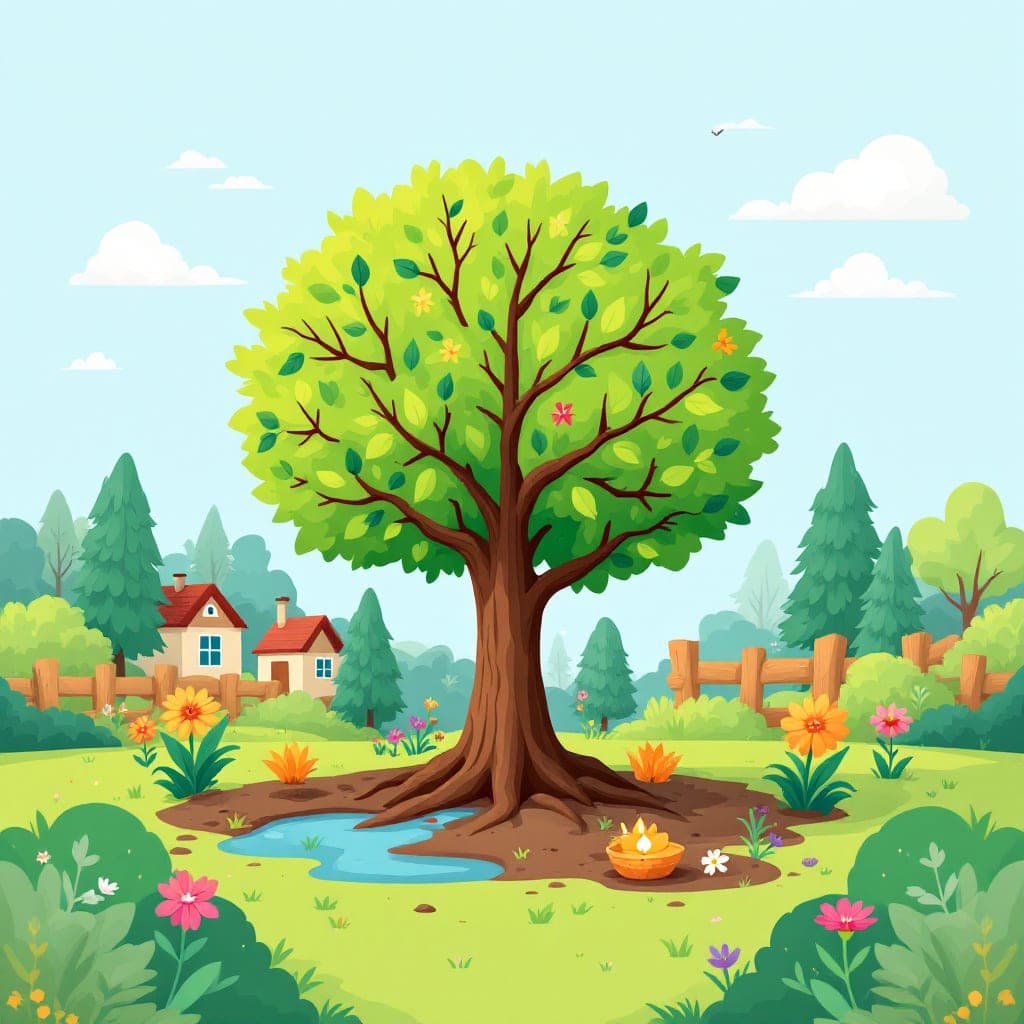
The plant a tree week marks one of Earth's most predictable, and fascinating, natural transitions. Get hands dirty for conservation with tree-planting activities, plant life cycle worksheets, and discussions about caring for our planet. Humans have tracked seasonal changes for thousands of years, using them to organize calendars, plan harvests, and tell stories.
Ancient civilizations built monuments aligned with solstices and equinoxes. Indigenous cultures around the world developed rich traditions tied to seasonal shifts. Today, scientists track seasonal data to understand climate patterns and ecosystem health.
For students, the season is both a scientific phenomenon and a sensory experience. Understanding why seasons happen, and how they affect life on Earth, builds foundational knowledge in Earth science, ecology, and geography.
Why Seasonal Learning Matters
Seasonal hooks are among the most powerful tools a teacher has. Students in Grade 1–Grade 5 are naturally curious about the changing world around them, and connecting lessons to what they see, feel, and experience outside makes abstract concepts tangible and personal.
Seasonal learning also builds cross-curricular fluency. The plant a tree week touches science (weather, ecosystems, Earth's tilt), literacy (descriptive writing, poetry), math (temperature data, graphing), and social studies (cultural traditions, agriculture, history).
Perhaps most importantly, seasonal learning cultivates wonder. Students who are taught to notice and investigate their natural world become lifelong observers and problem-solvers.
How to Teach Plant a Tree Week by Grade Level
1st Grade
First graders are ready for simple explanations and structured discussion. Anchor Plant a Tree Week with a shared read-aloud, then use sentence frames ("I notice… I wonder… This makes me think…") to guide responses. Drawing and labeling lets emergent writers participate fully.
2nd Grade
Second graders thrive with short informational texts paired with graphic organizers. For Plant a Tree Week, have students identify the main idea and two supporting details, then share with a partner. A class anchor chart captures key vocabulary and builds shared knowledge.
3rd Grade
Third graders can tackle research tasks connected to Plant a Tree Week. Set up a "learning station" with two or three curated sources. Students take notes, discuss findings in small groups, and synthesize information into a paragraph or poster. Introduce multiple perspectives where relevant.
4th Grade
Fourth graders are ready to explore complexity. For Plant a Tree Week, use a structured discussion protocol, Socratic seminar, four corners, or philosophical chairs, to examine different viewpoints. Assign a short written reflection that asks students to take and defend a position.
5th Grade
Fifth graders can engage with primary sources, data, and big-picture thinking around Plant a Tree Week. Assign an essay, multimedia presentation, or debate that asks: why does this matter? What are the different perspectives? What would you do? These questions build the critical thinking that defines college and career readiness.
Plant a Tree Week Classroom Activities
Nature Walk and Observation Journal
Take students outside (or to a window) to observe seasonal changes. They draw what they see, hear, smell, and feel, then write 3 observations and 1 question. Builds science inquiry habits and descriptive language.
Grade 1–Grade 5Seasonal Data Collection
Students track daily temperature, precipitation type, or daylight hours throughout the season. They record data on a class chart and analyze patterns: Is it getting warmer or cooler? What changed most? Connects math and science.
Grades 2–5Seasonal Poetry Anthology
Use mentor texts to introduce seasonal poetry forms (haiku, free verse, list poems). Students write and illustrate their own seasonal poems, which are compiled into a class anthology to share with families.
Grade 1–Grade 5Animal Adaptations Study
How do animals prepare for or respond to the season? Students choose an animal, research its seasonal behavior, and create an illustrated fact card. The class sorts animals by adaptation strategy (migrate, hibernate, adapt).
Grades 1–5Seasonal Cooking or Tasting
Bring in seasonal foods (apples in fall, citrus in winter, strawberries in spring) and discuss where they come from and why they're in season. Students write a sensory description using five-senses language.
Grade 1–Grade 5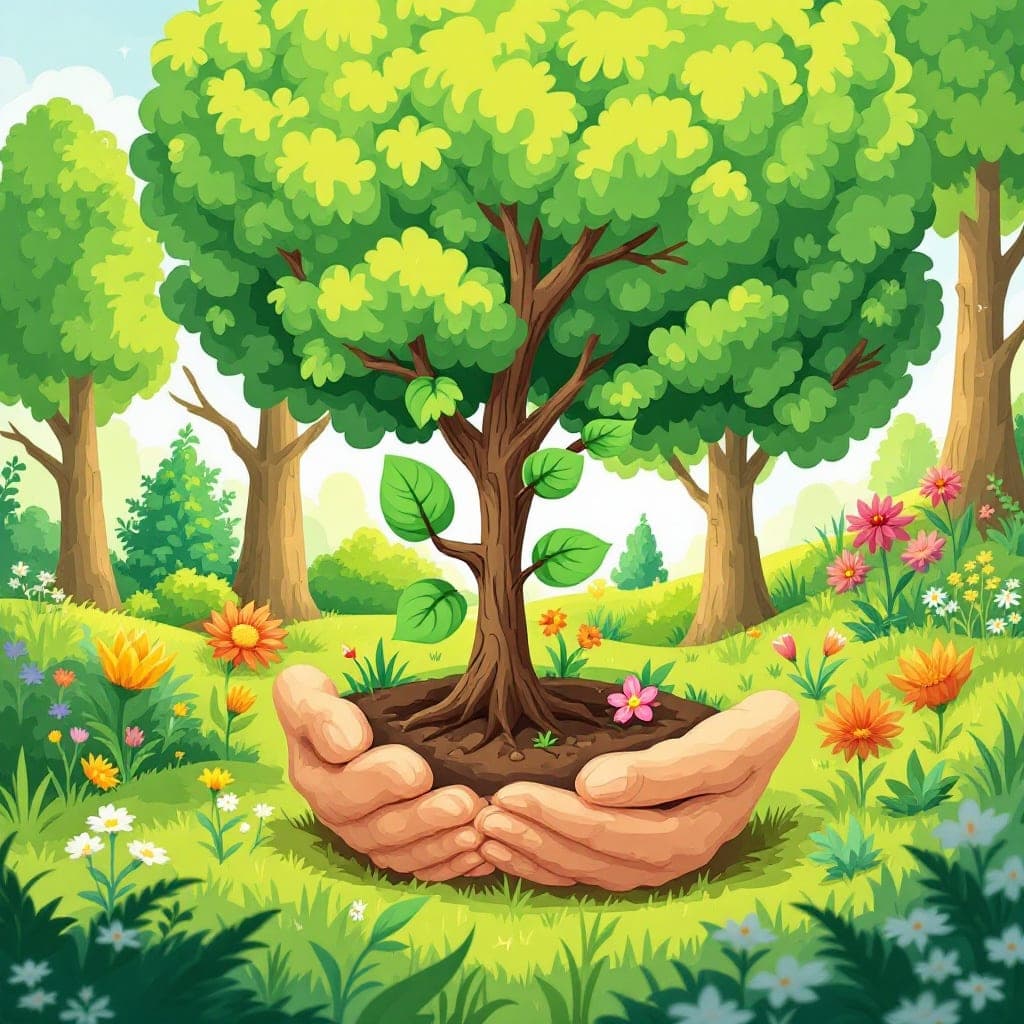
Plant a Tree Week Games & Interactive Ideas
Seasonal Scavenger Hunt
Create a list of seasonal items to find, indoors, outdoors, or in books and pictures. Students work in pairs to locate each item and record a quick observation. A great movement break that connects to science content.
Grade 1–Grade 5Weather Charades
Students act out weather events, animal behaviors, or seasonal phenomena for their classmates to guess. Simple to set up, easy to differentiate, and always energizing after a long work period.
Grade 1–Grade 5Guess the Season
Show images, play sounds, or describe sensory clues from different seasons and have students guess which season is being described. Add complexity by including clues from different hemispheres or climates.
Grade 1–Grade 5Nature Bingo
Create bingo cards featuring seasonal plants, animals, weather events, and natural phenomena. Students look for these in real life over a week and mark off what they observe. Promotes ongoing noticing and curiosity.
Grade 1–Grade 5Frequently Asked Questions
When is Plant a Tree Week in 2027?
Plant a Tree Week falls on April 15, 2027.
How do I teach Plant a Tree Week to elementary students?
First graders are ready for simple explanations and structured discussion. Anchor Plant a Tree Week with a shared read-aloud, then use sentence frames ("I notice… I wonder… This makes me think…") to guide responses. Drawing and labeling lets emergent writers participate fully. A good starting activity: nature walk and observation journal, where take students outside (or to a window) to observe seasonal changes. They draw what they see, hear, smell, and feel, then write 3 observations and 1 question. Builds science inquiry habits and descriptive language.
What are the best Plant a Tree Week activities for kids?
Nature Walk and Observation Journal (Grade 1–Grade 5): Take students outside (or to a window) to observe seasonal changes. They draw what they see, hear, smell, and feel, then write 3 observations and 1 question. Builds science inquiry habits and descriptive language. Another option, Seasonal Data Collection (Grades 2–5): students track daily temperature, precipitation type, or daylight hours throughout the season. They record data on a class chart and analyze patterns: Is it getting warmer or cooler? What changed most? Connects math and science.
Why is Plant a Tree Week important for students to learn about?
Get hands dirty for conservation with tree-planting activities, plant life cycle worksheets, and discussions about caring for our planet. Teaching students about Plant a Tree Week builds cultural literacy, historical thinking, and empathy, skills that support learning across every subject and prepare students to be thoughtful, informed community members.
What grade levels is Plant a Tree Week appropriate for?
With the right scaffolding, Plant a Tree Week can be explored at every grade level from PreK through Grade 5. The content is the same; the depth, text complexity, and task demand shift by grade. ClassWeekly offers differentiated resources for Grade 1–Grade 5.
What specific topics does Plant a Tree Week cover in the classroom?
Plant a Tree Week lessons typically cover Tree planting, conservation discussion. Teachers can build a full lesson around these specific topics rather than a generic overview.
Free Teaching Resources for Every Occasion
#1 Curriculum aligned resource library (K‑5) with teacher-made materials.