Poetry Month 2027
Taught in US schools
Key Takeaways
- Poetry Month is a global celebration of reading, writing, and the power of stories to shape our world
- Students in Kindergarten–Grade 4 can build vocabulary, comprehension, and a lifelong love of books through this event
- Author studies, storytelling games, and creative writing make this a full week of literacy immersion
- In the classroom, Poetry Month connects to: Reading and writing simple poems
What’s Taught
Reading and writing simple poems
The History of Poetry Month
Poetry Month was created to champion one of humanity's most powerful tools: the written and spoken word. Poetry Month is the perfect time to explore rhythm, rhyme, and imagery in writing. Use simple poem-writing worksheets and rhyming-word activities to get creative. Since its founding, this observance has grown into a global celebration spanning schools, libraries, bookstores, and community centers.
The history of literacy itself is a story of access, advocacy, and transformation. From handwritten manuscripts to the printing press to digital libraries, the ability to read and write has shaped every civilization and every movement for social change.
Teaching students the story of literacy, and celebrating their place in it, is one of the most empowering things a classroom can do.
Why Poetry Month Matters for Every Student
Reading is the foundation of all learning. Students in Kindergarten–Grade 4 who read widely and often develop stronger vocabulary, comprehension, and writing ability across every subject. Poetry Month is a chance to make that case joyfully, not as an obligation, but as a celebration.
Celebrating literacy also validates students' identities as readers, writers, and storytellers. When school says "your voice matters" and "we love books here," it creates conditions where all students feel invited to engage with language and ideas.
The skills nurtured through literacy, inference, analysis, imagination, empathy, are the same skills that lead to success in science, mathematics, history, and every human endeavor.
How to Teach Poetry Month by Grade Level
Kindergarten
For kindergarteners, make Poetry Month concrete and sensory. Use picture books, puppets, songs, and simple art activities to introduce the key concept. Focus on one big idea, "we are all connected" or "the world is changing", and return to it throughout the day through different experiences.
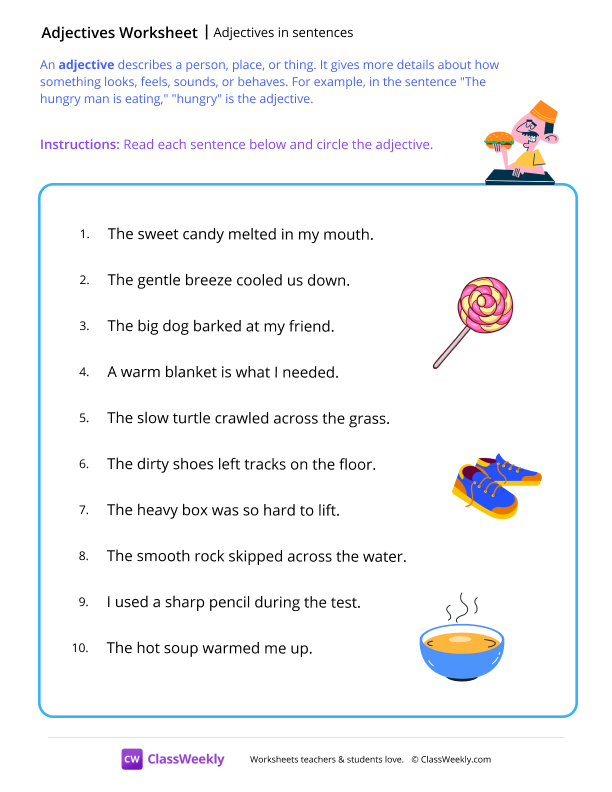
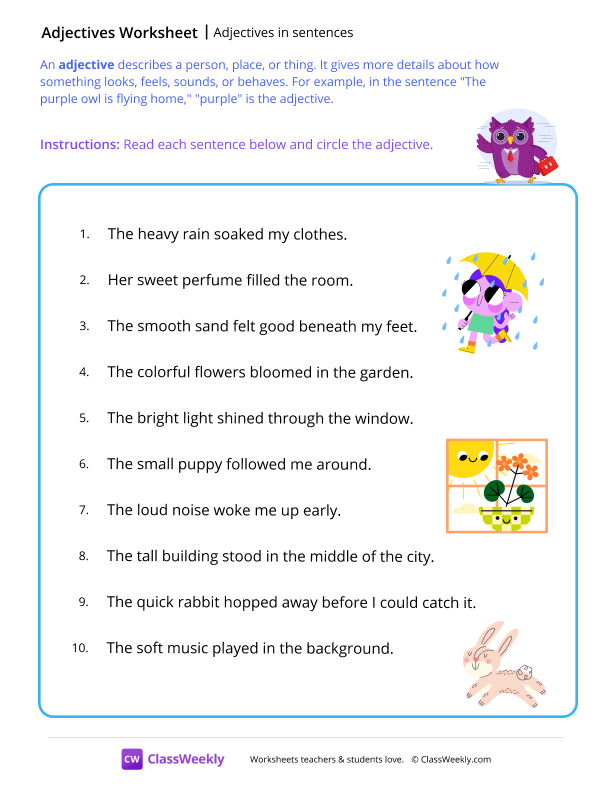
Poetry Month Worksheets for Kindergarten
1st Grade
First graders are ready for simple explanations and structured discussion. Anchor Poetry Month with a shared read-aloud, then use sentence frames ("I notice… I wonder… This makes me think…") to guide responses. Drawing and labeling lets emergent writers participate fully.
2nd Grade
Second graders thrive with short informational texts paired with graphic organizers. For Poetry Month, have students identify the main idea and two supporting details, then share with a partner. A class anchor chart captures key vocabulary and builds shared knowledge.
3rd Grade
Third graders can tackle research tasks connected to Poetry Month. Set up a "learning station" with two or three curated sources. Students take notes, discuss findings in small groups, and synthesize information into a paragraph or poster. Introduce multiple perspectives where relevant.
4th Grade
Fourth graders are ready to explore complexity. For Poetry Month, use a structured discussion protocol, Socratic seminar, four corners, or philosophical chairs, to examine different viewpoints. Assign a short written reflection that asks students to take and defend a position.
Poetry Month Classroom Activities
Book Talk Circles
Students recommend a favorite book to small groups, explaining what they love about it and why others should read it. They practice oral presentation skills, active listening, and enthusiastic advocacy for books they love.
Kindergarten–Grade 4Author Study Deep Dive
Focus on a featured author for the week. Read multiple works, identify signature writing techniques, and discuss how their life experiences shaped their writing. Students try one of the author's techniques in their own writing.
Grades 2–5Story-in-a-Day
Students write and illustrate a complete story, beginning, middle, end, in one class period. The time constraint builds writing fluency and reminds students that stories don't need to be perfect, just finished.
Kindergarten–Grade 4Living Library
Invite community members (parents, staff, local librarians) to serve as "living books", people with interesting stories or expertise. Students sign up for 10-minute conversations with "books" on topics they choose.
Grades 3–5Found Poetry
Students cut words and phrases from newspapers, magazines, or printed texts and arrange them into a poem. The constraint of using only found language forces creative choices and builds awareness of word power.
Grades 2–5
Poetry Month Games & Interactive Ideas
Storytime Freeze Dance
Read a story aloud. When you reach a designated word or phrase, students freeze in a shape that represents something from the story. A high-energy comprehension activity that works for any text.
Kindergarten–Grade 4Word Association Chain
Students sit in a circle and take turns saying a word associated with the previous word, all connected to Poetry Month's theme. The chain builds vocabulary and shows how concepts connect. Discuss unexpected associations.
Kindergarten–Grade 4Literary Speed Dating
Set up two rows of desks facing each other. Students have 2 minutes to "pitch" a book they love to the person across from them, then rotate. By the end, everyone has heard 10+ book recommendations.
Grades 3–5Genre Sorting Challenge
Give teams a mix of book covers, titles, and short blurbs. They race to sort them by genre and justify each choice. A fast, hands-on way to build genre knowledge and reading identity.
Kindergarten–Grade 4Frequently Asked Questions
When is Poetry Month in 2027?
Poetry Month falls on April 8, 2027.
How do I teach Poetry Month to elementary students?
For kindergarteners, make Poetry Month concrete and sensory. Use picture books, puppets, songs, and simple art activities to introduce the key concept. Focus on one big idea, "we are all connected" or "the world is changing", and return to it throughout the day through different experiences. A good starting activity: book talk circles, where students recommend a favorite book to small groups, explaining what they love about it and why others should read it. They practice oral presentation skills, active listening, and enthusiastic advocacy for books they love.
What are the best Poetry Month activities for kids?
Book Talk Circles (Kindergarten–Grade 4): Students recommend a favorite book to small groups, explaining what they love about it and why others should read it. They practice oral presentation skills, active listening, and enthusiastic advocacy for books they love. Another option, Author Study Deep Dive (Grades 2–5): focus on a featured author for the week. Read multiple works, identify signature writing techniques, and discuss how their life experiences shaped their writing. Students try one of the author's techniques in their own writing.
Why is Poetry Month important for students to learn about?
Poetry Month is the perfect time to explore rhythm, rhyme, and imagery in writing. Use simple poem-writing worksheets and rhyming-word activities to get creative. Teaching students about Poetry Month builds cultural literacy, historical thinking, and empathy, skills that support learning across every subject and prepare students to be thoughtful, informed community members.
What grade levels is Poetry Month appropriate for?
With the right scaffolding, Poetry Month can be explored at every grade level from PreK through Grade 5. The content is the same; the depth, text complexity, and task demand shift by grade. ClassWeekly offers differentiated resources for Kindergarten–Grade 4.
What specific topics does Poetry Month cover in the classroom?
Poetry Month lessons typically cover Reading and writing simple poems. Teachers can build a full lesson around these specific topics rather than a generic overview.
Free Teaching Resources for Every Occasion
#1 Curriculum aligned resource library (K‑5) with teacher-made materials.