Which one is different
Written by Adi Ackerman, Head Teacher
"Which one is different" is written for Preschool (Ages 3-5). Children who are new to this can work with a grown-up beside them, and the instructions are meant to be read aloud. Older children who need more practice with same and different can use it as a short review.
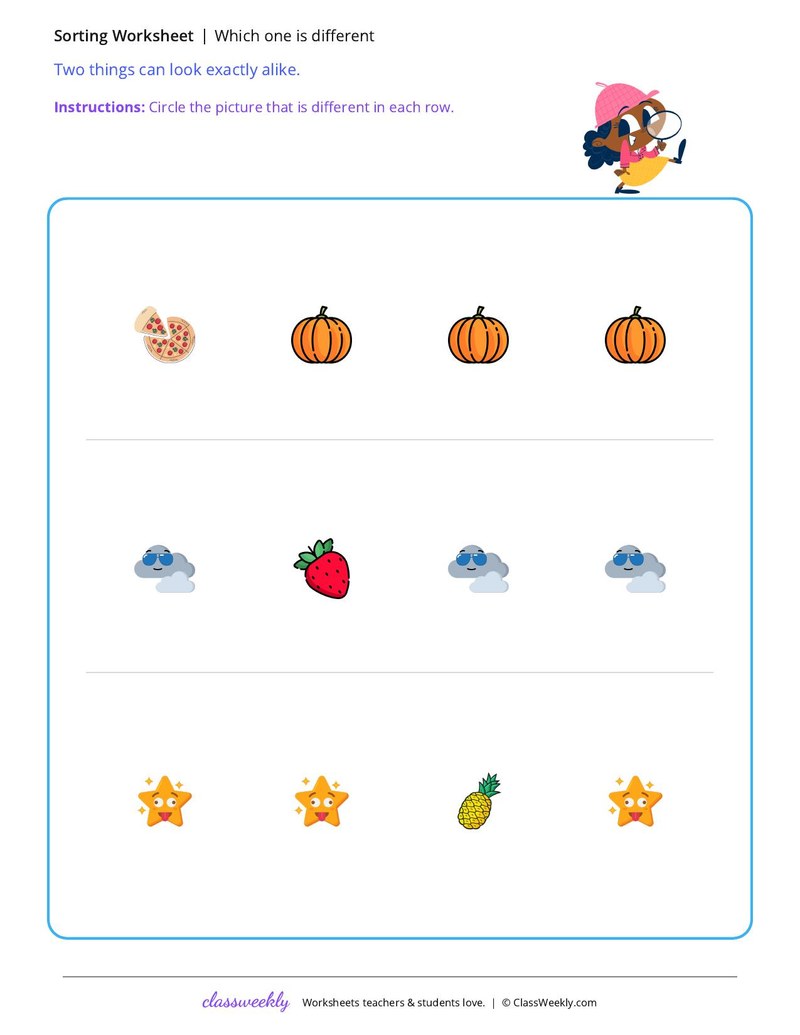
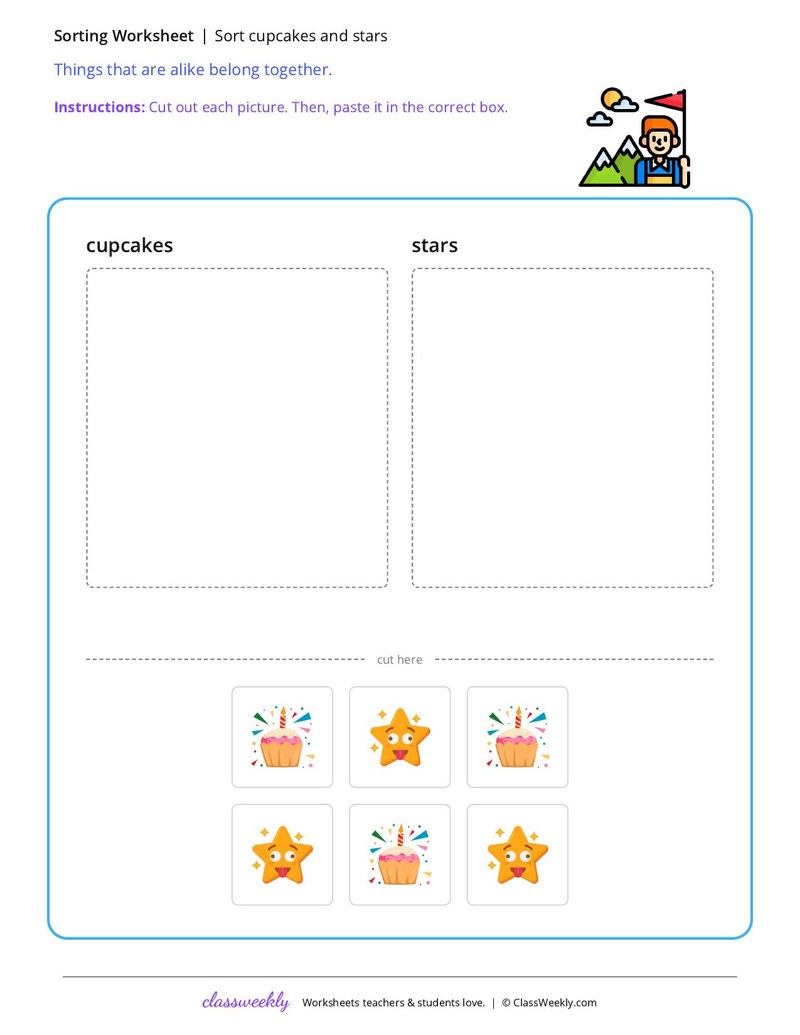
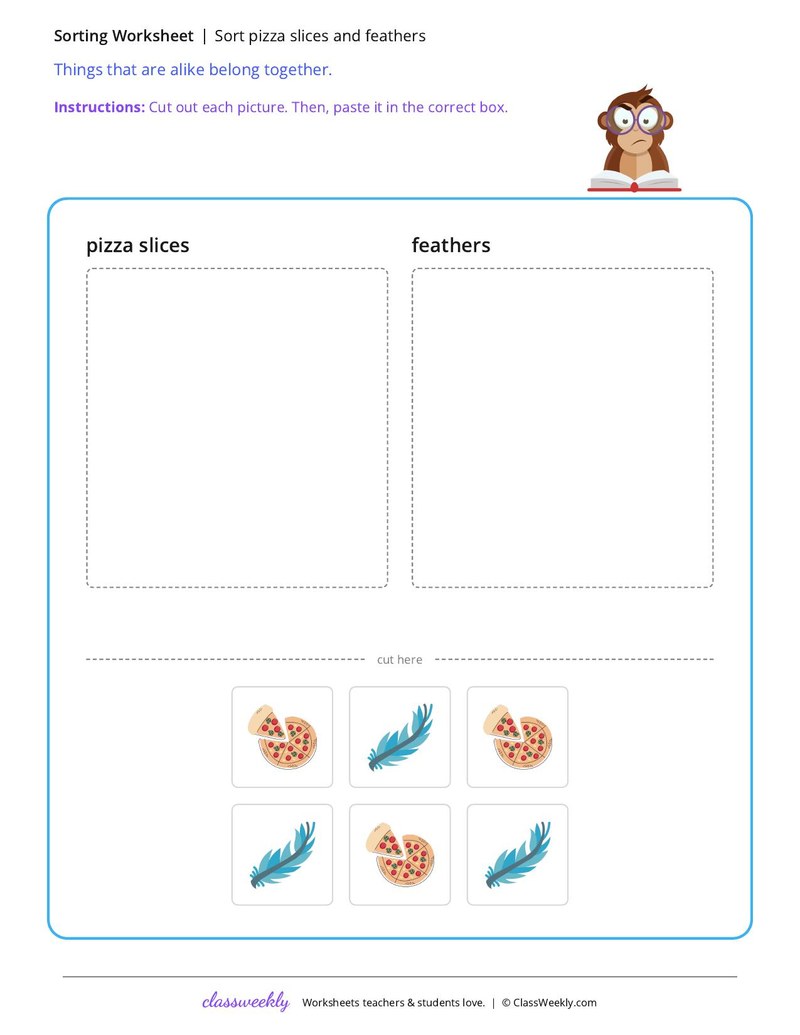
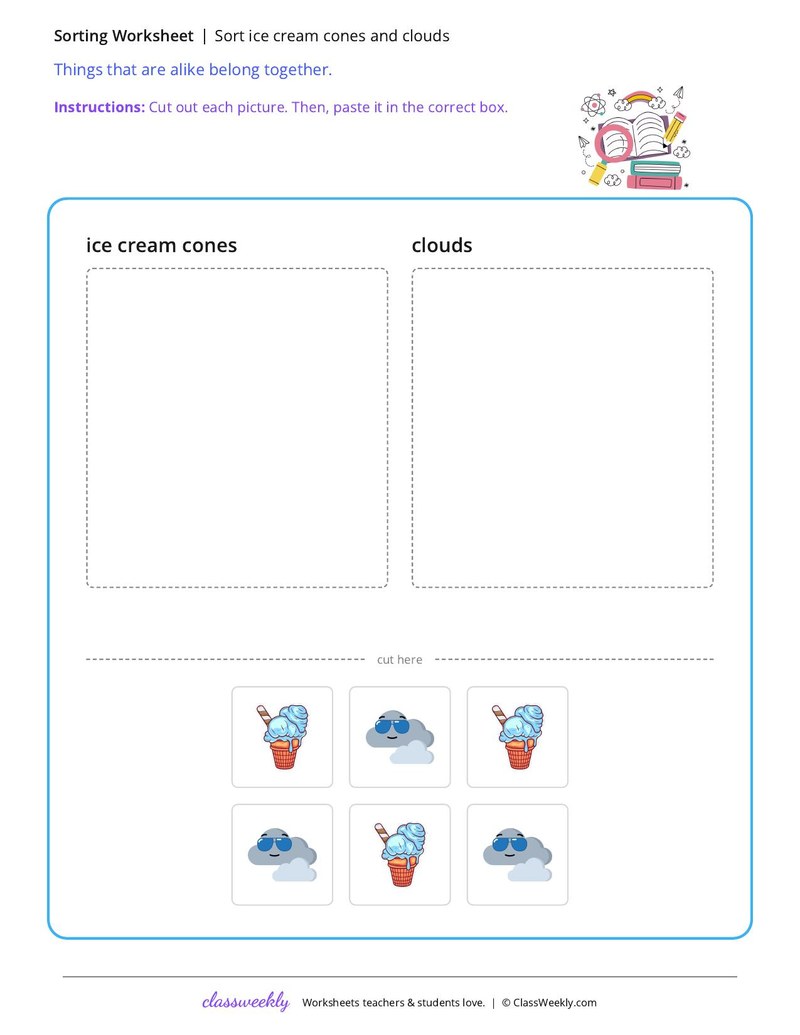
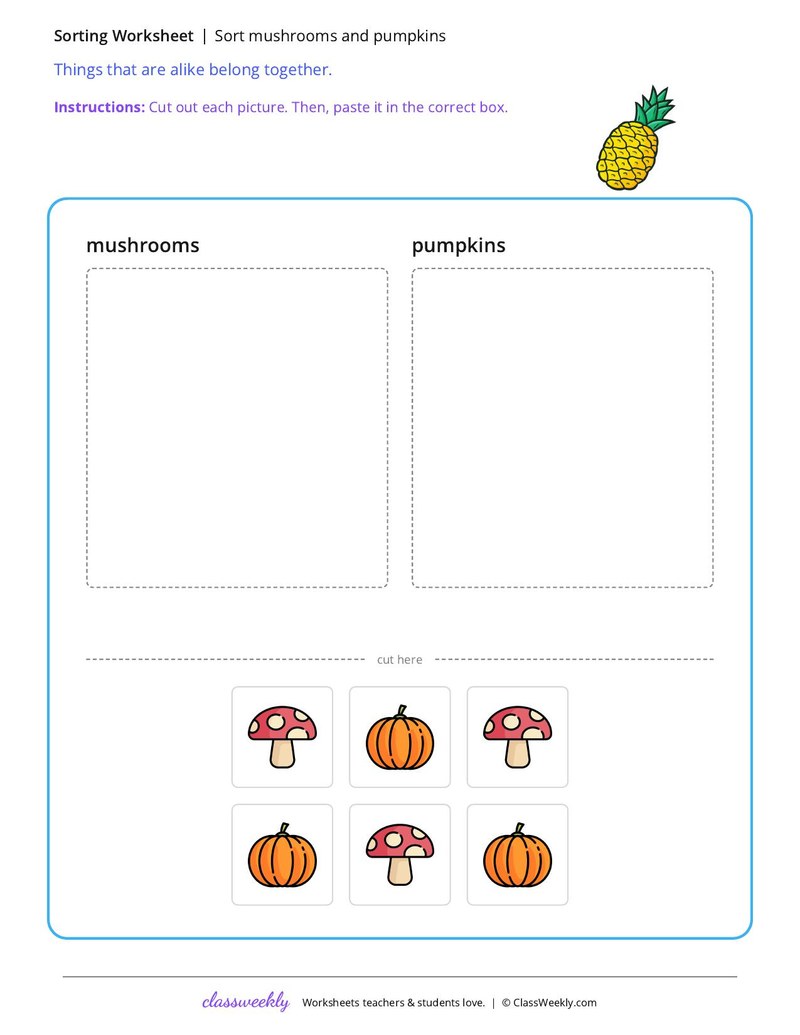
Which one is different: Circle the picture that is different in each row. Two things can look exactly alike. Part of our same and different sorting collection.
How do I use this worksheet?
Ask the child to say what is the same and what is different. Point out details such as size, color or direction.
What students will practice
- Students will match two pictures that are exactly the same.
- Students will circle the picture that is different.
- Students will look closely for small differences.
Curriculum Links
Find this in the curriculum
Browse the grade, subject, and topic this belongs to.
FAQ
How do I use this same and different worksheet?
⌄
Ask the child to say what is the same and what is different. Point out details such as size, color or direction.
What does this worksheet teach?
⌄
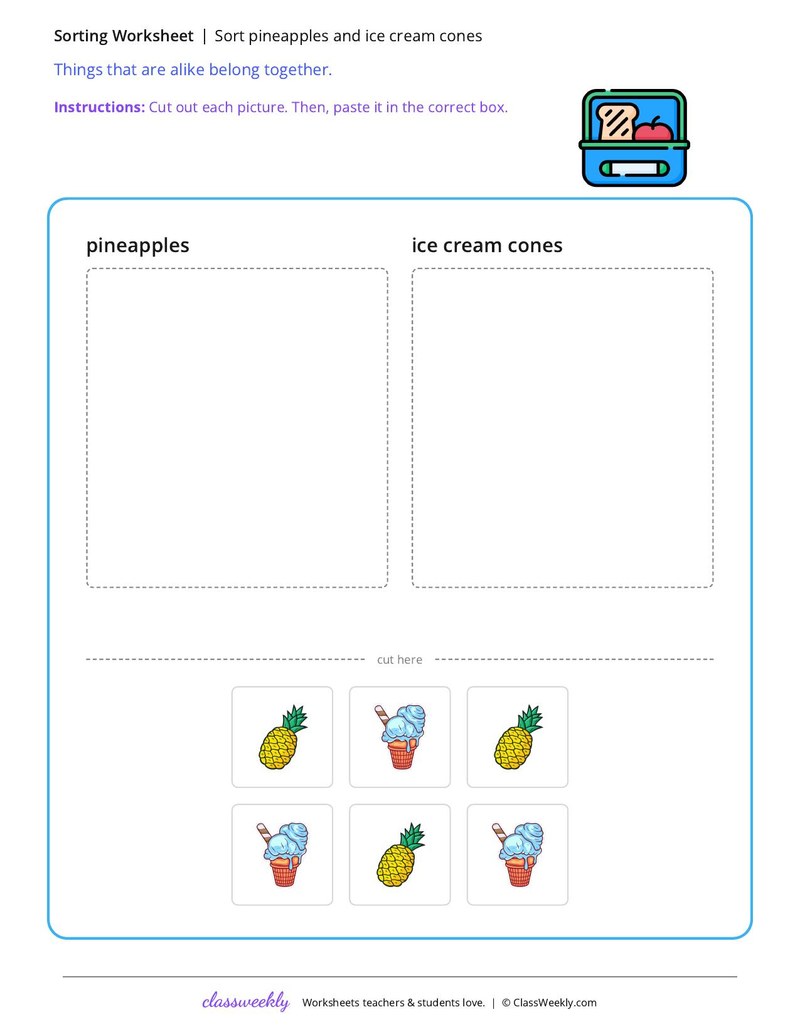
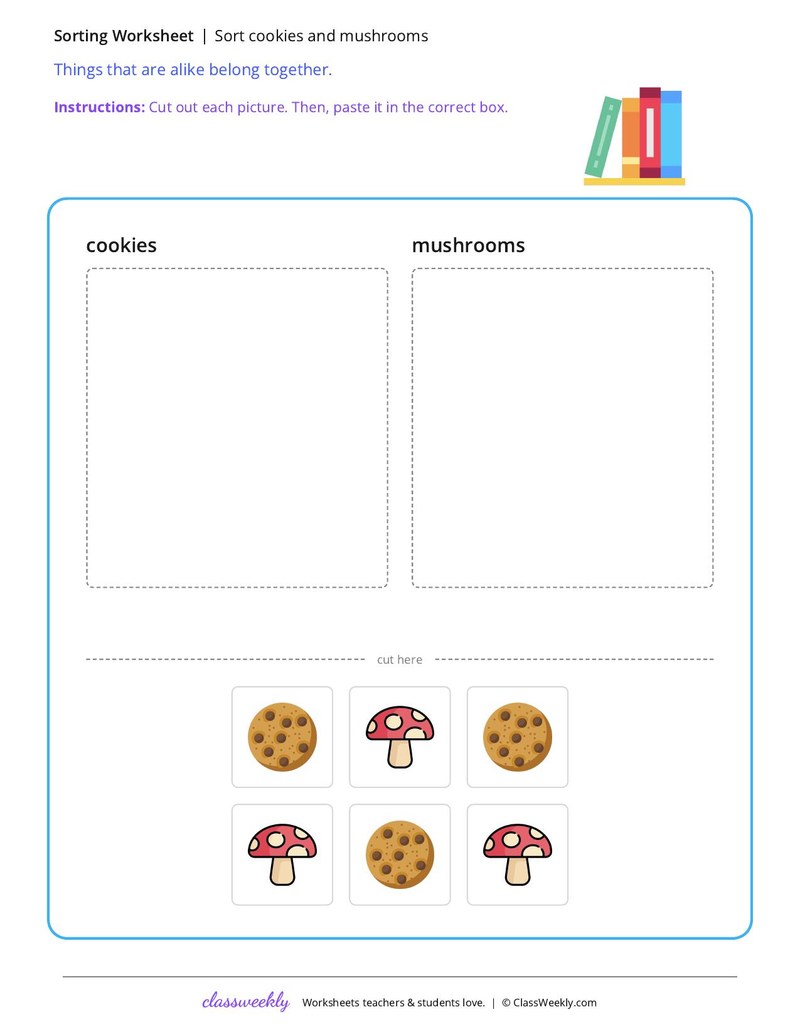
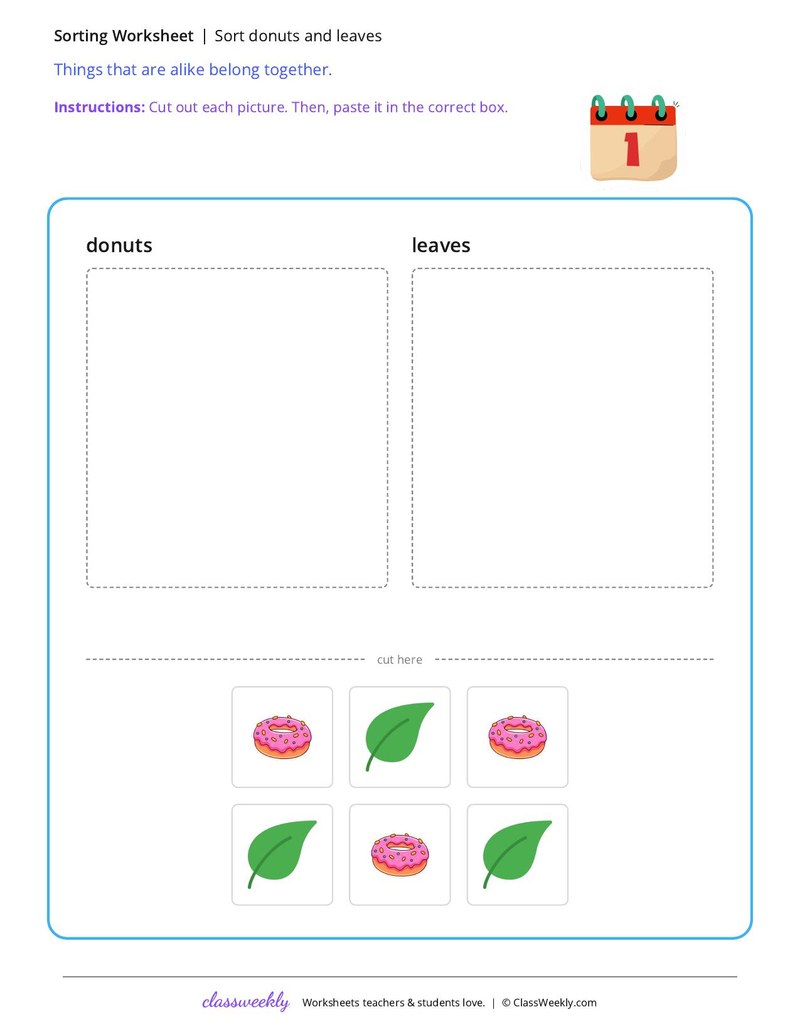
Rows ask children to match pairs or find the odd one out among similar pictures. It builds careful looking.
Can I use this same and different worksheet for homeschool or classroom?
⌄
Yes, both. We made it for Preschool sorting, and the page works the same whether it lands on a kitchen table or a center rotation. At home, most families go through it together and talk the answers out loud, and that talking is where most of the learning happens with same and different. In class it runs well as independent work while you pull a small group. Print one copy or thirty, whichever the day needs.
What does sorting by which one is different teach?
⌄
Sorting by which one is different means grouping things that share that attribute. Sorting is the beginning of classifying, which underpins data work later.
Is sorting really math?
⌄
Yes. Deciding what makes things alike, applying that rule consistently, and explaining it are the same moves used later with graphs, tables and categories. It is also where children first practice holding a rule in mind while working.
My child sorts by a different rule than the one intended. Is that wrong?
⌄
Not if the rule is applied consistently and they can say what it is. Sorting by color when the page expects which one is different is still valid mathematical thinking. Ask them to explain, then ask whether they can find another way to sort the same set.
How many Preschool same and different worksheets are there?
⌄
4 printable worksheets, all free to preview. Downloads are included with a ClassWeekly free trial, and every page prints on standard 8.5 x 11 paper.
What age are same and different worksheets for?
⌄
These are written for preschool children, roughly ages 3-5. Start with the first few pages, use the free preview to judge the fit, and come back to harder ones as your child gets steadier.
Does my child need to know how to write for these same and different worksheets?
⌄
No. Most pages ask children to circle, trace, match, color, or cut and paste, and a few ask for a single number. A grown-up can read the instructions aloud, so children do not need to read yet.
Can I use these same and different worksheets for homeschool?
⌄
Yes. Nothing here assumes a classroom of 25, so they work the same one-to-one at the kitchen table as they do in a Preschool classroom, a learning center, or a tutoring session.
Ratings & Reviews
No reviews yet. Be the first to share what you think.
Reviews are for ClassWeekly members.
Make a Request
Spotted something to fix, or want a worksheet we don't have yet? Tell us and we'll make it.
What is ClassWeekly?
ClassWeekly offers free worksheets and printable learning resources for kids in preschool to grade 5. Preschool math worksheets build early skills for ages 3-5 and are designed by educators. Become a member to access the full library and download unlimited PDFs.