Summer Pairs Matching Game
Written by Adi Ackerman, Head Teacher
"Summer Pairs Matching Game" is written for Kindergarten (Ages 5-6). If your little one is a year younger but already steady on summer activities, the page still works. You may just need to read the instructions out loud. And if they are older and visual matching never quite stuck, this is a short review rather than busywork.


5 pages in this set
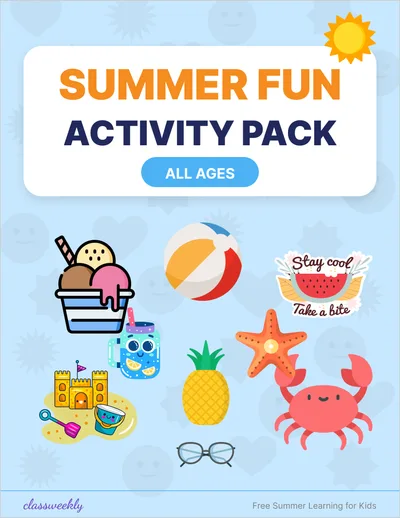
Free printable summer pairs matching game. Cut out the summer picture cards, flip them over, and find the matching pairs to build visual memory, concentration, and vocabulary. A no-prep center or rainy-day game for PreK and first grade. Part of our visual matching summer activities collection.
How do I use this resource?
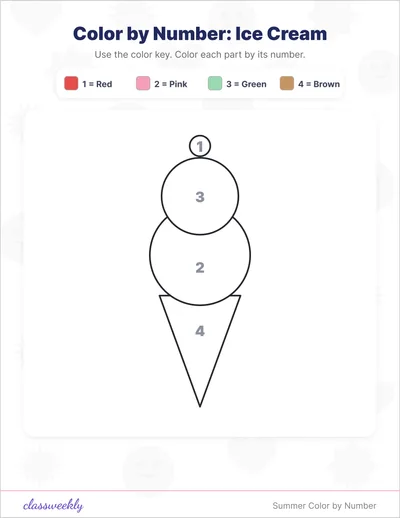
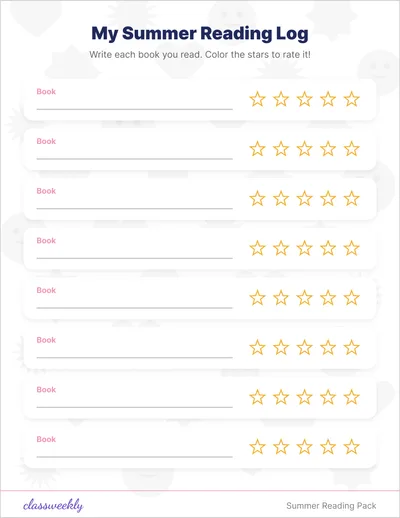
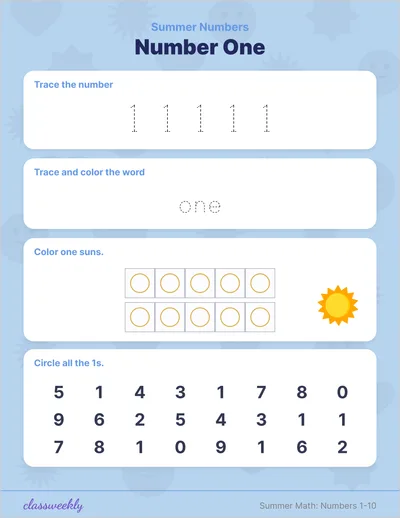
Print and hand out to your Kindergarten students as independent work, a center activity, or a fun end-of-day wind-down. Most pages need nothing more than crayons or a pencil, so they work well for early finishers or a take-home summer packet.
What students will practice
- Gives Kindergarten students hands-on, summer-themed practice across a range of skills and activity types.
- Supports summer learning packets, end-of-year fun, or a break from routine worksheets.
- Keeps kids engaged with a seasonal theme while still building or reviewing a skill.














Curriculum Links
Find this in the curriculum
Browse the grade, subject, and topic this belongs to.
FAQ
How do I use this visual matching resource?
⌄
Print and hand out to your Kindergarten students as independent work, a center activity, or a fun end-of-day wind-down. Most pages need nothing more than crayons or a pencil, so they work well for early finishers or a take-home summer packet.
What does this resource teach?
⌄
This printable summer resource gives Kindergarten students a seasonal activity, whether that's a coloring page, matching game, craft, or a skill-practice resource with a summer theme. Use it for end-of-year fun, a summer learning packet, or anytime a seasonal twist helps keep kids engaged.
Can I use this visual matching resource for homeschool or classroom?
⌄
Yes, both. We made it for Kindergarten summer activities, and the page works the same whether it lands on a kitchen table or a center rotation. At home, most families go through it together and talk the answers out loud, and that talking is where most of the learning happens with visual matching. In class it runs well as independent work while you pull a small group. Print one copy or thirty, whichever the day needs.
How does the pairs matching game work?
⌄
Cards are laid face down and players turn two at a time, keeping the pair when they match. It is the classic memory game with summer images, and it needs no reading, so a whole family can play it together.
What does a matching game teach?
⌄
Visual discrimination and working memory, both of which reading depends on. Noticing that two images are identical is the same attention to detail needed to see that b and d are not. Children also routinely beat adults at it, which does no harm.
How many pairs should we start with?
⌄
Six to eight for a kindergartener. The full set at once usually ends in frustration. Add pairs as they get better, and let them win sometimes without making it obvious.
How many Kindergarten visual matching resources are there?
⌄
1 printable resource, all free to preview. Downloads are included with a ClassWeekly free trial, and every page prints on standard 8.5 x 11 paper.
What age are visual matching resources for?
⌄
These are written for Kindergarten students, roughly ages 5-6. Many teachers also use them a grade up for review or a grade down as an extension, so use the preview to judge the fit for a particular child.
Can I use these visual matching resources for homeschool?
⌄
Yes. Nothing here assumes a classroom of 25, so they work the same one-to-one at the kitchen table as they do in a Kindergarten classroom, a literacy centre, or a tutoring session.
Ratings & Reviews
No reviews yet. Be the first to share what you think.
Reviews are for ClassWeekly members.
Make a Request
Spotted something to fix, or want a resource we don't have yet? Tell us and we'll make it.
Resource Details
| Grade | Kindergarten |
| Subject | Resources |
| Topic | Summer Activities |
| Pages | 1 page |
| Difficulty | Medium |
What is ClassWeekly?
ClassWeekly offers free worksheets and printable learning resources for kids in preschool to grade 5. All worksheets are aligned to Common Core, NGSS, and C3 Framework standards and designed by educators. Become a member to access the full library and download unlimited PDFs.