
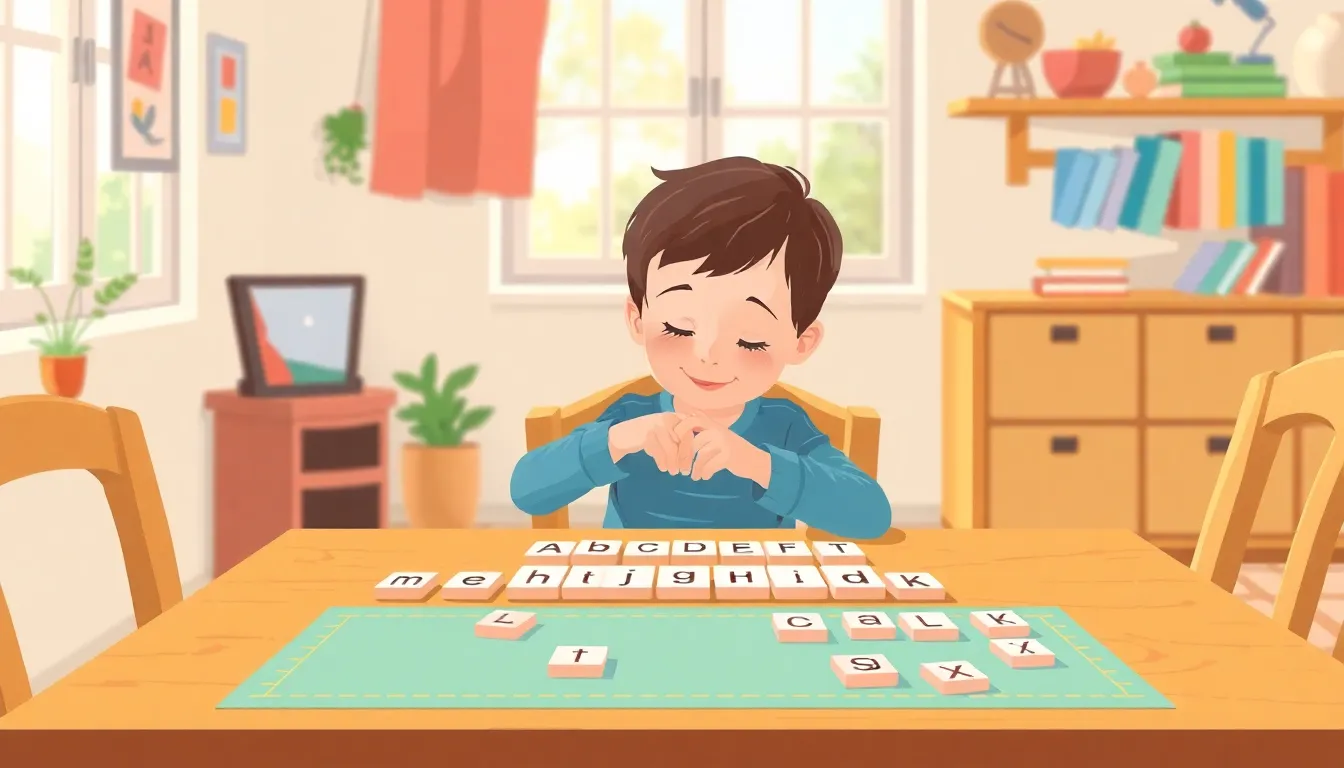
Homeschool 1st Grade Reading: Teaching Spelling
Get 30 days of free worksheet downloads
Key Takeaways
- Spelling in first grade is built on phonics, not memorization, so sound-letter connections come first.
- Sight words need a different teaching approach than phonics words because many don't follow the rules.
- Tracing and handwriting practice reinforce spelling by connecting the hand to the sound.
- A weekly spelling list routine works well once your child has a base of letter sounds and a handful of sight words.
Spelling in first grade isn't about drilling long lists of words until they stick. It's about giving your child the tools, letter sounds, phonics patterns, and a growing bank of sight words, so that spelling becomes something they can reason through, not just memorize.
This is also the year reading and writing really start to merge. The same phonics work that helps your child sound out a new word on the page is what helps them spell that word when they write it down.
Here's how to build a spelling routine for your first grader that actually connects to their reading, rather than feeling like a separate chore.
Free 1st Grade Spelling Worksheets


What First Grade Spelling Is Really Built On
Good first grade spelling instruction rests on a foundation of phonics and letter sounds. Before your child can spell a word, they need to know what sound each letter or letter combination makes, and they need practice applying that in both directions: reading a word and writing one.
Vocabulary and sentences round this out. Learning to spell a word in isolation is one thing, but using it correctly in a sentence is what makes the spelling stick long term. This is why spelling, vocabulary, and sentence writing tend to get taught together rather than as separate subjects.
Sight words deserve their own lane. These are the high-frequency words like the, was, and said that show up constantly in early reading but don't always follow standard phonics rules. First graders need repeated, spaced-out exposure to sight words, since sounding them out alone won't always get the right spelling.
Tracing and handwriting are part of the picture too, even though they might not look like "spelling" work at first glance. Tracing a word while saying its sounds out loud builds a physical memory of the letter sequence, which genuinely helps kids recall the spelling later. Weekly spelling list practice ties all of this together once the foundation is in place.
How to Teach It Step by Step
Step 1: Confirm letter sounds are solid. Before starting formal spelling, make sure your child can confidently produce the sound for each letter, including common digraphs like sh, ch, and th.
Step 2: Practice segmenting sounds. Say a simple word like "cat" out loud and ask your child to tell you the three sounds they hear: /c/ /a/ /t/. This "sound stretching" is the core skill spelling depends on.
Step 3: Move from sounds to letters. Once your child can segment sounds, have them write the letter for each sound they hear. Start with three-letter words before moving to four and five letter words.
Step 4: Build a short weekly list. Pick five to eight words that mix a phonics pattern you're working on (like short a words) with one or two sight words your child is learning.
Step 5: Practice through multiple senses. Have your child trace the word, say it out loud, write it from memory, then use it in a sentence. Repeating a word across these different methods beats writing it twenty times in a row.
Step 6: Review cumulatively. Each new week, mix in one or two words from previous weeks so older spelling patterns don't fade.
Common Mistakes and Signs of Mastery
The most common misstep is treating spelling as pure memorization disconnected from phonics. If your child is just staring at a word and trying to remember its shape, they'll struggle with any new word that isn't on the list. Anchoring spelling in sound-letter reasoning gives them a tool that works for words they've never seen.
Another mistake is moving too fast into sight words before phonics is solid. Sight words that don't follow the rules are genuinely harder to spell, so front-loading too many of them before your child has a phonics foundation to lean on can be discouraging.
You'll know spelling is clicking when your child can spell new, unpracticed words that follow a pattern they've learned, not just the ones on this week's list. That's the real test: can they apply the pattern, not just recall the specific word.
FAQ
When should I start formal spelling lists with my first grader? Wait until your child can reliably read and blend simple three and four letter words. Once phonics and letter sounds feel steady, usually a few months into first grade, a short weekly list of five to eight words works well.
How is spelling different from phonics at this age? Phonics is about decoding, turning letters into sounds to read a word. Spelling is the reverse: turning sounds into letters to write a word. They reinforce each other, which is why strong phonics instruction makes spelling easier.
Should sight words be spelled out or just memorized by sight? A mix of both works best. Many sight words like she or was follow phonics rules partway, so sounding them out helps, but a handful, like said or of, really do need to be memorized as whole words.
My child spells words the way they sound, like 'kat' for cat. Is that normal? Very normal, and actually a good sign. It means your child understands letter sounds and is applying them logically. Gently correct the spelling while praising the sound reasoning behind it, and accuracy will catch up with more reading exposure.
Keep Reading
Spelling is one of those skills that feels slow in the moment and then suddenly clicks all at once. Stick with the sound-based approach, celebrate the "kat for cat" moments, and trust that accuracy is coming. 😊

Adi Ackerman
Head Teacher
Adi is the Head Teacher at ClassWeekly, with years of experience teaching elementary students. She designs our curriculum-aligned worksheets and writes practical guides for teachers and parents.
Keep Reading
Ready to download? Try ClassWeekly free for 30 days.
Unlimited worksheets for PreK through 5th grade. Cancel anytime.