
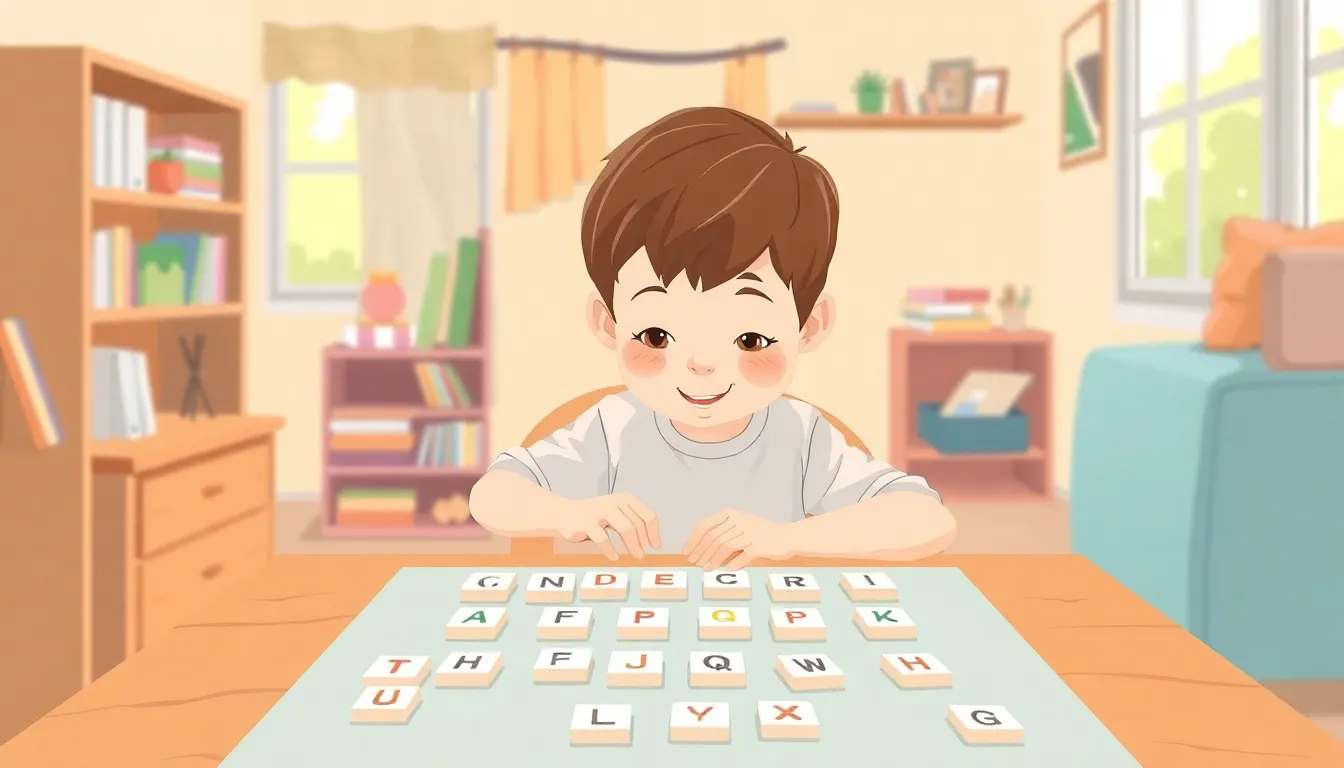
Homeschool 2nd Grade Reading: Teaching Spelling
Get 30 days of free worksheet downloads
Key Takeaways
- Second grade spelling should build on sight words your child already reads, not start from scratch with new lists.
- Word scrambles, missing letters, and word shapes work because they make your child look closely at a word's structure, not just copy it.
- Trace and write practice matters most for kids who still hesitate over letter formation, less for kids who already write fluently.
- A weekly spelling list only sticks if your child uses the words in actual sentences, not just a Friday quiz.
Spelling in second grade sits right at the intersection of reading and writing, which is exactly why it can feel tricky to teach. Your child already recognizes plenty of words on sight. Now they need to go the other direction: pull those words from memory and put them down on paper correctly.
We talk to a lot of homeschool parents who assume spelling should just click once reading clicks. It doesn't always work that way, and that's completely normal. Reading and spelling use different mental muscles, even though they're related.
Let's walk through what second grade spelling actually involves and how to build it without turning every week into a memorization slog.
Free 2nd Grade Spelling Worksheets


What 2nd Grade Spelling Actually Covers
Spelling at this age leans heavily on sight words, the high frequency words that show up constantly in early reading (said, because, friend, again). Spelling list practice is the backbone: a rotating set of words your child studies, writes, and gets quizzed on.
Trace and write spelling words is the entry point for kids who need extra support with letter formation while they spell. It's less about the spelling itself and more about building the hand-eye coordination to write the word smoothly.
From there, spelling work branches into skill-building formats. Identify correct spelling exercises show your child two or three versions of a word (frend, freind, friend) and ask them to pick the right one, which trains their eye to notice what "looks wrong." Color and spell exercises combine a fun coloring task with spelling practice, useful for keeping younger second graders engaged.
Word scrambles take the letters of a word and mix them up, asking your child to reorder them correctly, a great way to test whether they really know a word's letters or are just recognizing its shape. Missing letters exercises show a word with one or two blanks, which builds the same skill in a gentler way. Word shapes match a word to a box outline showing tall and short letters, training visual memory for spelling patterns before your child can spell everything from pure recall.
How to Teach It Step by Step
Step 1: Pull your weekly list from what your child is already reading. Use sight words they're seeing in books plus a few new ones. Ten to twelve words is enough. A list pulled from nowhere feels random and doesn't stick as well.
Step 2: Start the week with tracing or copying, if needed. For kids still building handwriting fluency, trace and write practice first thing on Monday sets the words in their hand before asking for recall.
Step 3: Mix in recognition activities midweek. Identify correct spelling and missing letters worksheets are lower pressure than writing from scratch, good for Tuesday or Wednesday when the words are still fresh but not yet automatic.
Step 4: Add word scrambles once the list feels familiar. By Thursday, your child should be able to unscramble the letters of most words on the list. This is a strong sign the spelling is really sinking in, not just recognized.
Step 5: End with real use, not just a quiz. Have your child write two or three sentences using that week's words. This is the step that actually transfers spelling into their own writing, which is the whole point.
Common Mistakes and Signs of Mastery
The biggest mistake homeschool parents make with spelling is treating Friday's quiz as the finish line. A child can memorize a list for one test and forget it two weeks later if the words never show up again. Rotate old words back into new lists occasionally to keep them fresh.
Another common issue: kids get frustrated when they spell correctly on a worksheet but mess up the same word in a story they're writing. That's not backsliding, it's just harder to recall a word while also juggling ideas and sentence structure. Be patient with the gap between the two.
You'll know your child has really mastered a word when it shows up spelled correctly in their own writing, unprompted, weeks after it left the weekly list. That's the real test, not the Friday quiz.
FAQ
How many spelling words should a 2nd grader practice each week? Ten to twelve words a week is a solid target for most second graders. Pull them from your child's current sight word list plus a few words from whatever book you're reading together, so the practice connects to something they're already doing.
My child spells words correctly on a worksheet but misspells them in their own writing. Why? This is extremely common and not a red flag. Spelling on a worksheet uses recognition, your child can pick the word out or trace it. Spelling in original writing uses recall, pulling the word from memory while also thinking about ideas and sentence structure. Give it time and keep the worksheet words showing up in real writing prompts.
Are word scrambles and word shapes actually useful, or just filler? They're genuinely useful. Word scrambles force your child to think about which letters belong in a word without relying on the order they usually see it in. Word shapes (matching a word to its outline) build visual memory for spelling patterns, which helps with quick, automatic recall later.
Should we still use trace and write worksheets in 2nd grade? It depends on your child. If letter formation is still shaky or they write slowly, tracing helps build the muscle memory. If your child already writes fluently, skip straight to writing spelling words independently, tracing won't add much at that point.
Keep Reading
Spelling is one of those subjects where progress happens quietly, week by week, until one day you notice your kiddo just knows how to spell "because" without thinking twice. Keep the lists connected to real reading and real writing, and that day comes faster than you'd think. 😊

Adi Ackerman
Head Teacher
Adi is the Head Teacher at ClassWeekly, with years of experience teaching elementary students. She designs our curriculum-aligned worksheets and writes practical guides for teachers and parents.
Keep Reading
Ready to download? Try ClassWeekly free for 30 days.
Unlimited worksheets for PreK through 5th grade. Cancel anytime.