
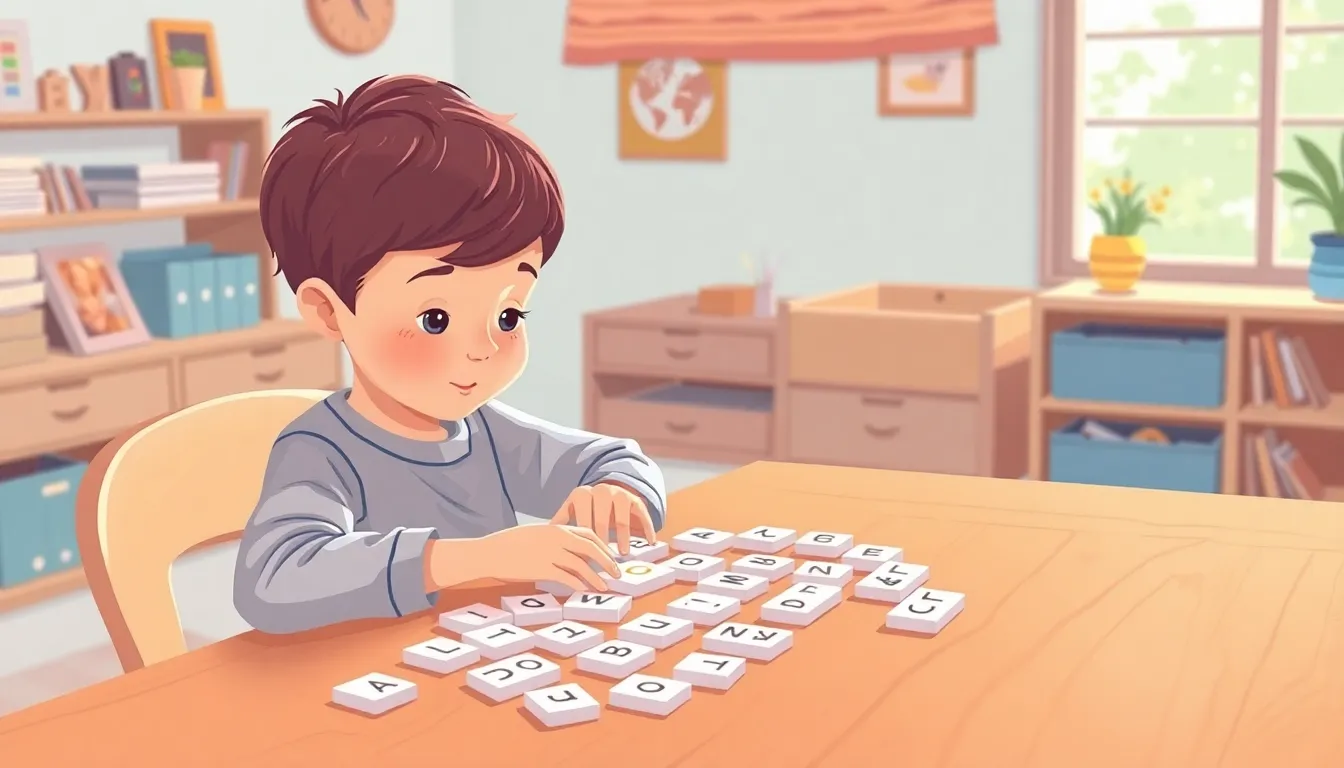
Homeschool 4th Grade Reading: Teaching Spelling
Get 30 days of free worksheet downloads
Key Takeaways
- 4th grade spelling isn't about memorizing longer words, it's about applying spelling patterns (vowel teams, silent letters, suffixes) consistently under real writing conditions.
- Multiple practice formats, tracing, word searches, scrambled words, missing letters, work better together than any single method used alone.
- A weekly spelling list only sticks if your child uses the words in actual sentences, not just copies them five times each.
- Word shape and visual memory activities help kids who struggle with straight memorization by giving them a second way into the same word.
Spelling in 4th grade looks different than it did back in kindergarten or first grade. Kids aren't just sounding out simple words anymore, they're running into vowel teams, silent letters, and longer words with tricky patterns that don't always follow the rules they learned earlier.
This is also the year where the gap between "can spell it on a worksheet" and "can spell it while writing a paragraph" becomes really obvious. A lot of parents get frustrated here because their child aces the Friday spelling test and then misspells the exact same word in a story two days later.
That gap isn't a sign something's wrong. It just means the skill needs more practice formats, not more repetition of the same one. Let's talk through what actually works.
Free 4th Grade Spelling Worksheets


What 4th Grade Spelling Practice Actually Involves
The core skill is straightforward spelling accuracy, but 4th grade worksheets approach it from several angles, and each one builds a different kind of memory. There's straightforward spelling list practice, where a child studies and reproduces a set of words. There's identifying correct spelling, where they pick the right version out of a few close options, which trains their eye to spot errors.
Then there are the format variations: missing letters, where a child fills in a gap in a partially spelled word, scrambled words, where letters are jumbled and need reordering, and word shapes, where the outline or box pattern of a word gives a visual clue. Tracing and writing spelling words builds the physical memory of forming the letters in order. Vowels get their own focused practice too, since vowel sounds and vowel teams (like "ea," "ai," "oa") are where most 4th grade spelling errors actually happen.
Color and spell activities and spelling word searches round things out as lower-pressure formats, good for a Friday or a day when your child needs a break from straight recall but you still want the words in front of them.
The reason all these formats matter together is that spelling isn't one skill, it's several: recognizing correct spelling, recalling it from memory, and physically producing it while writing. A child can be strong in one and weak in another, so mixing formats across the week catches those gaps.
How to Teach It Step by Step
Step 1: Introduce the week's list with the words grouped by pattern. Instead of a random list, group words that share a vowel team or a suffix, like "delight," "night," "sight." Patterns are easier to remember than isolated words.
Step 2: Say it, trace it, write it. Have your child say each word out loud, trace it while spelling the letters aloud, then write it from memory without looking. This multi-sensory pass beats plain copying.
Step 3: Mix in a lower-pressure format midweek. Use a word search, missing-letters worksheet, or scrambled-words activity to reinforce the list without the pressure of a test.
Step 4: Test recall, not recognition, before the real test. Read a word out loud and have your child write it from memory, the same way the actual spelling test will work. Multiple choice or fill-in-the-blank isn't the same skill.
Step 5: Use the words in real sentences. This is the step families skip most often, and it's the one that actually closes the gap between test spelling and writing spelling. Have your child write one sentence per word using that week's list.
Common Mistakes and Mastery Signs
The biggest mistake is treating the Friday test as the finish line. A child who spells every word correctly on Friday but never uses those words in their own writing hasn't actually locked the spelling in long term, it's just short-term recall.
Another common issue is skipping vowel work because it feels "too easy" for 4th grade. Vowel teams and silent letters are actually where most spelling errors cluster at this age, since consonant sounds are usually solid by now. Don't skip the vowels section just because it looks basic.
You'll know your child has really mastered a spelling pattern when they start self-correcting in their own writing, crossing out a word and rewriting it because it "looks wrong," even before you point it out. That instinct, built from repeated exposure to the pattern, is worth more than any single test score.
FAQ
How long should a weekly spelling list be for a 4th grader? Ten to fifteen words is typical. Fewer words practiced deeply, in writing and in context, beats a long list your child only sees once before the test.
My child can spell words correctly on a worksheet but misspells the same words in their own writing. What's going on? This is extremely common. Worksheet spelling is recognition-level practice, writing spelling is recall-level practice, and recall is much harder. Bridge the gap by having your child use each week's words in their own sentences, not just fill-in-the-blank exercises.
Are word searches actually useful for spelling, or just busywork? Used sparingly, they help with visual recognition of letter patterns, especially for vowel teams and silent letters that are easy to skip over. But they shouldn't be your only practice format, pair them with writing-based activities that require your child to produce the word from memory.
How do I handle a child who just doesn't have a strong visual memory for spelling? Lean on multiple senses at once: say the word, trace it while saying each letter out loud, then write it without looking. Kids with weaker visual memory often do better with this multi-sensory approach than with repeated silent copying.
Keep Reading
Spelling can feel like a grind some weeks, especially when a word just won't stick no matter how many times you go over it. Give it time and a few different practice formats, and most of those stubborn words settle in on their own. 😊

Adi Ackerman
Head Teacher
Adi is the Head Teacher at ClassWeekly, with years of experience teaching elementary students. She designs our curriculum-aligned worksheets and writes practical guides for teachers and parents.
Keep Reading
Ready to download? Try ClassWeekly free for 30 days.
Unlimited worksheets for PreK through 5th grade. Cancel anytime.