
Homeschool Kindergarten Math: Teaching Addition
Get 30 days of free worksheet downloads
Key Takeaways
- Kindergarten addition should start with adding objects to 20, using real items or pictures, before ever touching numbers on paper.
- Making 10 and decomposing numbers under 20 are two of the most important early number sense skills for later math success.
- Addition up to 5 builds confidence fast because kids can usually count both groups on their fingers to check their own work.
- Vertical addition problems teach kids how to line up numbers for the standard written format they'll use for years.
Addition is usually the first "real math" a kindergartner does, and it's a milestone moment in most homeschools. One day your child is just counting things, and the next they're combining two groups and telling you the total. That leap is worth celebrating and worth teaching carefully.
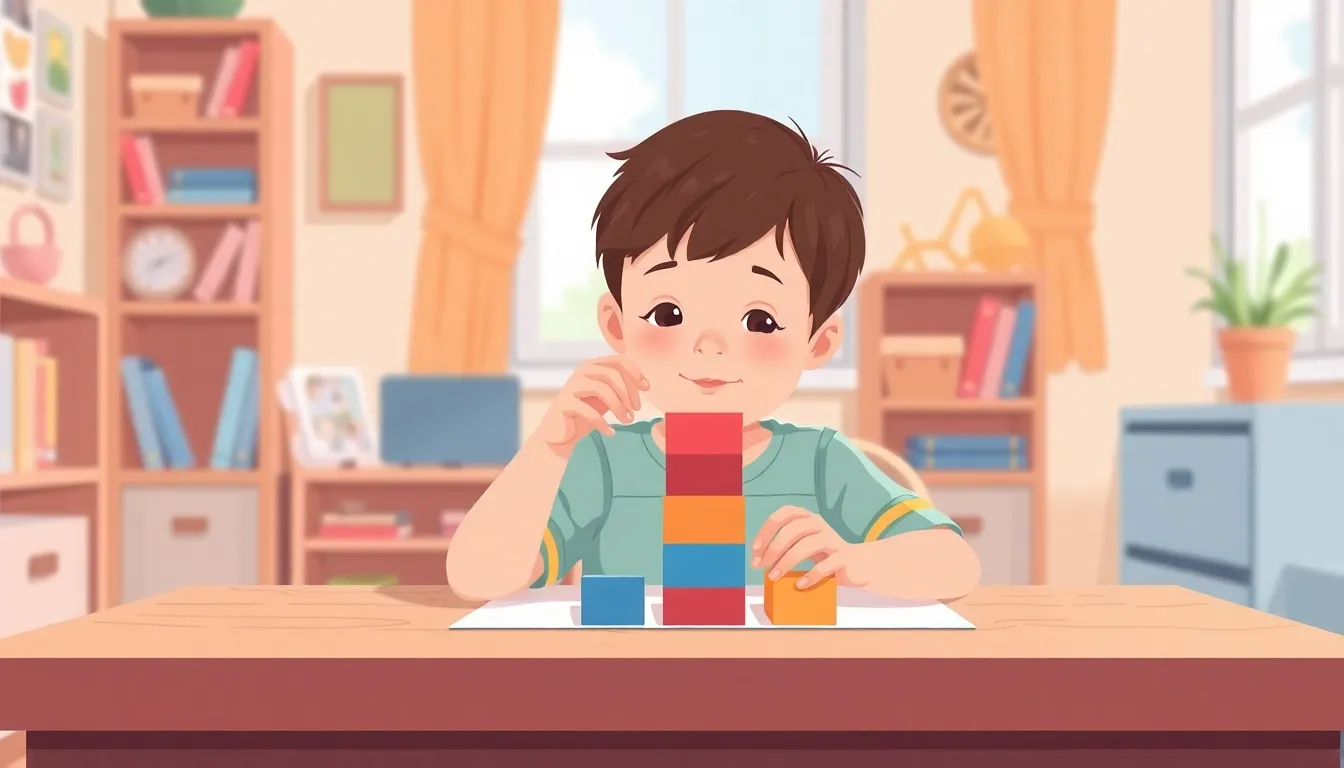
The trap a lot of us fall into is moving to numbers on paper too fast. Addition facts stick so much better when a kindergartner has spent real time physically pushing two piles of blocks together and counting the new total, before a single plus sign shows up on a page.
Here's how we like to build addition skills at home, from objects to pictures to the written problems your child will use for years to come.
Free Kindergarten Addition Worksheets


What Kindergarten Addition Actually Covers
Addition at this level starts with adding objects to 20, meaning your child counts out two small groups, combines them, and counts the total. This is the most concrete version of the skill and should get more practice time than you'd expect.
Addition up to 5 is the natural next step, since these sums are small enough for a child to check on their fingers. Single-digit addition more broadly extends that same idea up through 9 plus 9, once a child has built confidence with the smaller sums.
Decomposing numbers, both decompose numbers under 20 and the more general decompose numbers skill, teaches kids to break a number into parts. Understanding that 8 is really "5 and 3" or "6 and 2" is what eventually lets kids add without counting every single object one by one.
Making 10 and make ten objects deserve special attention. Finding pairs that add up to 10 (like 7 and 3, or 6 and 4) becomes a mental math shortcut that carries a child through years of future addition and subtraction work.
Addition word problems and addition vertical round out the picture, applying the skill to a short story situation and to the written format kids will use going forward.
How to Teach It Step by Step
Step 1: Start with two small piles of real objects. Crackers, blocks, coins, anything countable. Ask your child to count each pile, push them together, and count the new total.
Step 2: Move to pictures once objects feel easy. Worksheets with pictures to count and combine are the bridge between hands-on counting and pure numbers, and adding objects to 20 exercises are built for exactly this stage.
Step 3: Practice addition up to 5 with numbers alone. Once your child trusts that combining groups makes a bigger group, start showing the same idea with written numbers and a plus sign, keeping sums small.
Step 4: Introduce making 10 as its own mini-unit. Spend a few sessions just on pairs that make 10. Use two-color counters or a simple ten-frame if you have one, since seeing the visual "10" boundary really helps this click.
Step 5: Add word problems and vertical format. Once the concept is solid, addition word problems teach kids to pull the math out of a short story, and addition vertical practice teaches the lined-up written format for bigger sums later.
Common Sticking Points
The most common issue we see is a child who's great with objects but blanks out the moment the same problem appears as "3 + 2 = __" on paper. This is completely normal. Keep a small pile of counting objects next to any written addition practice for as long as your child wants it, even after they seem ready to go without.
Another sticking point is counting errors, especially double-counting the last object in a group or skipping one when the groups get close to 10. Have your child touch each object as they count it out loud, which slows things down just enough to catch these mistakes.
You'll know your kindergartner has really mastered basic addition when they can solve small sums without counting on fingers or objects at all, just from memory, and when they can explain a simple word problem in their own words before solving it.
FAQ
Should I start with addition up to 5 or jump straight to bigger numbers? Start with addition up to 5. Kids can check these sums on their fingers, which builds confidence and lets them self-correct before you introduce the harder decompose-and-recombine strategies needed for bigger sums.
What does "making 10" actually mean and why does it matter so much? Making 10 means finding number pairs that add up to 10, like 6 and 4 or 7 and 3. It matters because it becomes the mental shortcut kids use later for adding bigger numbers, so it's worth extra practice time in kindergarten.
My child can add with objects but freezes on the same problem written with numbers. What's going on? This is a common gap between concrete and abstract understanding. Keep practicing with real objects or pictures alongside the written numbers for longer than feels necessary, and the transition will click on its own timeline.
What's the point of vertical addition if my child already understands the concept? Vertical addition teaches the written format kids will use for the rest of elementary math, lining up ones and tens correctly. It's a formatting skill, separate from the addition concept itself, and worth practicing once the concept is solid.
Keep Reading
There's nothing quite like the moment a kiddo solves an addition problem in their head for the first time and looks up at you, a little proud of themselves. Give the objects and pictures plenty of time before you rush to numbers, and that moment will come naturally 😊

Adi Ackerman
Head Teacher
Adi is the Head Teacher at ClassWeekly, with years of experience teaching elementary students. She designs our curriculum-aligned worksheets and writes practical guides for teachers and parents.
Keep Reading
Ready to download? Try ClassWeekly free for 30 days.
Unlimited worksheets for PreK through 5th grade. Cancel anytime.