
Homeschool Kindergarten Reading: A Parent's Guide
Get 30 days of free worksheet downloads
Key Takeaways
- Reading comprehension at the kindergarten level starts with listening comprehension, long before a child can decode text independently.
- Short, leveled stories with simple sentences give kids enough success to build confidence while still stretching their skills.
- Draw and write activities let a child show they understood a story even if their writing skills are still catching up.
- Paragraphs and passages should stay very short at this age, often just two or three sentences, to keep comprehension the focus rather than decoding stamina.
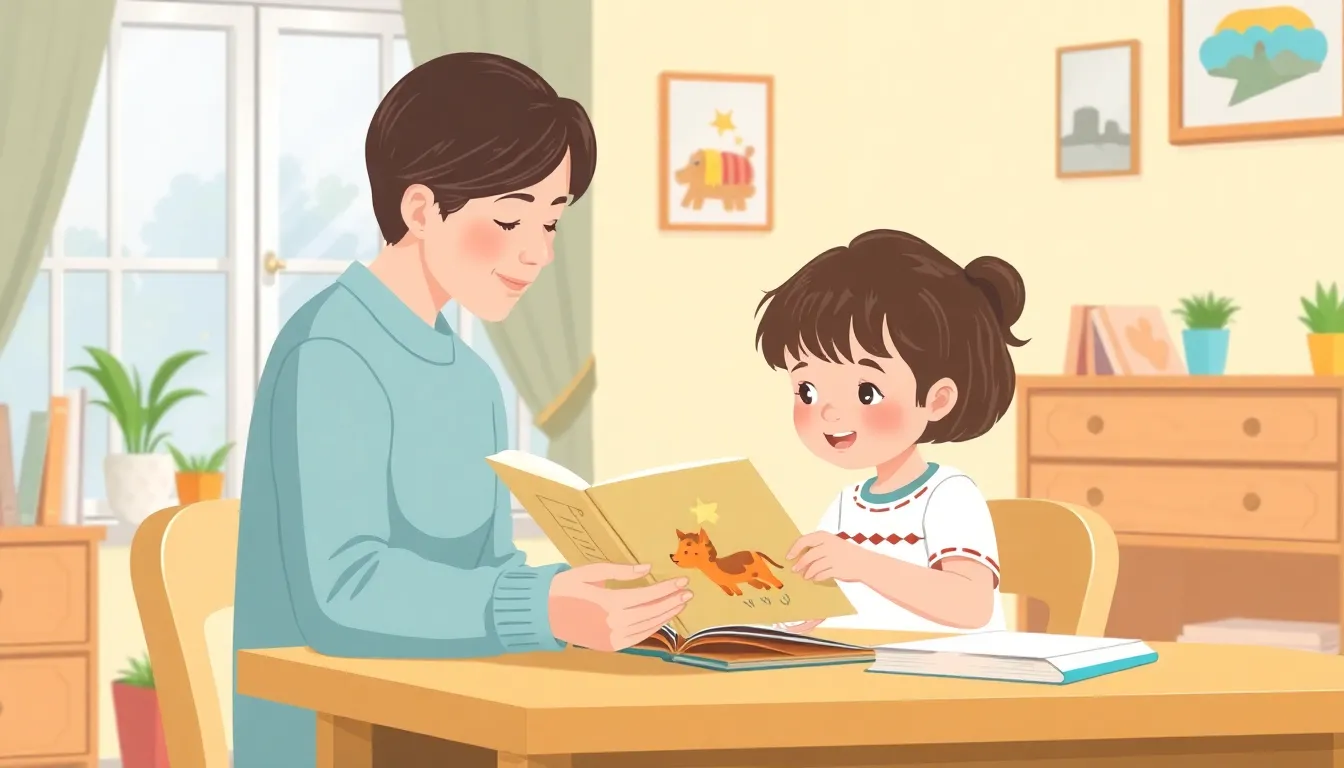
Reading comprehension might sound like a big-kid skill, something you save for chapter books and book reports. But it actually starts the moment you read a story out loud and your kiddo can tell you what happened in it. That's comprehension, and kindergarten is exactly the right time to build it.
A lot of homeschool parents focus so hard on decoding, sounding out letters and blending sounds, that comprehension gets treated as an afterthought. We'd rather you weave the two together from the start. A child who can sound out every word but has no idea what the story was about isn't really reading yet, not in the way that matters.
Here's how we approach building comprehension skills with kindergartners, using stories, sentences, and simple written responses.
Free Kindergarten Reading Comprehension Worksheets


What Reading Comprehension Looks Like at This Age
At five and six years old, reading comprehension work covers a wide range, from listening comprehension with a story read aloud, to independently reading short sentences and answering questions about them.
Children's story exercises are the heart of it. A short story, often just a page, gives kids a beginning, middle, and end to follow. These are usually paired with a few simple questions: who was in the story, what happened, how did it end.
Leveled stories matter a lot here because the reading level needs to match where your child actually is, not where you hope they'll be in a month. A story that's too hard turns into a decoding struggle and comprehension gets lost entirely. A story that's slightly too easy is fine, that's confidence-building, and still worth doing.
Reading sentences practice, working with one sentence at a time, is a good stepping stone before full paragraphs and passages. It isolates comprehension down to a single idea, which is easier to check and easier for a child to succeed at.
Draw and write activities round things out. After a story, asking a child to draw their favorite part or the main character, and maybe label it with one or two words, gives you a window into what they actually understood, separate from how well they can currently write.
How to Teach It Step by Step
Step 1: Read the story aloud together first, even if your child can decode some of it. This takes pressure off the mechanics of reading and lets both of you focus purely on the story itself.
Step 2: Ask a simple recall question right after. "What happened at the beginning of the story?" This checks whether your child was actually following along, not just hearing words.
Step 3: Move into the actual worksheet or exercise, letting your child read the sentences or short passage themselves. Sit nearby to help with any tricky words, but let them try first.
Step 4: Use draw and write for the wrap-up. Have your child draw a scene from the story and, if they're able, write a word or short phrase describing it. This is often the most telling part of the whole exercise.
Step 5: Revisit the same story a day or two later. Ask your child to retell it in their own words. Retelling from memory is one of the strongest signs that comprehension, not just recall, actually happened.
Building Real Comprehension, Not Just Getting Through the Worksheet
One mistake we see often is rushing straight to the questions without giving a story time to sink in. If your child answers a comprehension question wrong, go back to the text together rather than just marking it and moving on. Reading the relevant sentence again out loud usually clears up the confusion fast.
Another common pattern: kids who are strong decoders but weak on comprehension. They can read every word perfectly and still not tell you what the story was about. If you notice this, slow down and add more oral discussion before and after reading, even pausing mid-story to ask "what do you think happens next?"
Keep an eye on attention span too. A kindergartner's comprehension often looks worse than it is simply because a passage ran too long for their focus. Short is genuinely better here. Two or three sentences that a child fully understands beats a long paragraph they zoned out halfway through.
FAQ
Can a kindergartner really do reading comprehension if they're still learning to read? Yes, and it's important to start early. Read a short story aloud to your child and ask questions about it. This listening comprehension builds the same thinking skills they'll later apply to text they decode themselves.
What's the difference between reading sentences and reading a full passage at this age? Reading sentences practice usually isolates one idea at a time, which is great for building decoding confidence. Paragraphs and passages string a few sentences together so a child has to track what happened first, second, and what it all means as a whole.
How do draw and write activities support comprehension? They give a child a way to respond to a story without needing strong writing skills yet. A simple drawing of the main character or the story's ending shows you exactly what stuck, and what didn't.
How many questions should I ask after a story at this age? Two or three is plenty. Ask one simple recall question (what happened), one detail question (what color, how many), and if your child is ready, one thinking question (how do you think the character felt).
Keep Reading
Comprehension is really just a fancy word for "did the story mean something to you." Keep the stories short, keep the questions simple, and trust that your kiddo is building real reading skills every time you sit down together 😊

Adi Ackerman
Head Teacher
Adi is the Head Teacher at ClassWeekly, with years of experience teaching elementary students. She designs our curriculum-aligned worksheets and writes practical guides for teachers and parents.
Keep Reading
Ready to download? Try ClassWeekly free for 30 days.
Unlimited worksheets for PreK through 5th grade. Cancel anytime.