
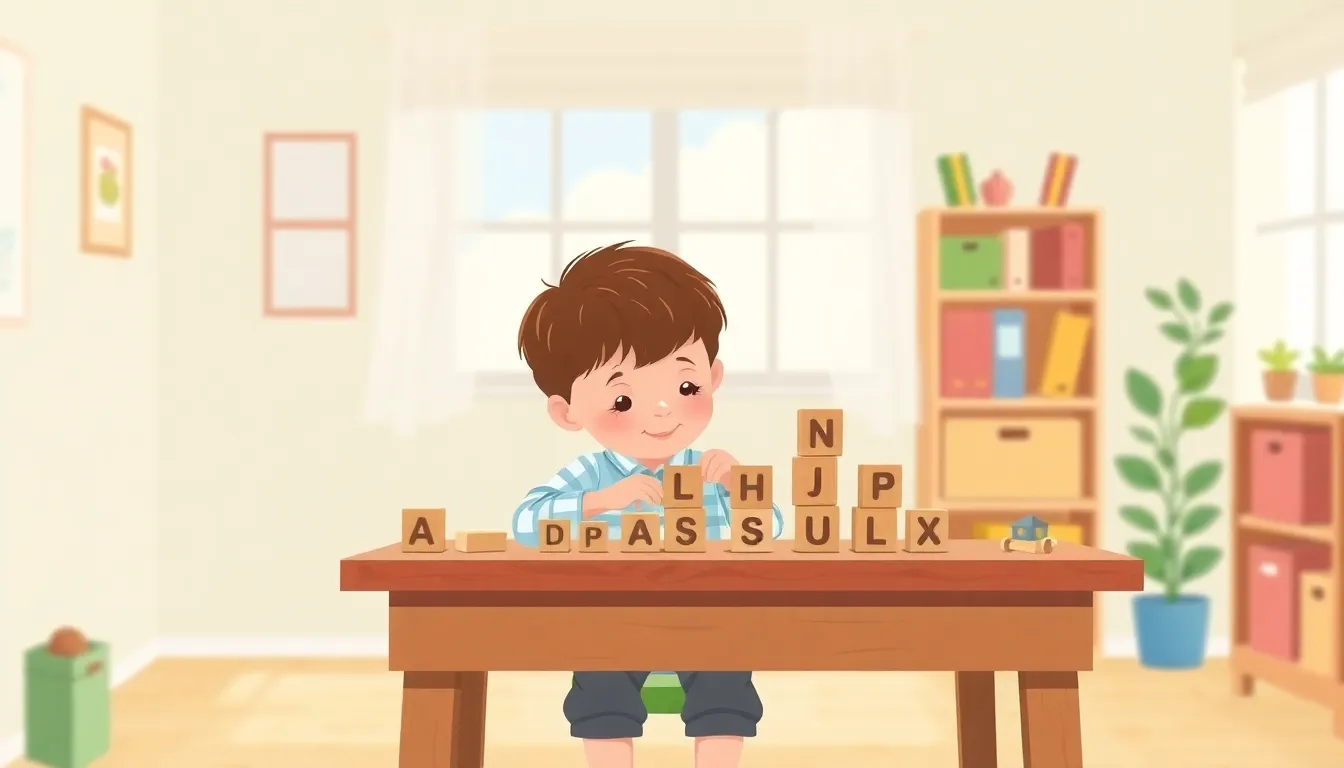
Homeschool Kindergarten Reading: Teaching Letters
Get 30 days of free worksheet downloads
Key Takeaways
- In reading, letter work is really about connecting a letter's shape to its sound, not just its name, since sound is what unlocks decoding.
- Missing letter activities are one of the clearest ways to check whether a child truly knows a letter or is just guessing from context.
- Letters and words exercises are the bridge between isolated letter knowledge and actually reading a whole word.
- Upper and lower case recognition needs to be automatic before a child can read real books, since most print uses a mix of both.
There's a specific moment every homeschool parent waits for: your child looks at a letter and, instead of just naming it, makes its sound. That's the moment letters stop being an alphabet chart and start being the building blocks of actual reading.
In a reading context, letter work looks a little different than it does in a general grammar or handwriting unit. The emphasis shifts hard toward sound. A child needs to know that "S" doesn't just look like an S, it makes a "sss" sound, and that sound is what eventually lets them sound out a whole word.
Here's how we build letter knowledge specifically for reading, using the skills that carry a child toward their very first sentence.
Free Kindergarten Reading Letters Worksheets


What Letter Work for Reading Actually Covers
Learning letters for reading starts the same way general letter learning does, with recognition, tracing letters, and printing letters. But the goal here is tied directly to sound, not just shape.
Upper and lower case matters enormously for reading specifically, because real books mix both constantly. A capital letter starts every sentence and every name, while lowercase fills in the rest. A child who only recognizes uppercase will stumble through most of a picture book's actual text.
Missing letters exercises are where reading-focused letter work really shows its purpose. A word like "d_g" with a blank asks a child to think about what sound is missing and which letter makes it, which is a much deeper check than simply naming letters on a chart.
Letters and words activities connect single letters to whole words, often through matching a beginning sound to a picture. Word search puzzles serve a similar purpose in a lower-pressure, game-like format, asking kids to scan and recognize letters in a slightly more complex visual field.
Alphabetical order rounds things out for reading readiness, since kids will eventually need it for looking things up, but it's a later-stage skill that depends on solid letter recognition first.
How to Teach It Step by Step
Step 1: Teach letter name and sound together, every time. Never introduce a letter by name alone. "This is S, and it says sss" should be one single statement your child hears from day one.
Step 2: Practice with both cases side by side. Show "B" and "b" together and point out that they make the exact same sound despite looking different, since this connection isn't obvious to a five-year-old.
Step 3: Move into missing letter practice once several letter sounds feel solid. Start with words your child already knows well, like their own name or a favorite animal, before moving to unfamiliar words.
Step 4: Add letters and words matching activities. Show a picture (like a cat) and ask your child to identify the beginning letter and sound. This is the first real bridge toward decoding.
Step 5: Use word search as a fun, low-stakes review. These work well as a end-of-week activity to reinforce letters your child has already been introduced to, rather than as the first exposure to a new letter.
Signs Your Child Is Ready for the Next Step
The clearest sign a child has mastered letters for reading purposes is instant sound recall, being able to look at any letter and immediately produce its sound without pausing to think or guess. This needs to happen for both uppercase and lowercase forms.
A second strong sign is success with missing letter activities across a range of simple words, not just memorized favorites. If your child can fill in the blank in an unfamiliar three-letter word, that tells you the sound-letter connection is real, not memorized.
If you notice your child confidently naming letters but still struggling to supply their sounds, slow down and spend extra time just on sounds in isolation before moving forward. Sound knowledge is the piece that actually unlocks reading, so it's worth the extra weeks if needed.
FAQ
Is teaching letters for reading different from teaching letters for handwriting? They overlap but the focus is different. For reading, the priority is recognizing a letter instantly and knowing its sound, while handwriting emphasizes correctly forming and printing the letter by hand.
What's a missing letter worksheet actually testing? It shows a word with one letter left blank, like "c_t" for cat, and asks a child to fill it in. It tests whether a child can connect sounds to letters well enough to identify what's missing, which is a stronger check than simple letter naming.
How important is knowing letter sounds versus letter names for early reading? Sounds matter more for actual reading, since blending sounds together is how kids decode words. Letter names are still useful for talking about letters and for skills like alphabetizing, but sound knowledge is what unlocks a first real book.
My child knows all their letter sounds but still can't blend them into words. What's next? This is a normal next step, not a sign anything is wrong. Practice blending just two sounds at a time, like "m" and "a" into "ma," before working up to full three-letter words, and keep the words highly familiar and simple.
Keep Reading
That first "sss" sound your kiddo makes instead of just saying "S" is a bigger milestone than it looks like in the moment. Keep sound and letter tied together every time you practice, and reading will start to unfold on its own 😊

Adi Ackerman
Head Teacher
Adi is the Head Teacher at ClassWeekly, with years of experience teaching elementary students. She designs our curriculum-aligned worksheets and writes practical guides for teachers and parents.
Keep Reading
Ready to download? Try ClassWeekly free for 30 days.
Unlimited worksheets for PreK through 5th grade. Cancel anytime.