
How to Start Homeschooling: A Beginner's Step-by-Step Guide
Get 30 days of free worksheet downloads
Key Takeaways
- Check your state's homeschool laws first: notification, testing, and record requirements vary widely.
- Pick a teaching approach (curriculum, unit studies, or eclectic) that fits your child, not a Pinterest ideal.
- Start with core subjects only for the first few weeks, then layer in extras once a rhythm is working.
- Connect with a local homeschool group early. It solves socialization and curriculum questions faster than searching alone.
So you're thinking about homeschooling, or you've already decided and now you're staring at a blank calendar wondering what happens on day one. We remember that feeling well. It's equal parts exciting and overwhelming, and most of the overwhelm comes from not knowing which step actually comes first.
Here's the good news: starting homeschooling is a lot more procedural than it feels. There's a short list of legal, practical, and curriculum steps, and once you've worked through them in order, the rest starts to feel like just teaching your kid, which is what you're actually there for.
This guide walks through those steps in the order we'd tackle them ourselves, from paperwork to that first nervous Monday morning.
Step 1: Understand Your State's Homeschool Laws
Every state treats homeschooling differently, and this is the step people skip and regret. Some states, like Texas and Idaho, have almost no requirements beyond teaching reading, spelling, grammar, math, and good citizenship. Others, like New York and Pennsylvania, require a formal notice of intent, an individualized education plan, and annual assessments.
Search "[your state] homeschool requirements" and look for your state's Department of Education page or a well-known state homeschool organization like HSLDA. Note three things specifically: whether you must file a notice of intent, whether you must submit to testing or portfolio review, and what subjects are legally required.
Do this before you buy a single workbook. Curriculum choices are flexible. Legal requirements are not.
Free Kindergarten Math Worksheets


Free 1st Grade Reading Worksheets


Free 2nd Grade Grammar Worksheets


Step 2: Choose a Teaching Approach
There isn't one right way to homeschool, and most families land somewhere between these three common approaches.
Structured curriculum means you buy or subscribe to a full program with a scope and sequence already built, like Saxon Math or a full-subject box curriculum. This is the easiest starting point if you want fewer decisions to make.
Unit studies center learning around a topic, say, the ocean or ancient Egypt, and pull in reading, writing, science, and art around that theme. This works well for families with multiple kids at different ages learning together.
Eclectic homeschooling means picking the best resources subject by subject: a phonics program for reading, printable worksheets for math practice, library books for science. Most veteran homeschool families end up here eventually, but it asks more of you in the planning stage.
If you're not sure, start structured for the first semester. You can loosen up once you know your child's learning style.
Step 3: Set Up Your Space, Supplies, and Simple Schedule
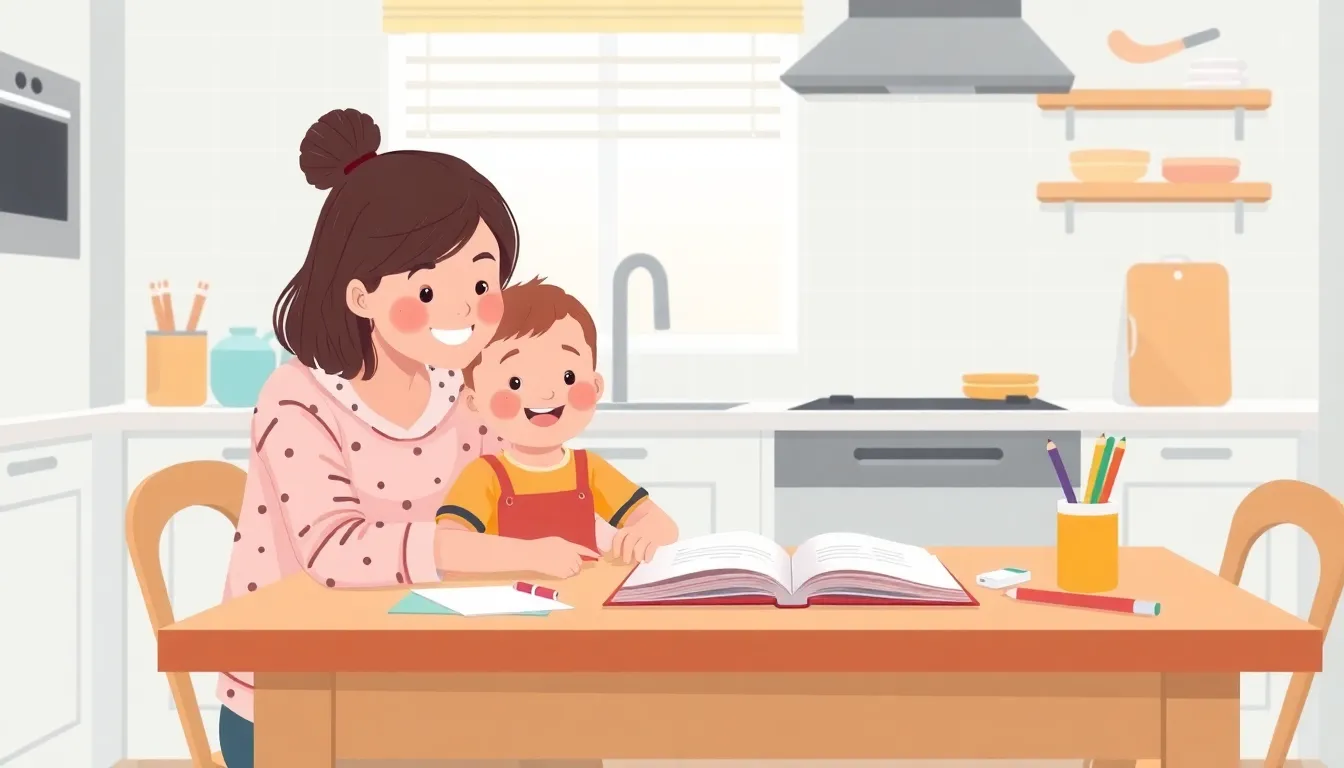
You do not need a dedicated schoolroom. A kitchen table, a shelf for supplies, and a folder per subject is genuinely enough for most families, especially in kindergarten through second grade.
Buy the basics: pencils, crayons, a three-ring binder or folder system for each child, and a simple wall calendar. Print your first two weeks of worksheets and reading material in advance so you're not scrambling the night before.
For scheduling, resist the urge to build an eight-hour school day. Young learners genuinely need far less seat time than a public school schedule suggests. We'll get into exact hours in a separate guide, but for now, plan two to three focused hours for kindergarten through second grade, and three to four hours for third through fifth grade, with breaks built in.
FAQ
Do I need a teaching certificate to homeschool? In almost every state, no. A handful of states ask for a high school diploma or GED from the teaching parent, but most have no education requirement at all. Check your specific state's homeschool statute to be sure.
How much does homeschooling cost to start? You can start for well under $200 if you lean on free printable worksheets, library books, and open online resources. Boxed curricula run higher, often $300 to $1,000 per child per year, depending on subjects and format.
What is the very first step to withdraw my child from public school? Check your state's withdrawal process first, since some require a formal letter to the school district while others only require your homeschool notification filing. Never just stop showing up without following your state's paperwork trail.
Can I switch curriculum mid-year if it's not working? Yes. One of the real advantages of homeschooling is that you are not locked into anything. If a math program is causing daily tears, it is fine to switch in November. Most families adjust at least one subject in their first year.
Keep Reading
You don't have to have this perfectly figured out before you start. Get the legal piece handled, pick a reasonable starting curriculum, and give yourself permission to adjust as you learn what your kid actually needs. That's homeschooling, week one and year ten. 🍎

Adi Ackerman
Head Teacher
Adi is the Head Teacher at ClassWeekly, with years of experience teaching elementary students. She designs our curriculum-aligned worksheets and writes practical guides for teachers and parents.
Keep Reading
Ready to download? Try ClassWeekly free for 30 days.
Unlimited worksheets for PreK through 5th grade. Cancel anytime.