
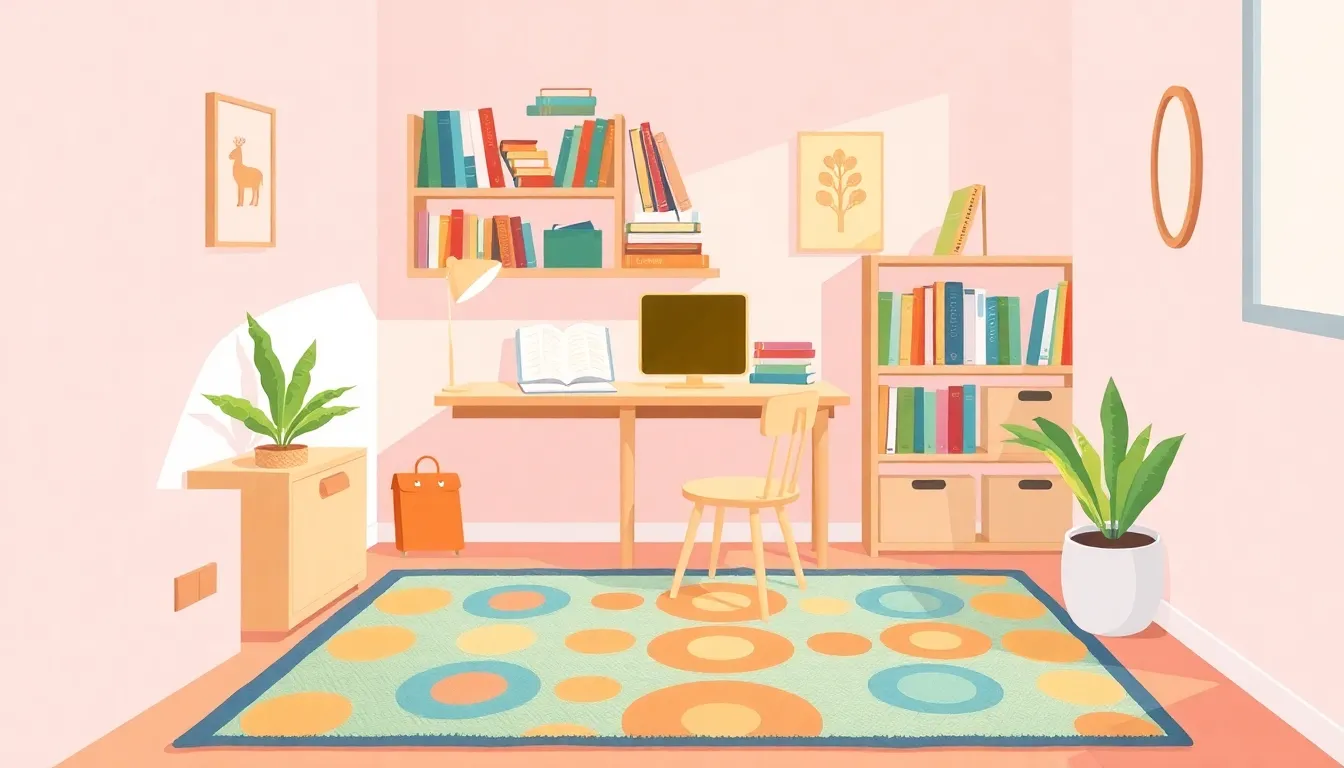
Setting Up a Homeschool Room on a Budget
Get 30 days of free worksheet downloads
Key Takeaways
- You don't need a dedicated room. A well-organized corner of a shared space works just as well for most families.
- Storage matters more than decor. Clear bins and labeled shelves save more daily frustration than a Pinterest-worthy setup.
- Secondhand furniture, thrift stores, and community swap groups can outfit a full space for under $150.
- Build the space around your child's actual habits, not an idealized version of how you imagine school should look.
Every homeschool Instagram photo makes it look like you need a color-coded shelving system, a laminated schedule board, and a reading nook straight out of a magazine. You don't.
What you actually need is a space where materials are easy to find, your child can focus reasonably well, and the whole setup doesn't fall apart the first time you try to clean up for dinner guests. That's achievable on a real budget, and often without buying much of anything new.
Here's how to build a homeschool space that works, without spending money you don't need to spend.
You Probably Don't Need a Dedicated Room
Start by letting go of the idea that homeschooling requires its own room. Plenty of families run a full, successful homeschool from a corner of the dining room, a section of a shared playroom, or even a rotating setup at the kitchen table.
What actually matters is having a consistent spot, even a small one, that your child associates with "this is where we do schoolwork." Consistency does more heavy lifting than square footage. A designated corner with a small table and a shelf works just as well as a converted bedroom, and it costs a fraction as much.
If space truly is tight, a rolling cart that holds the day's materials and can be wheeled to wherever you're working (kitchen table in the morning, living room floor in the afternoon) solves the "no dedicated room" problem without any construction or major furniture purchase.
Free 3rd Grade Math Worksheets


Free 4th Grade Math Worksheets


Free 5th Grade Math Worksheets


Storage Beats Decor Every Time
If you only spend money on one category, spend it on storage. A disorganized space, even a pretty one, creates daily friction: lost pencils, misplaced worksheets, ten minutes hunting for the right workbook before you can even start.
Clear plastic bins, the kind sold cheap at any big box or dollar store, work well because you can see what's inside without opening them. Label each bin by subject or by day of the week, whichever matches how you actually plan lessons.
A basic bookshelf, often available secondhand for $10 to $30 through local swap groups or thrift stores, organized with one shelf per subject solves the "where does this go" problem for good. Add a few magazine files or small bins on each shelf to keep loose papers from sliding into chaos.
A wall-mounted file organizer or a simple accordion folder works well for tracking completed work you're saving for a portfolio, keeping it separate from the current week's active materials.
Furniture and Setup on a Real Budget
You genuinely do not need new furniture. Secondhand shops, local homeschool swap groups, and even curbside finds can outfit a full space for well under $150.
A small table and chair set sized for your child's age matters more than a fancy desk, especially for younger kids who often focus better at a low table than a tall adult-height desk. Check local buy-nothing groups and thrift stores first, since kid-sized furniture turns over constantly as families outgrow it.
Good lighting is worth prioritizing over almost any other purchase. A cheap desk lamp from a discount store solves eye strain and improves focus far more than anything decorative would.
If your child works better standing or moving, a wobble stool or even just permission to work on the floor with a clipboard costs nothing and can solve more focus problems than an expensive ergonomic chair.
Skip the elaborate wall decor and educational posters unless your child specifically enjoys them. A blank, calm wall is often better for focus than a wall covered in busy visuals, no matter how pretty it looks in photos.
FAQ
Do I need a separate room for homeschooling? No. Plenty of families homeschool successfully from a kitchen table, a corner of the living room, or a shared playroom. A dedicated room is convenient if you have the space, but it's a nice-to-have, not a requirement for a functional homeschool setup.
What's the single most important thing to invest in first? Storage. A messy space where materials are hard to find causes more daily friction than almost anything else. A few labeled bins or a bookshelf organized by subject solves more problems than fancy desks or decor ever will.
How much should I expect to spend setting up a space? A functional setup using secondhand furniture and basic organizers can run $50 to $150. A more furnished space with a proper desk, good lighting, and full storage might run $200 to $500, still far less than most people assume.
Should young kids have a desk or work on the floor or table? Either works, and it depends on the child. Many younger kiddos actually focus better working at a low table or even on the floor with a clipboard than sitting at a formal desk. Watch what your child gravitates toward rather than forcing a setup that looks right but doesn't get used.
Keep Reading
The best homeschool space isn't the prettiest one. It's the one your kiddo actually wants to sit down in, even on a Monday morning. Build for that, and the rest tends to fall into place. 🧸

Adi Ackerman
Head Teacher
Adi is the Head Teacher at ClassWeekly, with years of experience teaching elementary students. She designs our curriculum-aligned worksheets and writes practical guides for teachers and parents.
Keep Reading
Ready to download? Try ClassWeekly free for 30 days.
Unlimited worksheets for PreK through 5th grade. Cancel anytime.