Civil War Battles Organizer
Written by Adi Ackerman, Head Teacher
"Civil War Battles Organizer" is written for 7th Grade (Ages 12-13). A 6th grader who is already steady on The Civil War can use it too, and an older student can use it as a short review.
2 pages in this set
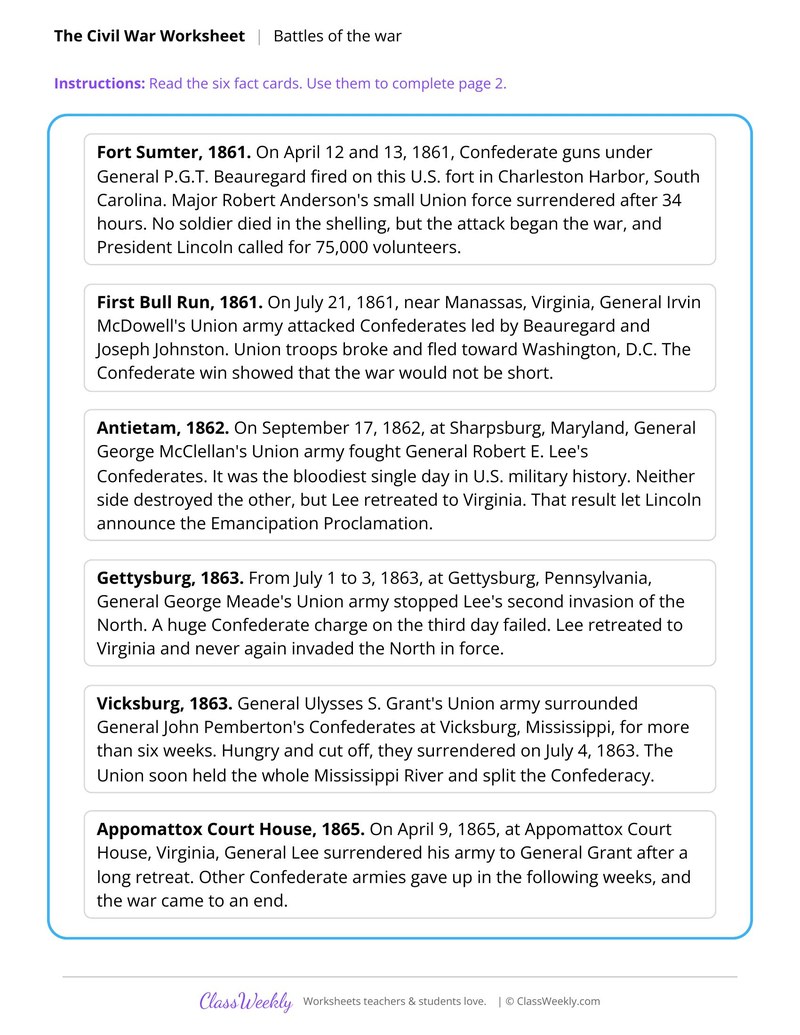
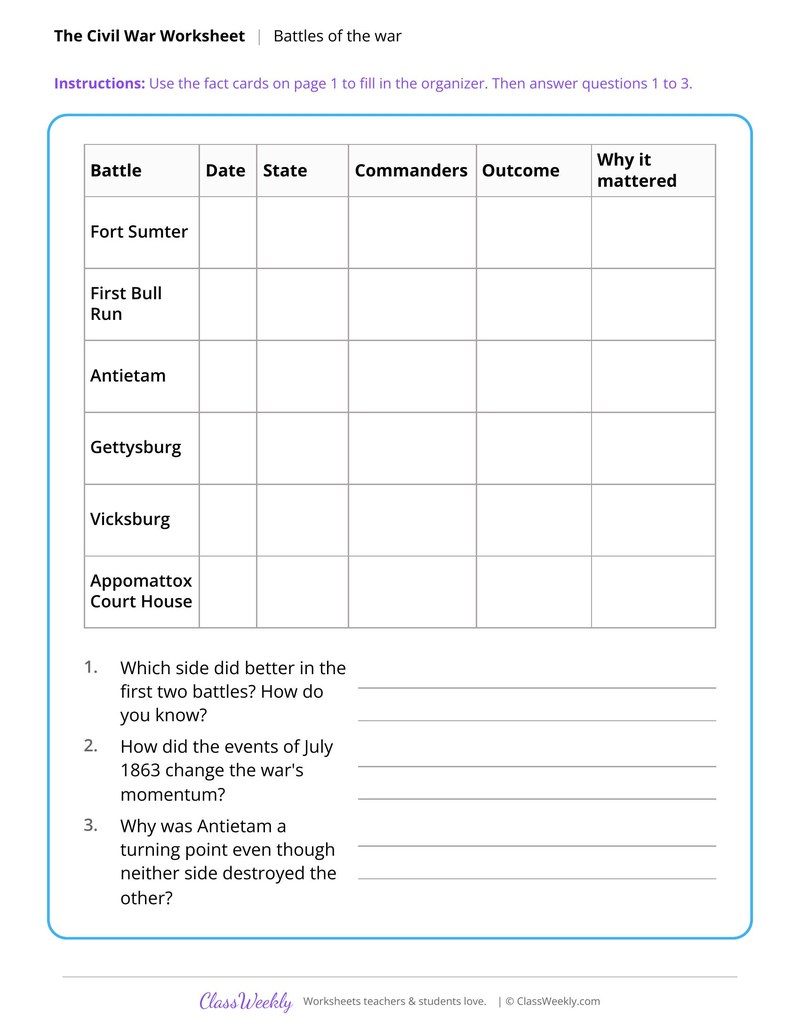
7th grade social studies worksheet: organize six Civil War battles, from Fort Sumter to Appomattox, by date, state and outcome. Answer key included. Part of our war and Reconstruction collection.
How do I use this worksheet?
Start with the battles organizer for the sequence of events, then use the resources graph to talk about why the Union had advantages. Finish with the amendments chart to connect the war to Reconstruction.
What students will practice
- Students will read six fact cards on Civil War battles from Fort Sumter to Appomattox Court House.
- Students will record the date, state, commanders, outcome and importance of each battle.
- Students will explain how the events of July 1863 changed the momentum of the war.
North and South Resources in 1861
Reconstruction Amendments Compared
Athens and Sparta in the Peloponnesian War
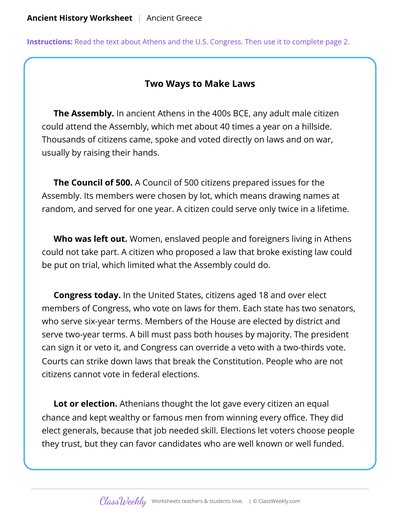
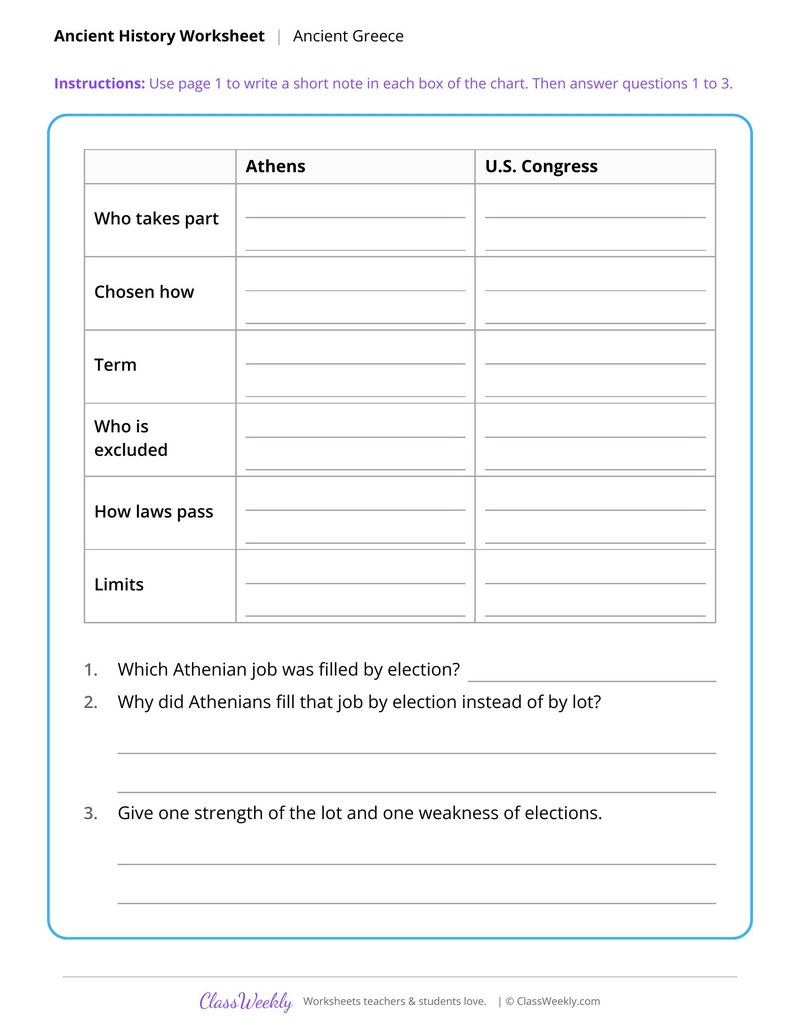
The Athenian Assembly and the U.S. Congress
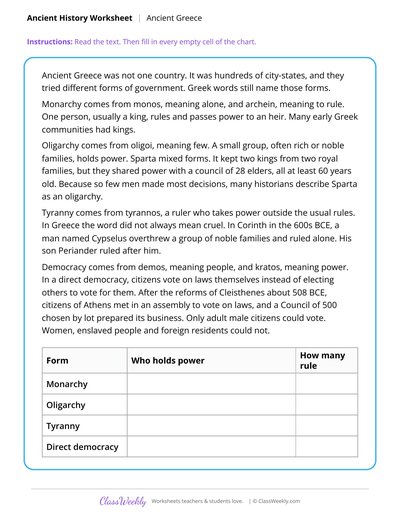
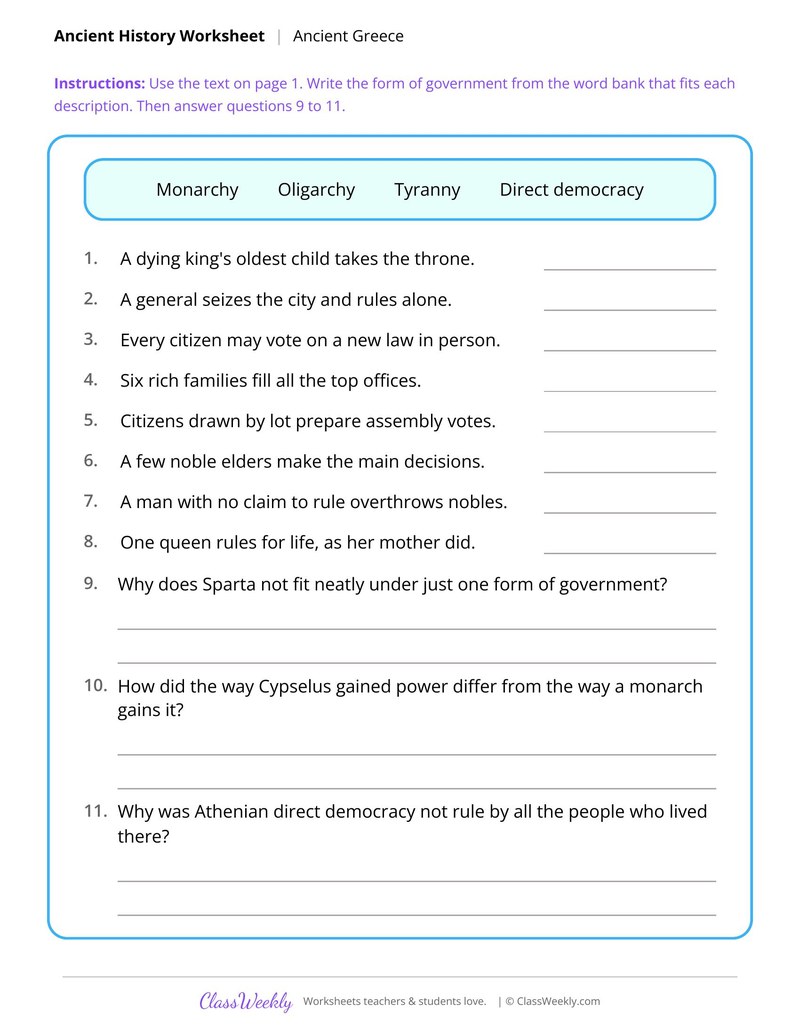
Forms of Government in Greek City-States
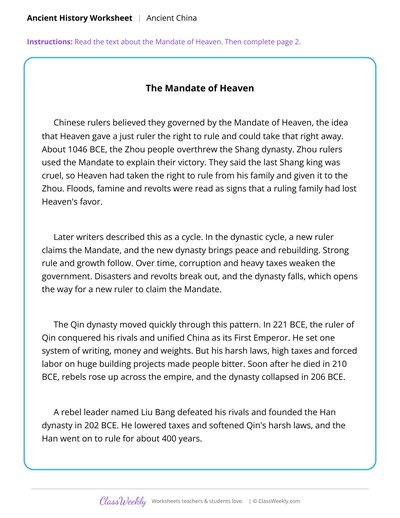
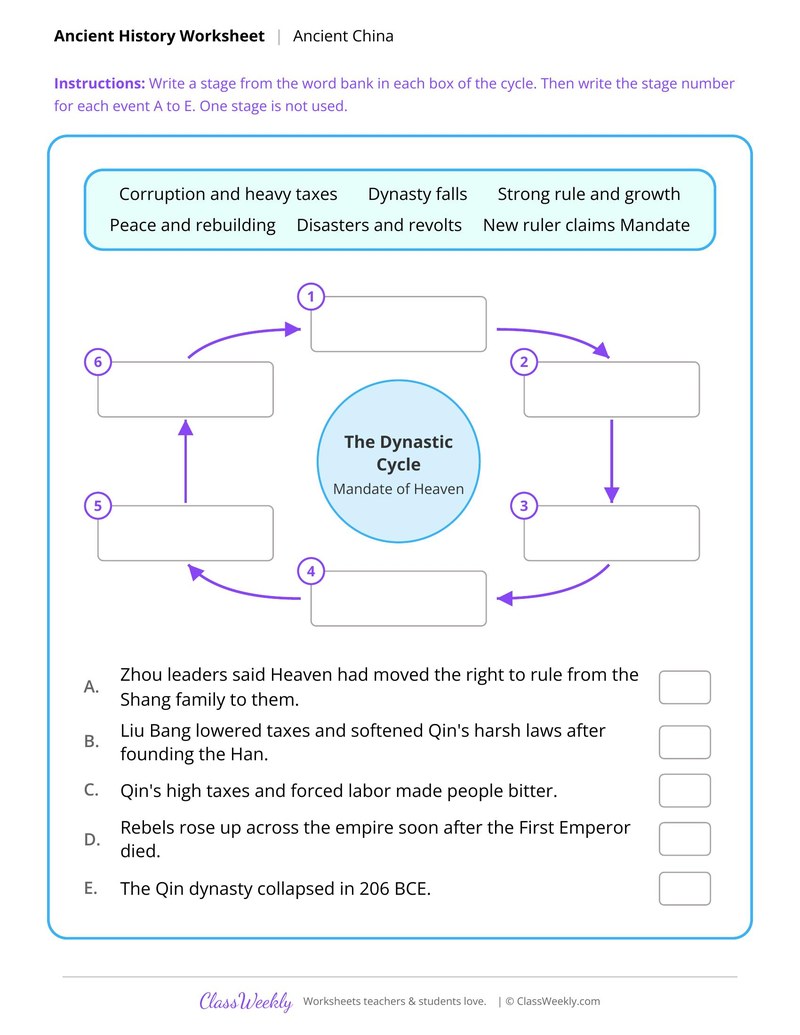
The Dynastic Cycle in Early China
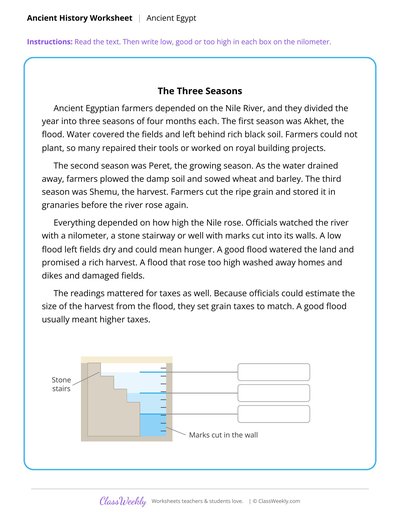
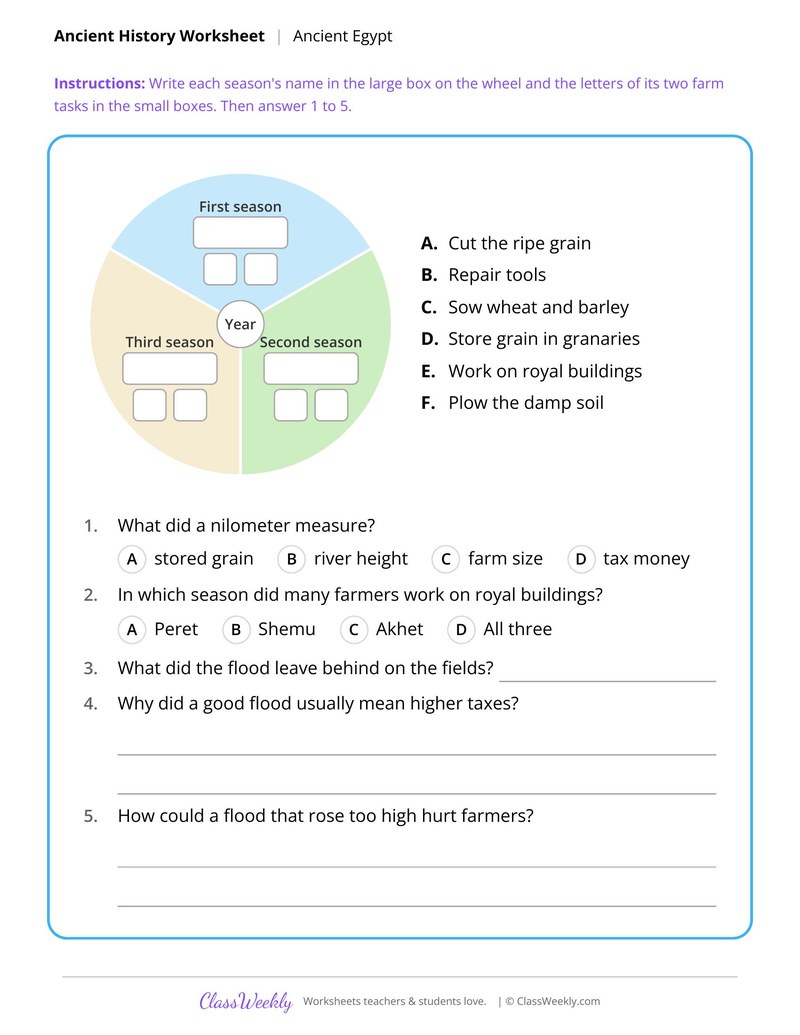
Egypt's Three Seasons and the Nile Flood
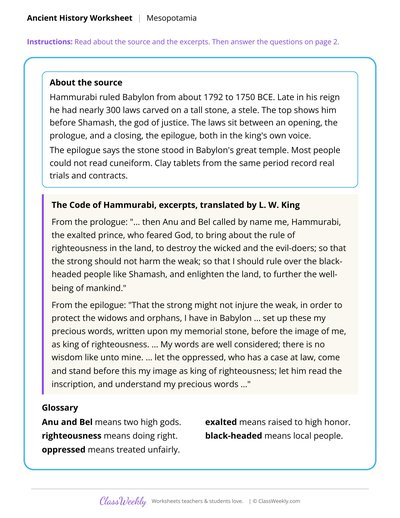
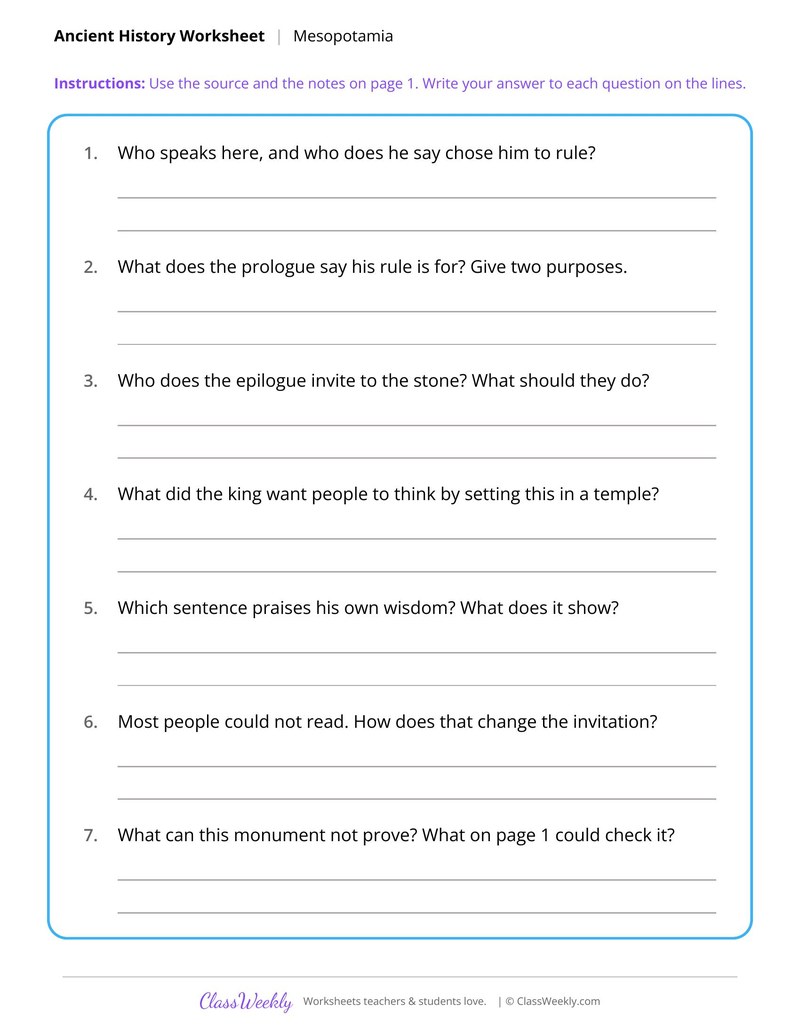
Hammurabi's Prologue as a Primary Source
Curriculum Links
Find this in the curriculum
Browse the grade, subject, and topic this belongs to.
FAQ
How do I use this war and Reconstruction worksheet?
⌄
Start with the battles organizer for the sequence of events, then use the resources graph to talk about why the Union had advantages. Finish with the amendments chart to connect the war to Reconstruction.
What does this worksheet teach?
⌄
Organize six Civil War battles, from Fort Sumter to Appomattox, by date, state and outcome. The directions on the page read: Read the six fact cards. Use them to complete page 2. An answer key is included.
Can I use this war and Reconstruction worksheet for homeschool or classroom?
⌄
Yes, both. We made it for 7th grade The Civil War, and it works the same at home or at school. At home, a student can work through it alone and then go over it with you, which shows quickly what is solid and what needs another look. In class it works as independent practice, homework or a warm-up, and you can print one copy or a full set.
What caused the Civil War to begin?
⌄
On April 12 and 13, 1861, Confederate guns fired on Fort Sumter in Charleston Harbor. The sheet notes that the attack began the war and that President Lincoln called for 75,000 volunteers.
Why did the Union have an advantage in 1861?
⌄
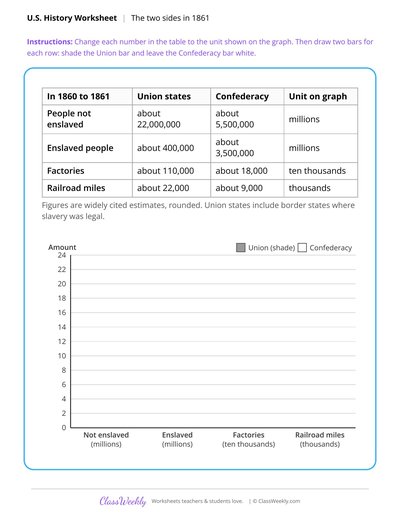
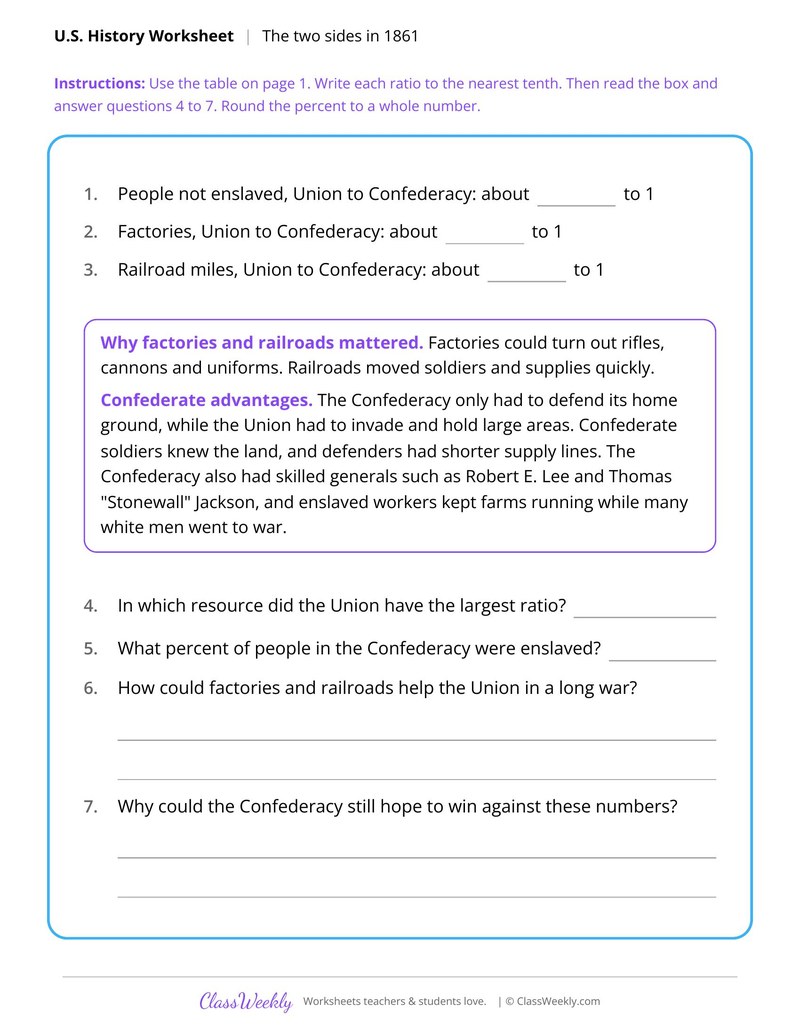
The table on North and South Resources in 1861 shows the Union with far more people, factories and railroad miles. Students graph the rounded figures and write ratios that show how much larger the Union totals were.
What did the 13th, 14th and 15th Amendments do?
⌄
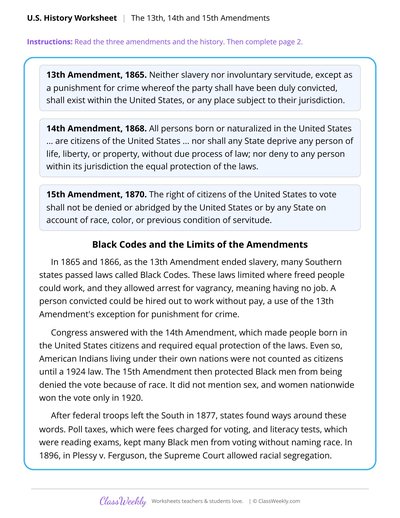
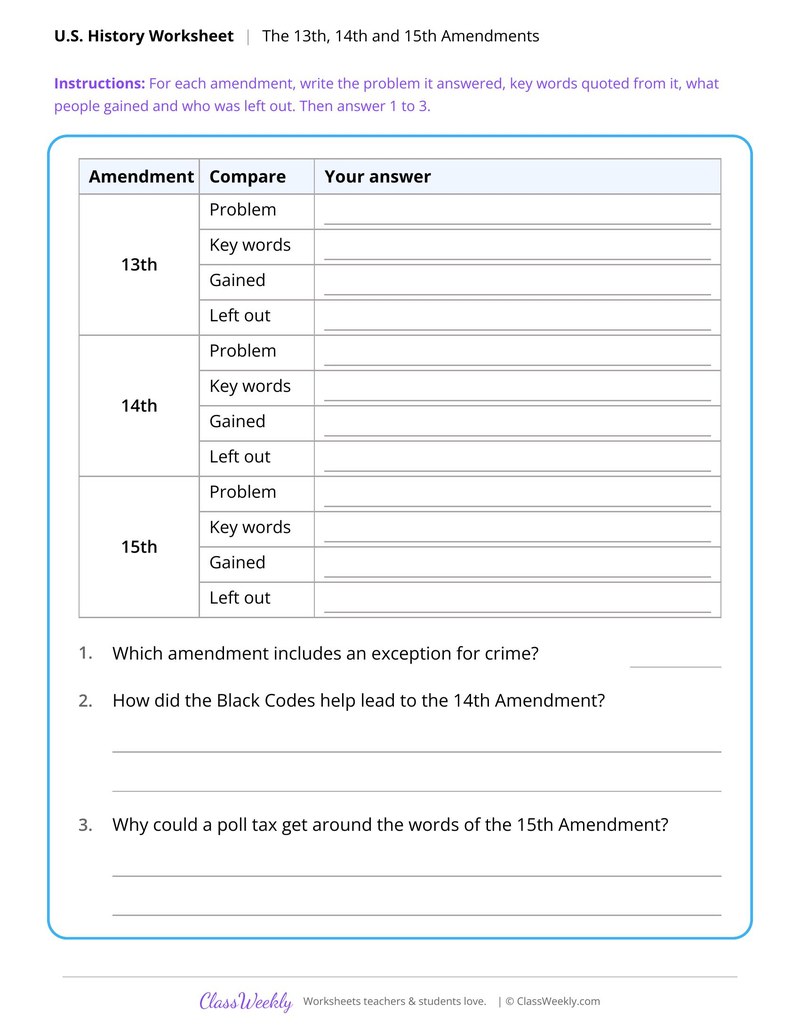
The 13th Amendment ended slavery except as punishment for crime, the 14th defined citizenship and promised due process, and the 15th addressed voting. The sheet has students record the problem, key words, gains and who was left out for each.
Ratings & Reviews
No reviews yet. Be the first to share what you think.
Reviews are for ClassWeekly members.
Make a Request
Spotted something to fix, or want a worksheet we don't have yet? Tell us and we'll make it.
Worksheet Details
| Grade | 7th Grade |
| Subject | Social Studies |
| Topic | The Civil War |
| Pages | 2 pages |
| Difficulty | Medium |
What is ClassWeekly?
ClassWeekly offers free worksheets and printable learning resources for kids, from preschool up. All worksheets are aligned to Common Core, NGSS, and C3 Framework standards and designed by educators. Become a member to access the full library and download unlimited PDFs.
North and South Resources in 1861
Reconstruction Amendments Compared
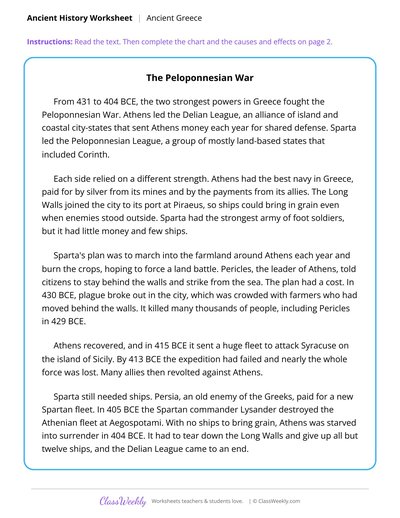
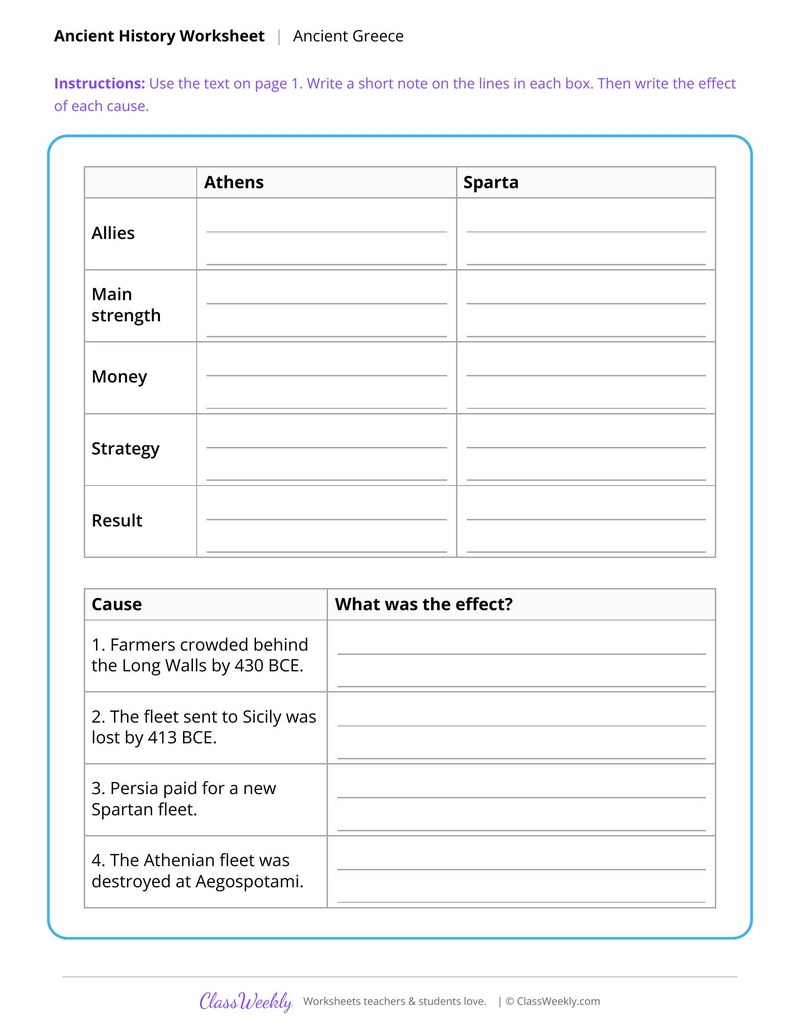
Athens and Sparta in the Peloponnesian War
The Athenian Assembly and the U.S. Congress
Forms of Government in Greek City-States
The Dynastic Cycle in Early China
Egypt's Three Seasons and the Nile Flood
Hammurabi's Prologue as a Primary Source