Powers of Congress in Article I
Written by Adi Ackerman, Head Teacher
"Powers of Congress in Article I" is written for 7th Grade (Ages 12-13), and it covers C3 Framework D2.Civ.4.6-8. A 6th grader who is already steady on Three Branches and Checks can use it too, and an older student can use it as a short review.
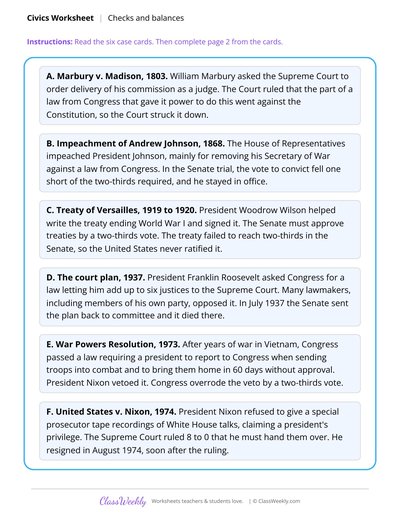
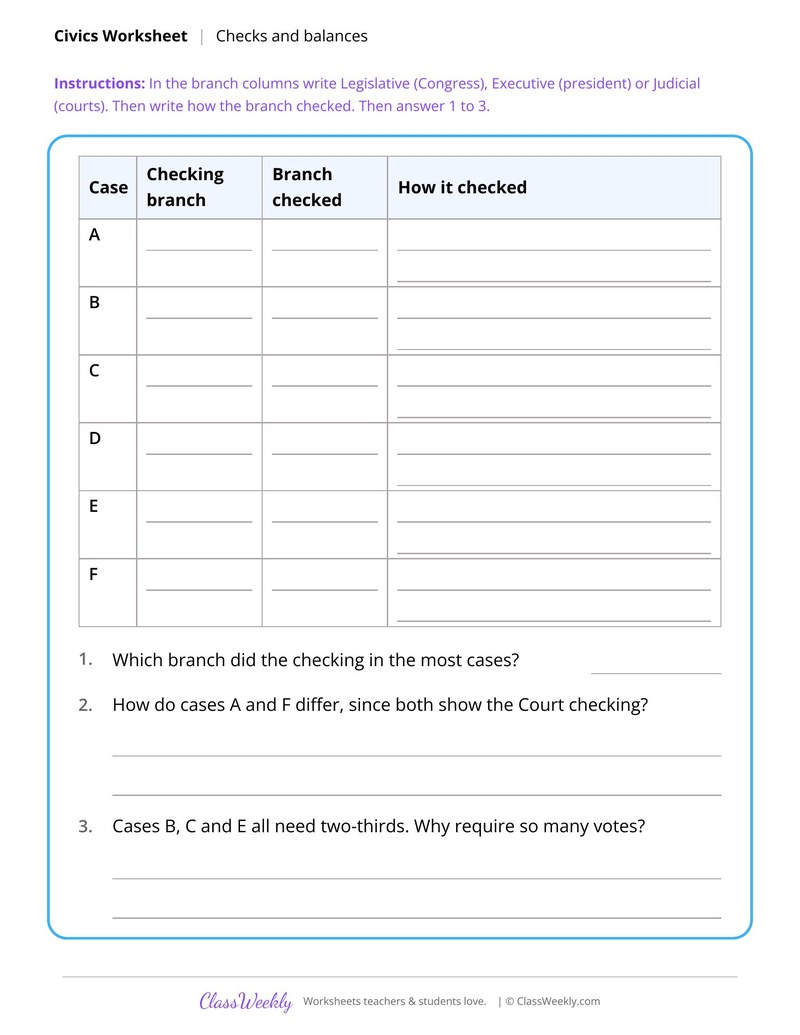
2 pages in this set
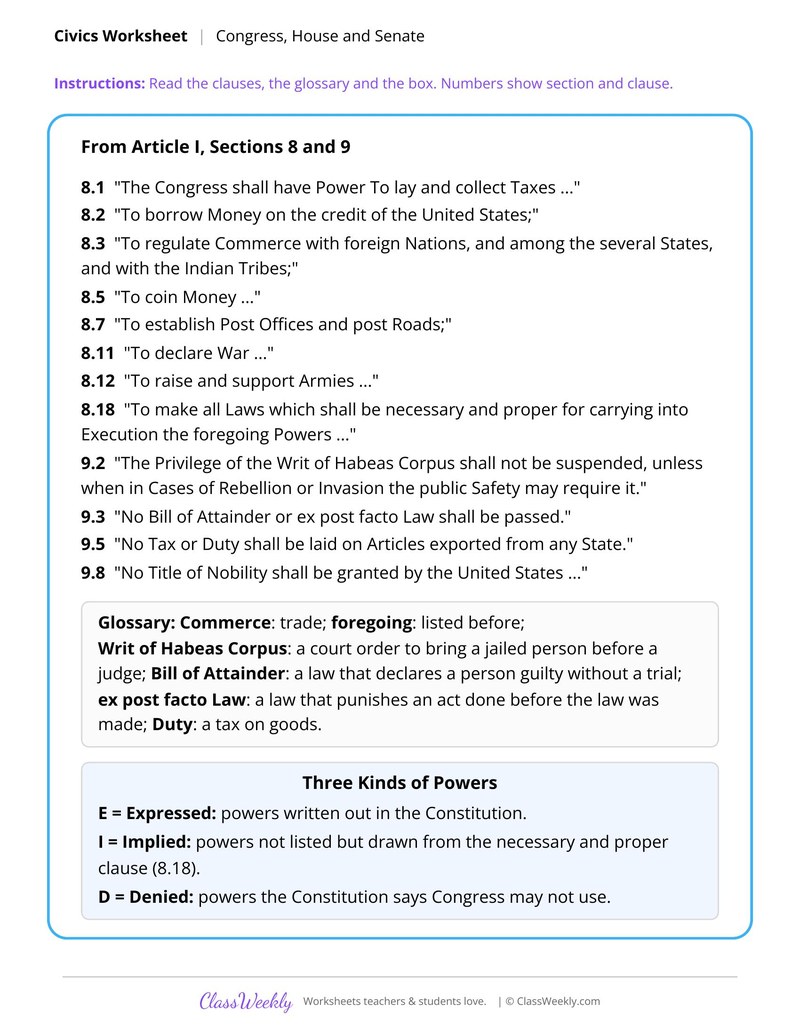
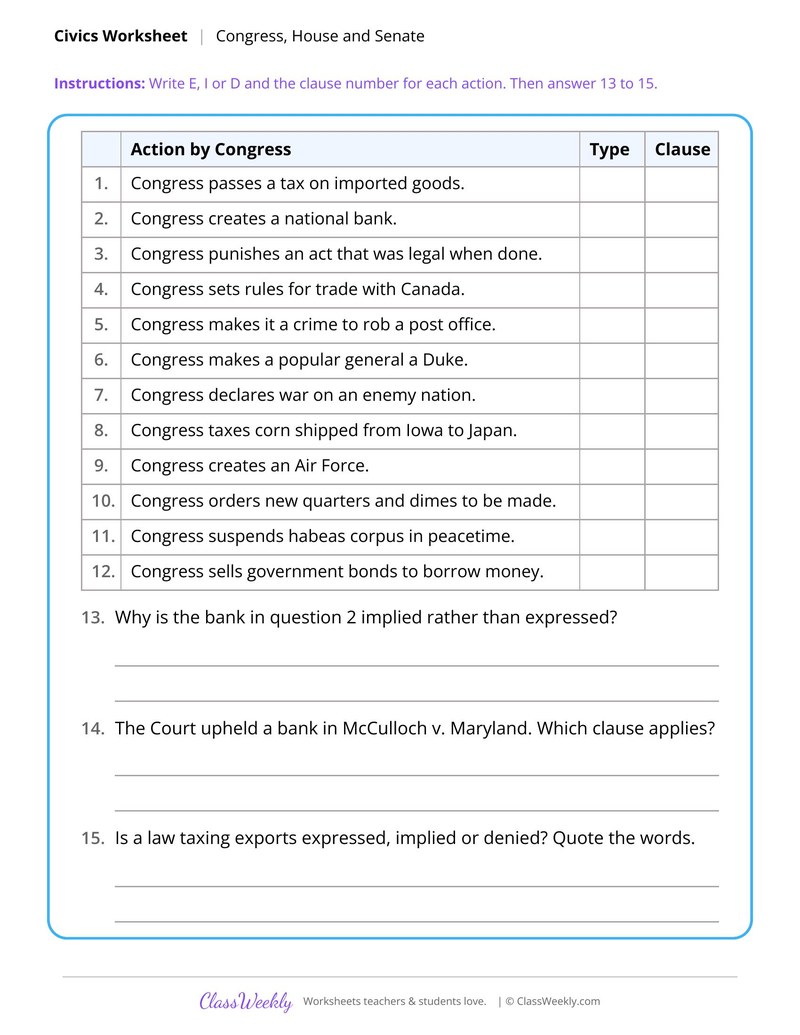
7th grade social studies worksheet: sort actions of Congress into types using clauses from Article I, Sections 8 and 9. Answer key included. Part of our Congress: House and Senate three branches and checks collection. Aligned to C3 Framework standards.
How do I use this worksheet?
Read the clauses together first, then complete the chart so students can compare the two chambers.
What students will practice
- Students will read clauses from Article I, Sections 8 and 9 with a glossary.
- Students will label each action by type and cite its clause number.
- Students will answer questions that apply the clauses to new situations.
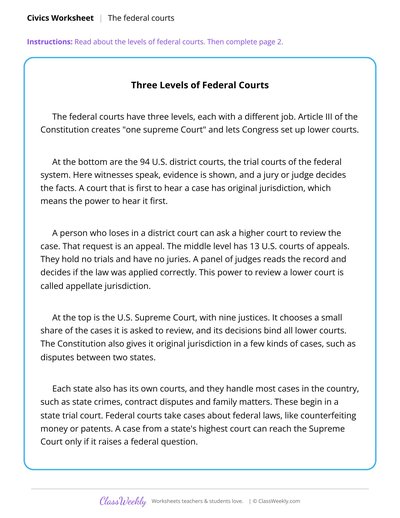
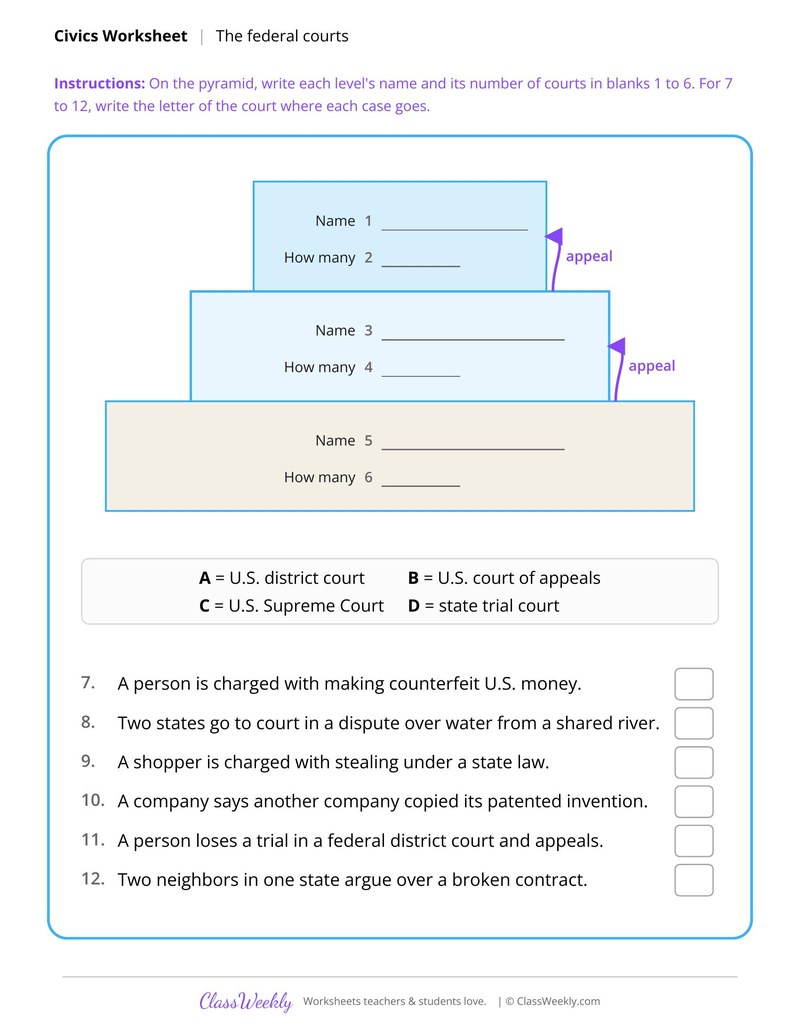
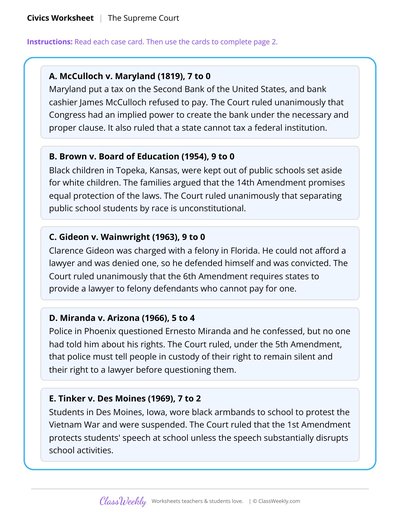
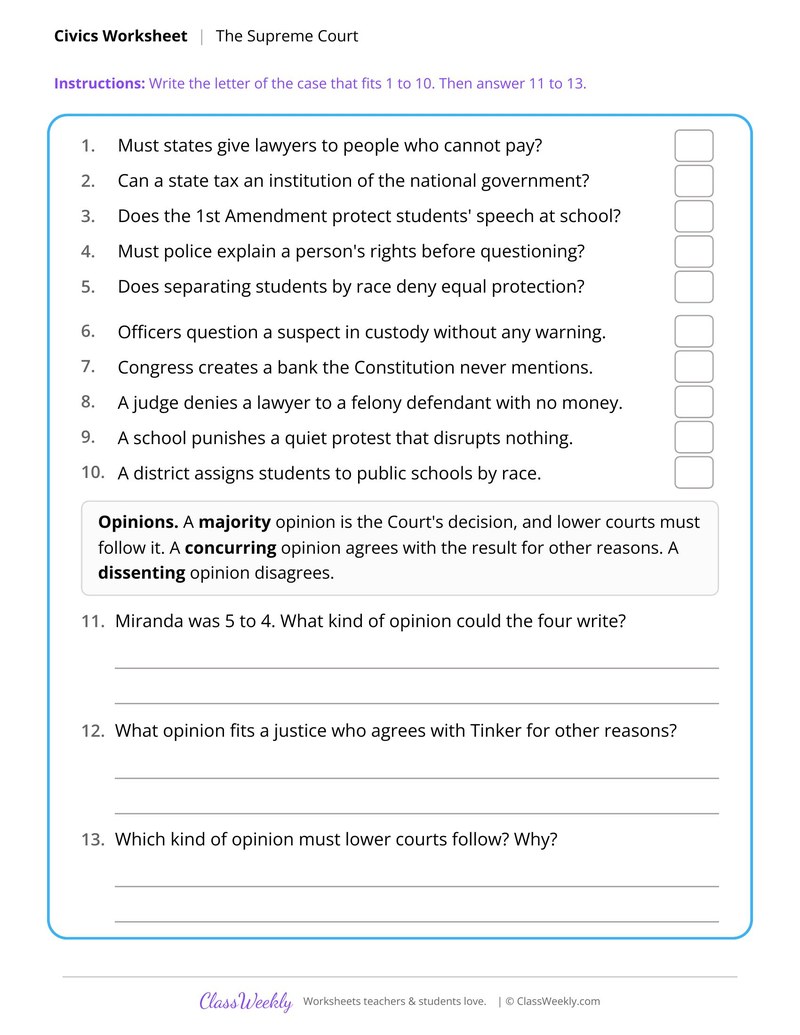
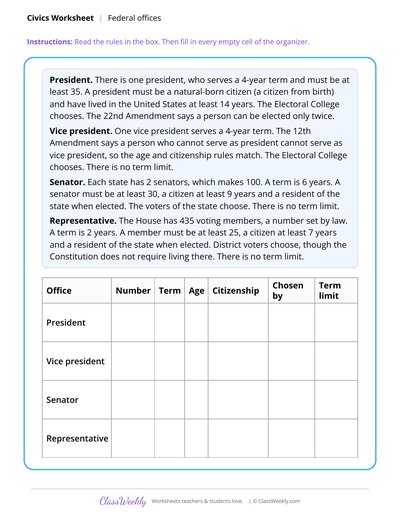
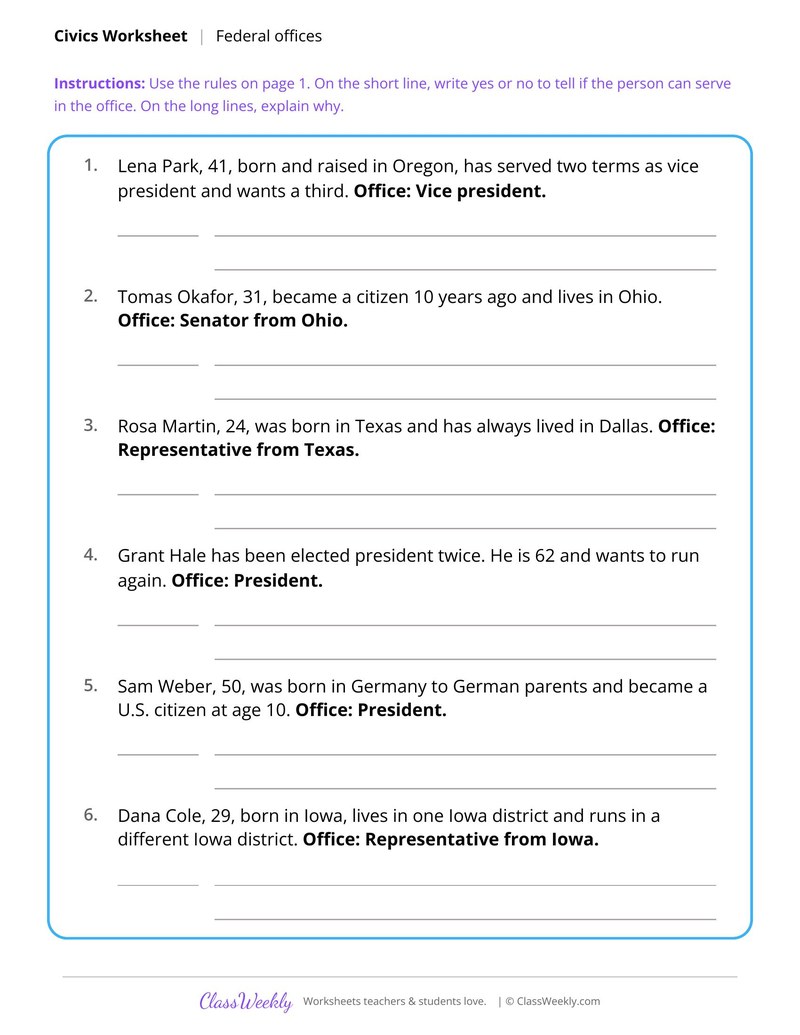
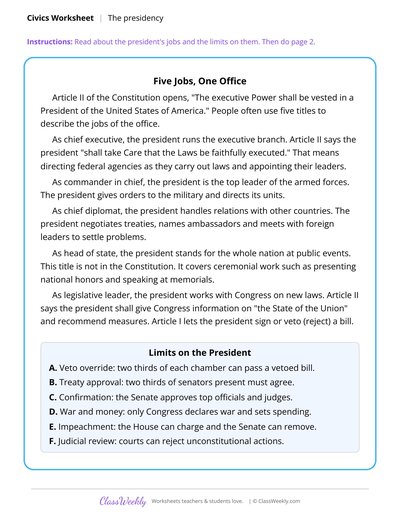
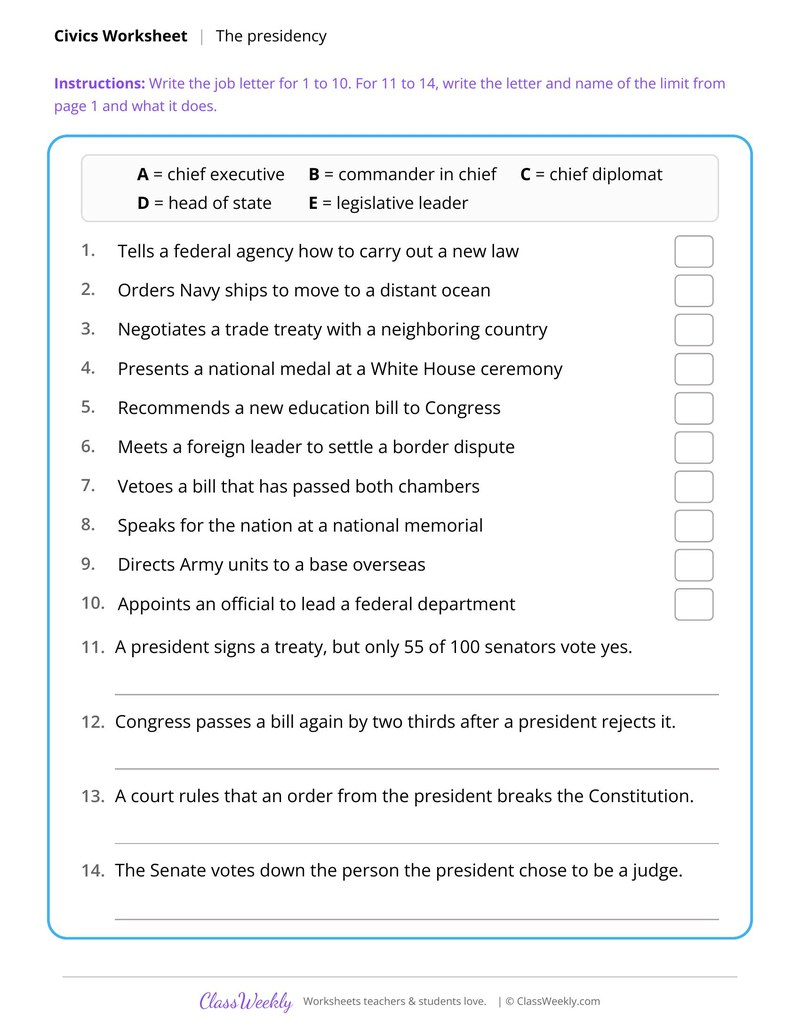
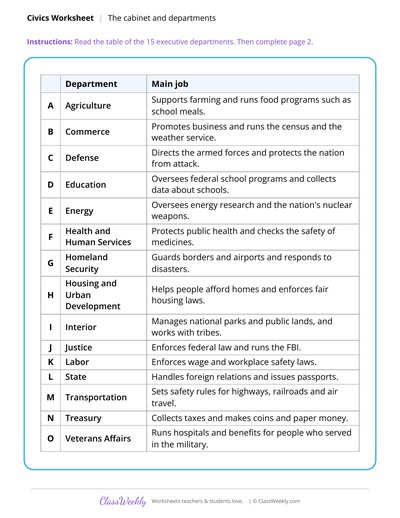
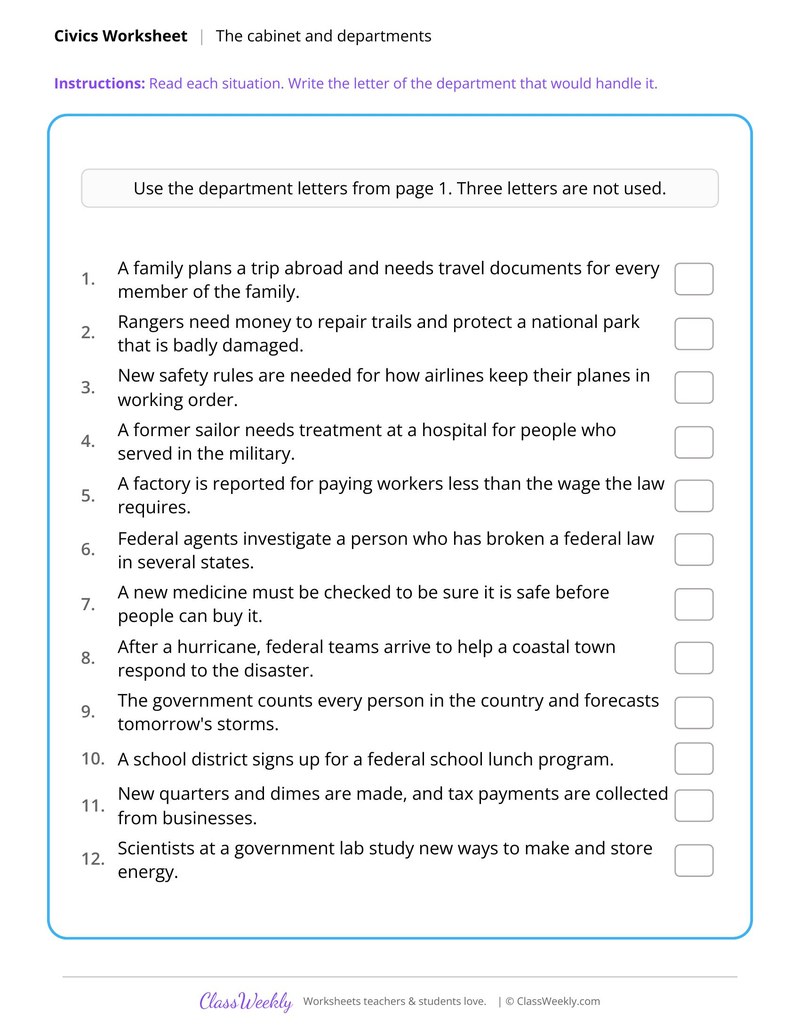
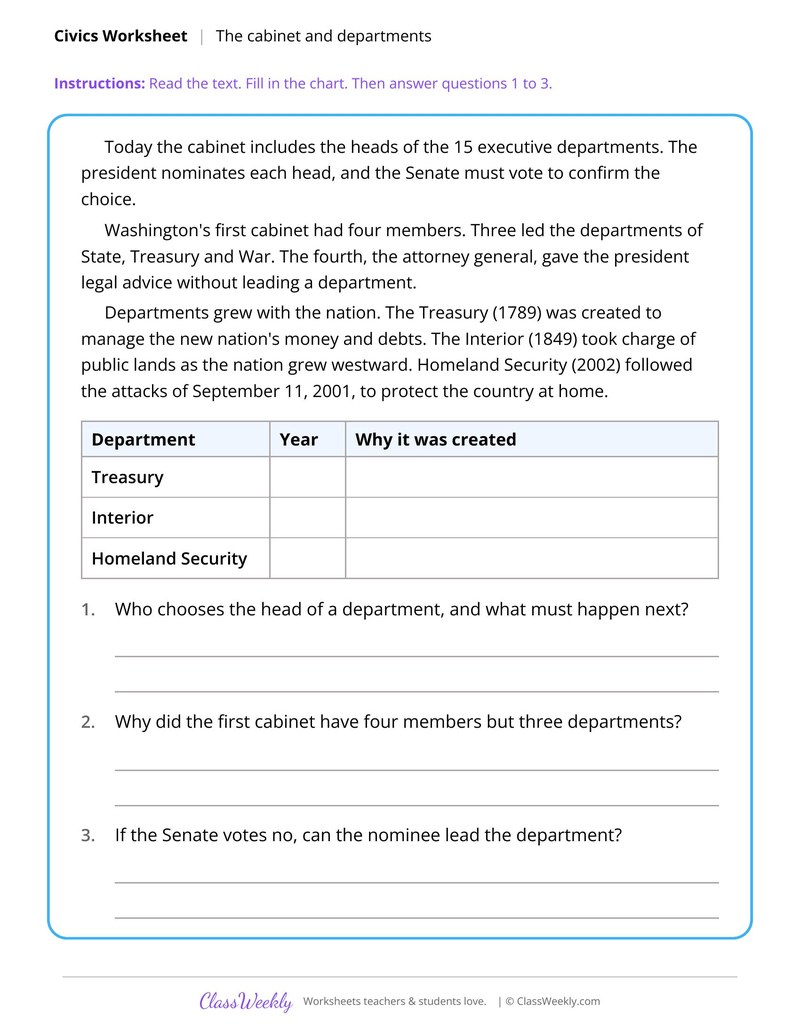
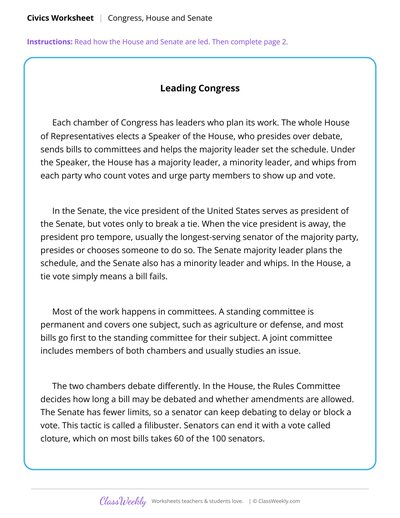
Curriculum Links
C3 Framework for Social Studies State Standards
Social Studies · 7th Grade
Find this in the curriculum
Browse the grade, subject, and topic this belongs to.
FAQ
How do I use this Congress: House and Senate worksheet?
⌄
Read the clauses together first, then complete the chart so students can compare the two chambers.
What does this worksheet teach?
⌄
Sort actions of Congress into types using clauses from Article I, Sections 8 and 9. The directions on the page read: Read the clauses, the glossary and the box. Numbers show section and clause. An answer key is included.
Can I use this Congress: House and Senate worksheet for homeschool or classroom?
⌄
Yes, both. We made it for 7th grade Three Branches and Checks, and it works the same at home or at school. At home, a student can work through it alone and then go over it with you, which shows quickly what is solid and what needs another look. In class it works as independent practice, homework or a warm-up, and you can print one copy or a full set.
What powers does Congress have?
⌄
Article I, Section 8 lists powers such as laying taxes, borrowing money, regulating commerce, coining money, establishing post offices and declaring war. Students match actions to clauses by number.
Who leads the House of Representatives?
⌄
The whole House elects a Speaker, who presides over debate and sends bills to committees. Under the Speaker are a majority leader, a minority leader and whips who count votes.
How are the House and Senate different?
⌄
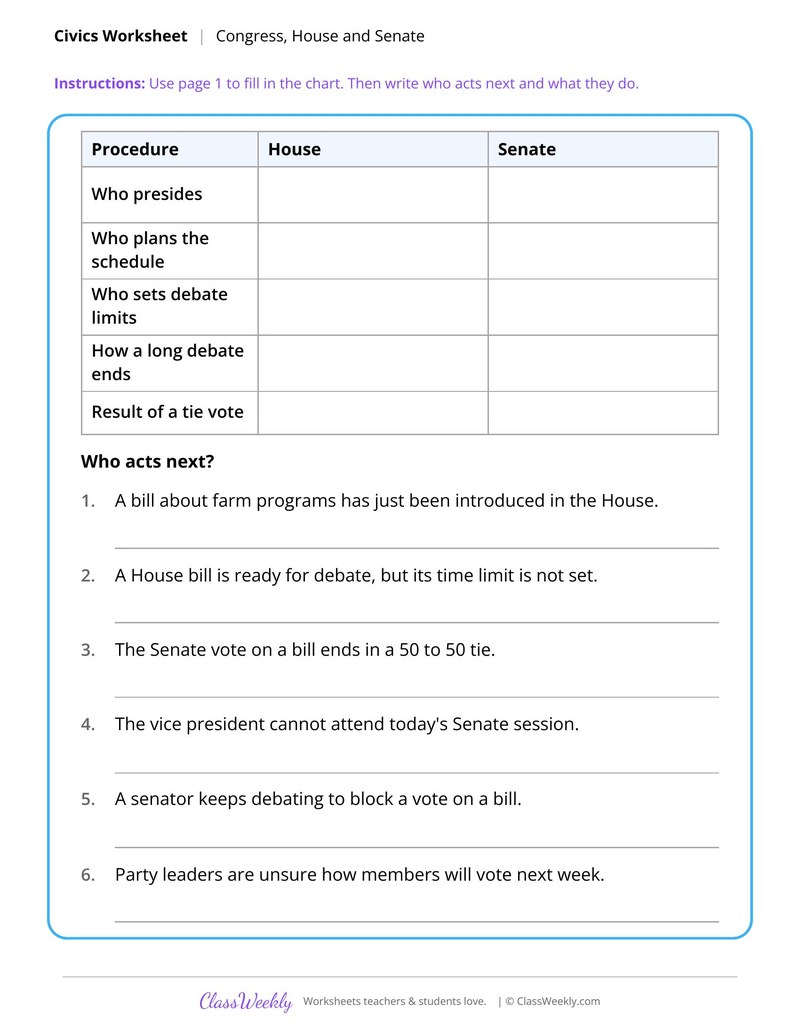
The chart compares who presides, who plans the schedule, who sets debate limits, how a long debate ends and the result of a tie vote. Students then decide who acts on a bill next.
Ratings & Reviews
No reviews yet. Be the first to share what you think.
Reviews are for ClassWeekly members.
Make a Request
Spotted something to fix, or want a worksheet we don't have yet? Tell us and we'll make it.
Worksheet Details
| Grade | 7th Grade |
| Subject | Social Studies |
| Topic | Three Branches and Checks |
| Standard | D2.Civ.4.6-8 |
| Pages | 2 pages |
| Difficulty | Medium |
What is ClassWeekly?
ClassWeekly offers free worksheets and printable learning resources for kids, from preschool up. All worksheets are aligned to Common Core, NGSS, and C3 Framework standards and designed by educators. Become a member to access the full library and download unlimited PDFs.