
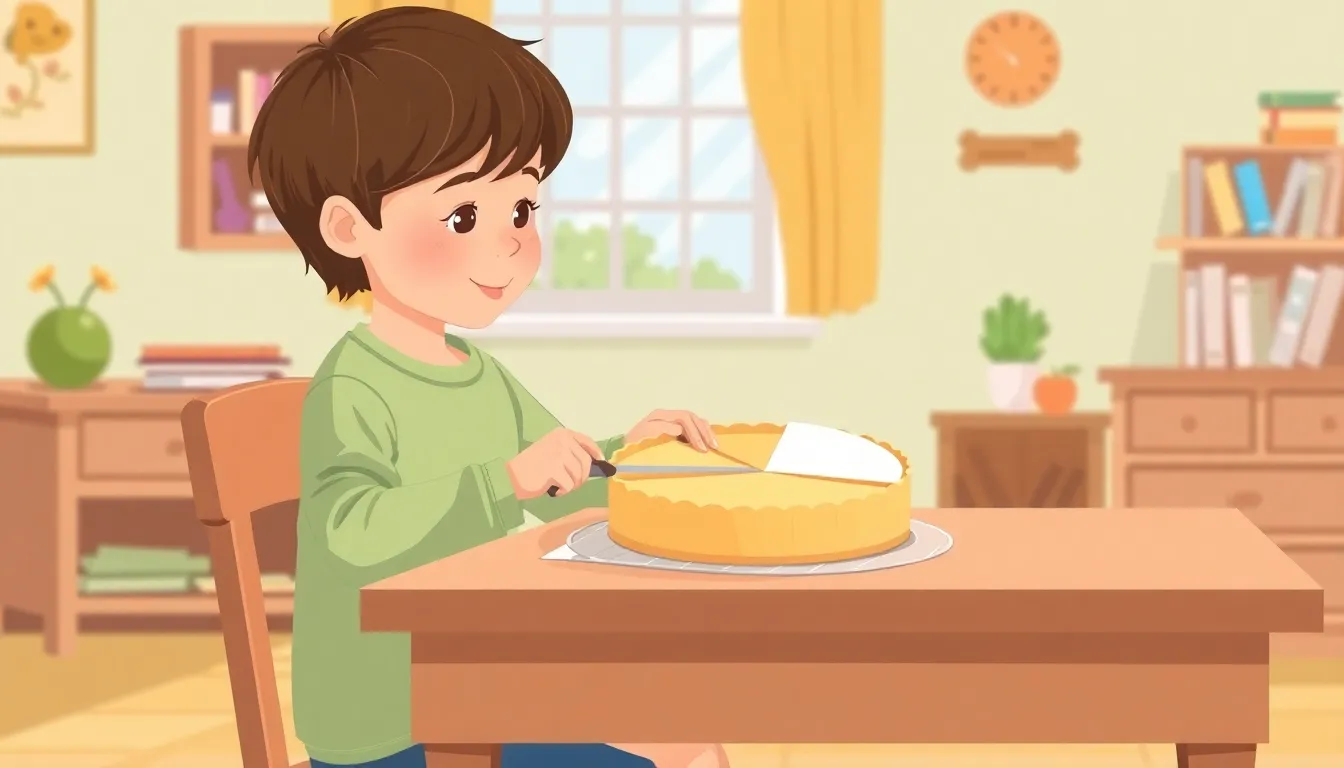
Homeschool 3rd Grade Math: Teaching Fractions and Decimals
Get 30 days of free worksheet downloads
Key Takeaways
- 3rd grade fractions start with identifying and coloring parts of a whole before any symbols or numbers get involved.
- Equivalent fractions are the real backbone of this unit, and visual models make them click far faster than rules do.
- Comparing fractions with the same denominator is the first comparison skill kids should master before mixed denominators.
- Mastery looks like being able to explain why two different fractions represent the same amount, using a picture or example.
Fractions can feel like the moment math gets abstract for a lot of 3rd graders. Suddenly numbers aren't just counting things, they're describing parts of things, and that shift trips kids up if it moves too fast.
The good news is that 3rd grade fraction work is still very visual and concrete. Your child isn't doing complicated fraction arithmetic yet. They're learning to see, name, and compare parts of a whole, which is exactly the right pace for this age.
Here's how we build that foundation at home, along with free worksheets to practice the specific skills 3rd graders need.
Free 3rd Grade Fractions and Decimals Worksheets


What 3rd Grade Fraction Work Covers
The unit typically opens with identifying fractions by coloring in the correct portion of a shape, then flips that around: given a colored-in shape, write the fraction that describes it. Both directions matter. Reading a fraction and producing one are different skills, and kids need practice with both.
From there, kids work on finding a fractional part of a set, like figuring out what 1/3 of nine stars looks like when they're grouped rather than shown as a single divided shape. This is a genuinely important shift, because real-world fractions (a third of a class, half a batch of cookies) usually involve sets of items, not neatly sliced pies.
The bulk of the unit, though, is equivalent fractions. Kids start by coloring in equivalent fractions side by side, then move to identifying which fractions are equivalent, then to harder versions where a numerator or denominator is missing and they have to figure out the matching number. Eventually they compare three equivalent fractions at once and work with equivalence in both directions, missing numerator or missing denominator.
Finally, kids compare two fractions that share the same denominator, like 3/8 versus 5/8, which is a natural next step once they understand that a bigger numerator over the same denominator means a bigger piece.
How to Teach It Step by Step
Step 1: Start with real objects, not worksheets. Cut an apple into fourths. Fold a paper strip into thirds. Let your child physically see and touch what a fraction represents before introducing the fraction notation at all.
Step 2: Connect the picture to the number. Once your child can identify "half" of something by sight, introduce the 1/2 notation and explain what each number means: the bottom number is how many equal pieces total, the top is how many you have.
Step 3: Practice fractional parts of a set with actual objects. Lay out nine coins or blocks and ask your child to find 1/3 of them. Physically splitting the set into three equal groups makes this concept far more concrete than working from a picture alone.
Step 4: Teach equivalent fractions with fraction bars. Line up a 1/2 bar next to a 2/4 bar. Let your child see, physically, that they cover the same length. This visual proof is worth far more than memorizing that "multiply top and bottom by the same number."
Step 5: Move to comparing same-denominator fractions. Once equivalence feels solid, comparing fractions with the same denominator is straightforward: more pieces (a bigger numerator) means a bigger amount, as long as the pieces are the same size.
Common Mistakes and Signs of Mastery
A frequent mistake is thinking a bigger denominator always means a bigger fraction, since bigger numbers usually mean "more" everywhere else in math. Kids need repeated visual proof that 1/8 is smaller than 1/2, because eighths are smaller pieces, not bigger amounts.
Another common stumble happens with fractional parts of a set. Kids sometimes count out the wrong number of groups, or forget that each group needs to be equal in size. If your child is struggling here, go back to physical objects and let them physically divide the set into equal piles before answering.
You'll know your child has really mastered this unit when they can explain, in their own words, why two different-looking fractions are equal, using a drawing or example rather than a rule they memorized. That kind of explanation shows they understand the "why," not just the mechanics.
FAQ
Does my 3rd grader need to understand decimals too, or just fractions? Fractions are the main focus in 3rd grade, with decimals usually introduced lightly through money and measurement. Deep decimal work, like adding and comparing decimals, typically ramps up in 4th and 5th grade.
My child memorizes equivalent fractions but doesn't seem to understand why they're equal. Is that a problem? Yes, it's worth addressing now. Have your child draw two fraction bars, one for each fraction, and physically compare the shaded area. Seeing that 2/4 and 1/2 cover the same space is what makes the concept stick, not the numbers alone.
What materials help most for teaching fractions at home? Fraction bars or tiles are the single most useful tool, but everyday items work too. Cut sandwiches, pizza slices, and measuring cups all give kids a hands-on feel for parts of a whole before moving to worksheets.
How do I know if my child is ready to compare fractions with different denominators? Wait until they're fully comfortable comparing fractions with the same denominator and can explain equivalent fractions using a picture. Different denominators are a 4th grade skill for most kids, so there's no rush.
Keep Reading
Fractions take patience, and that's okay. Give your child plenty of time with real objects before the numbers take over, and the abstract stuff will make a lot more sense when it finally arrives. 😊

Adi Ackerman
Head Teacher
Adi is the Head Teacher at ClassWeekly, with years of experience teaching elementary students. She designs our curriculum-aligned worksheets and writes practical guides for teachers and parents.
Keep Reading
Ready to download? Try ClassWeekly free for 30 days.
Unlimited worksheets for PreK through 5th grade. Cancel anytime.