The Elections of 1828 and 1840 Compared
Written by Adi Ackerman, Head Teacher
"The Elections of 1828 and 1840 Compared" is written for 8th Grade (Ages 13-14), and it covers C3 Framework D2.His.2.6-8. A 7th grader who is already steady on A New Nation Grows can use it too, and an older student can use it as a short review.
2 pages in this set
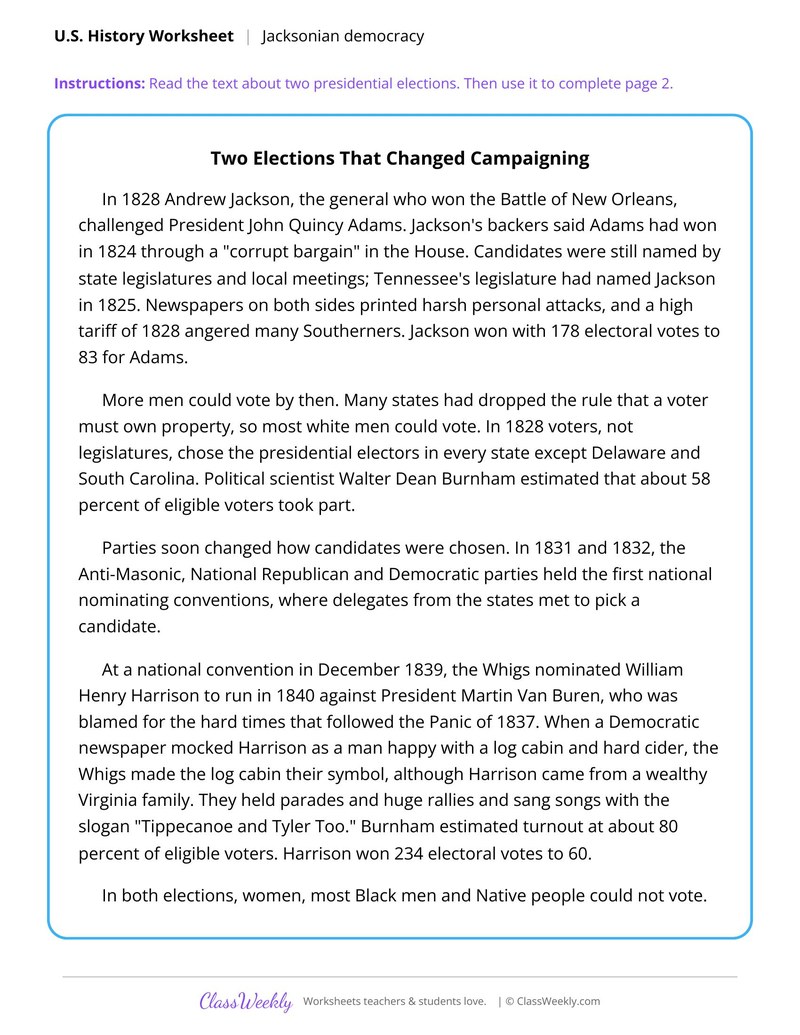
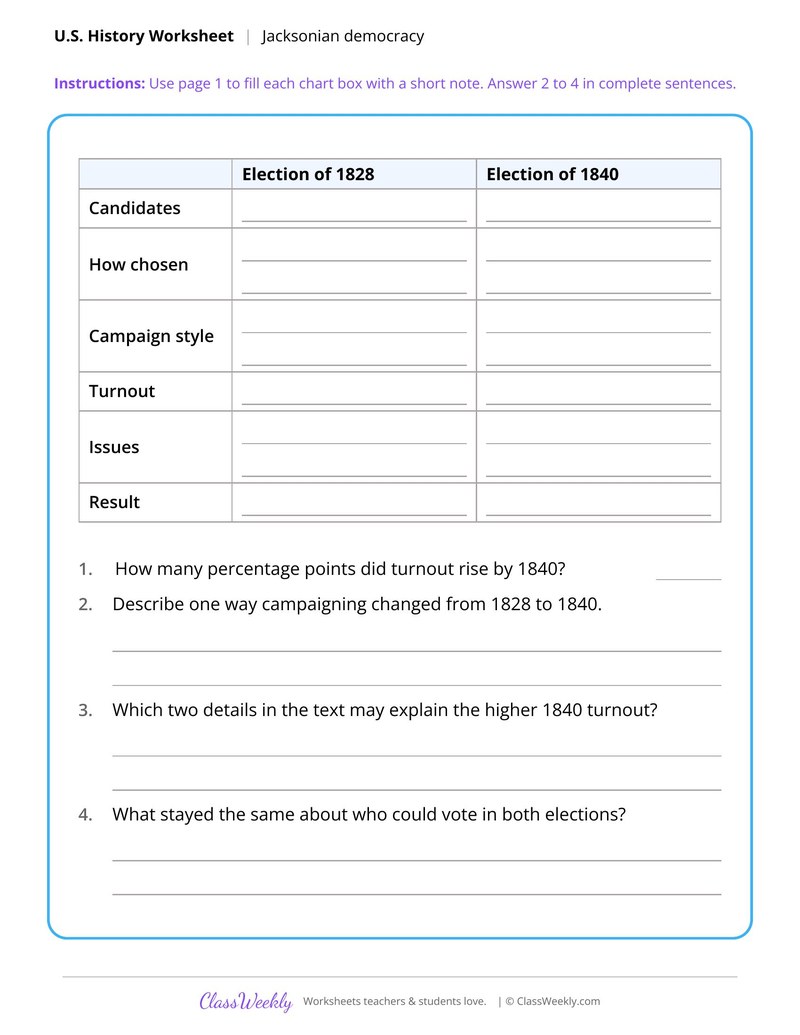
8th grade social studies worksheet: compare candidates, campaign style and turnout in the presidential elections of 1828 and 1840. Answer key included. Part of our Jacksonian democracy new nation grows collection. Aligned to C3 Framework standards.
How do I use this worksheet?
Use the cause and effect sheet first to set out Jackson's career, then compare the elections. Ask students to point to the line in the text behind each chart entry.
What students will practice
- Students will compare candidates, campaign styles, issues and results in the 1828 and 1840 elections.
- Students will find how many percentage points voter turnout rose by 1840.
- Students will explain what changed and what stayed the same about who could vote.
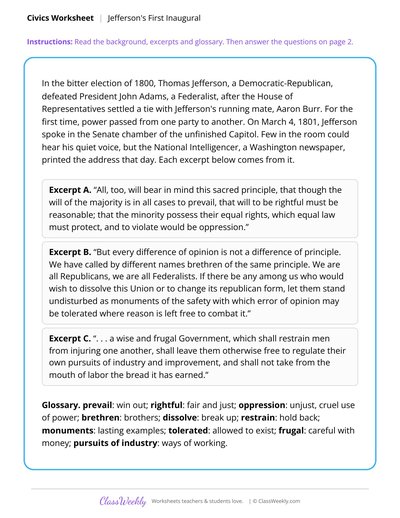
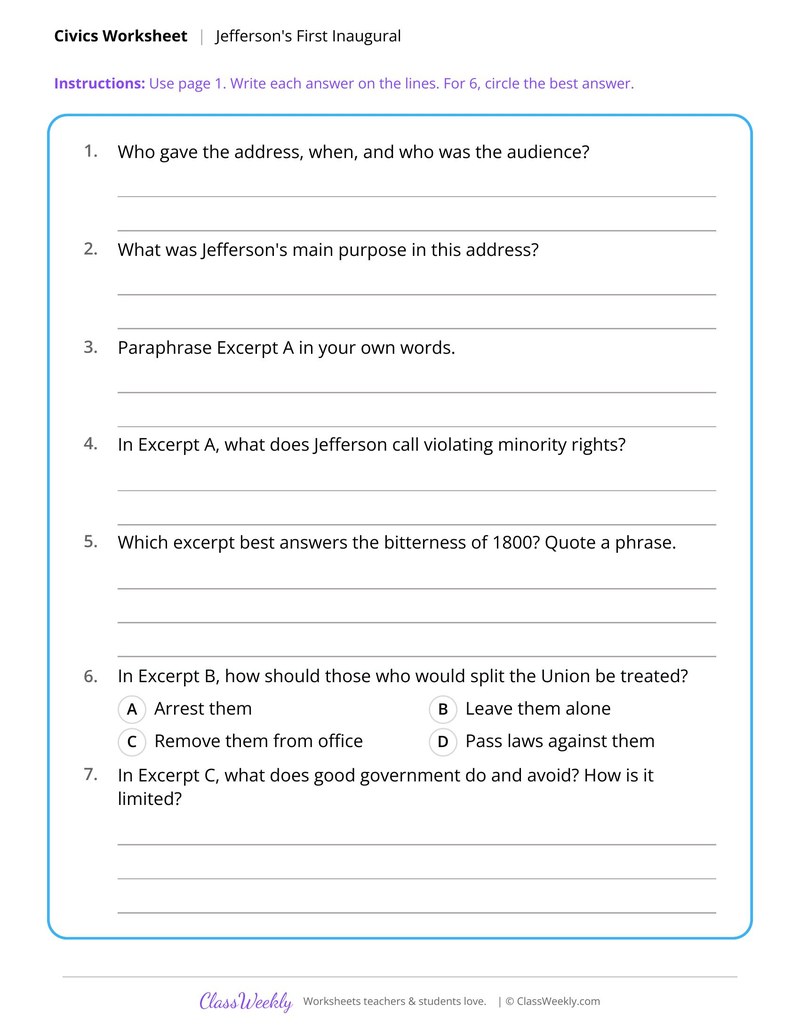
Jefferson's First Inaugural Address of 1801
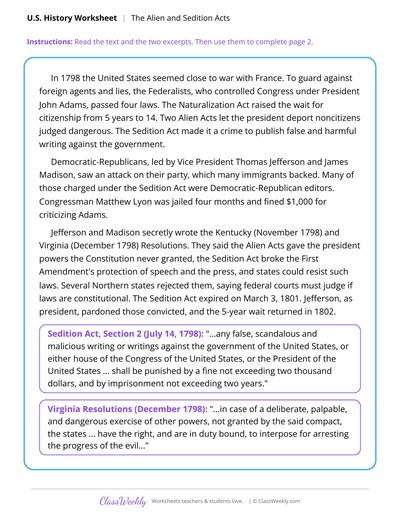
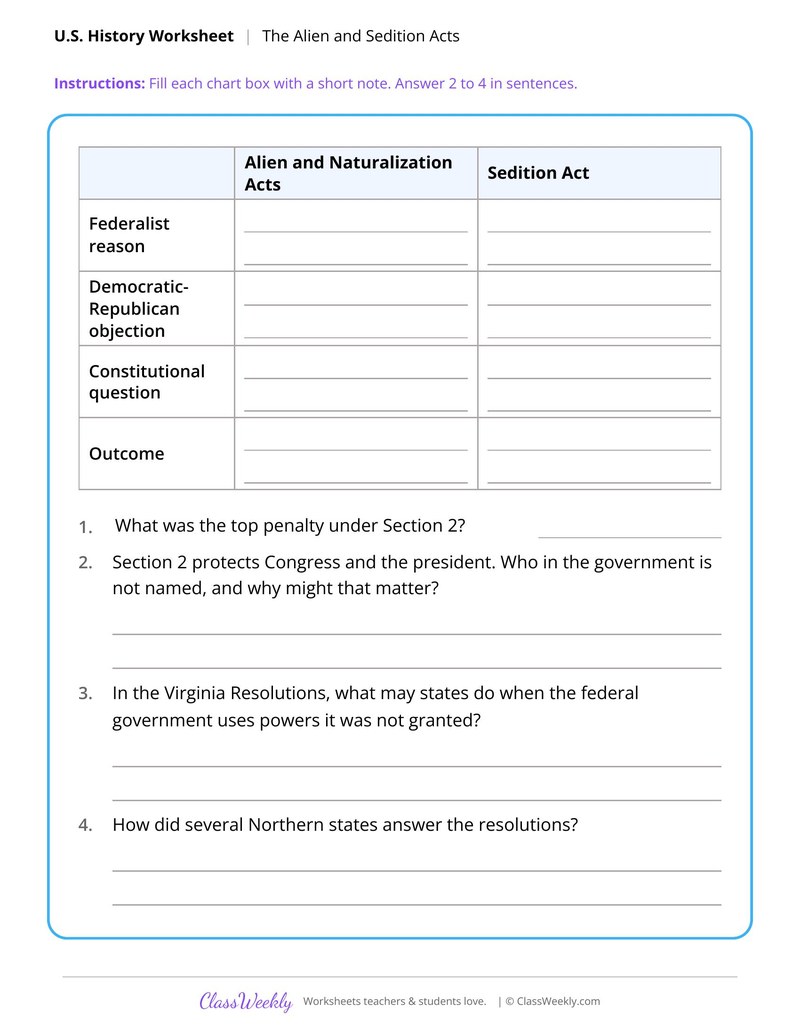
The Sedition Act of 1798 and the States' Answer
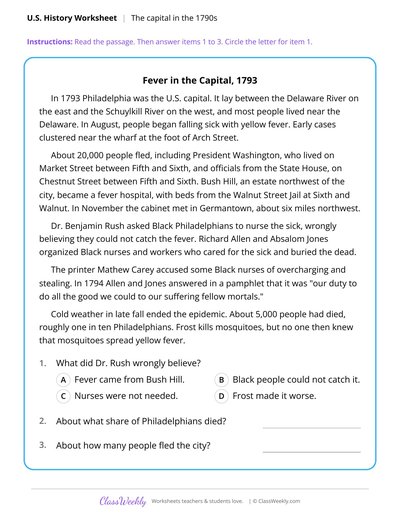
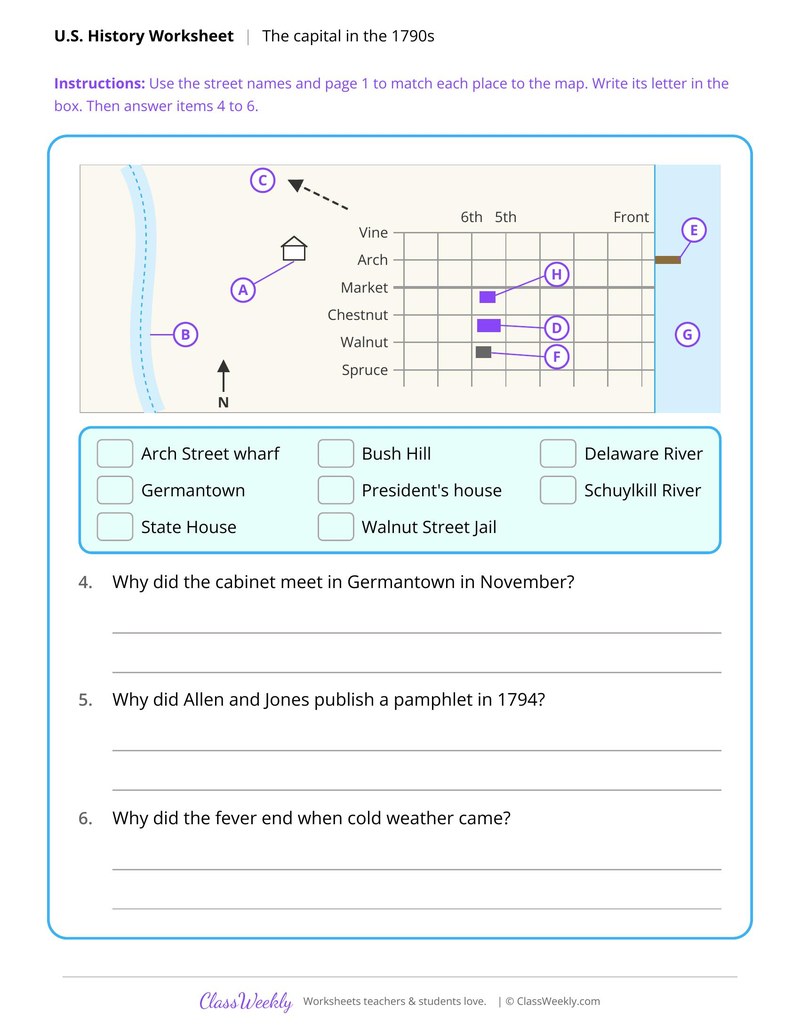
The 1793 Yellow Fever Epidemic in Philadelphia
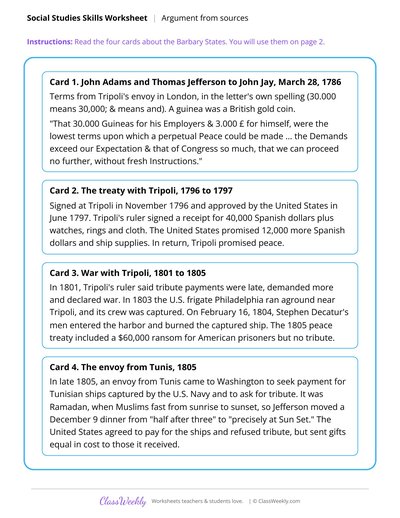
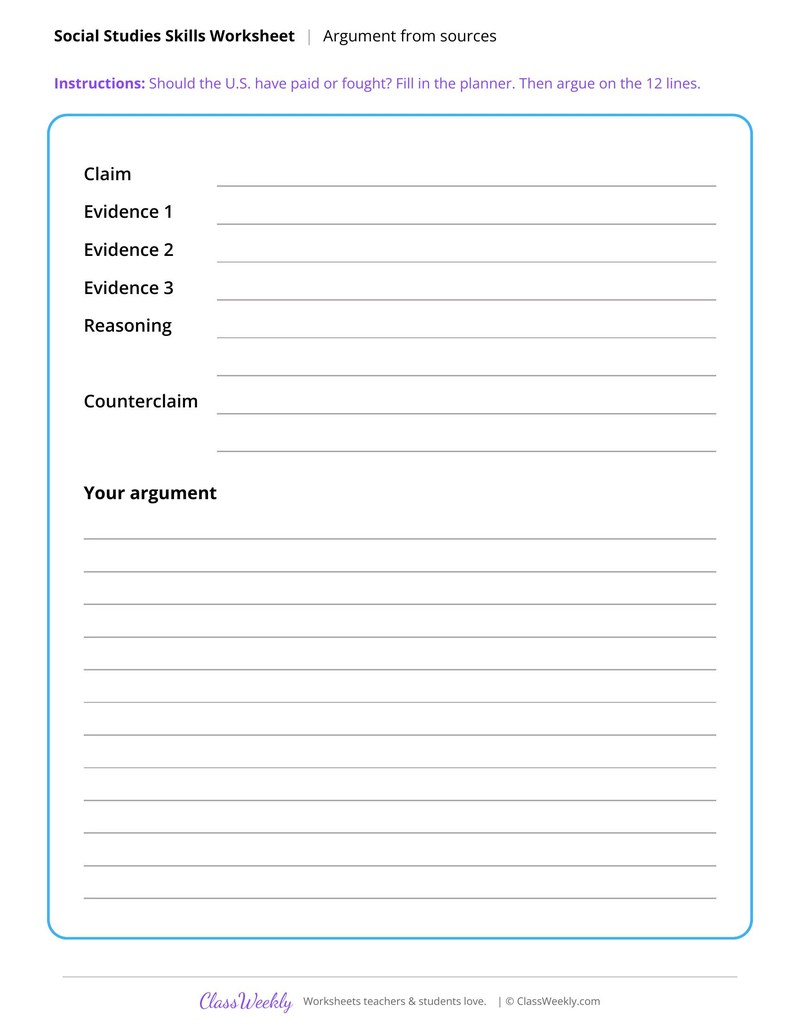
Argument on Paying Tribute to the Barbary States
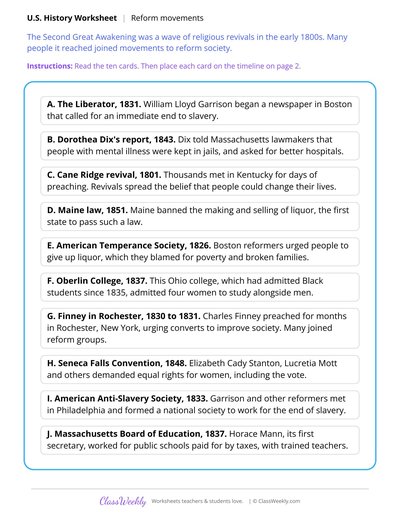
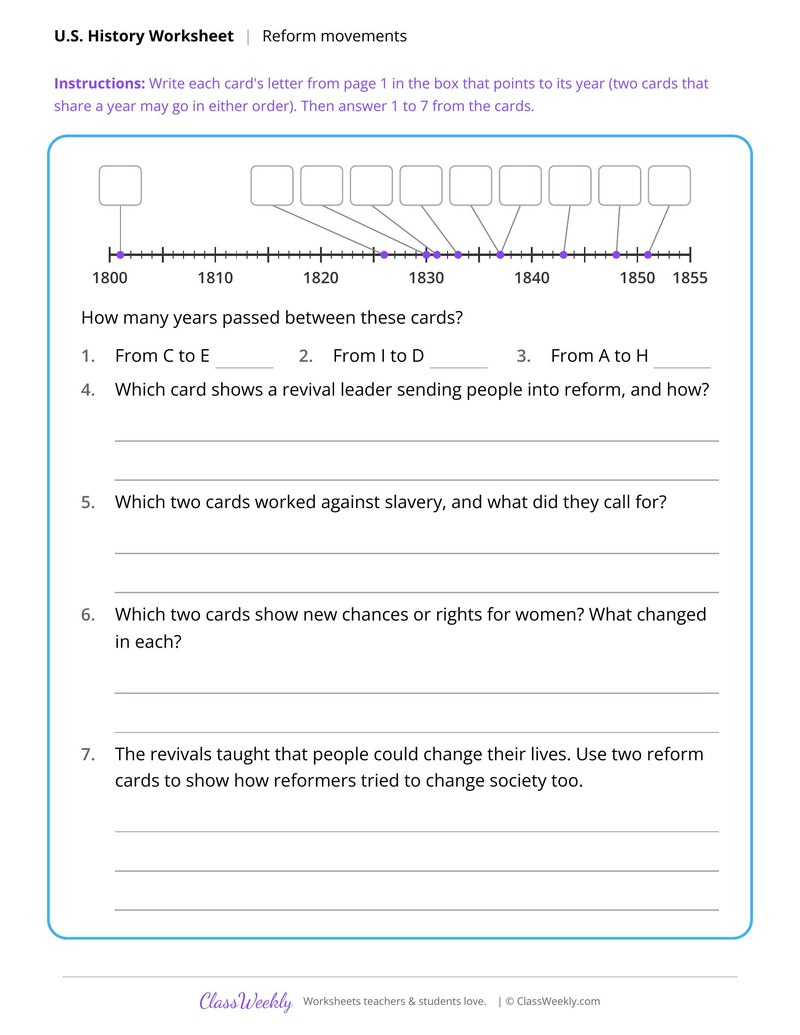
Second Great Awakening and Reform Timeline
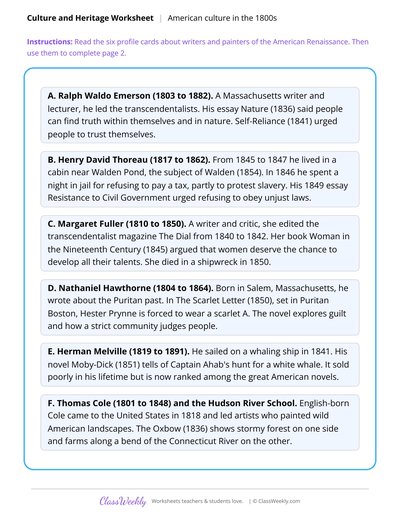
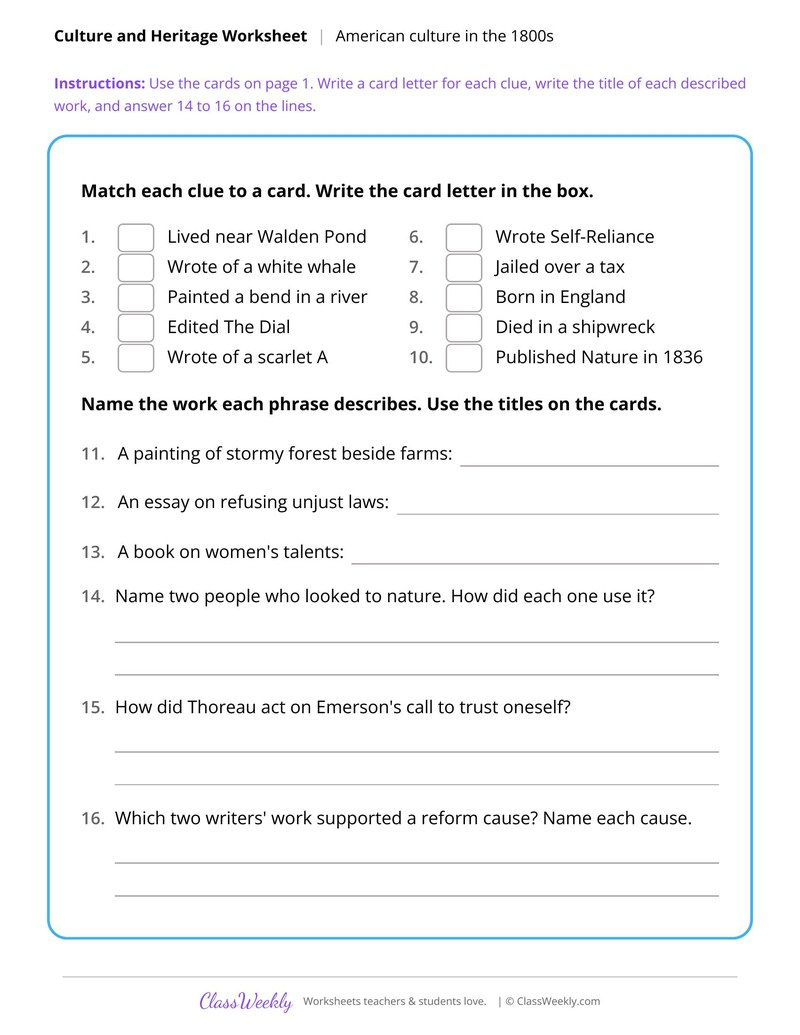
Writers and Painters of the American Renaissance
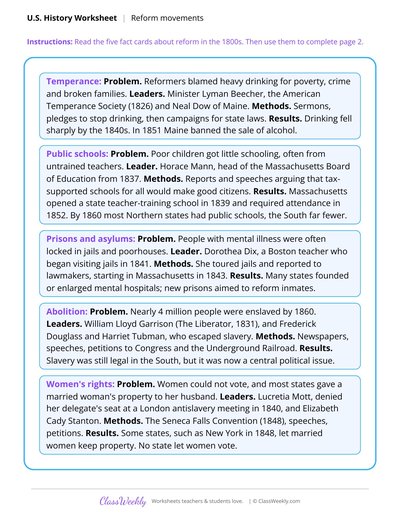
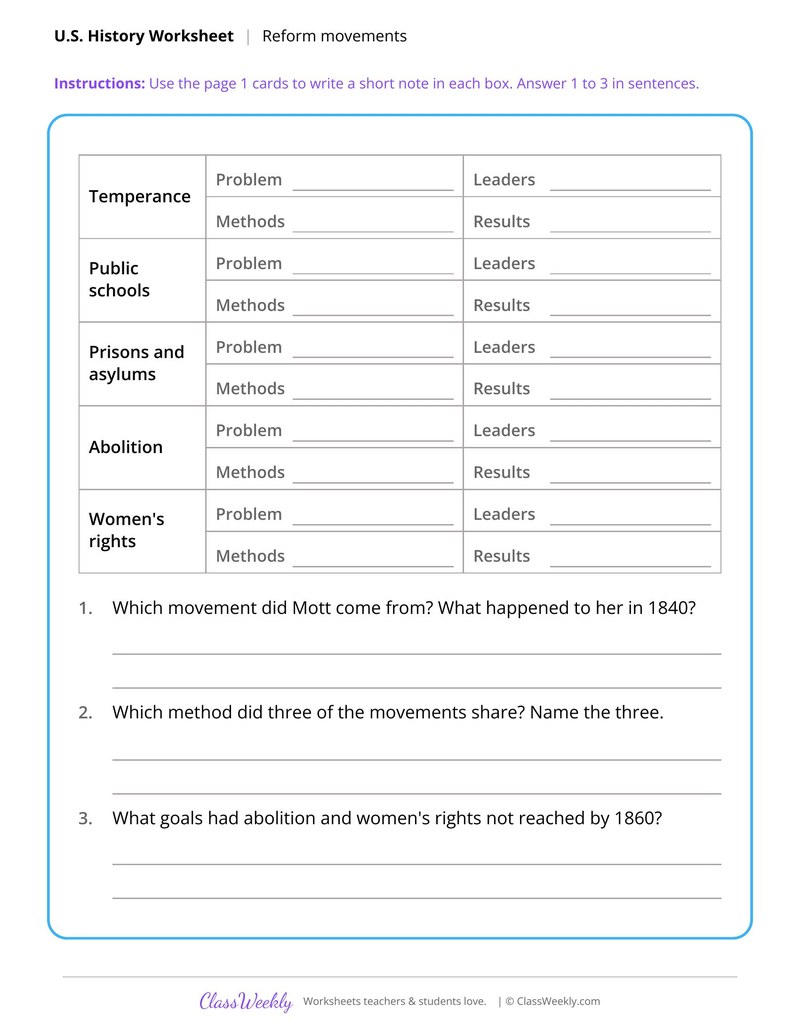
Reform Movements of the 1800s Organizer
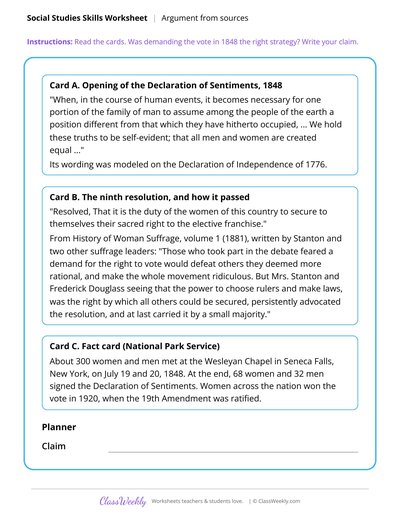
Arguing From the Declaration of Sentiments
Curriculum Links
C3 Framework for Social Studies State Standards
Social Studies · 8th Grade
Find this in the curriculum
Browse the grade, subject, and topic this belongs to.
FAQ
How do I use this Jacksonian democracy worksheet?
⌄
Use the cause and effect sheet first to set out Jackson's career, then compare the elections. Ask students to point to the line in the text behind each chart entry.
What does this worksheet teach?
⌄
Compare candidates, campaign style and turnout in the presidential elections of 1828 and 1840. The directions on the page read: Read the text about two presidential elections. Then use it to complete page 2. An answer key is included.
Can I use this Jacksonian democracy worksheet for homeschool or classroom?
⌄
Yes, both. We made it for 8th grade A New Nation Grows, and it works the same at home or at school. At home, a student can work through it alone and then go over it with you, which shows quickly what is solid and what needs another look. In class it works as independent practice, homework or a warm-up, and you can print one copy or a full set.
What was the corrupt bargain of 1824?
⌄
No candidate won a majority of electoral votes in 1824, so the House chose John Quincy Adams. When Adams named Henry Clay secretary of state, Jackson's supporters charged a corrupt bargain. Both sheets use this event.
How did campaigning change from 1828 to 1840?
⌄
By 1828 most white men could vote because many states had dropped property rules, and voters rather than legislatures chose the president. The comparison sheet asks how campaign style and turnout changed by 1840.
Why did Jackson veto the Second Bank's charter?
⌄
Jackson distrusted the Second Bank, and he vetoed its new charter in 1832. The cause and effect sheet matches this choice and others, such as the Indian Removal Act, to their effects.
Ratings & Reviews
No reviews yet. Be the first to share what you think.
Reviews are for ClassWeekly members.
Make a Request
Spotted something to fix, or want a worksheet we don't have yet? Tell us and we'll make it.
Worksheet Details
| Grade | 8th Grade |
| Subject | Social Studies |
| Topic | A New Nation Grows |
| Standard | D2.His.2.6-8 |
| Pages | 2 pages |
| Difficulty | Medium |
What is ClassWeekly?
ClassWeekly offers free worksheets and printable learning resources for kids, from preschool up. All worksheets are aligned to Common Core, NGSS, and C3 Framework standards and designed by educators. Become a member to access the full library and download unlimited PDFs.
Jefferson's First Inaugural Address of 1801
The Sedition Act of 1798 and the States' Answer
The 1793 Yellow Fever Epidemic in Philadelphia
Argument on Paying Tribute to the Barbary States
Second Great Awakening and Reform Timeline
Writers and Painters of the American Renaissance
Reform Movements of the 1800s Organizer
Arguing From the Declaration of Sentiments