Southeastern Nations Before Removal Organizer
Written by Adi Ackerman, Head Teacher
"Southeastern Nations Before Removal Organizer" is written for 8th Grade (Ages 13-14). A 7th grader who is already steady on Westward Expansion and Trails can use it too, and an older student can use it as a short review.
2 pages in this set
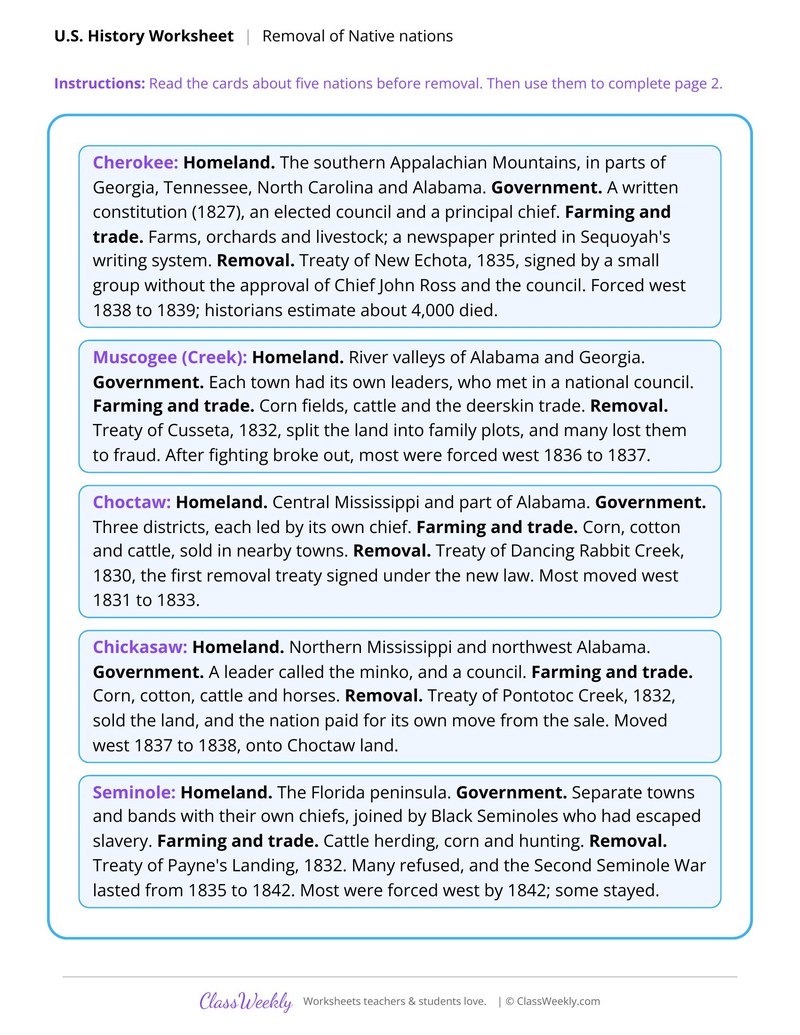
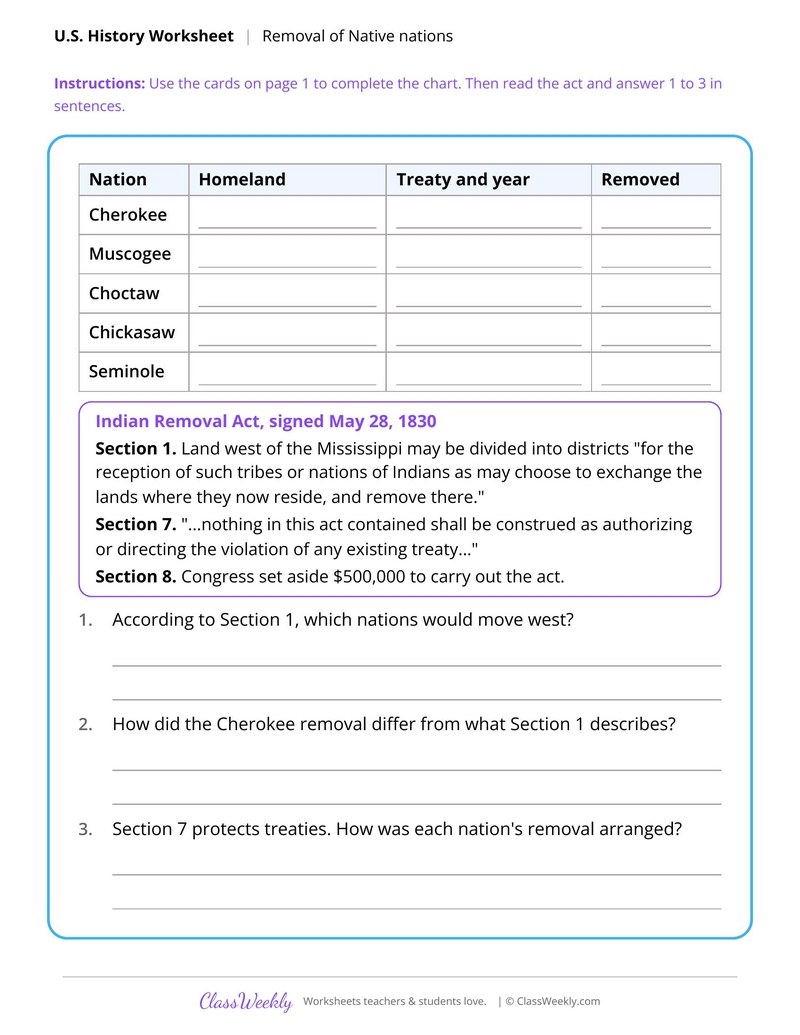
8th grade social studies worksheet: chart five southeastern nations before removal and read the Indian Removal Act of 1830. Answer key included. Part of our Native nations and removal westward expansion and trails collection.
How do I use this worksheet?
Start with the Cherokee government sheet so students see the nation's own institutions, then the removal organizer. Use the treaty sheet to carry the story onto the Plains.
What students will practice
- Students will chart the homeland, treaty and removal of five southeastern nations.
- Students will read sections of the Indian Removal Act of 1830.
- Students will compare the Cherokee removal with what Section 1 of the act described.
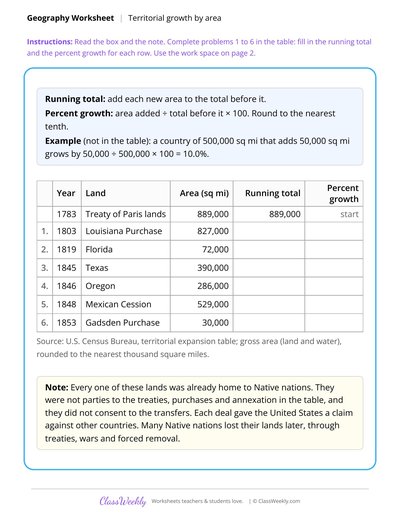
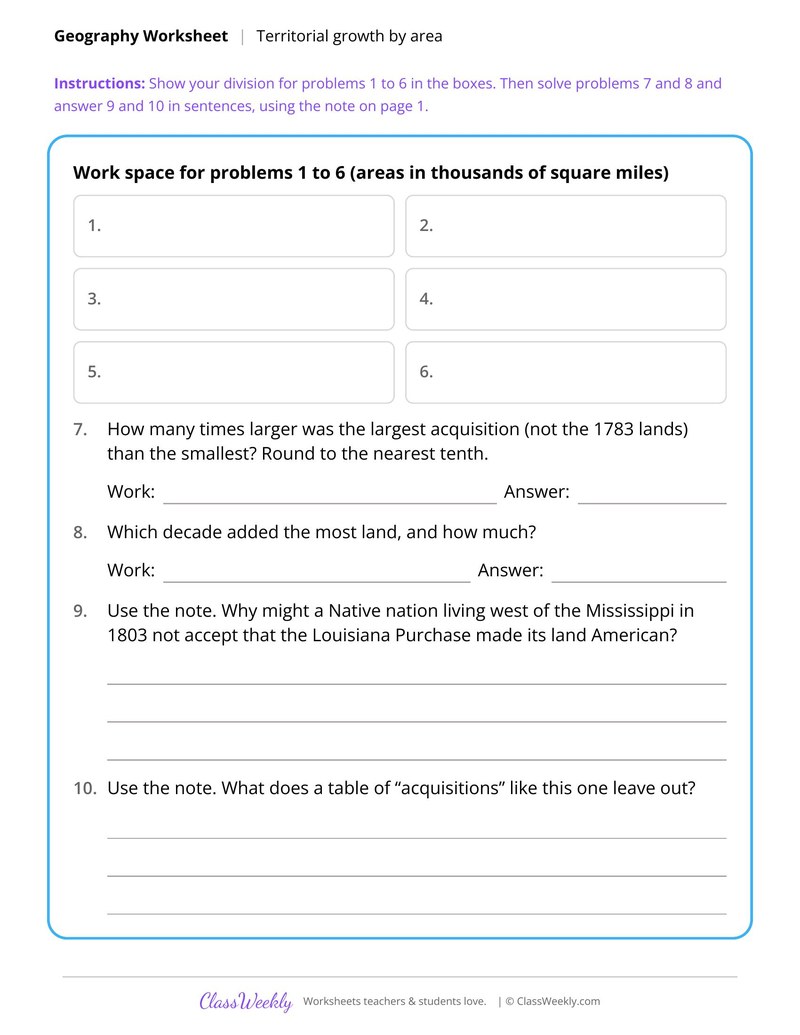
Area Math for U.S. Land Acquisitions
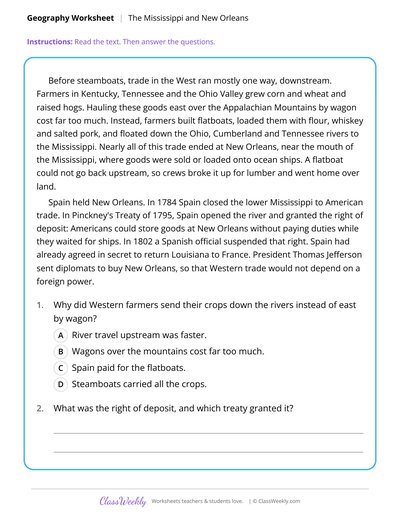
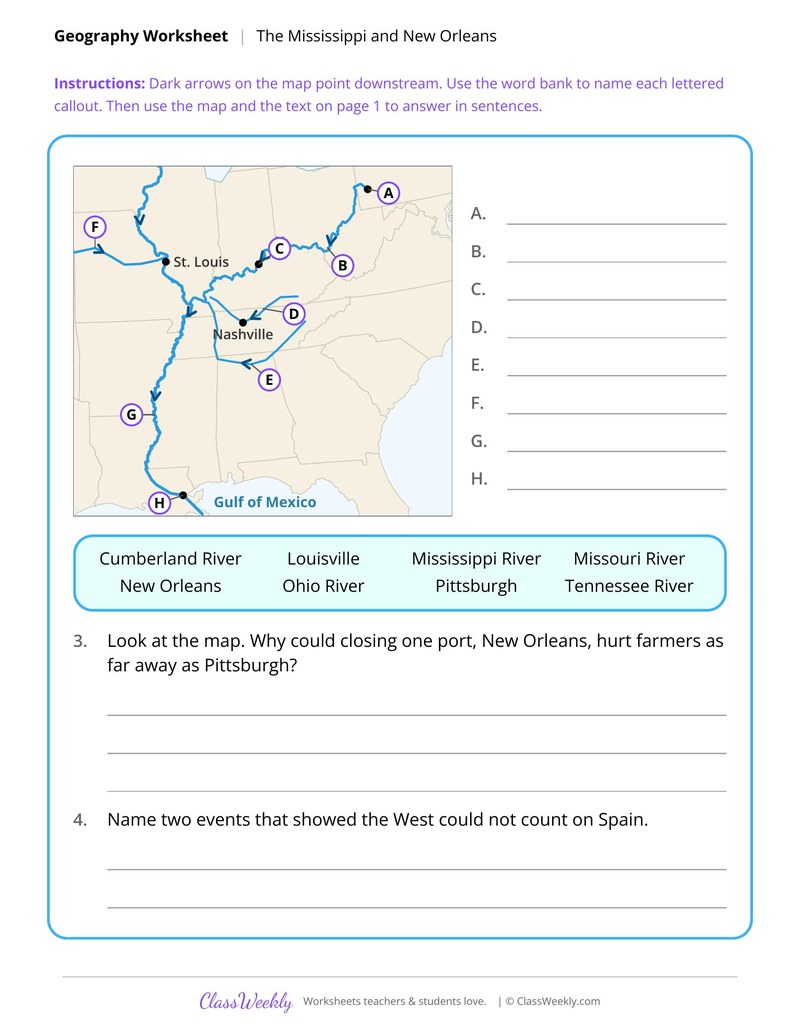
The Mississippi River as the Highway of the West
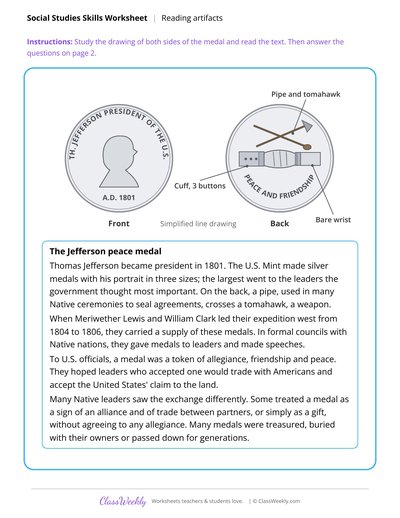
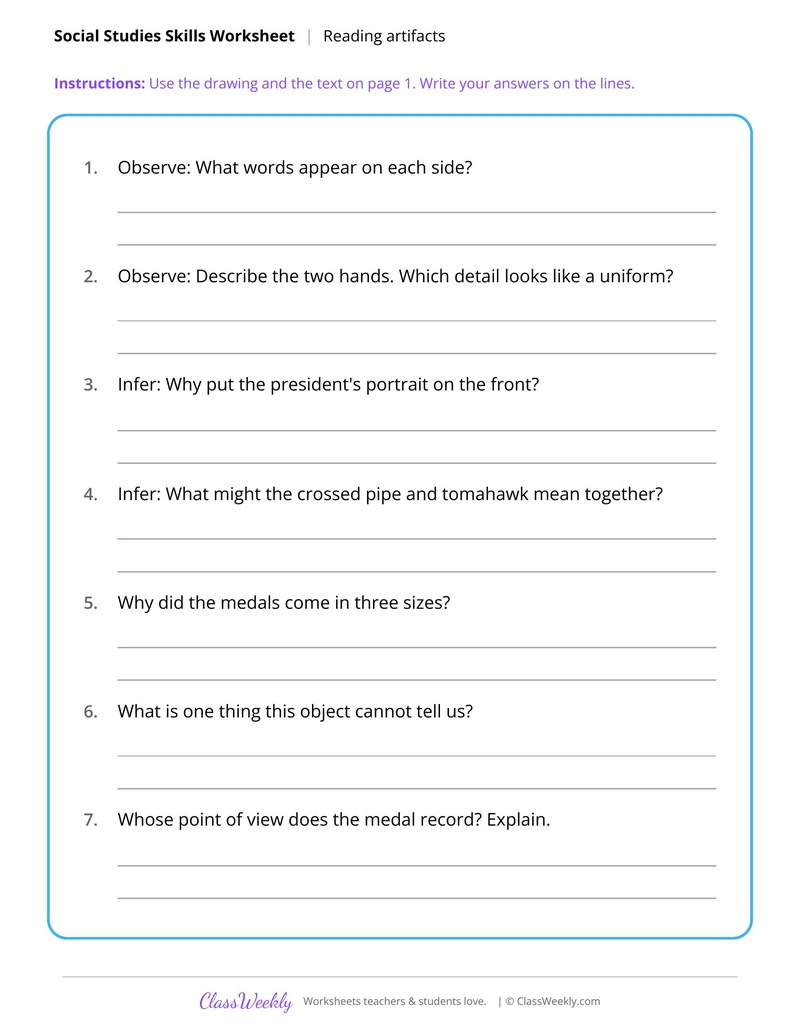
The Jefferson Peace Medal as Evidence
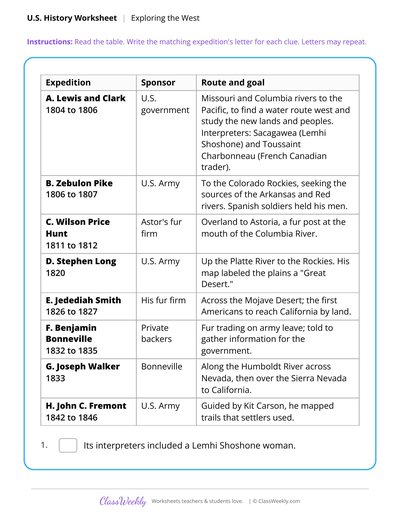
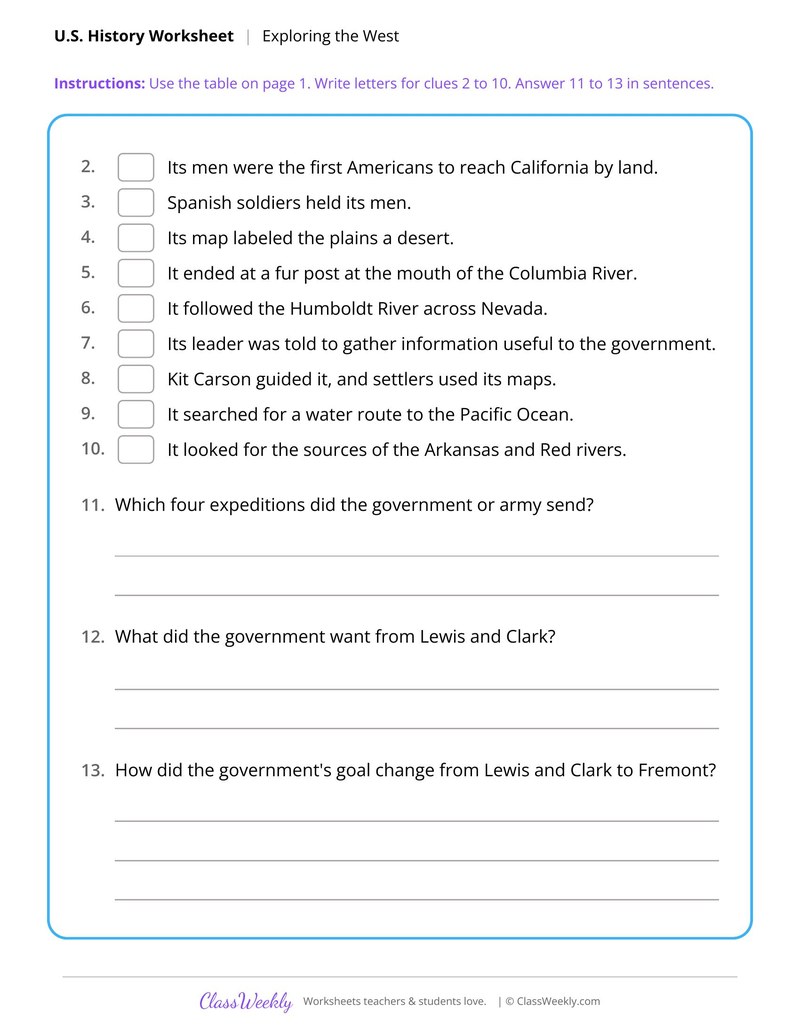
Explorers of the American West, 1804 to 1846
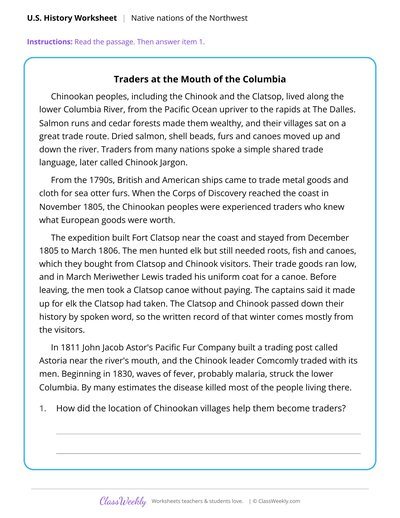
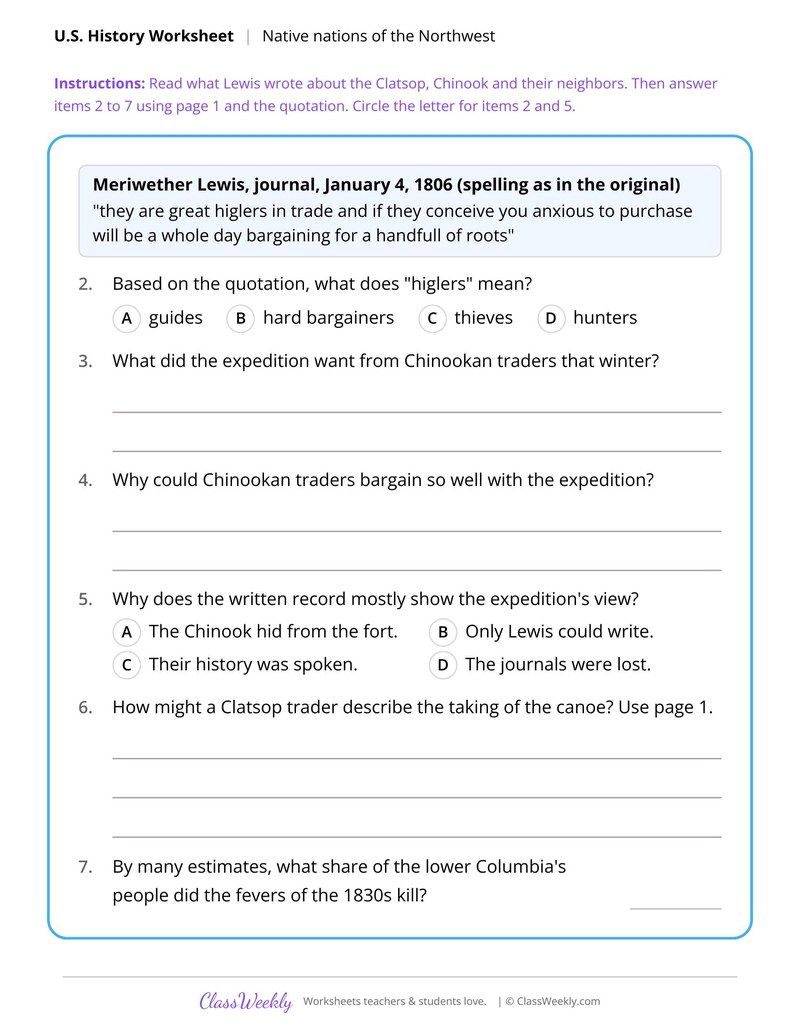
Chinook Traders and the Corps of Discovery
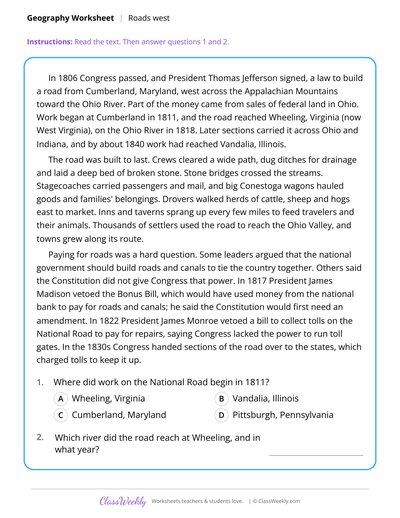
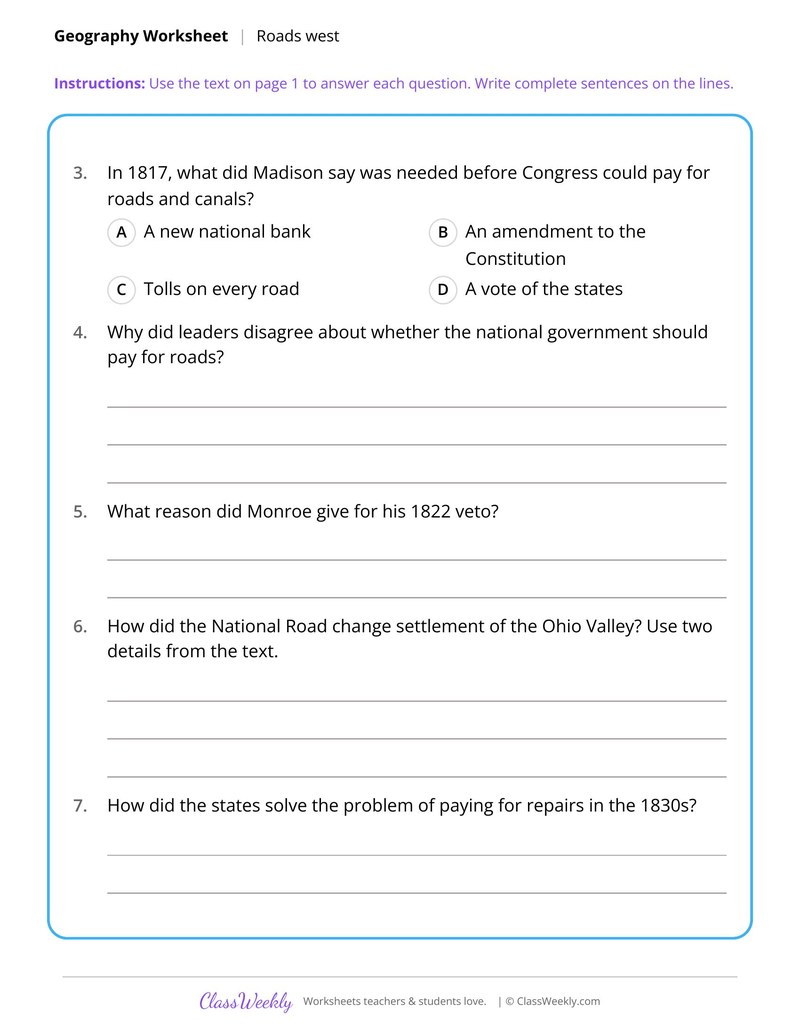
The National Road and the Way West
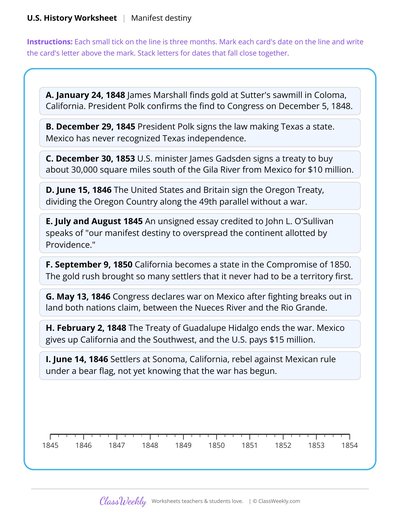
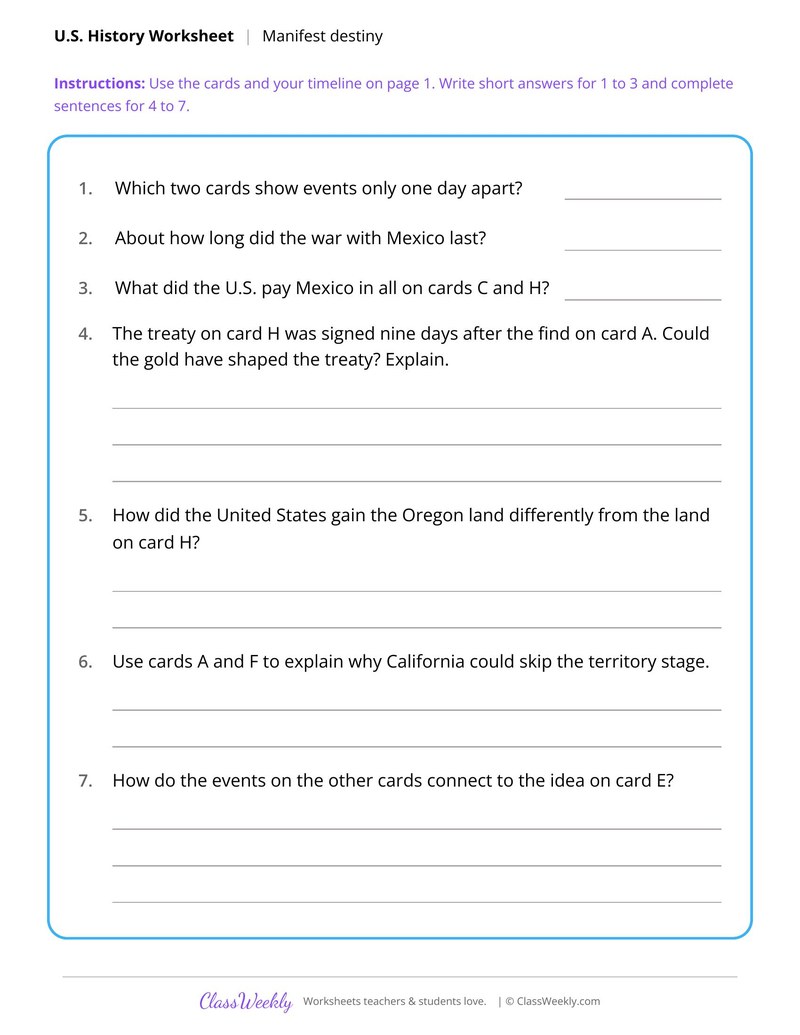
Manifest Destiny Timeline, 1845 to 1854
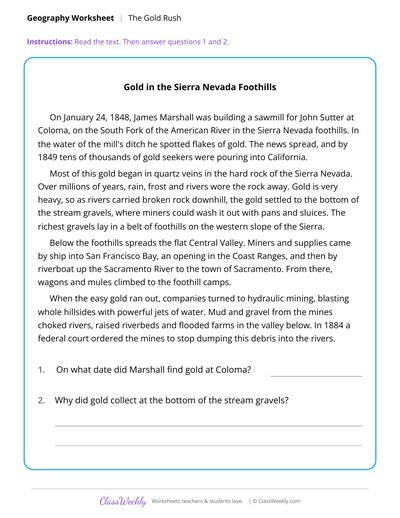
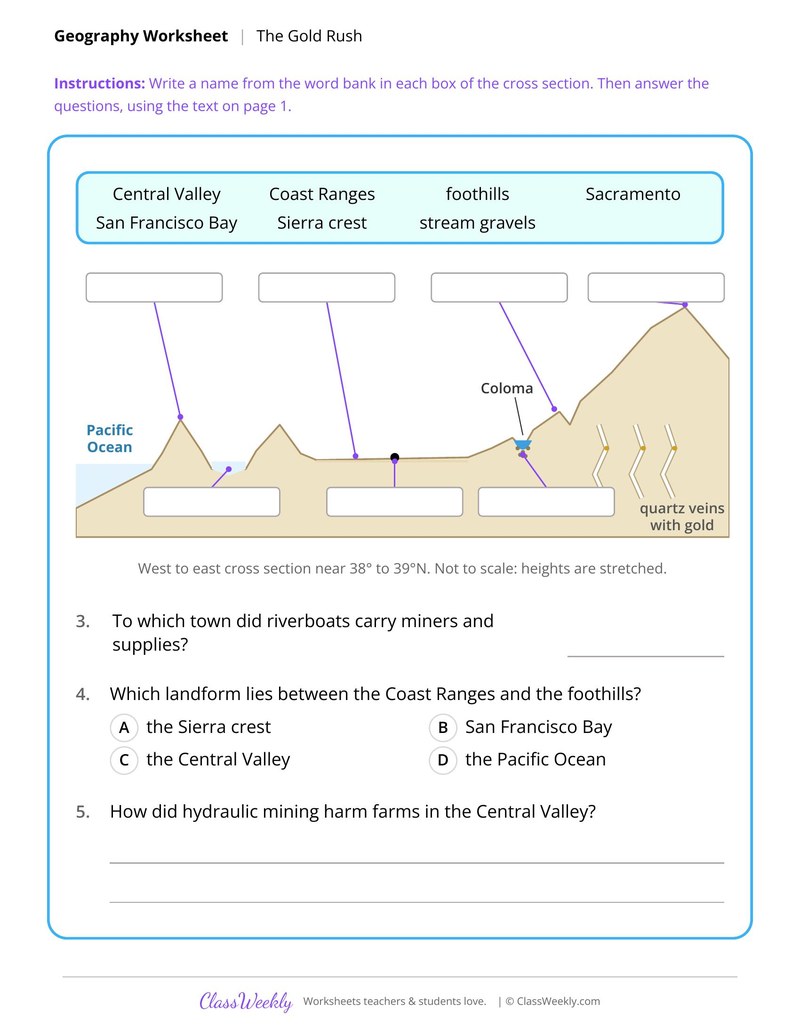
The Sierra Nevada Foothills and the Gold Rush
Curriculum Links
Find this in the curriculum
Browse the grade, subject, and topic this belongs to.
FAQ
How do I use this Native nations and removal worksheet?
⌄
Start with the Cherokee government sheet so students see the nation's own institutions, then the removal organizer. Use the treaty sheet to carry the story onto the Plains.
What does this worksheet teach?
⌄
Chart five southeastern nations before removal and read the Indian Removal Act of 1830. The directions on the page read: Read the cards about five nations before removal. Then use them to complete page 2. An answer key is included.
Can I use this Native nations and removal worksheet for homeschool or classroom?
⌄
Yes, both. We made it for 8th grade Westward Expansion and Trails, and it works the same at home or at school. At home, a student can work through it alone and then go over it with you, which shows quickly what is solid and what needs another look. In class it works as independent practice, homework or a warm-up, and you can print one copy or a full set.
What did the Indian Removal Act of 1830 say?
⌄
Section 1 set aside land west of the Mississippi for nations that chose to exchange their lands, and Section 8 gave $500,000 to carry it out. Students compare this wording with what happened to the Cherokee.
How was the Cherokee Nation governed in 1827?
⌄
Its constitution divided power into legislative, executive and judicial branches. Voters in eight districts elected two houses, which chose a principal chief for a four year term.
Why did the United States take the Black Hills?
⌄
The 1868 treaty protected Lakota land, but after a gold report in 1874 the land was taken. Students trace this and the 1980 court ruling on the treaty sheet.
Ratings & Reviews
No reviews yet. Be the first to share what you think.
Reviews are for ClassWeekly members.
Make a Request
Spotted something to fix, or want a worksheet we don't have yet? Tell us and we'll make it.
Worksheet Details
| Grade | 8th Grade |
| Subject | Social Studies |
| Topic | Westward Expansion and Trails |
| Pages | 2 pages |
| Difficulty | Medium |
What is ClassWeekly?
ClassWeekly offers free worksheets and printable learning resources for kids, from preschool up. All worksheets are aligned to Common Core, NGSS, and C3 Framework standards and designed by educators. Become a member to access the full library and download unlimited PDFs.
Area Math for U.S. Land Acquisitions
The Mississippi River as the Highway of the West
The Jefferson Peace Medal as Evidence
Explorers of the American West, 1804 to 1846
Chinook Traders and the Corps of Discovery
The National Road and the Way West
Manifest Destiny Timeline, 1845 to 1854
The Sierra Nevada Foothills and the Gold Rush