Andrew Jackson Political Cartoon Analysis
Written by Adi Ackerman, Head Teacher
"Andrew Jackson Political Cartoon Analysis" is written for 7th Grade (Ages 12-13), and it covers C3 Framework D2.His.4.6-8. A 6th grader who is already steady on Sources, Data and Research Skills can use it too, and an older student can use it as a short review.
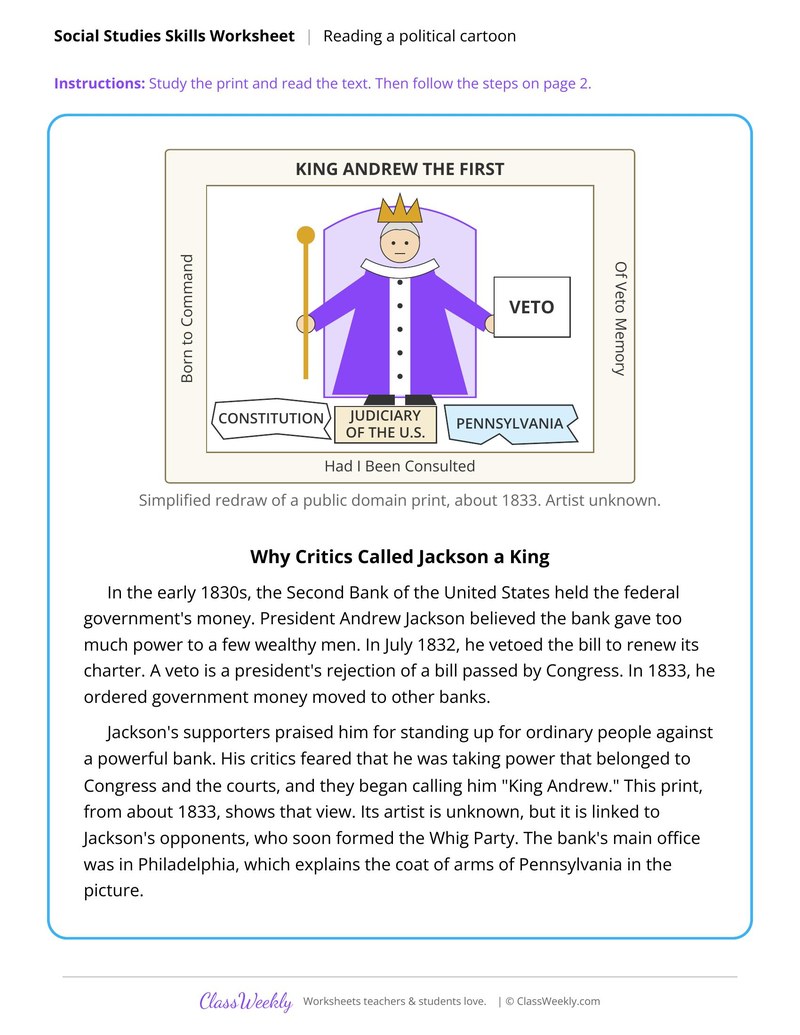
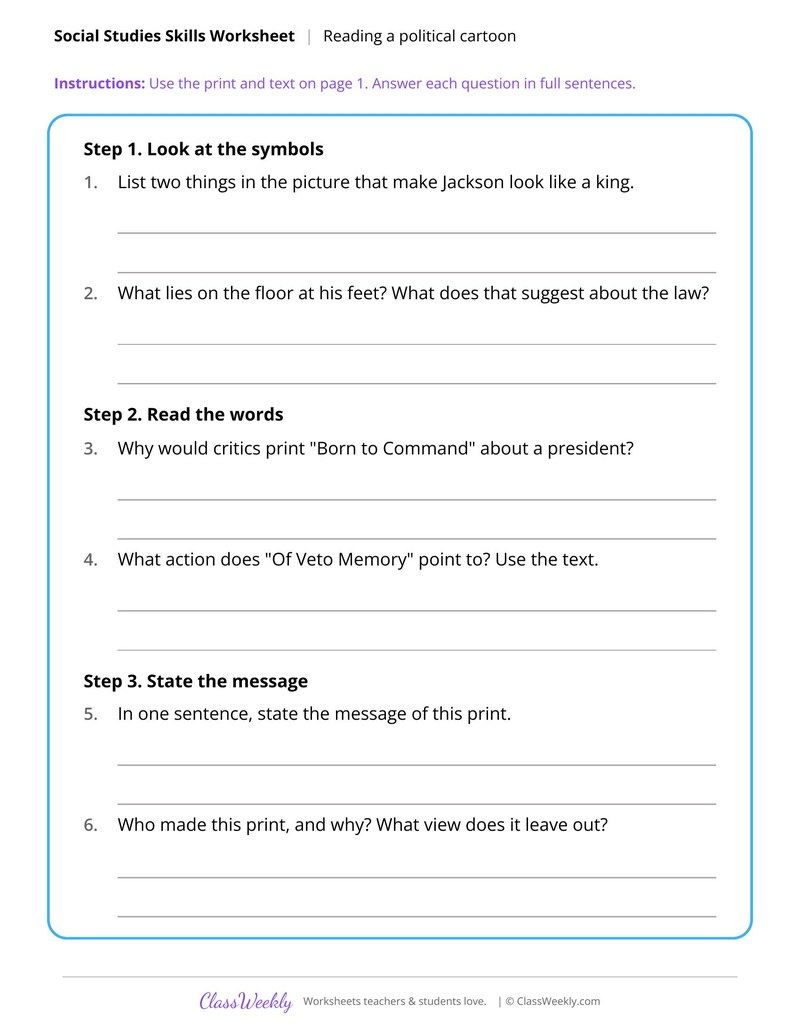
2 pages in this set
7th grade social studies worksheet: analyze a redrawn print of King Andrew the First to see how critics showed Jackson's veto power. Answer key included. Part of our reading a political cartoon sources, data and research skills collection. Aligned to C3 Framework standards.
How do I use this worksheet?
Teach techniques first and use the steps on the later sheets. Compare how each cartoon tries to persuade.
What students will practice
- Students will list symbols that make Jackson look like a king.
- Students will explain the title and labels in the print.
- Students will state the message and the artist's point of view.
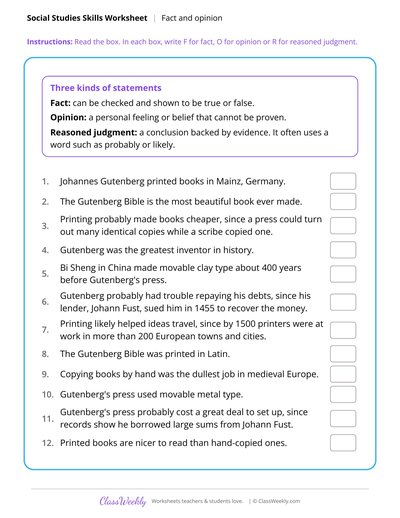
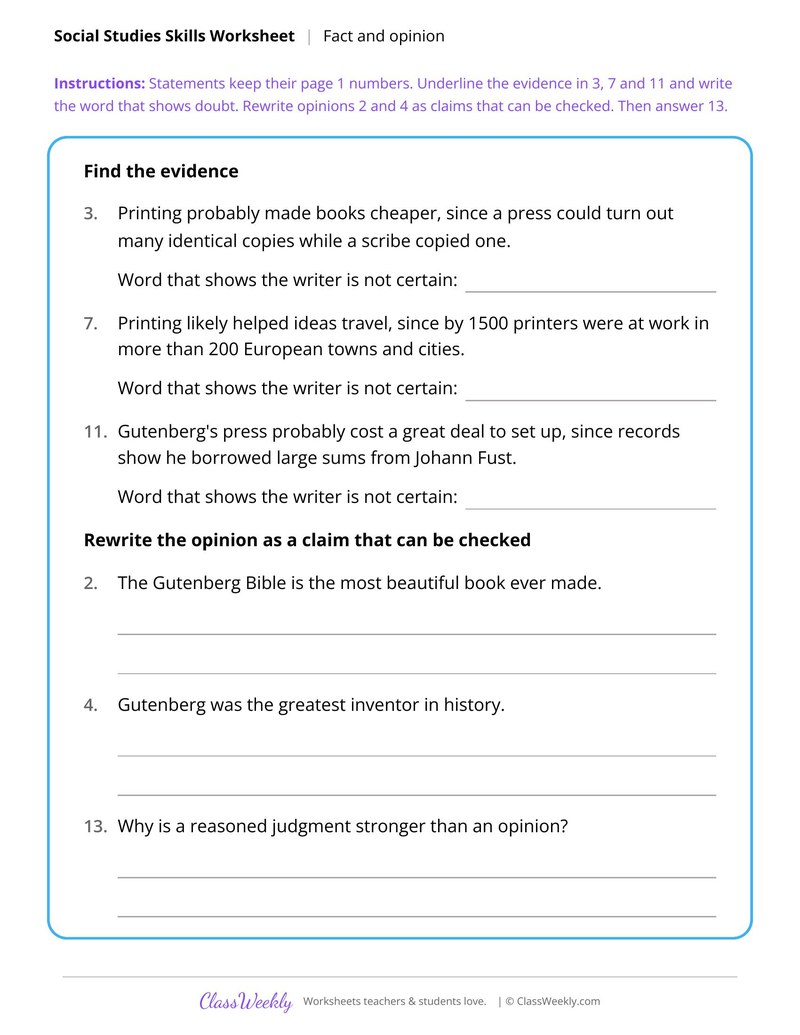
Fact, Opinion and Reasoned Judgment in History
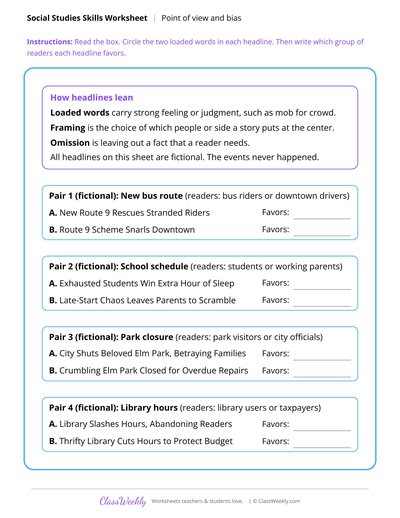
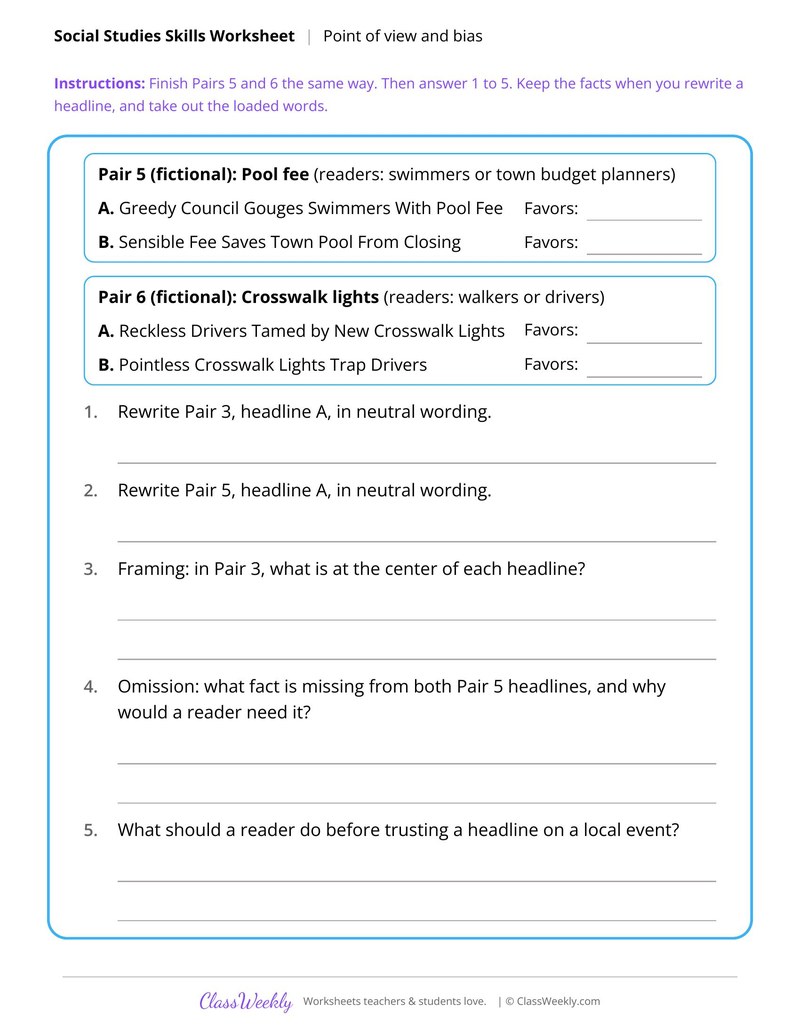
Comparing Headlines for Bias
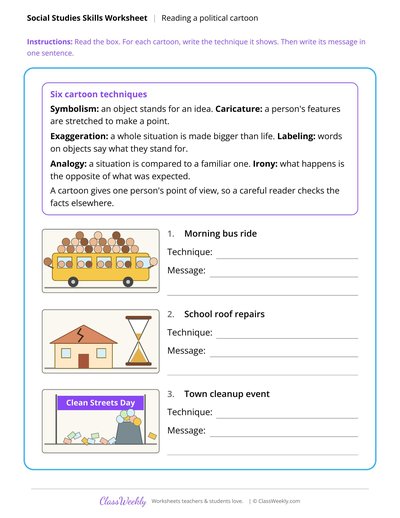
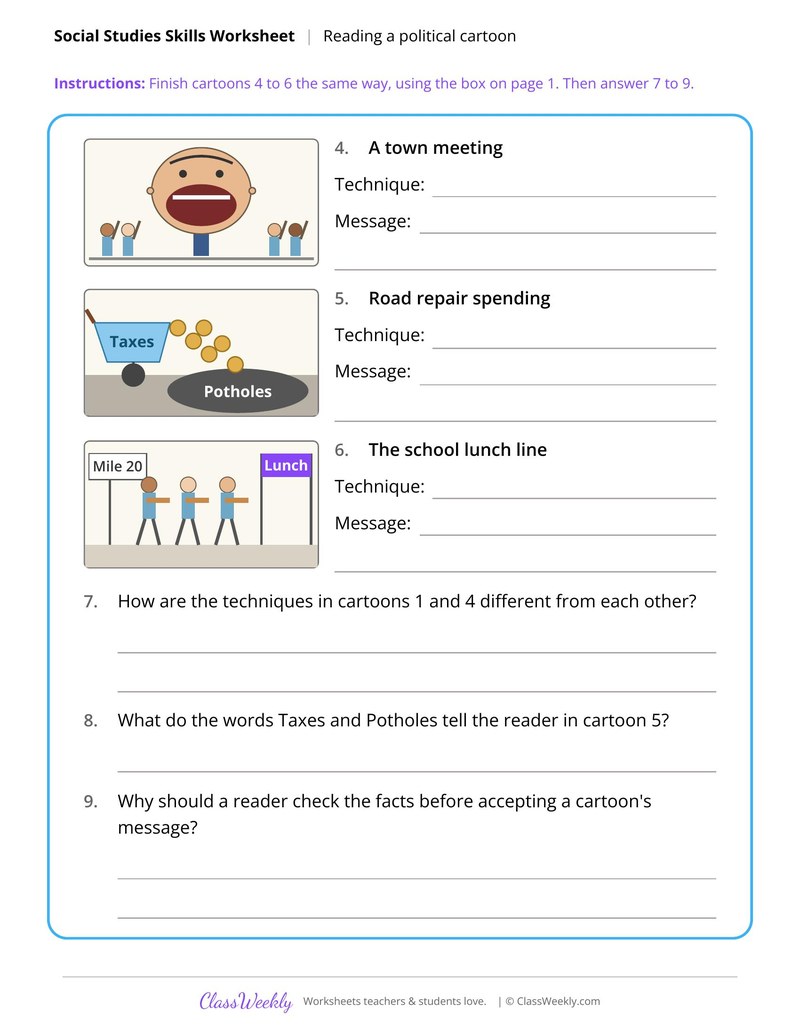
Political Cartoon Techniques
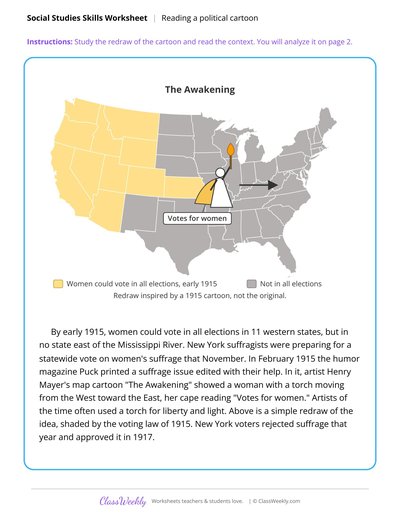
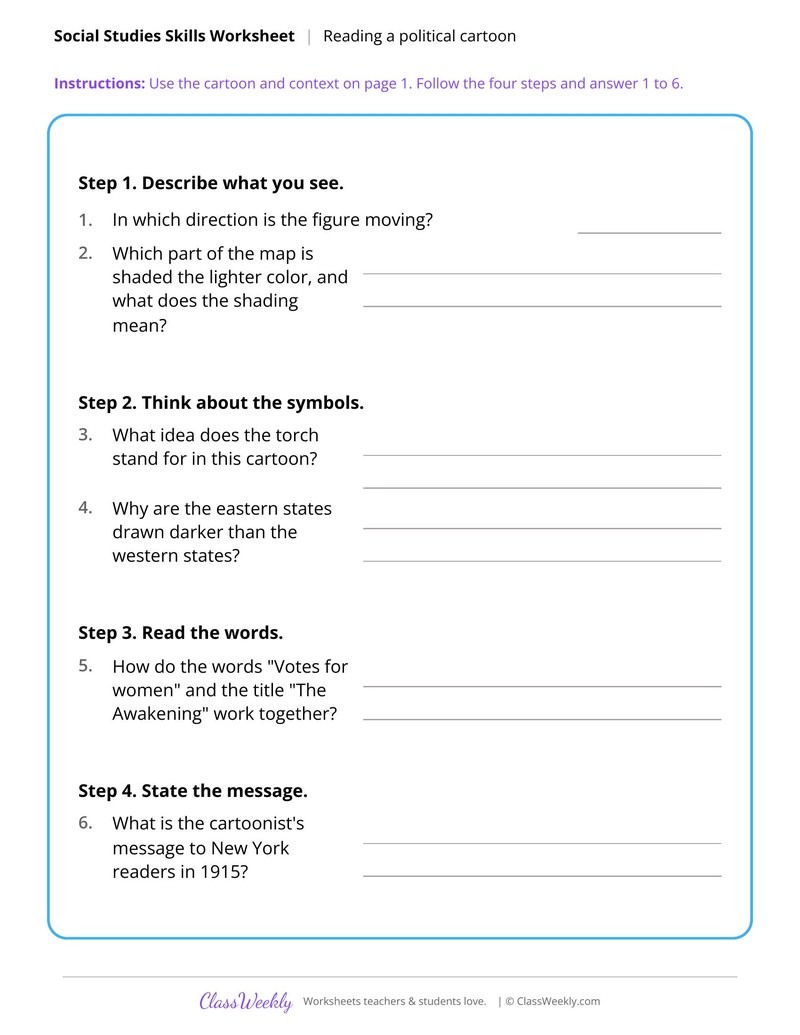
Suffrage Era Political Cartoon Analysis
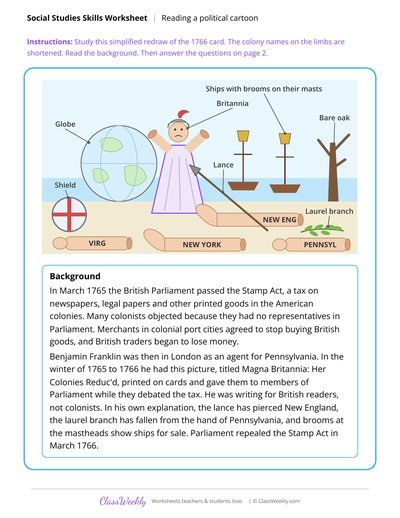
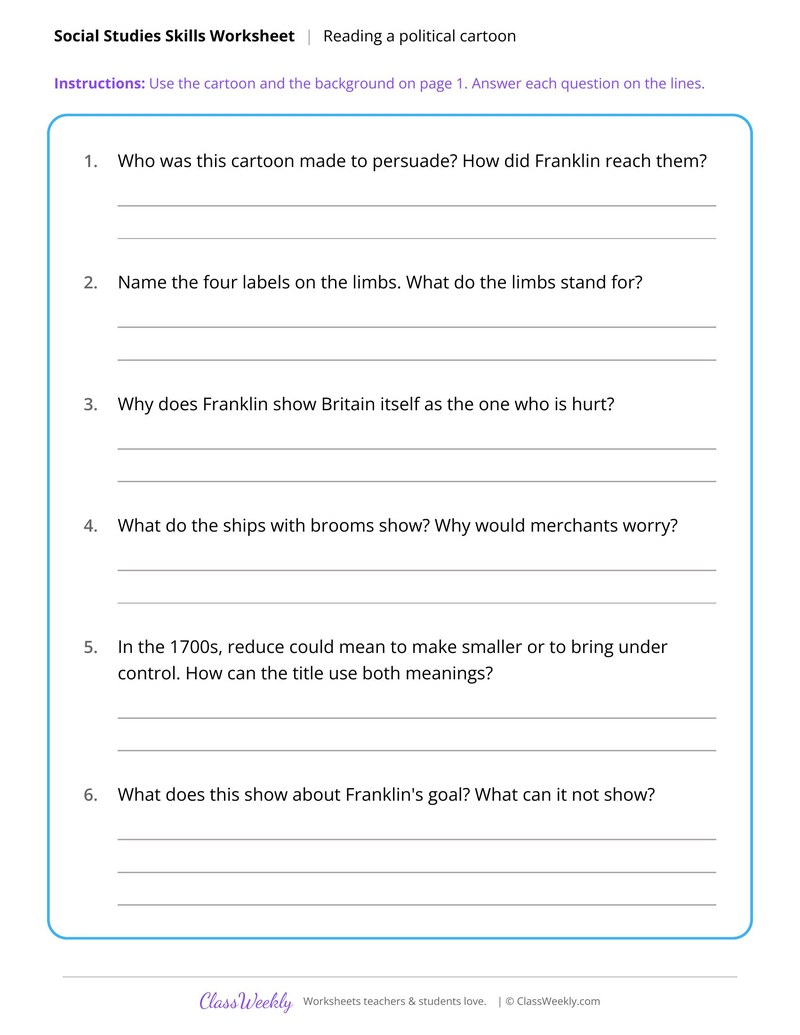
Franklin's Magna Britannia Cartoon of 1766
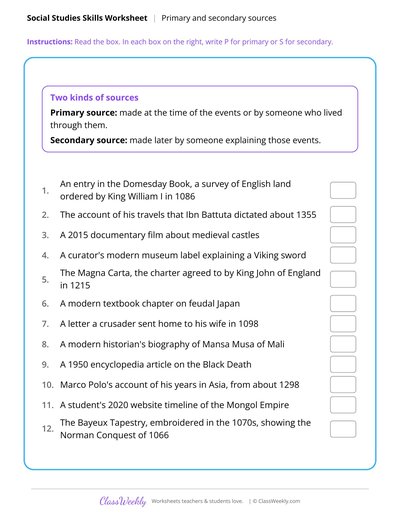
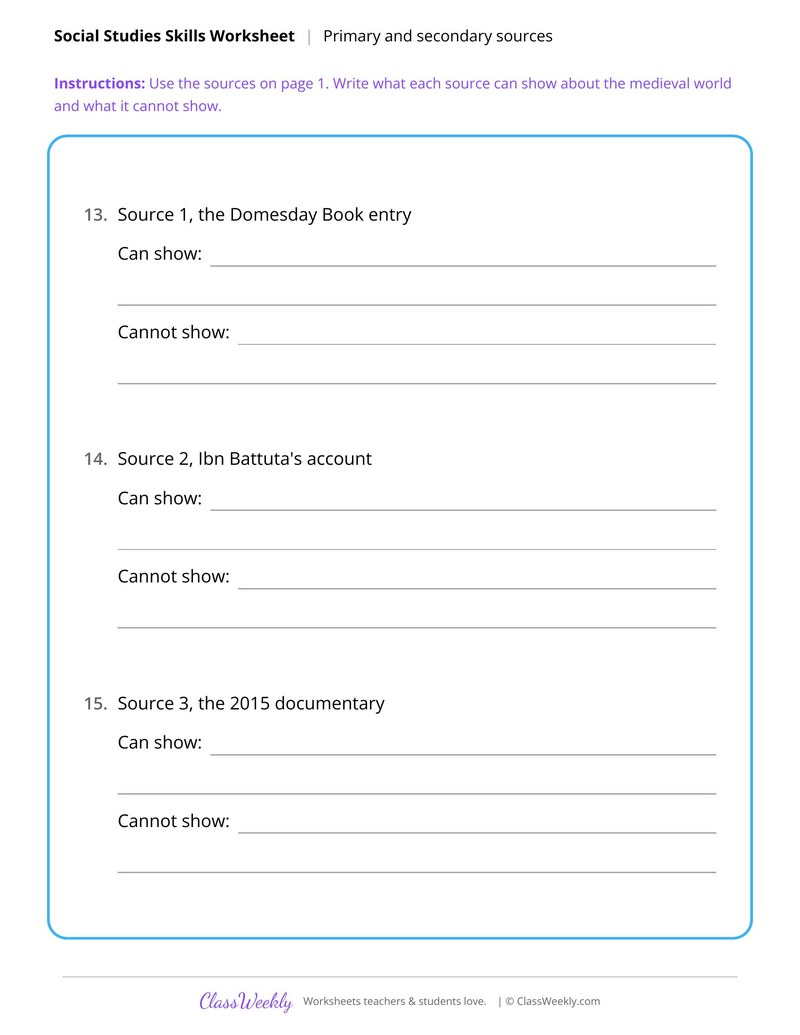
Primary and Secondary Sources of the Medieval World
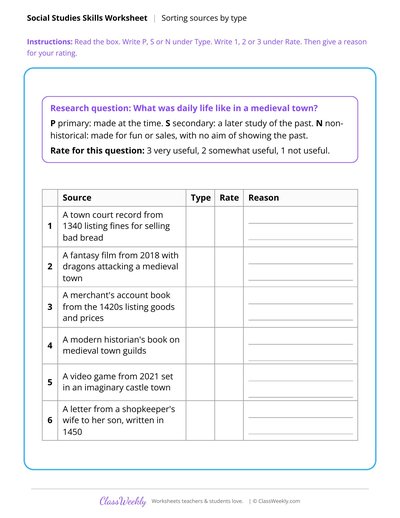
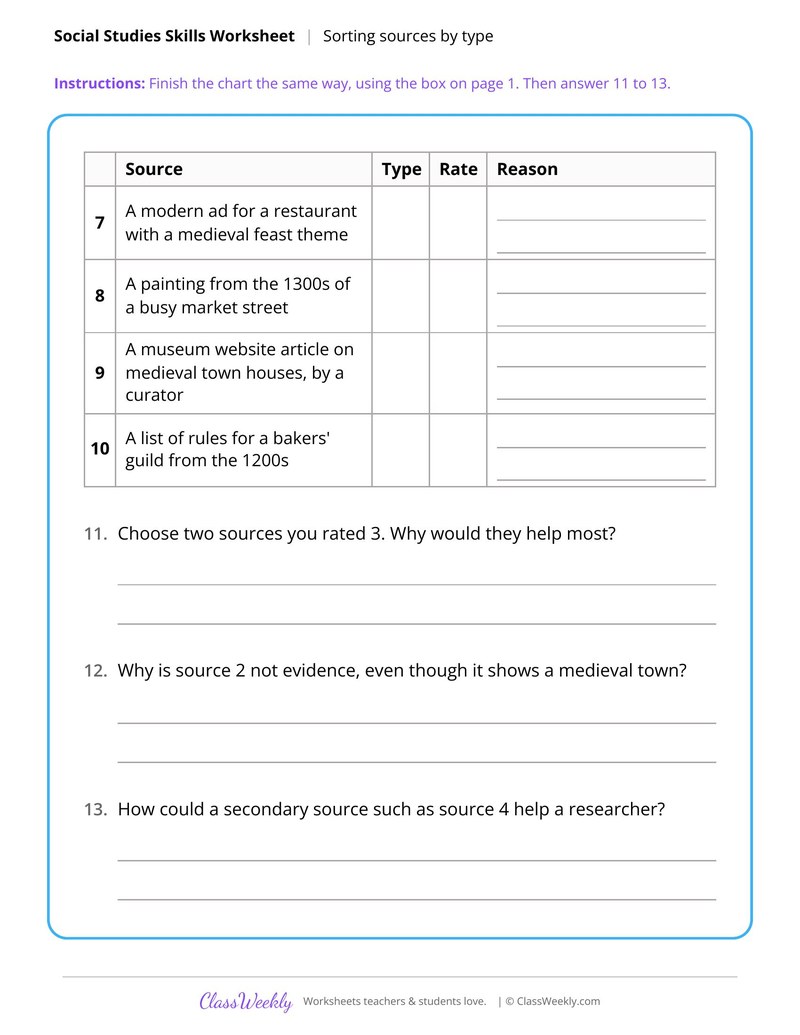
Sorting Sources by Type and Usefulness
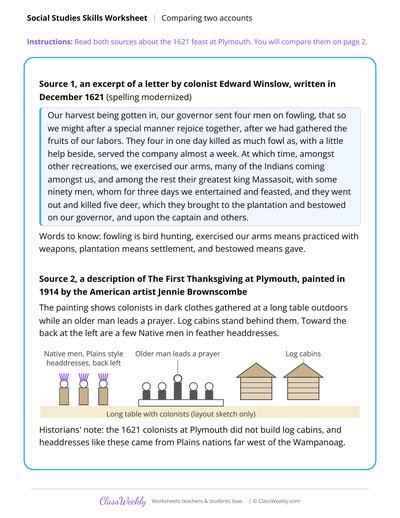
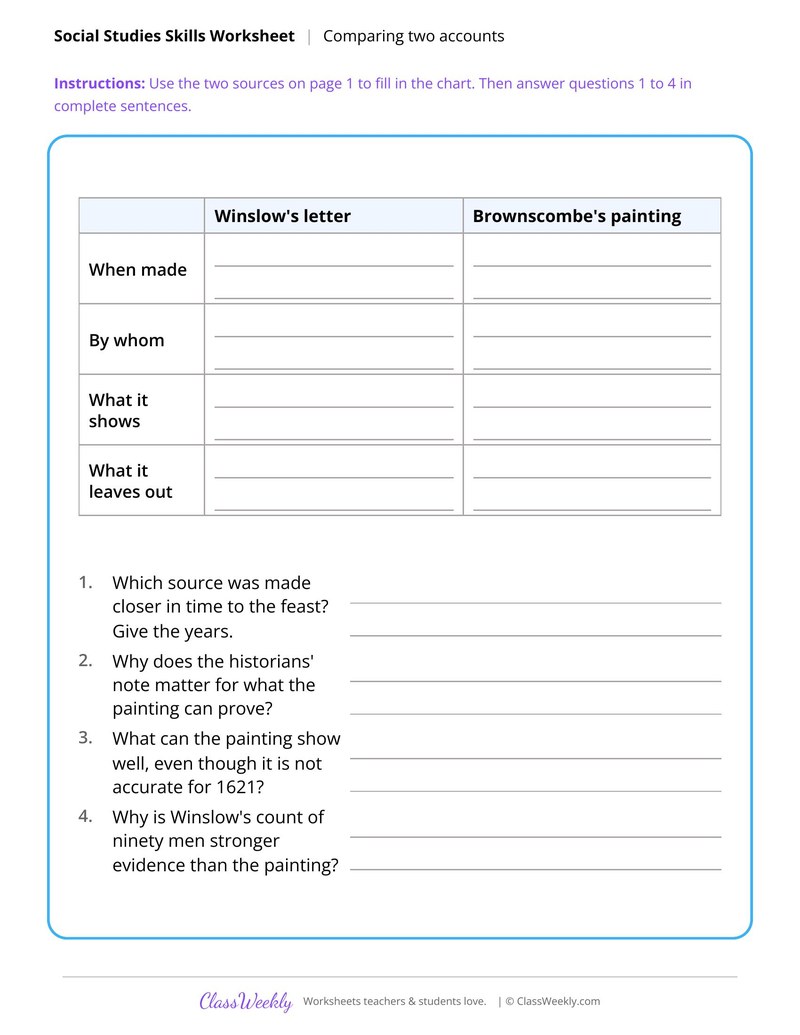
A 1621 Account and a 1914 Painting Compared
Curriculum Links
C3 Framework for Social Studies State Standards
Social Studies · 7th Grade
Find this in the curriculum
Browse the grade, subject, and topic this belongs to.
FAQ
How do I use this reading a political cartoon worksheet?
⌄
Teach techniques first and use the steps on the later sheets. Compare how each cartoon tries to persuade.
What does this worksheet teach?
⌄
Analyze a redrawn print of King Andrew the First to see how critics showed Jackson's veto power. The directions on the page read: Study the print and read the text. Then follow the steps on page 2. An answer key is included.
Can I use this reading a political cartoon worksheet for homeschool or classroom?
⌄
Yes, both. We made it for 7th grade Sources, Data and Research Skills, and it works the same at home or at school. At home, a student can work through it alone and then go over it with you, which shows quickly what is solid and what needs another look. In class it works as independent practice, homework or a warm-up, and you can print one copy or a full set.
What techniques do political cartoons use?
⌄
The sheet names six: symbolism, caricature, exaggeration, labeling, analogy and irony.
How do you analyze a political cartoon?
⌄
Describe what you see, think about the symbols, read the words and state the message.
Why check the facts behind a cartoon?
⌄
A cartoon gives one person's point of view, so a careful reader checks the facts before accepting its message.
Ratings & Reviews
No reviews yet. Be the first to share what you think.
Reviews are for ClassWeekly members.
Make a Request
Spotted something to fix, or want a worksheet we don't have yet? Tell us and we'll make it.
Worksheet Details
| Grade | 7th Grade |
| Subject | Social Studies |
| Topic | Sources, Data and Research Skills |
| Standard | D2.His.4.6-8 |
| Pages | 2 pages |
| Difficulty | Medium |
What is ClassWeekly?
ClassWeekly offers free worksheets and printable learning resources for kids, from preschool up. All worksheets are aligned to Common Core, NGSS, and C3 Framework standards and designed by educators. Become a member to access the full library and download unlimited PDFs.
Fact, Opinion and Reasoned Judgment in History
Comparing Headlines for Bias
Political Cartoon Techniques
Suffrage Era Political Cartoon Analysis
Franklin's Magna Britannia Cartoon of 1766
Primary and Secondary Sources of the Medieval World
Sorting Sources by Type and Usefulness
A 1621 Account and a 1914 Painting Compared