Respond to Dramatic Irony in a Story
Written by Adi Ackerman, Head Teacher
"Respond to Dramatic Irony in a Story" is written for 8th Grade (Ages 13-14), and it covers Common Core RL.8.6. A 7th grader who is already steady on comprehension exercises can use it too, and an older student can use it as a short review.
2 pages in this set
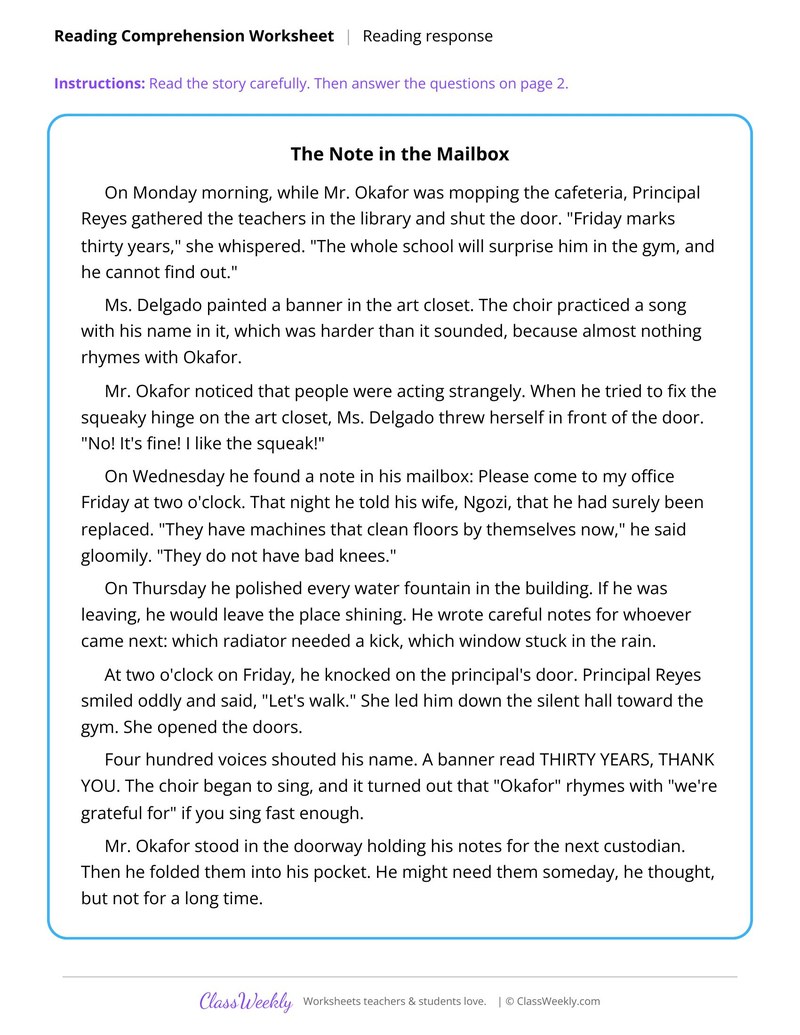
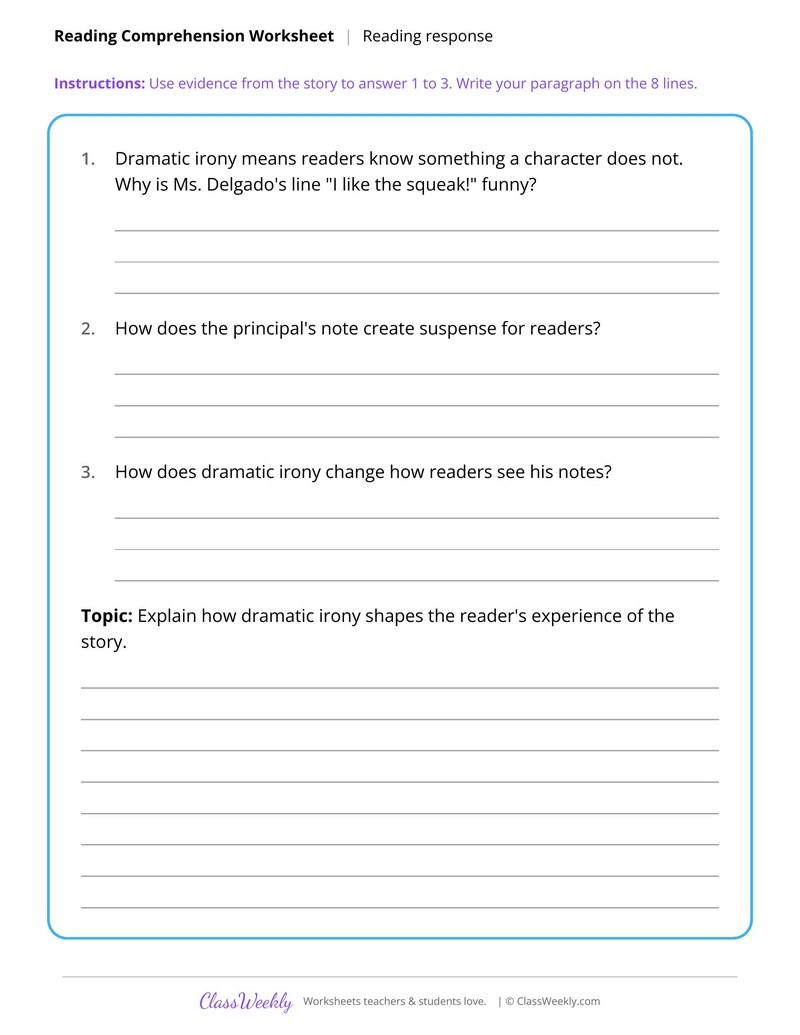
8th grade reading worksheet: read a story about a school surprise for Mr. Okafor and write how dramatic irony shapes it. Answer key included. Part of our reading response comprehension exercises collection. Aligned to Common Core standards.
How do I use this worksheet?
Use the eight text sheets for practice before a written response on a class novel. Hand out a board at the start of an independent reading book and collect the finished tasks at the end.
What students will practice
- Students will read The Note in the Mailbox, a story about a planned surprise.
- Students will explain why lines are funny or tense because readers know more.
- Students will write a paragraph on how dramatic irony shapes the reader's experience.
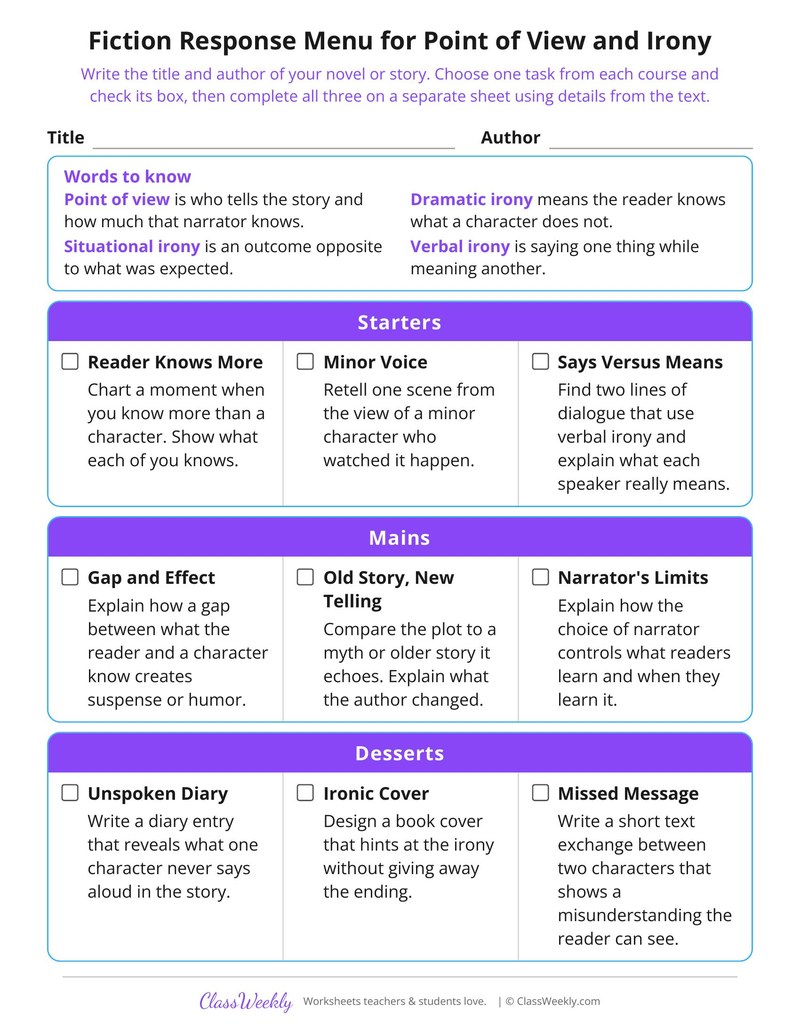
Fiction Response Menu for Point of View and Irony
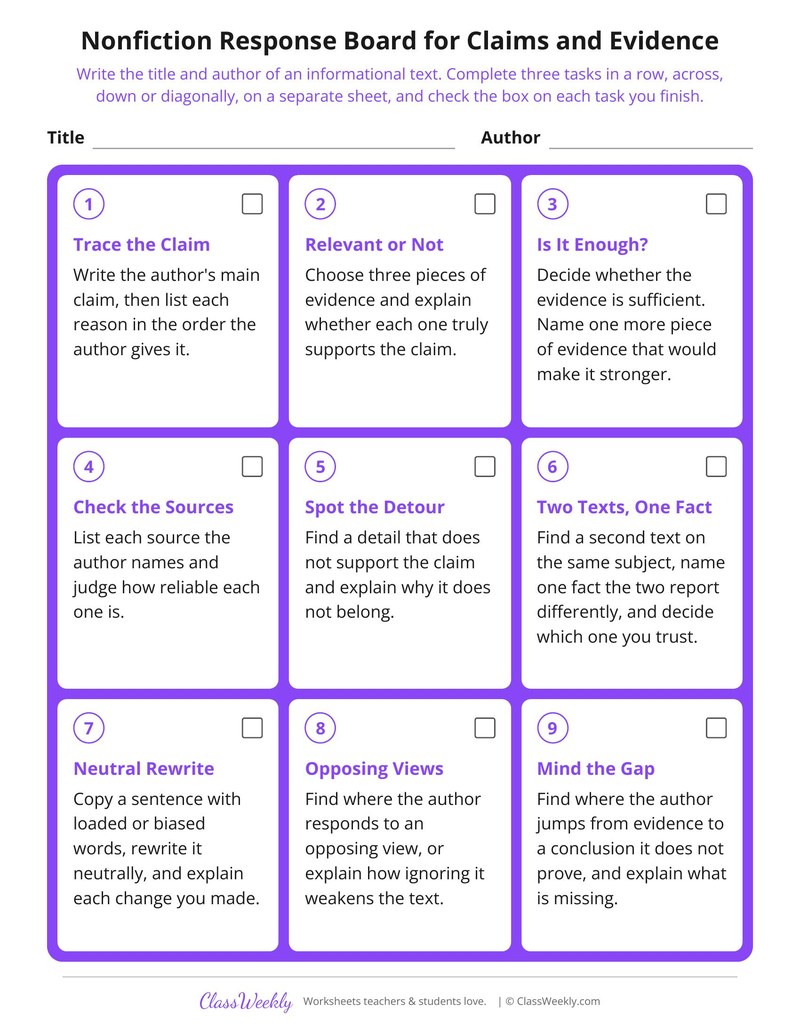
Nonfiction Response Board for Claims and Evidence
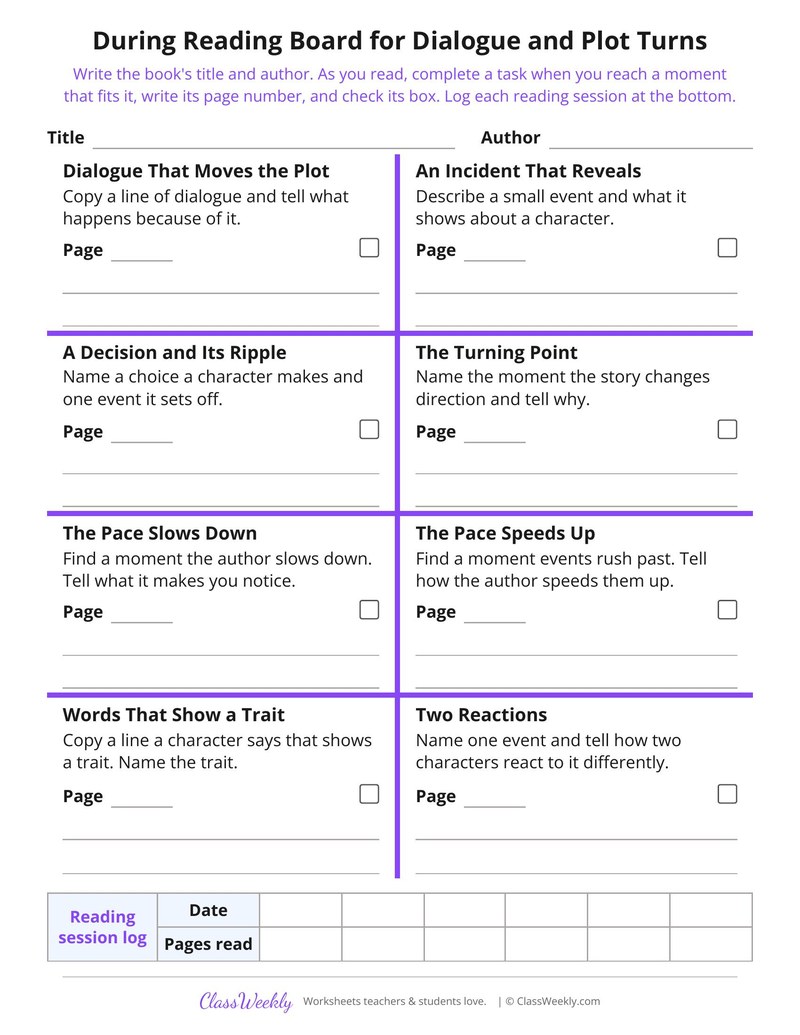
During Reading Board for Dialogue and Plot Turns
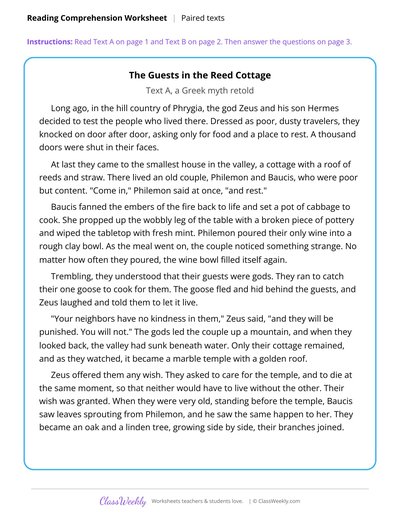
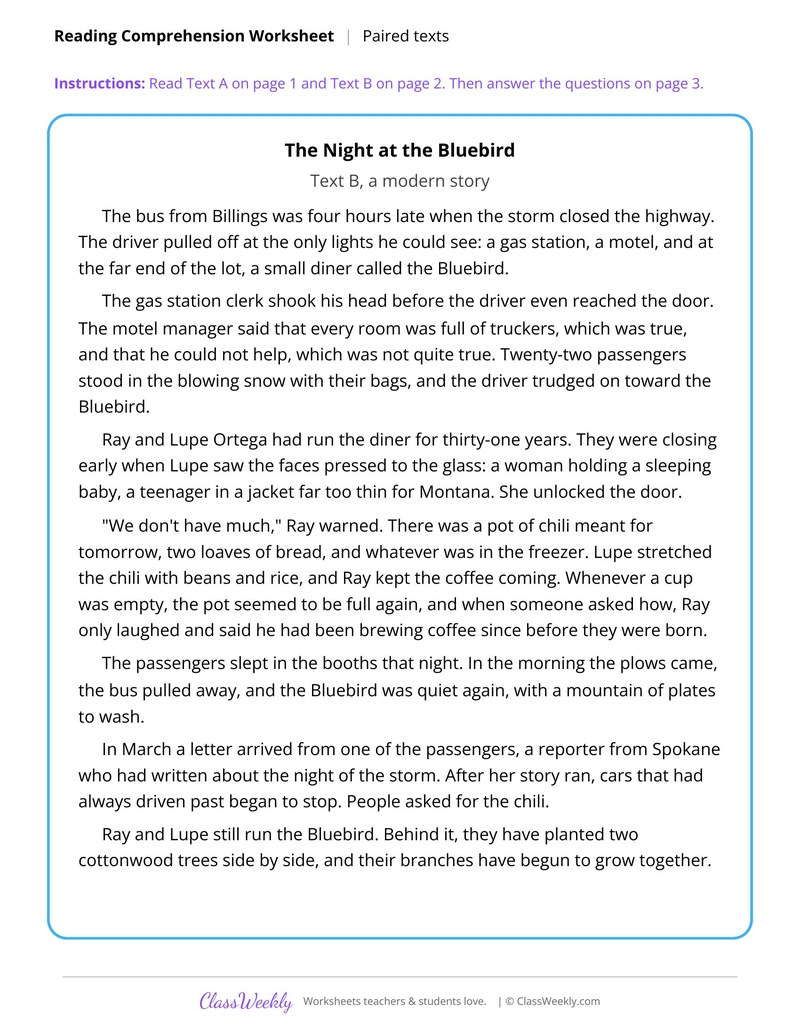
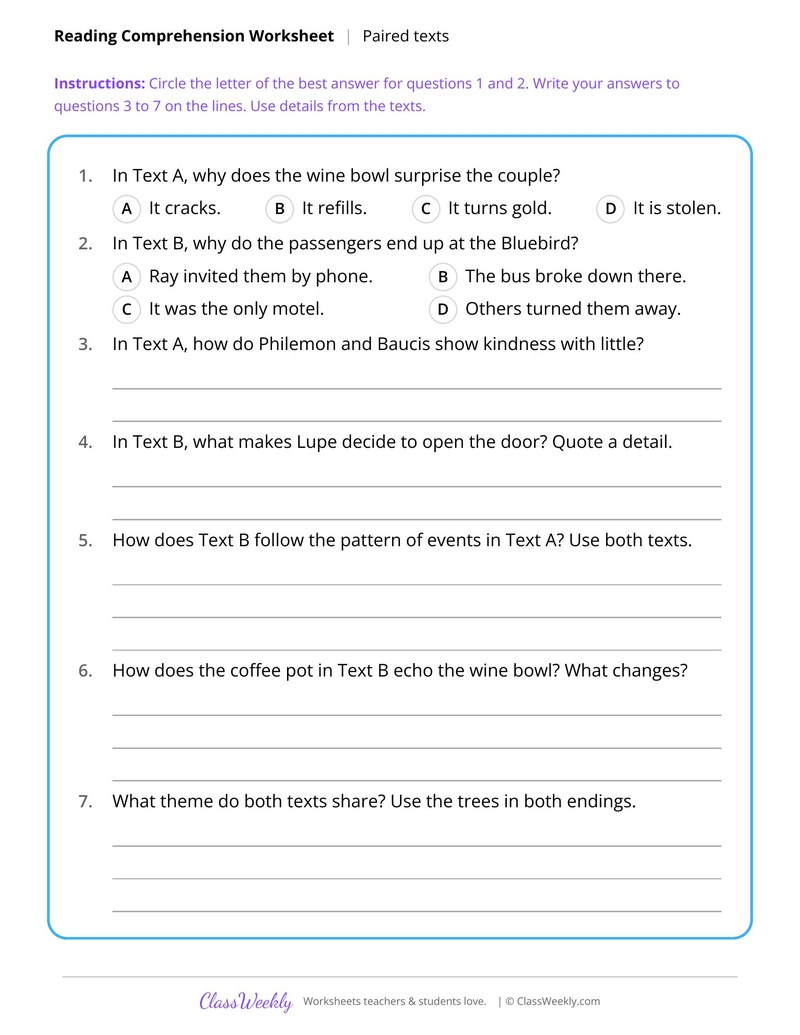
A Myth of Kind Hosts, Then and Now (Paired Texts)
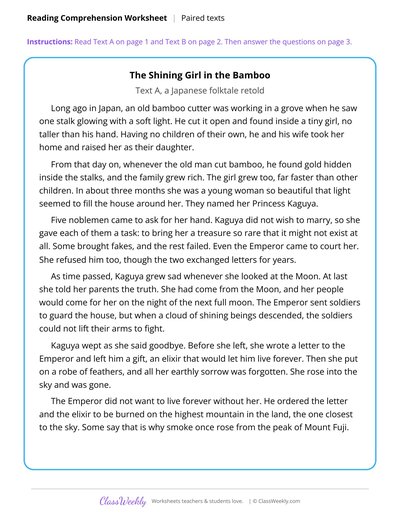
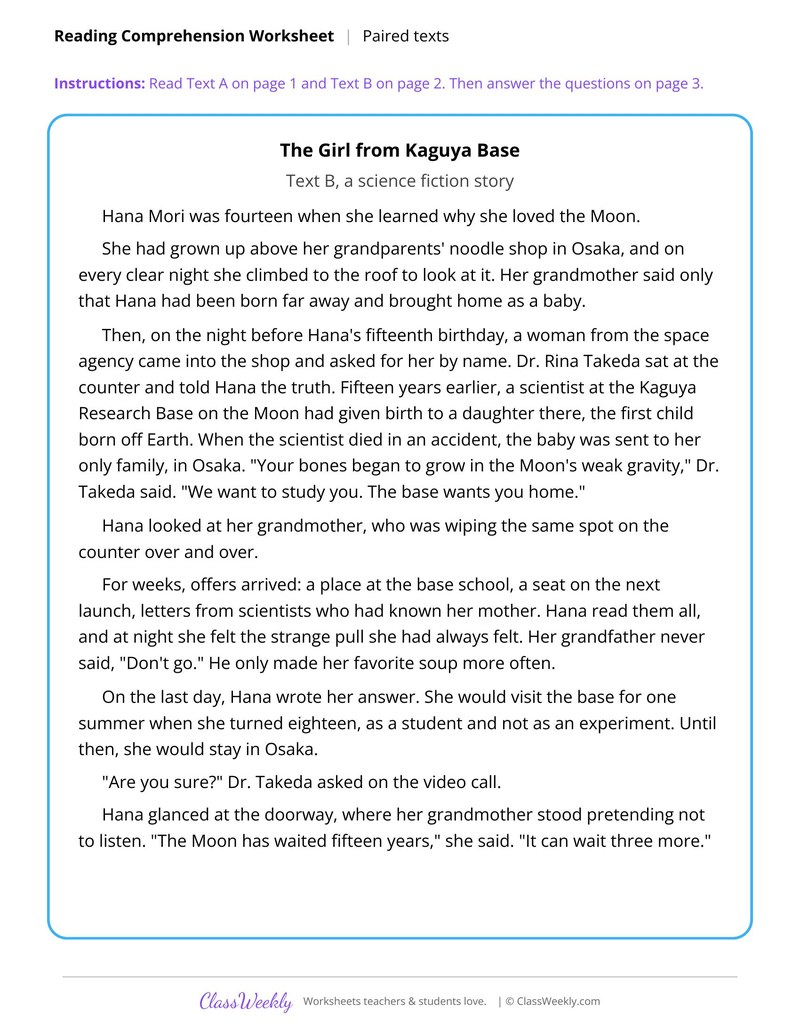
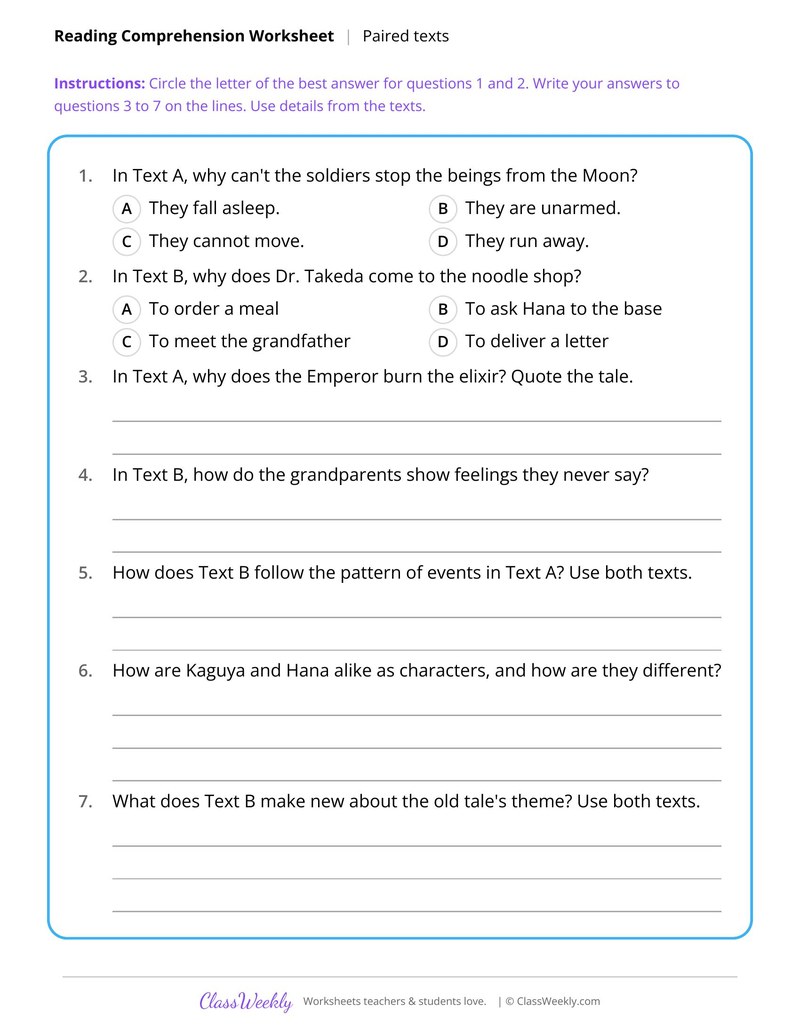
The Moon Princess and a Modern Echo (Paired Texts)
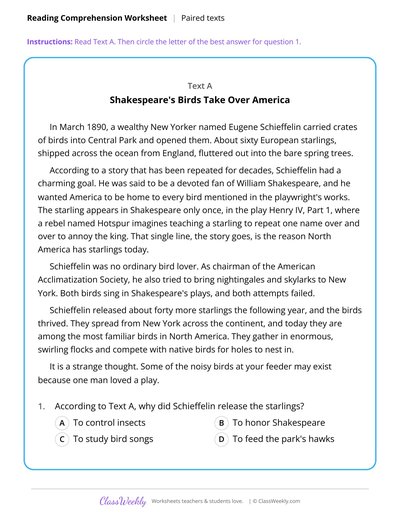
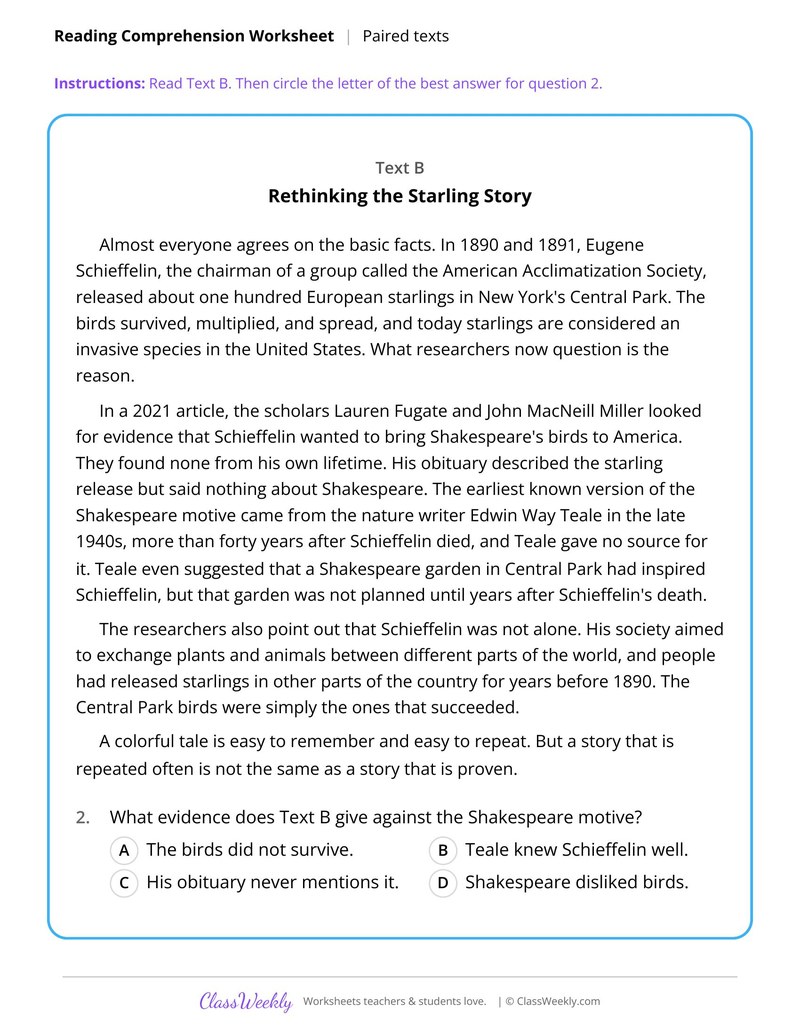
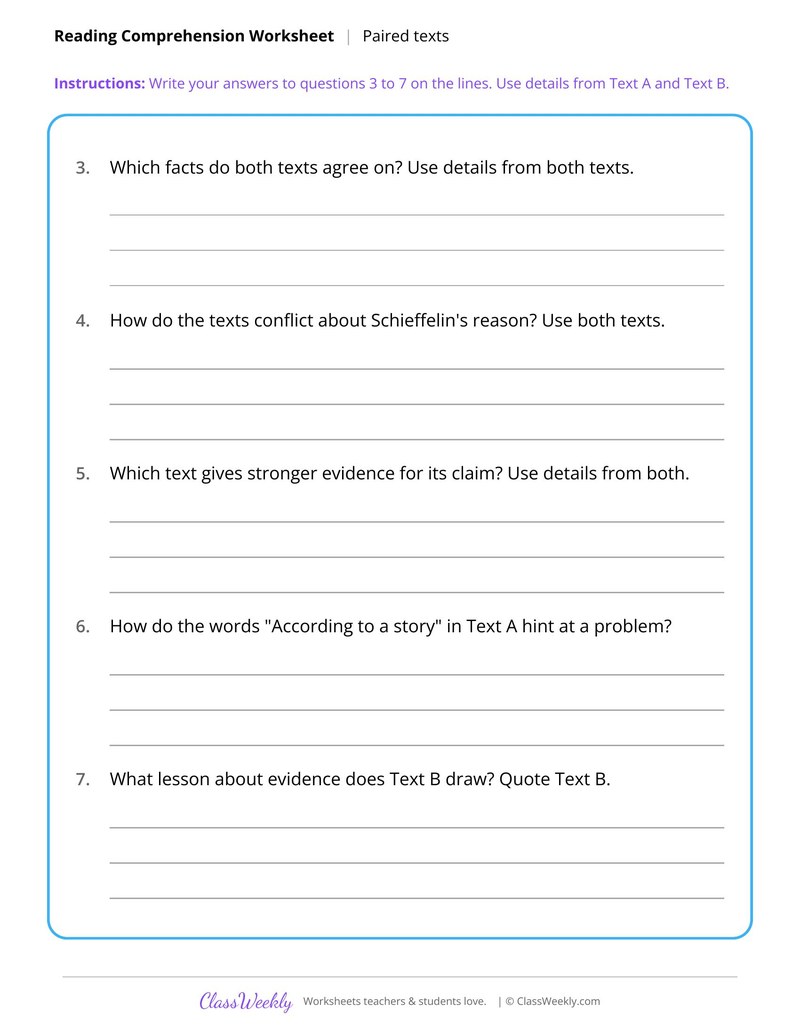
How Starlings Came to America (Paired Texts)
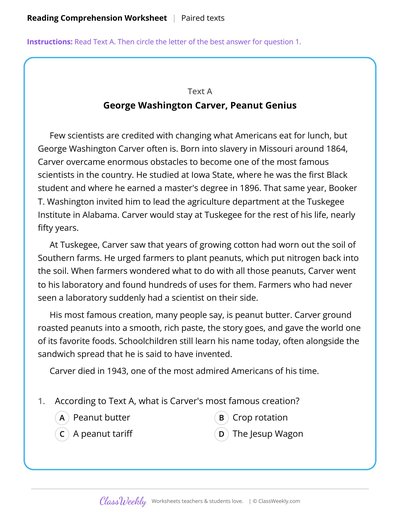
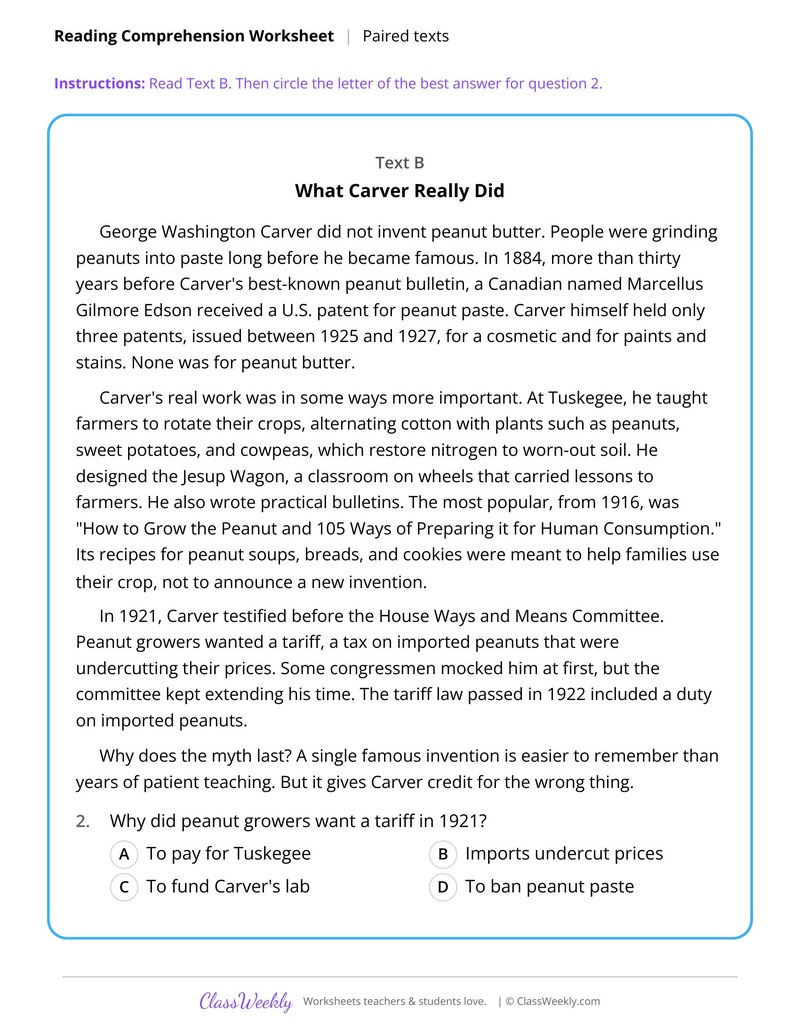
George Washington Carver, Myth and Fact (Paired Texts)
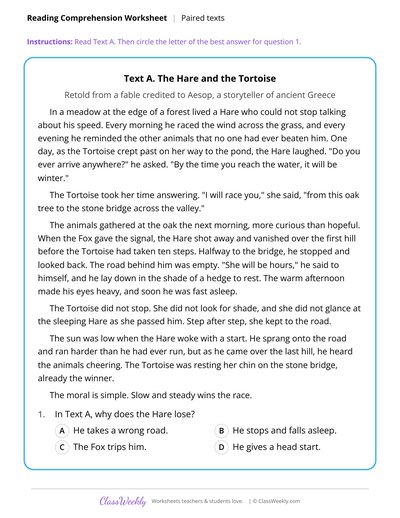
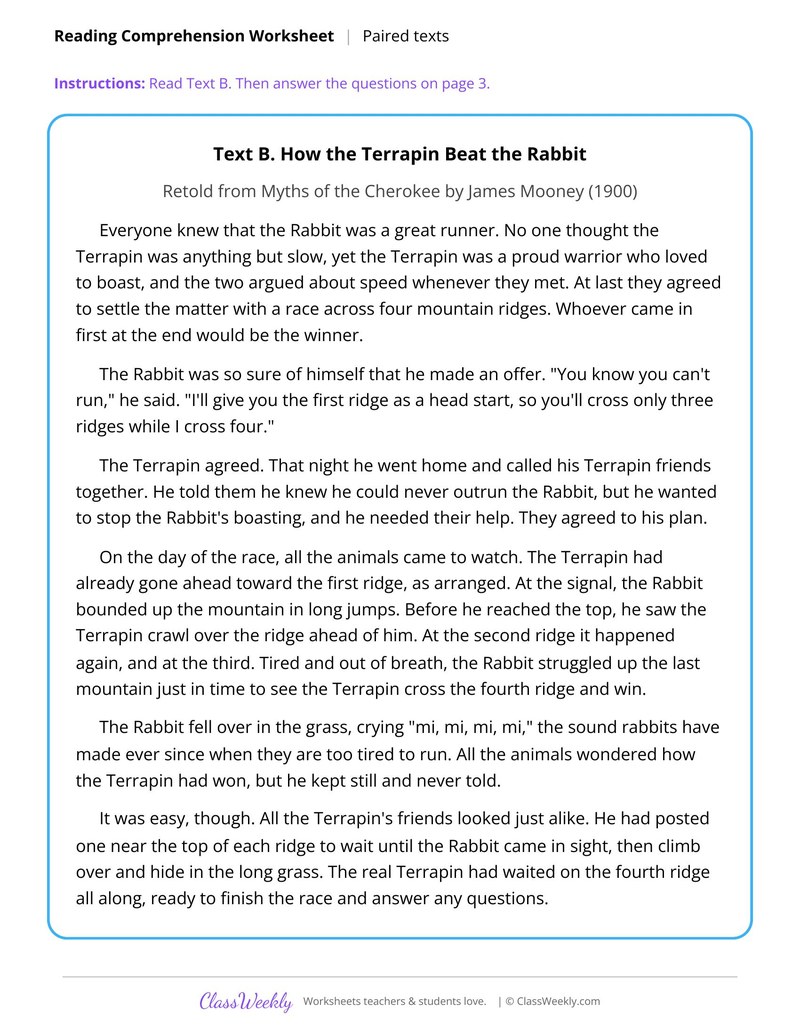
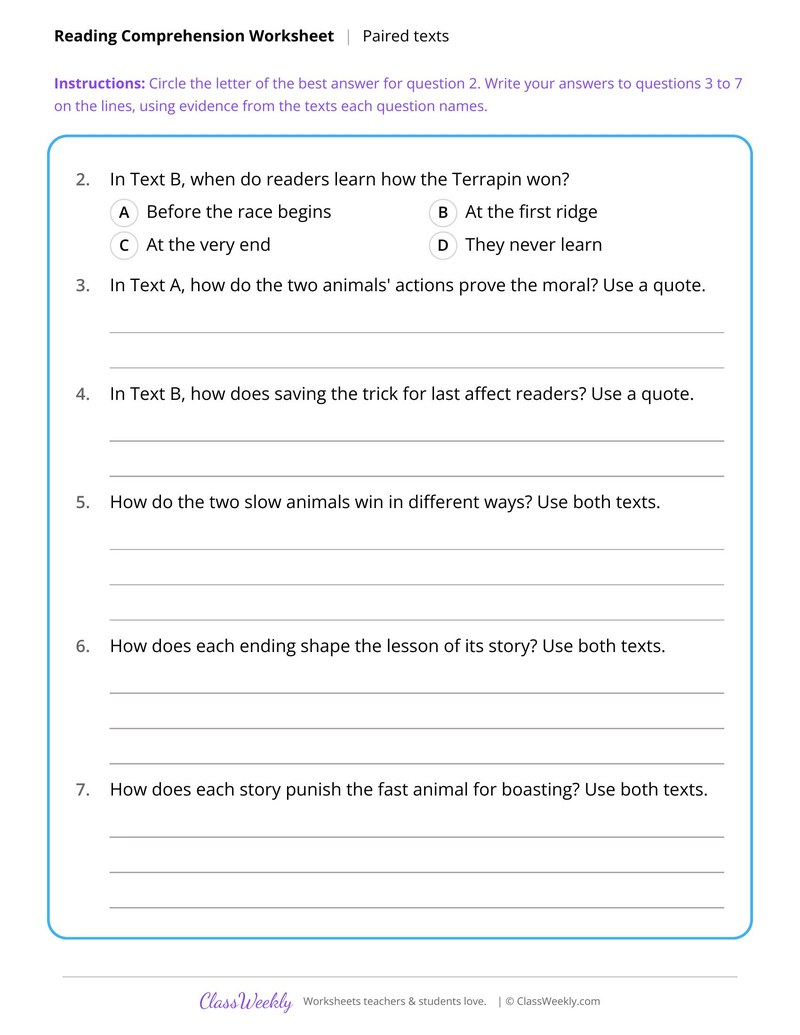
Two Races, Two Lessons (Paired Fables)
Curriculum Links
Common Core State Standards
Reading: Literature · 8th Grade
Standard: Analyze how differences in the points of view of the characters and the audience or reader (e.g., created through the use of dramatic irony) create such effects as suspense or humor.
View all RL.8.6 worksheets →Find this in the curriculum
Browse the grade, subject, and topic this belongs to.
FAQ
How do I use this reading response worksheet?
⌄
Use the eight text sheets for practice before a written response on a class novel. Hand out a board at the start of an independent reading book and collect the finished tasks at the end.
What does this worksheet teach?
⌄
Read a story about a school surprise for Mr. Okafor and write how dramatic irony shapes it. The directions on the page read: Read the story carefully. Then answer the questions on page 2. An answer key is included.
Can I use this reading response worksheet for homeschool or classroom?
⌄
Yes, both. We made it for 8th grade comprehension exercises, and it works the same at home or at school. At home, a student can work through it alone and then go over it with you, which shows quickly what is solid and what needs another look. In class it works as independent practice, homework or a warm-up, and you can print one copy or a full set.
What does a reading response worksheet ask for?
⌄
Students read a short text on page 1, answer three questions with evidence and then write a paragraph on a given topic. Respond to Tone and Word Choice in a Story, for example, asks how the author's word choices create the tone.
What are the response boards?
⌄
Fiction Response Menu for Point of View and Irony, Nonfiction Response Board for Claims and Evidence and During Reading Board for Dialogue and Plot Turns are task boards for any book or article. Students pick tasks and complete them on a separate sheet, so these three have no answer keys.
Do any of the sheets compare two texts?
⌄
Yes. Respond to Structure in a Sonnet and a Scene compares a sonnet with a short scene, and Compare the Structure of Two Short Stories looks at two stories about the same blackout.
Ratings & Reviews
No reviews yet. Be the first to share what you think.
Reviews are for ClassWeekly members.
Make a Request
Spotted something to fix, or want a worksheet we don't have yet? Tell us and we'll make it.
Worksheet Details
| Grade | 8th Grade |
| Subject | Reading |
| Topic | Comprehension Exercises |
| Standard | RL.8.6 |
| Pages | 2 pages |
| Difficulty | Medium |
What is ClassWeekly?
ClassWeekly offers free worksheets and printable learning resources for kids, from preschool up. All worksheets are aligned to Common Core, NGSS, and C3 Framework standards and designed by educators. Become a member to access the full library and download unlimited PDFs.
Fiction Response Menu for Point of View and Irony
Nonfiction Response Board for Claims and Evidence
During Reading Board for Dialogue and Plot Turns
A Myth of Kind Hosts, Then and Now (Paired Texts)
The Moon Princess and a Modern Echo (Paired Texts)
How Starlings Came to America (Paired Texts)
George Washington Carver, Myth and Fact (Paired Texts)
Two Races, Two Lessons (Paired Fables)