
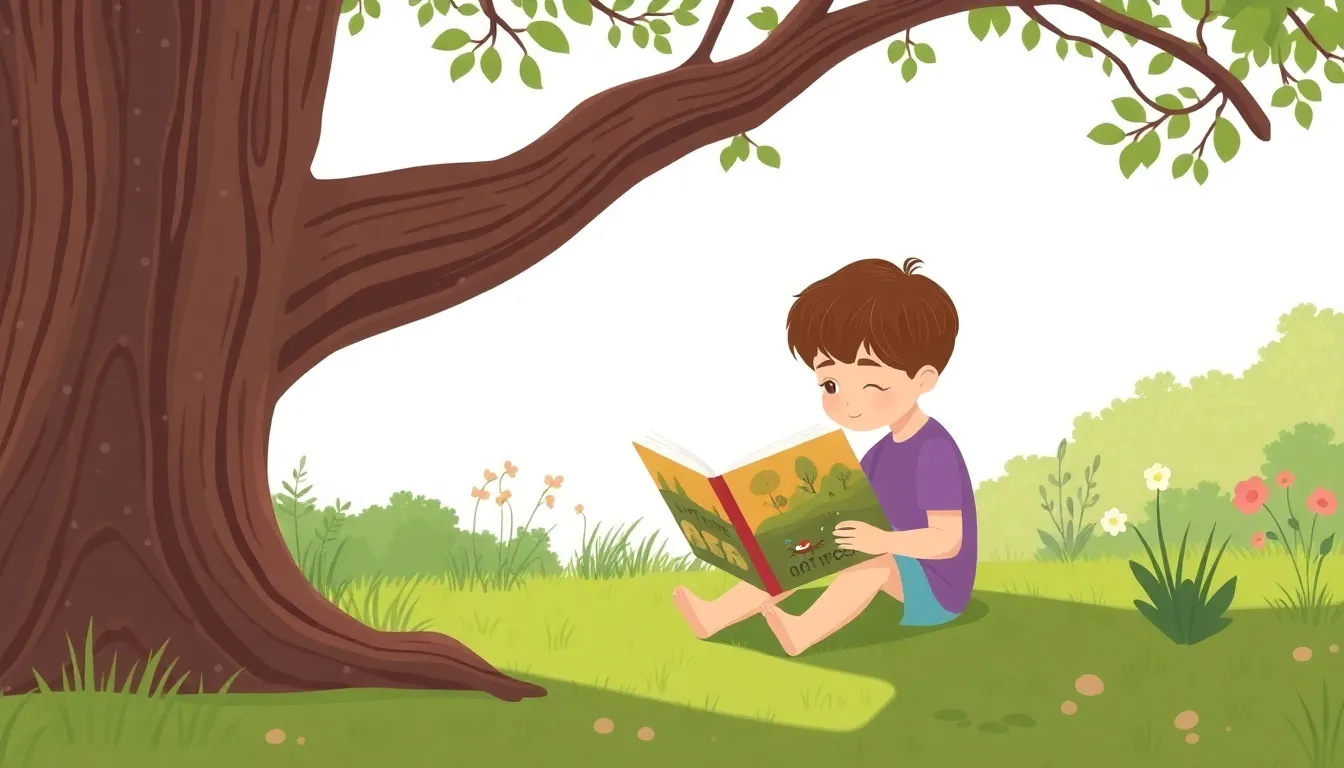
Charlotte Mason Homeschooling: What It Is and How to Start
Get 30 days of free worksheet downloads
Key Takeaways
- Charlotte Mason homeschooling centers on living books, narration, short lessons, and time outdoors instead of textbooks and worksheets alone.
- Narration (having your child tell back what they read or heard) replaces most quizzes and comprehension worksheets.
- A typical Charlotte Mason morning is short, focused lesson blocks followed by afternoons for nature study, handicrafts, and free play.
- This method fits families who want a gentle, literature-rich pace, but it does take real planning to source good living books.
If you've spent any time in homeschool circles, you've probably heard someone mention "living books" or "narration" and wondered what on earth they meant.
Charlotte Mason homeschooling is a method built around exactly those two ideas. It comes from a British educator named Charlotte Mason, who worked in the late 1800s and early 1900s and believed children learn best from real books, real nature, and real ideas, not dumbed-down textbooks and drill sheets.
We love this method for families who want their homeschool days to feel less like a factory schedule and more like a rich, unhurried childhood. Here's what it actually involves and how to start without feeling overwhelmed.
The Core Philosophy: Living Books, Narration, and Short Lessons
Charlotte Mason described children as "born persons," meaning they arrive in the world as whole human beings capable of real thought, not empty vessels waiting to be filled. That belief shapes everything about the method.
Instead of textbooks that summarize and simplify, Charlotte Mason homeschooling leans on "living books": well-written, often narrative nonfiction and literature where a real author with real passion for the subject does the talking. Think a biography of a scientist written with warmth and detail, rather than a dry paragraph in a science textbook.
After reading or listening to a passage, the child narrates it back, telling you (or writing, for older kids) what they remember in their own words. No workbook questions, no fill-in-the-blank. Narration trains attention the first time through, because the child knows they'll need to retell it.
Lessons stay short, especially for younger kids: 15 to 20 minutes per subject in the early years, growing longer as children get older. Mason believed short, focused lessons built better habits of attention than long, dragging ones.
Free Kindergarten Reading Worksheets


Free 1st Grade Math Worksheets


Free 2nd Grade Math Worksheets


What a Typical Day Looks Like
Mornings are the academic core. A Charlotte Mason morning might include a short math lesson, a read-aloud from a history living book followed by narration, a poetry reading, and a bit of copywork or handwriting practice. Each block is brief, and you move on before attention fades.
Afternoons open up. This is when nature study happens, often a walk with a nature journal where kids sketch and label what they find: a leaf, a bird, a cloud formation. Many Charlotte Mason families also build in "handicrafts" like knitting, woodworking, or watercolor painting, plus generous chunks of free outdoor play.
Composer study and picture study round out the week. Once a term, families pick a composer and simply listen to their music together, or pick an artist and spend a few minutes really looking at one painting. No analysis worksheets, just exposure and attention.
Because lessons are short, a full Charlotte Mason school day for a younger child might wrap up by late morning, leaving long afternoons for the outdoors and creative pursuits.
Who This Method Fits Best
Charlotte Mason homeschooling tends to suit families who love books, don't mind reading aloud daily, and want a gentler pace than a boxed curriculum offers. It also works beautifully for multiple ages learning together, since you can read the same living book aloud and simply adjust narration expectations by age.
It asks more of the parent upfront, mainly in choosing good living books and staying consistent with the daily rhythm. If you want an open-and-go curriculum with answer keys for every page, this may feel like extra work at first.
We've also found it pairs nicely with focused skill practice on the side. Narration builds comprehension and expression beautifully, but kids still need repetition for things like phonics patterns, math facts, and handwriting form.
FAQ
What age should I start Charlotte Mason homeschooling? Most families start in the kindergarten or first grade years, since narration and short lessons work well once a child can talk through what they heard. You can layer in Charlotte Mason habits like nature walks and read-alouds even earlier, though, starting as young as age three or four.
Do I need special curriculum to do Charlotte Mason? No. You need living books (well-written, engaging books instead of dry textbooks), a nature journal, and a simple daily rhythm. Several free and low-cost Charlotte Mason curriculum guides exist online, but you can also build your own reading list from your library.
How is narration different from a comprehension worksheet? A worksheet asks your child to select or write a short answer to a specific question. Narration asks them to retell the whole passage in their own words, out loud or in writing, which builds memory, sequencing, and expressive language all at once.
Can Charlotte Mason work for kids who struggle with reading? Yes, with adjustments. You read aloud to a struggling reader and let them narrate verbally instead of in writing. Short daily practice with phonics or reading worksheets alongside your Charlotte Mason readings can build the decoding skills they need.
Keep Reading
Charlotte Mason homeschooling asks you to slow down and trust that good books and real experiences teach better than worksheets alone. Start small, pick one living book this week, and see how your kiddo surprises you with what they remember. 📚

Adi Ackerman
Head Teacher
Adi is the Head Teacher at ClassWeekly, with years of experience teaching elementary students. She designs our curriculum-aligned worksheets and writes practical guides for teachers and parents.
Keep Reading
Ready to download? Try ClassWeekly free for 30 days.
Unlimited worksheets for PreK through 5th grade. Cancel anytime.