
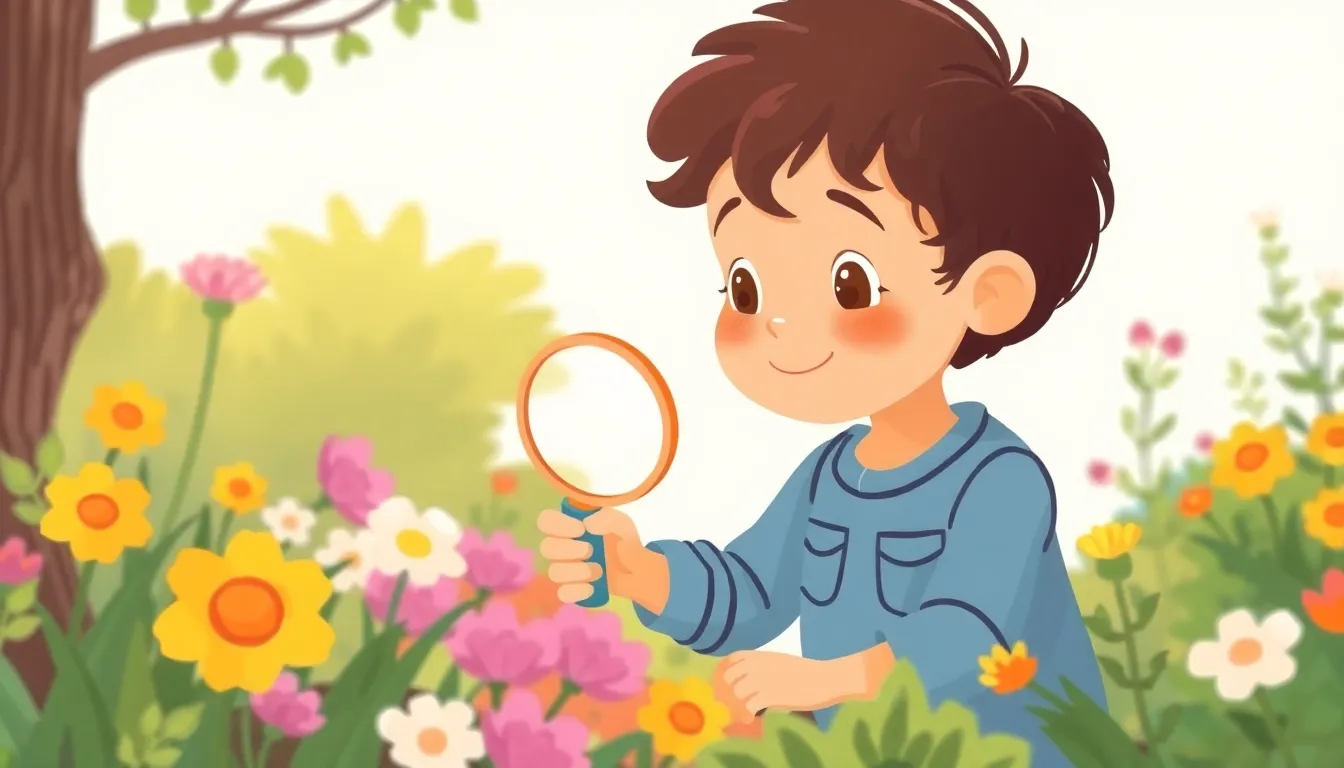
Unschooling: What It Actually Looks Like Day to Day
Get 30 days of free worksheet downloads
Key Takeaways
- Unschooling means learning driven entirely by the child's own interests and questions, without a set curriculum or fixed lesson schedule.
- A typical unschooling day has no bell schedule; it follows whatever the child is curious about, with the parent facilitating access to resources.
- Unschooling doesn't mean no structure at all; many families still track skills quietly and step in with targeted practice when gaps show up.
- This method fits highly self-directed kids and low-structure families well, but it requires real trust and active parent involvement, not passivity.
Of all the homeschool methods, unschooling is probably the most misunderstood. People hear "no curriculum" and picture kids watching cartoons all day with no learning happening at all.
That's not what unschooling actually is. It's a method built on the belief that children are naturally curious and will learn deeply when they're following their own genuine interests, with an engaged adult supporting them along the way.
The term traces back to educator John Holt, who argued in the 1970s that school's rigid structure often gets in the way of real learning rather than supporting it. Modern unschooling families have run with that idea in a lot of different directions, but the core stays the same: the child leads, and the parent facilitates.
The Core Philosophy: Child-Led, Interest-Driven Learning
Unschooling drops the idea of a fixed curriculum, grade-level scope and sequence, or set daily subjects entirely. There's no "today we do math from 9 to 10." Instead, learning happens as a byproduct of living an engaged, resource-rich life.
The parent's job shifts from teacher to facilitator. That means noticing what your child gets excited about (dinosaurs, video game design, baking, a specific historical era) and then flooding them with access: library books, documentaries, tools, conversations, maybe a class or mentor if the interest runs deep.
Unschoolers trust that skills like reading, writing, and math will develop because kids need them to pursue what they care about, not because a worksheet demanded it on a Tuesday. A kid who wants to run a lemonade stand ends up doing real addition and subtraction. A kid obsessed with a fantasy series ends up reading and writing at a high level to keep up with it.
This doesn't mean zero adult input. Good unschooling parents are actively curating environments, asking good questions, and sometimes gently nudging a child toward a skill they'll need, without forcing a lesson plan on them.
Free 3rd Grade Grammar Worksheets


Free 4th Grade Grammar Worksheets


Free 5th Grade Math Worksheets


What a Typical Day Looks Like
There's no single unschooling schedule, which is sort of the point, but a common day might start with no set wake time or bell. A child might spend the morning deep in a building project, move to reading about something they saw online, help cook lunch (real math and measurement happening quietly), then head outside, then land on a documentary or a video game that sparks a new question that evening.
The parent is present throughout: answering questions, driving to the library, sitting down to look something up together, maybe suggesting a related book or a museum trip.
Some families blend in light structure, like weekly outings, a family read-aloud time, or occasional check-ins about what the child wants to explore next, without turning it into a formal lesson.
Who This Method Fits Best
Unschooling fits highly self-directed kids who chase their own curiosity readily, and it fits parents who are genuinely comfortable with unpredictability and trust the process even when progress isn't visible in a neat, gradable way.
It's a poor fit for parents who need daily proof of academic progress to feel at ease, and it takes more active parental energy than people expect, since you're constantly reading your child's interests and finding resources, not coasting on autopilot.
Many unschooling families still keep an eye on core skills quietly in the background. If a ten-year-old hasn't naturally picked up multiplication through daily life, a short stretch of focused practice can fill that specific gap without abandoning the overall approach.
FAQ
Is unschooling the same as unsupervised free time? No. Unschooling still requires an engaged parent who provides access to books, tools, experiences, and conversation, and who notices what the child is curious about and helps them go deeper. It's child-led, not parent-absent.
How do unschooled kids learn things like math or grammar if nobody assigns it? Many unschooled kids pick up these skills through real-life application, like measuring in cooking or budgeting for a project, and through their own curiosity once they hit a wall they want to solve. Some families also introduce short, optional skill practice, especially as kids get older or if college requires certain coursework.
Is unschooling legal, and how do families track progress? Unschooling is legal in the United States, though homeschool reporting requirements vary by state and some states require standardized testing or portfolio review regardless of method. Many unschooling families keep informal logs, photos, or portfolios of projects and interests to document learning.
Can you switch from unschooling to a more traditional method later? Yes, plenty of families do, often around middle or high school when a child wants a more structured path toward a specific goal like college or a trade certification. Kids who've unschooled tend to adjust well once they have their own reason to want the structure.
Keep Reading
Unschooling asks a lot of trust from a parent, but plenty of families find their kiddos learn more, and more deeply, when curiosity is the engine instead of a worksheet deadline. It's not for everyone, and that's okay too. 🌱

Adi Ackerman
Head Teacher
Adi is the Head Teacher at ClassWeekly, with years of experience teaching elementary students. She designs our curriculum-aligned worksheets and writes practical guides for teachers and parents.
Keep Reading
Ready to download? Try ClassWeekly free for 30 days.
Unlimited worksheets for PreK through 5th grade. Cancel anytime.