Bedtime Rhyming Words
Written by Adi Ackerman, Head Teacher
"Bedtime Rhyming Words" is written for Kindergarten (Ages 5-6). If your little one is a year younger but already steady on rhyming, the page still works. You may just need to read the instructions out loud. And if they are older and match pictures that rhyme never quite stuck, this is a short review rather than busywork.
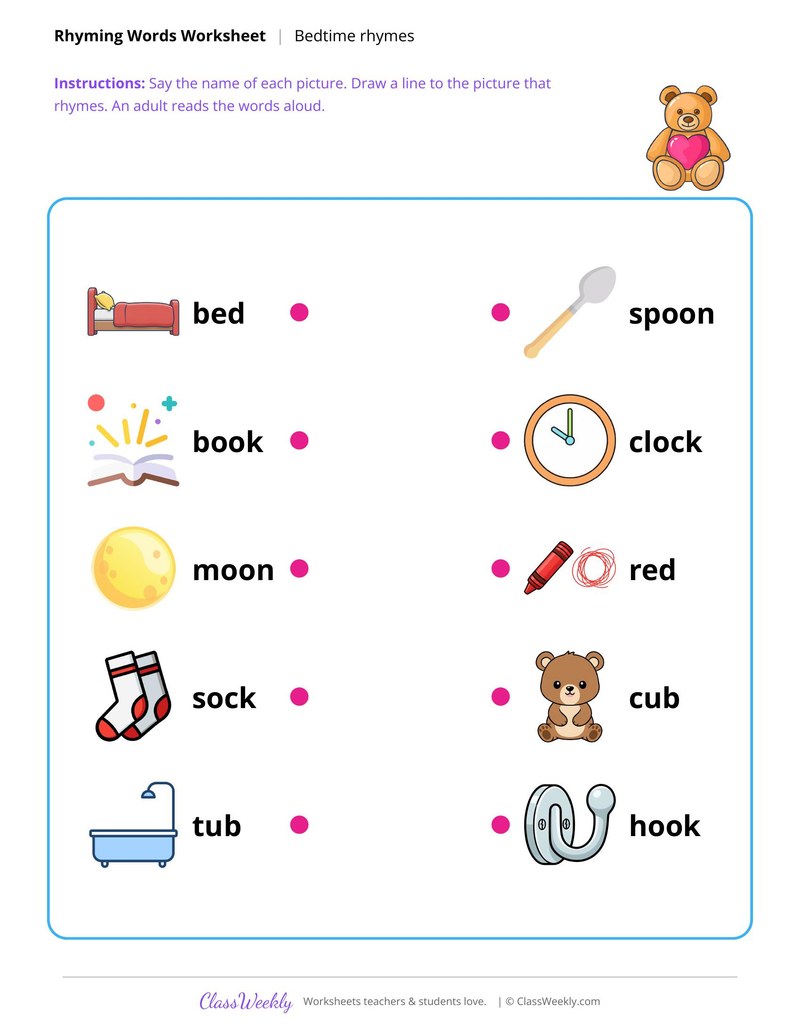
Kindergarten rhyming worksheet: draw lines to match 5 rhyming picture pairs, like bed and red, moon and spoon, and sock and clock. Answer key included. Part of our match pictures that rhyme rhyming collection.
How do I use this worksheet?
Print the page and read the directions with your child: Say the name of each picture. Draw a line to the picture that rhymes. An adult reads the words aloud. When they finish, check the work together with the answer key.
What students will practice
- Students will say picture names out loud.
- Students will hear which words rhyme.
- Students will match 5 pairs of rhyming pictures.
Curriculum Links
Find this in the curriculum
Browse the grade, subject, and topic this belongs to.
FAQ
How do I use this match pictures that rhyme worksheet?
⌄
Print the page and read the directions with your child: Say the name of each picture. Draw a line to the picture that rhymes. An adult reads the words aloud. When they finish, check the work together with the answer key.
What does this worksheet teach?
⌄
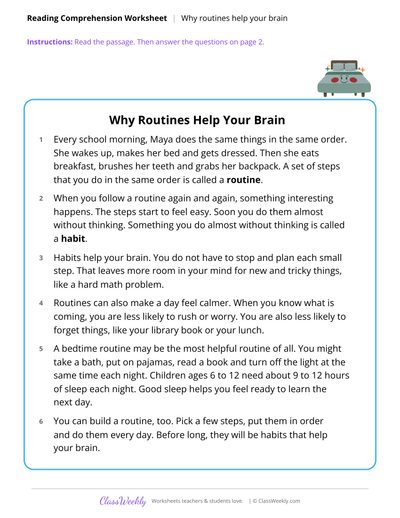
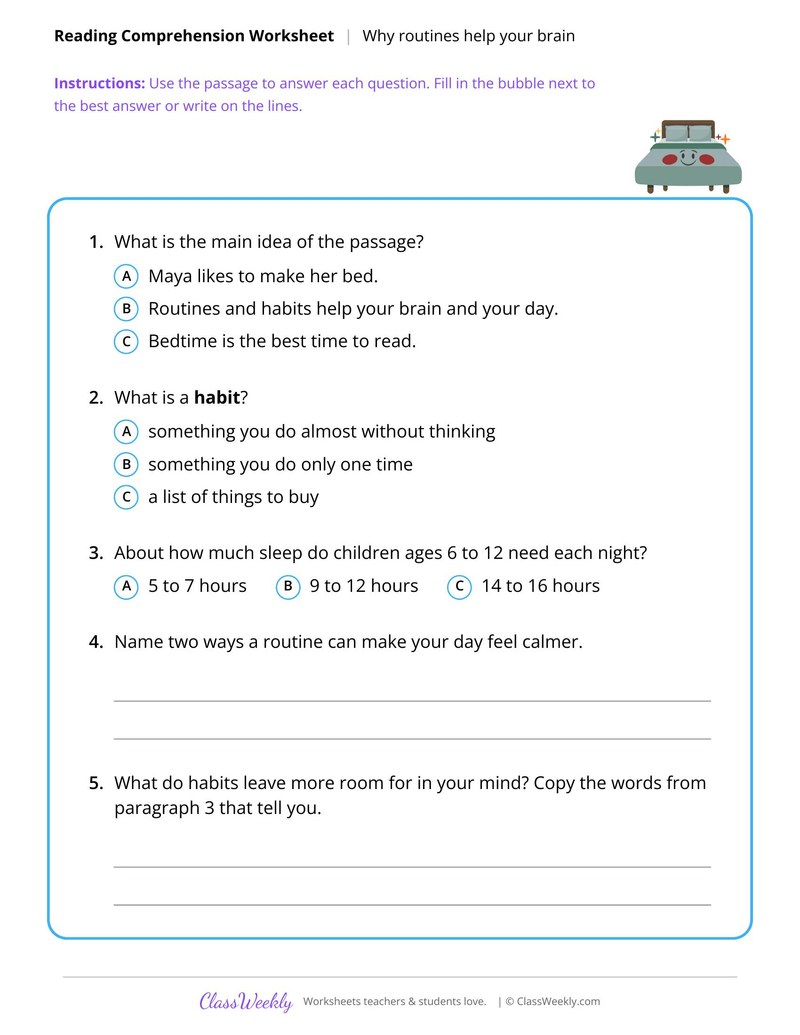
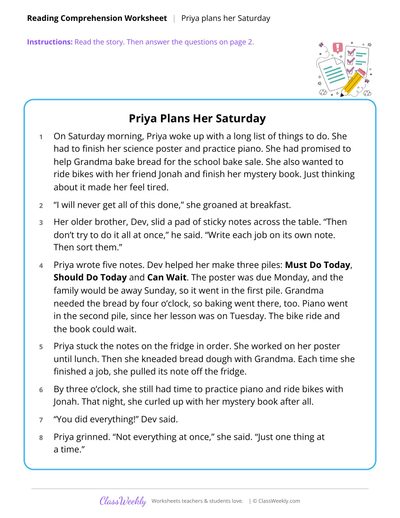
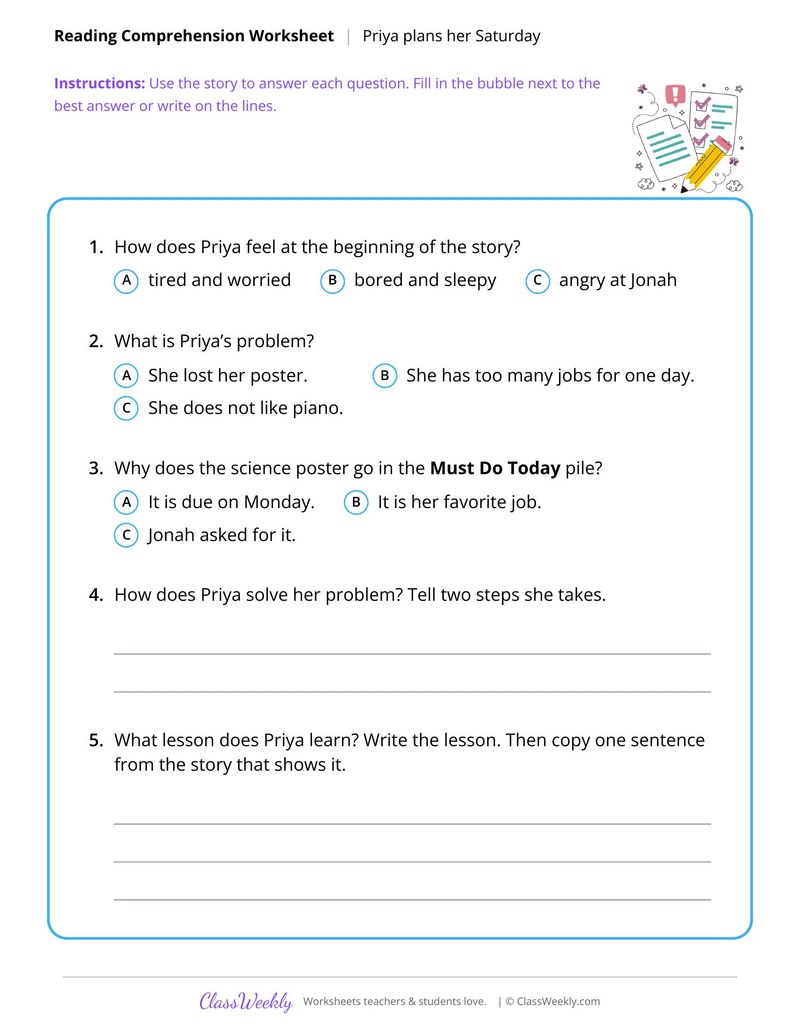
Five pictures on the left (bed, book, moon, sock and tub) and five on the right (spoon, clock, red, cub and hook), each with its word. Children say each picture name and draw a line to the picture that rhymes. The directions on the page read: Say the name of each picture. Draw a line to the picture that rhymes. An adult reads the words aloud. An answer key is included.
Can I use this match pictures that rhyme worksheet for homeschool or classroom?
⌄
Yes, both. We made it for Kindergarten rhyming, and the page works the same whether it lands on a kitchen table or a center rotation. At home, most families go through it together and talk the answers out loud, and that talking is where most of the learning happens with match pictures that rhyme. In class it runs well as independent work while you pull a small group. Print one copy or thirty, whichever the day needs.
What is the difference between circling and matching pictures that rhyme?
⌄
Circling asks children to identify rhyming pictures within a set, while matching requires them to pair each picture with its specific rhyming partner from a separate group. Matching is slightly more demanding because children must hold one image in mind and scan for its counterpart, which exercises working memory alongside phonological awareness. Both formats reinforce the same skill but offer varied practice experiences.
When should children be able to match rhyming pictures independently?
⌄
Most kindergarteners can match rhyming pictures independently by mid-year, around January, if they have had regular exposure to rhymes through songs, books, and oral language activities. Children who struggle with this task by late kindergarten may benefit from more foundational phonological awareness work focused on listening to rhymes rather than producing or matching them.
How do I use picture-matching rhyme worksheets in a classroom center?
⌄
Print and laminate several sheets for reusable use, or pair the worksheet format with physical picture cards that children match on a mat. At a literacy center, children can work in pairs - one child names a picture, the other finds its match - adding an oral language component. Rotate new sets of pictures regularly to keep the activity fresh and cover a wide variety of rhyme families.
When should kindergarteners be able to rhyme?
⌄
Rhyme recognition is a kindergarten phonemic awareness standard (CCSS RF.K.2a), expected by the end of kindergarten. Most students can recognize rhyming pairs by mid-year. Rhyme production (generating new rhymes) is harder and may emerge later. If a child cannot recognize rhymes by end of kindergarten, this is an early indicator of phonological processing difficulty worth monitoring.
How do you teach rhyming to kindergarteners?
⌄
Read nursery rhymes, Dr. Seuss, and rhyming books frequently, pausing on the rhyming words. Play odd-one-out with word sets (cat, hat, dog: which one doesn't rhyme?). Generate rhyme families together (all the -at words: bat, cat, fat, hat, mat, pat, rat, sat). Worksheets with picture-to-picture rhyme matching are an appropriate independent practice format.
Does rhyming help with reading?
⌄
Yes. Rhyme awareness is a form of phonological awareness that helps children hear and manipulate the sound structure of words. Children who understand that cat, bat, hat, and mat share the same ending sound (-at) learn to read and spell that entire word family much more efficiently. CCSS RF.K.2 explicitly targets phonological awareness including rhyme as a reading readiness skill.
Ratings & Reviews
No reviews yet. Be the first to share what you think.
Reviews are for ClassWeekly members.
Make a Request
Spotted something to fix, or want a worksheet we don't have yet? Tell us and we'll make it.
Worksheet Details
| Grade | Kindergarten |
| Subject | Reading |
| Topic | Rhyming |
| Pages | 1 page |
| Difficulty | Medium |
Learn More
What is ClassWeekly?
ClassWeekly offers free worksheets and printable learning resources for kids, from preschool up. All worksheets are aligned to Common Core, NGSS, and C3 Framework standards and designed by educators. Become a member to access the full library and download unlimited PDFs.